
Rocketing a person past the edge of the atmosphere has only ever been achieved by a handful of machines, each a pressurized shell wrapped around fragile human cargo. From Cold War capsules barely larger than a phone booth to reusable orbiters and private taxis, their designs trace how spaceflight matured. These ten machines are the ones that actually lifted human beings beyond the sky.
1. Apollo command and service module: Moonship In Two Halves
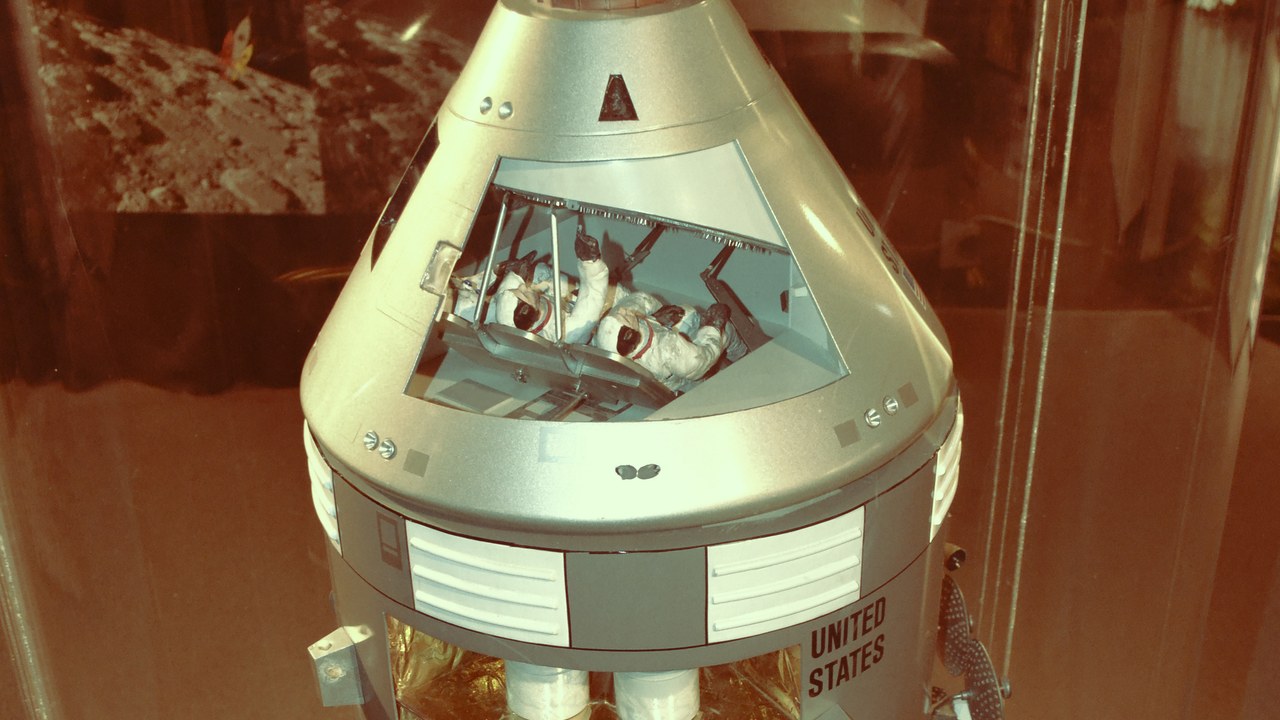
North American Aviation built the Apollo command and service module as a two-part ship: a cone-shaped command module for the three-man crew and a cylindrical service module holding the engine, fuel, and power. It flew the astronauts of the human spaceflight programs to lunar orbit, and in July 1969 delivered the first crew to the Moon’s surface.
Only the command module survived reentry; the service module was jettisoned to burn up in the atmosphere. Its blunt heat shield and pressurized cabin set a template that later capsules, from Orion to Dragon, still echo today.
2. Space Shuttle: Winged And Reusable
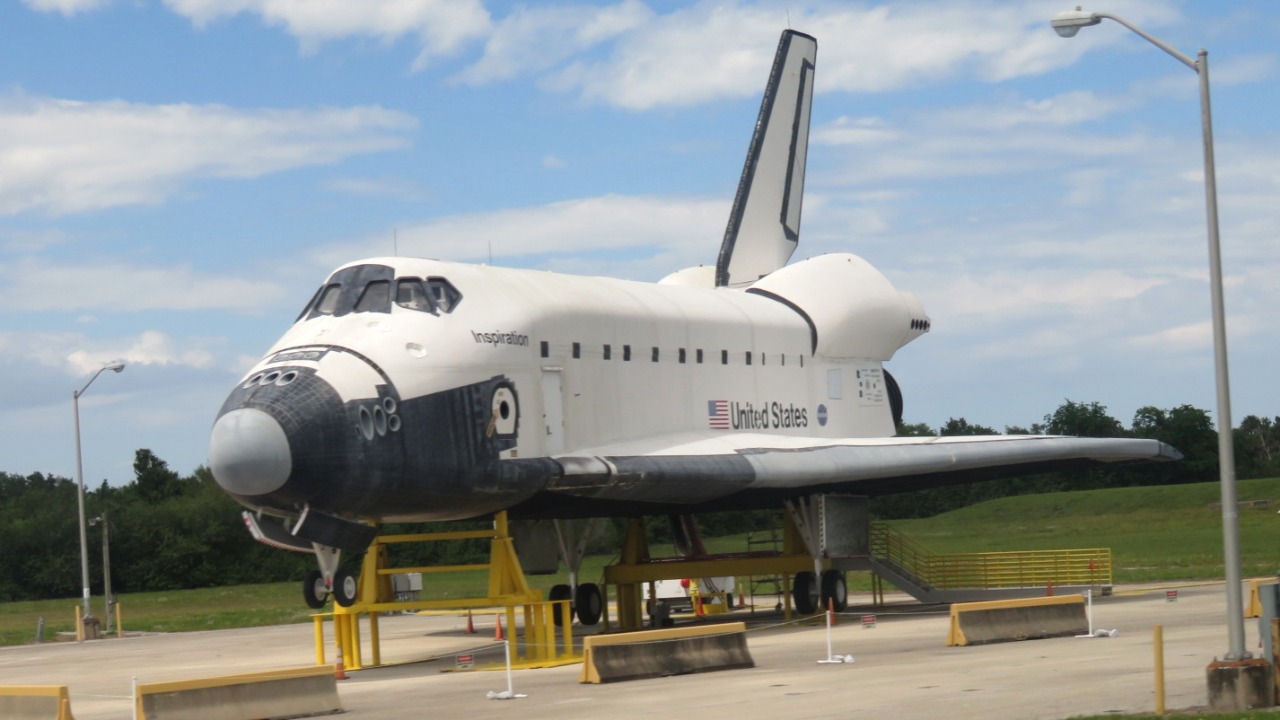
For three decades the Space Shuttle was the only winged spacecraft to reach orbit and glide home to a runway. Across its reusable orbiter fleet of five vehicles, it flew 135 missions between 1981 and 2011, hauling crews of up to seven along with tons of cargo.
Reusability never made it cheap or fully safe: two orbiters, Challenger and Columbia, were lost with their crews. Even so, the fleet built much of the International Space Station and launched the Hubble Space Telescope.
3. Soyuz: The Enduring Workhorse
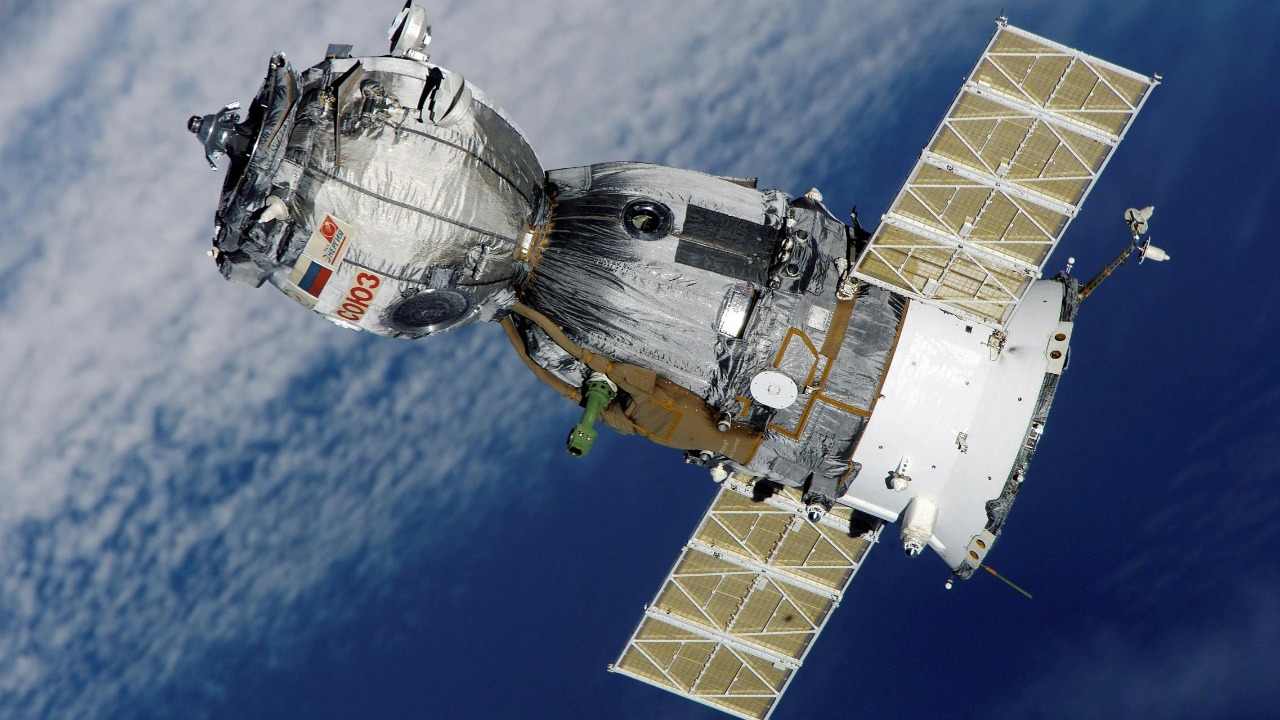
Few machines have proved as durable as Soyuz, the Soviet-designed capsule that first carried a crew in 1967 and flies still. It became the backbone of crewed orbital flight, and after the Shuttle retired in 2011 it spent nearly a decade as the only ride to the International Space Station.
Its three-seat descent module lands on solid ground under parachutes and braking rockets rather than splashing down at sea. Repeatedly upgraded yet instantly recognizable, Soyuz has logged more crewed missions than any other spacecraft.
4. SpaceX Dragon 2: Private Ride To Orbit
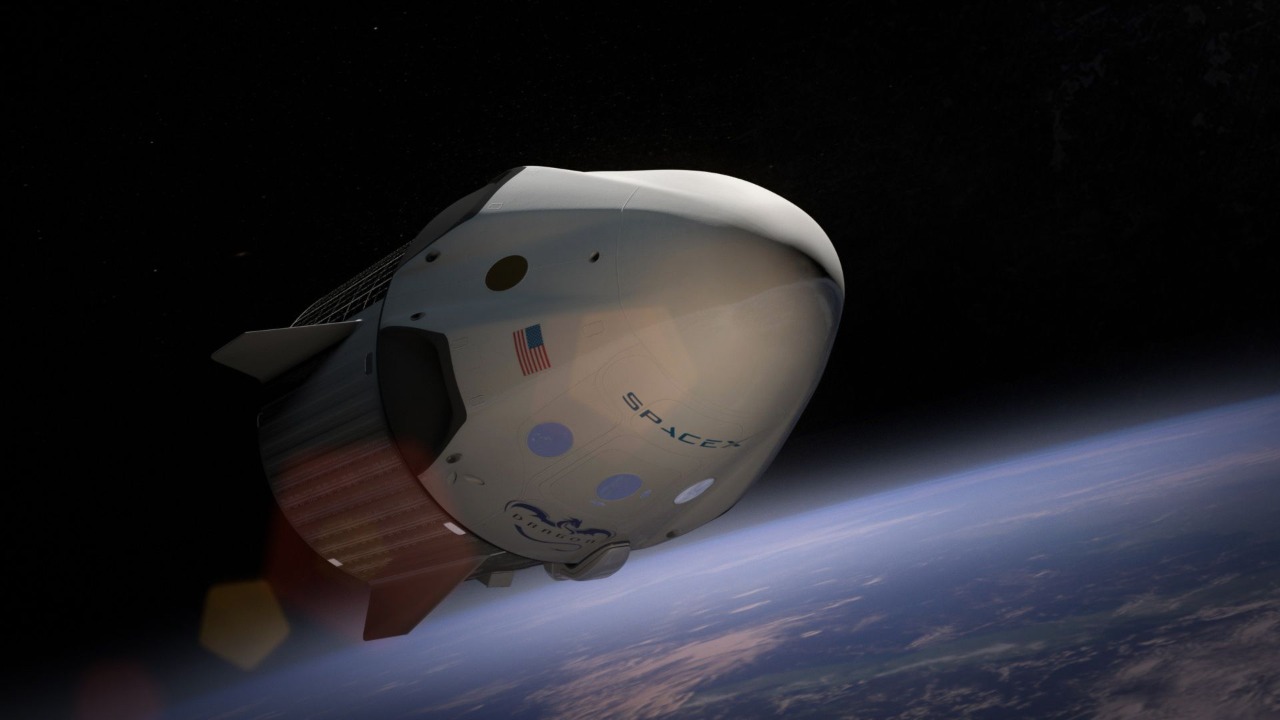
SpaceX’s Dragon 2, or Crew Dragon, ended nearly nine years in which the United States could not launch its own astronauts. Built for NASA’s commercial crew program, the capsule carried Bob Behnken and Doug Hurley to orbit in May 2020, the first crewed flight from American soil since 2011.
The gumdrop-shaped capsule seats up to four, docks with the station autonomously, and returns for a gentle ocean splashdown. Reused boosters and refurbished capsules have since made its trips to the station nearly routine.
5. Orion: Built For Deep Space
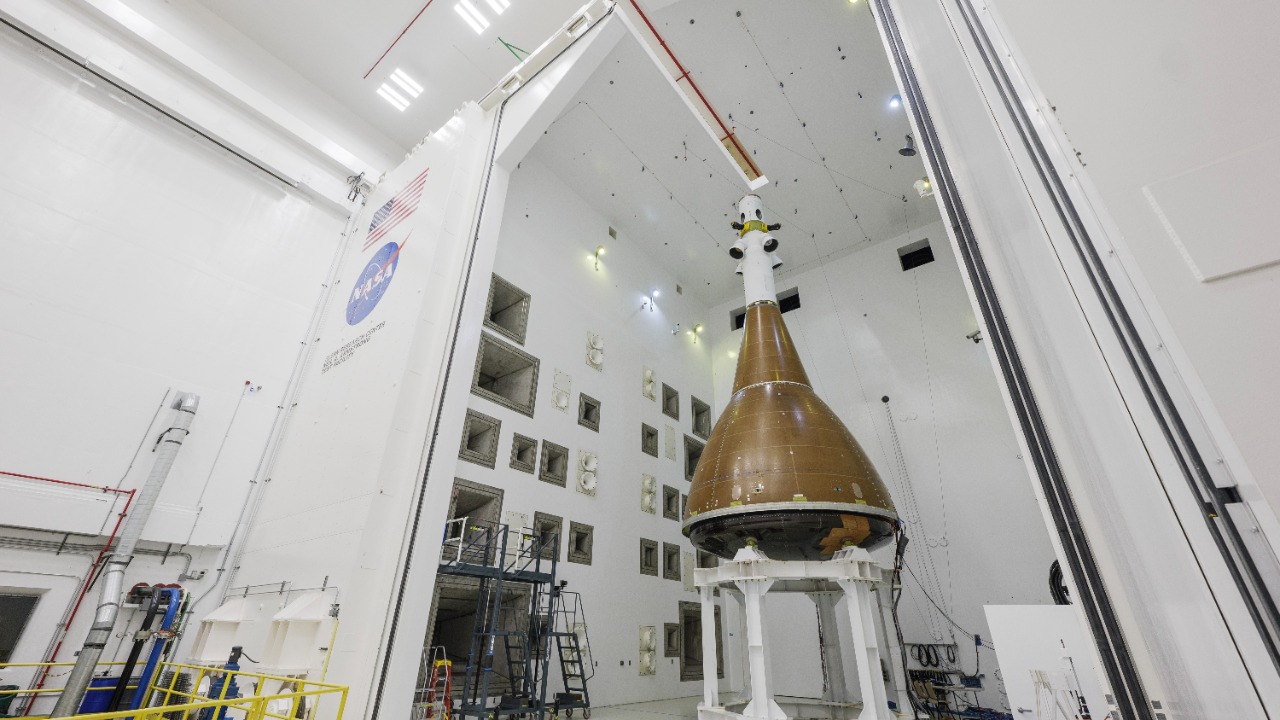
Orion is NASA’s capsule built for journeys far beyond low Earth orbit, where radiation and reentry speeds both run higher. Central to the agency’s push toward deep-space exploration, an uncrewed Orion looped around the Moon during the Artemis I test flight in late 2022 before splashing down in the Pacific.
Larger than an Apollo command module, it carries four astronauts and relies on a European-built service module for power and propulsion. A crewed lunar flyby aboard Artemis II is the planned next step.
6. Project Mercury: America’s First Capsule
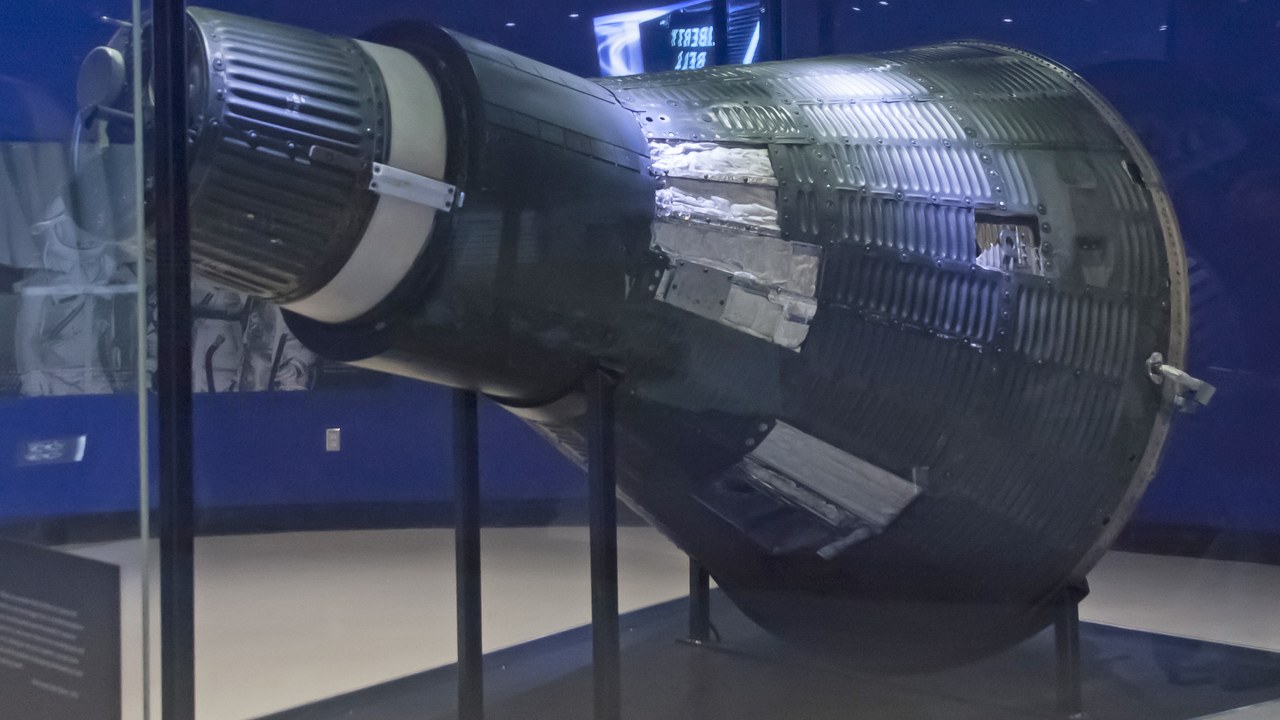
Project Mercury was the United States’ first human spaceflight effort, a cramped one-seat capsule that a pilot wore almost like a suit. It opened the country’s earliest crewed program: Alan Shepard rode it on a suborbital hop in May 1961, and John Glenn orbited Earth three times in February 1962.
Six astronauts flew Mercury between 1961 and 1963, proving a person could survive launch, weightlessness, and reentry. The lessons fed directly into the more capable Gemini and Apollo ships that followed.
7. Gemini: Rehearsal For The Moon
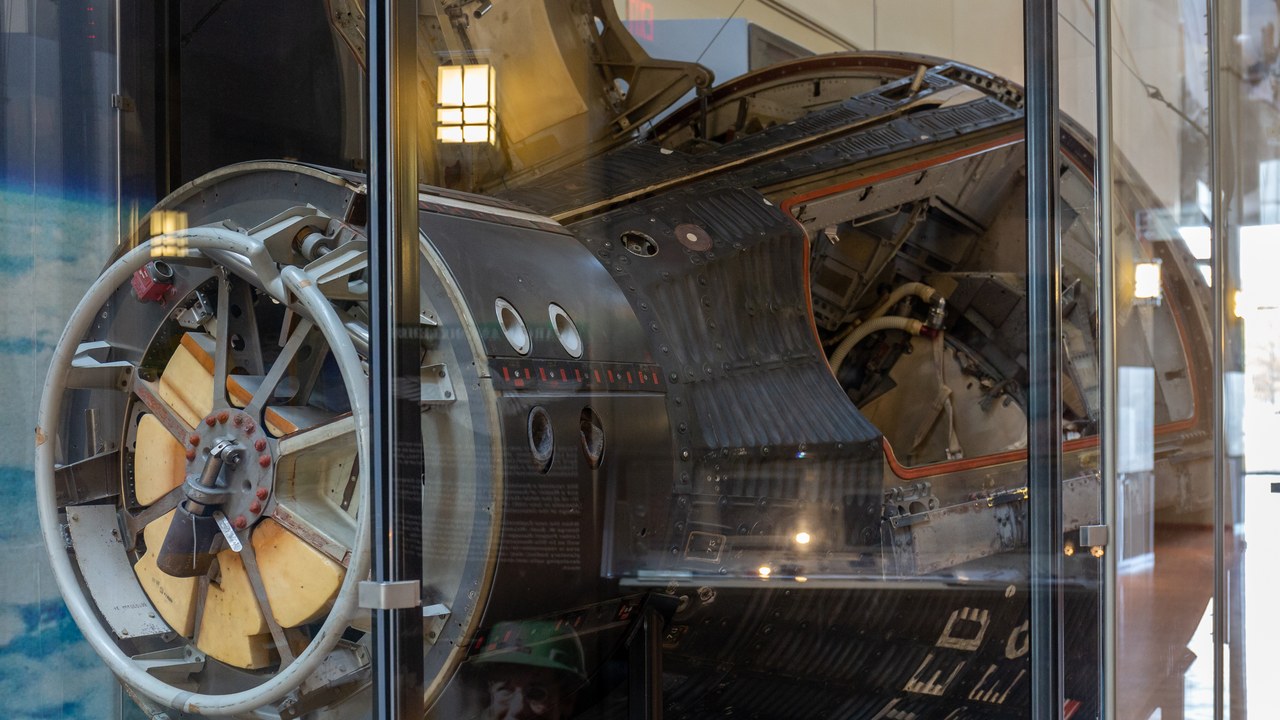
Bridging Mercury and Apollo, Gemini was a two-seat spacecraft designed to master the skills a Moon landing would demand. It advanced the orbital rendezvous techniques Apollo needed: Ed White made the first American spacewalk from Gemini 4 in 1965, and Gemini 8 performed the first docking of two vehicles in orbit.
Ten crewed missions flew in barely twenty months during 1965 and 1966. Astronauts learned to change orbits, endure long durations, and work outside the cabin, rehearsals that made the lunar program possible.
8. Vostok: The First Human Flight
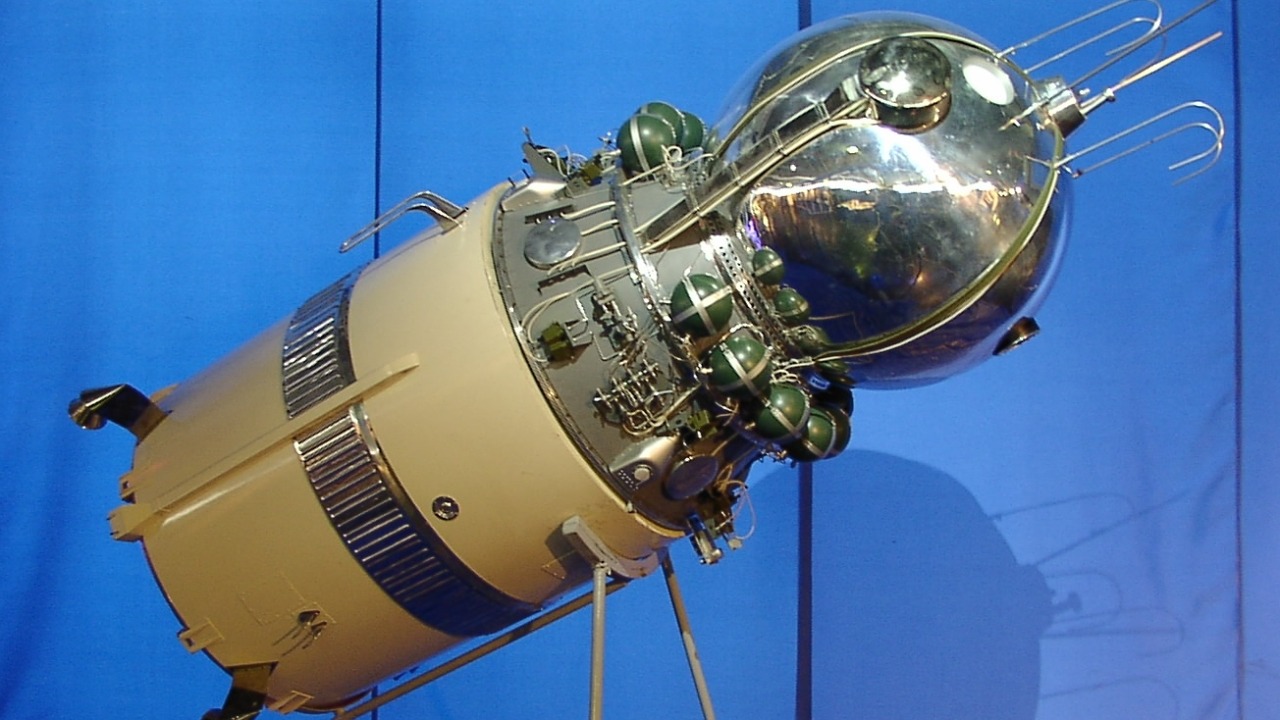
Vostok carried the first human being out of the atmosphere, a spherical Soviet capsule that reentered as a simple ball. On its inaugural crewed flight, among the earliest human missions, Yuri Gagarin orbited Earth once on April 12, 1961, becoming the first person in space.
The cosmonaut ejected and parachuted down separately, since the sphere struck the ground too hard for a soft landing. Two years later Vostok 6 carried Valentina Tereshkova, the first woman to fly in space, closing out the program.
9. Shenzhou: China’s Own Capsule
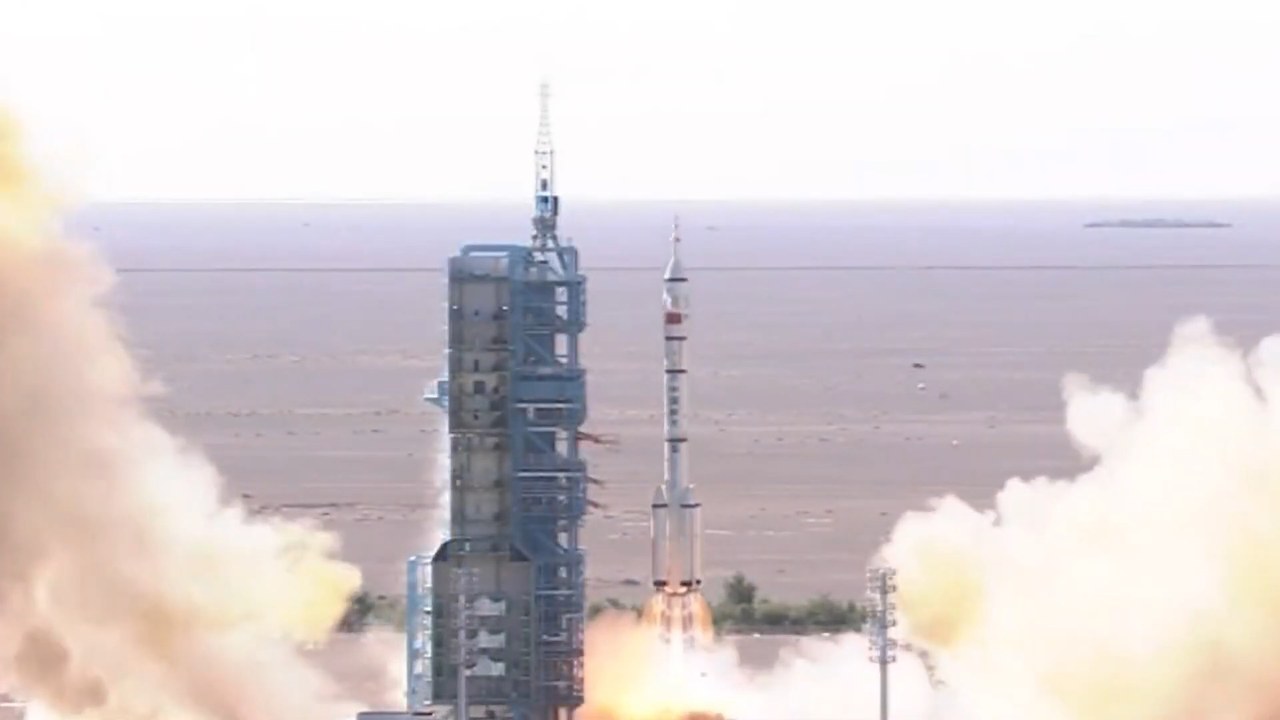
Shenzhou is China’s crewed spacecraft, outwardly resembling an enlarged Soyuz but developed independently with its own orbital module. The Shenzhou spacecraft first carried a person in October 2003, when Yang Liwei circled Earth and made China the third nation to launch a human into orbit on its own.
Its extra orbital module can remain in space as a small laboratory after the crew departs. Later flights ferried taikonauts to China’s own Tiangong station, giving the country a self-reliant human presence in orbit.
10. Boeing Starliner: The Second Crew Taxi
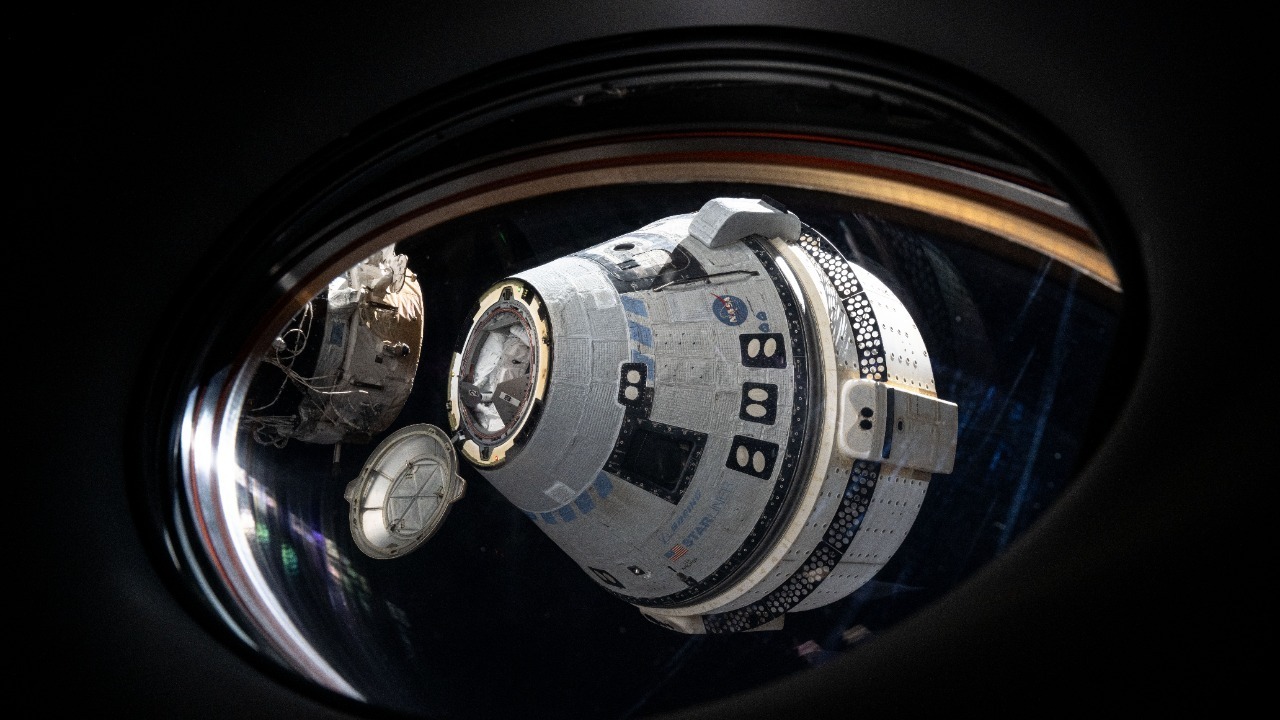
Boeing’s Starliner, formally the CST-100, was developed alongside Dragon to give NASA a second commercial capsule. The Boeing Starliner capsule flew its first crew in June 2024, carrying Butch Wilmore and Suni Williams to the International Space Station on a long-delayed test flight.
Thruster failures during approach raised enough concern that the capsule returned empty in September 2024, leaving its two astronauts to come home later aboard a Dragon. The program still aims to certify Starliner for regular crew rotations.
More from Morning Overview
- A handful of SUVs keep hitting 300,000 miles, and they share one engine trait
- Supplements now rank as the fifth-leading cause of death from liver disease.
- A study names the one SUV most likely to reach 250,000 miles
- More than 60,000 people flee the Spokane area as complex fires overrun 600 structures
