
Parents shopping for a teenager’s first car tend to weigh crash protection above every other feature, and the compact class is where budget and safety equipment finally overlap. Standard driver-assistance packages that were once luxury options now appear on entry trims across the segment. Here are ten small, affordable cars families most often shortlist when safety is the deciding factor.
1. Honda Civic: Driver Aids As Standard Equipment
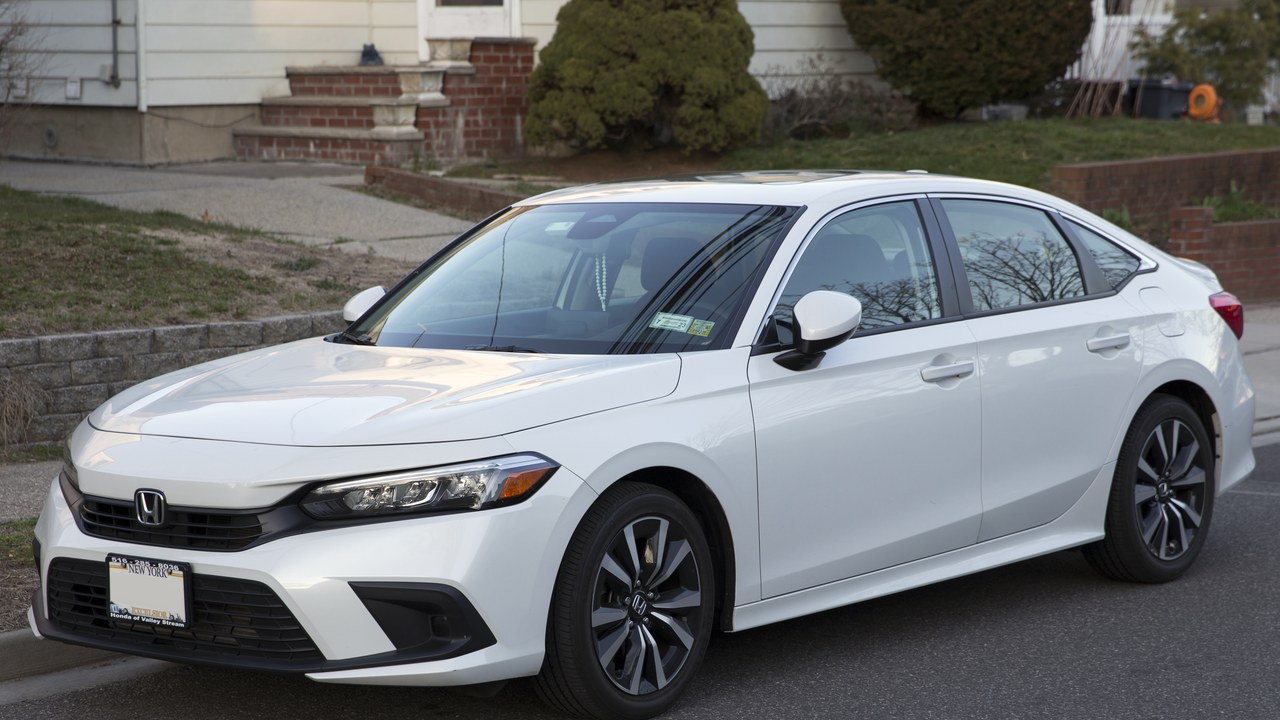
Honda builds its compact around a driver-assistance suite rather than an options list, and the current-generation Civic carries collision-mitigation braking, lane-keeping assist and adaptive cruise control across the range. The Civic’s model lineage stretches back to 1972, which means parts, mechanics and used inventory are abundant in nearly every American market. That combination of mainstream safety hardware and a deep used supply is why it lands on so many first-car shortlists.
Ratings are model-year specific, so a family shopping a five-year-old example should check that exact year rather than assuming a newer car’s result carries backward. Trim matters less than generation here, since the assistance package is not a paid upgrade.
2. Toyota Corolla: Safety Tech Without An Upcharge
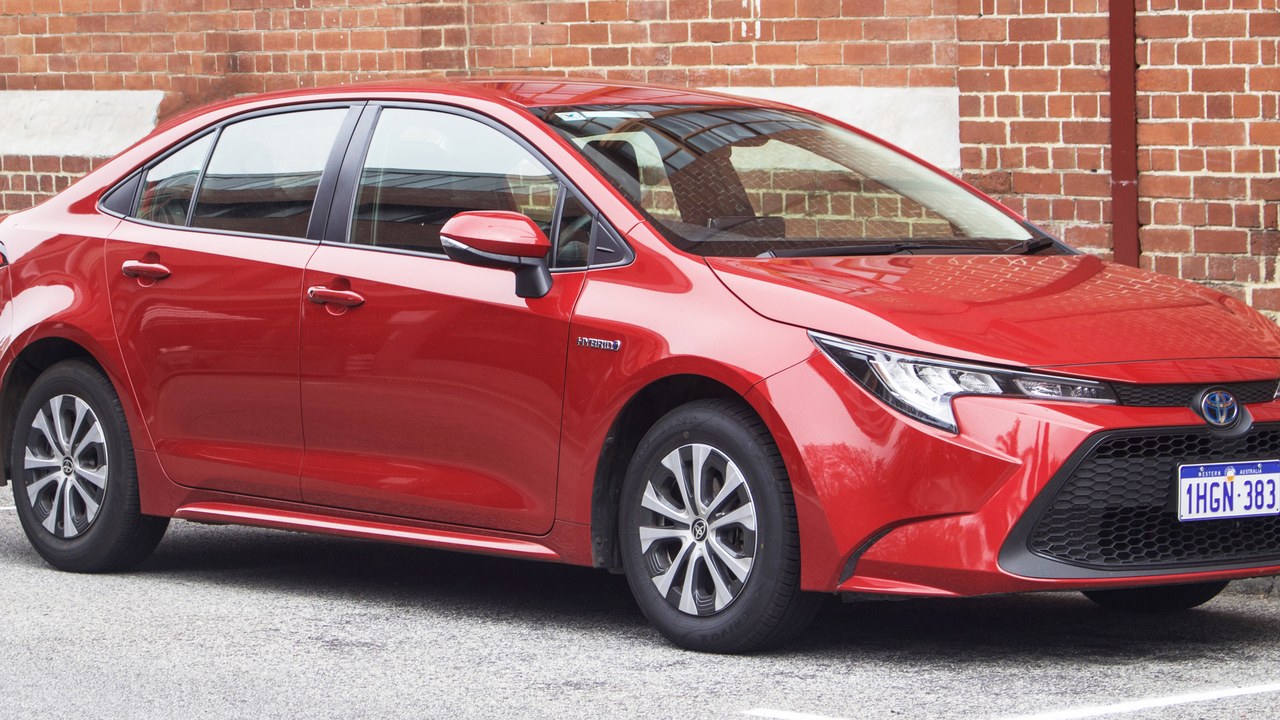
Toyota fits its Safety Sense package as standard equipment on the Corolla, bundling pre-collision braking, lane departure alert and automatic high beams into the base price. Corolla production history runs past five decades and tens of millions of cars, giving the model an unusually large pool of low-mileage used examples. For a teenager’s first car, that supply matters nearly as much as the hardware does.
The caveat is generational. An older Corolla predates the standard-fitment era, and the driver aids that make the recent car attractive are simply absent. Checking the specific year’s equipment list before purchase avoids buying the badge instead of the safety package.
3. Mazda3: Structure Over Sticker Price
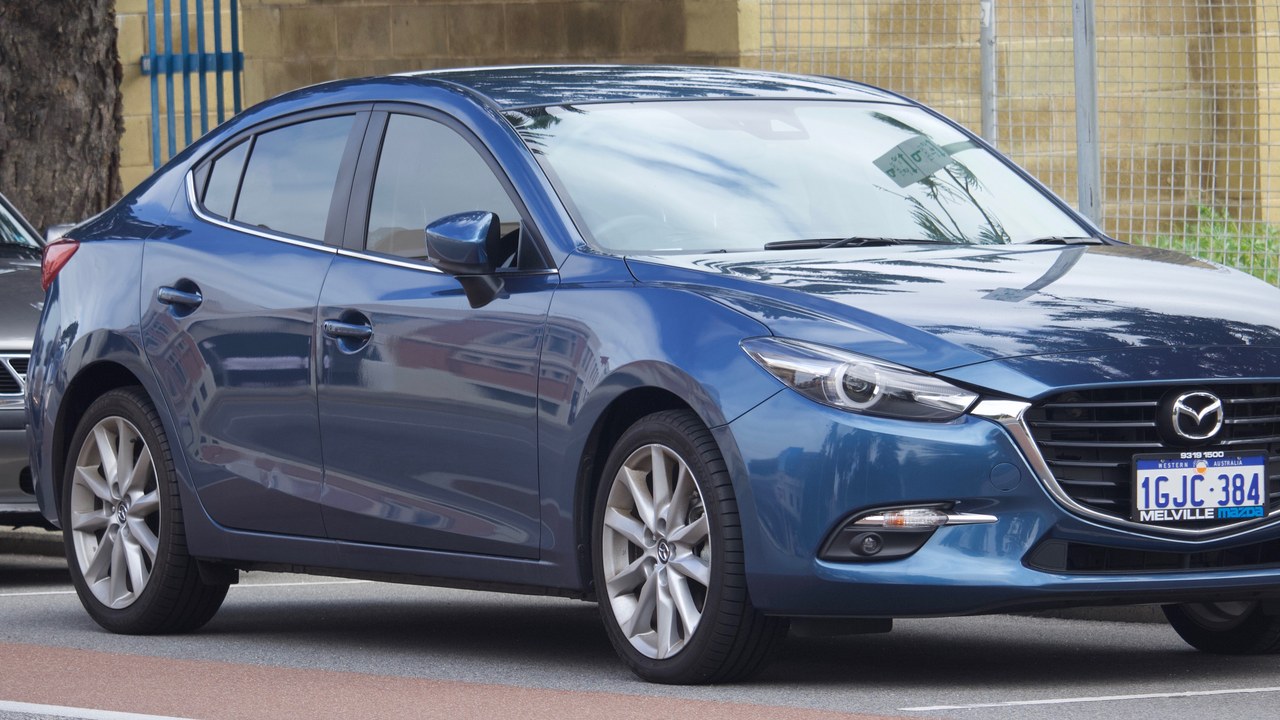
Mazda leans on body structure and standard driver-assistance equipment rather than discounting, and the Mazda3 compact range spans sedan and hatchback bodies built on a shared platform. Recent generations pair a stiff shell with automatic emergency braking, blind-spot monitoring and lane-departure warning on most trims. The car is tuned firmer than several rivals, which some parents read as clearer feedback for an inexperienced driver.
That firmness carries a trade. Rear visibility in the hatchback is tighter than in the sedan, so a test drive from the driver seat matters more than a specification sheet. Equipment still varies by trim and year, and the cheapest car is rarely the one carrying the full assistance set.
4. Subaru Impreza: All-Wheel Drive As The Baseline
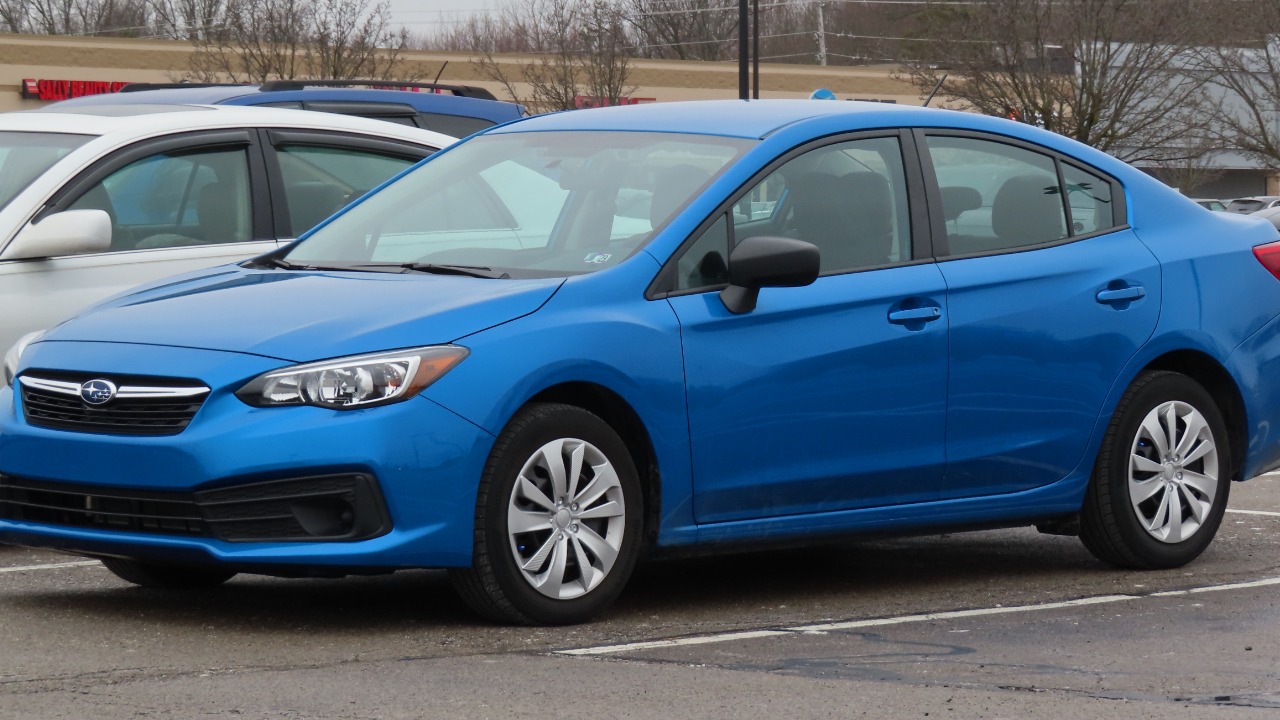
Symmetrical all-wheel drive has been standard on every Subaru Impreza generation sold in the United States, which remains unusual in a class where traction is normally an upcharge. Recent cars pair that hardware with the EyeSight camera system, adding pre-collision braking and lane centering on automatic-transmission models. Families in snow-belt states tend to shortlist the Impreza for the drivetrain before they read a single rating.
All-wheel drive improves grip while accelerating, not while stopping, and a new driver who confuses the two is the real hazard. The system also adds weight and running cost, so fuel economy trails front-drive rivals of the same size.
5. Hyundai Elantra: Budget Sedan, Serious Equipment
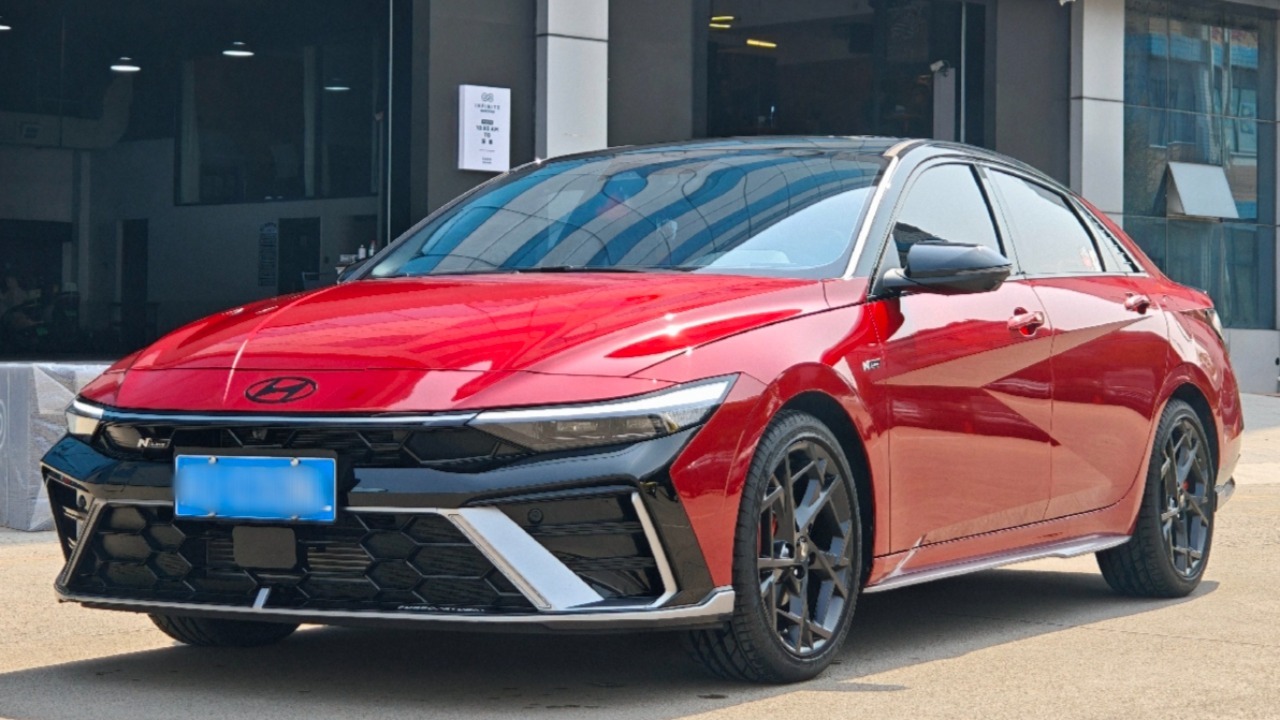
Hyundai has pushed driver-assistance content downmarket faster than most rivals, and the Hyundai Elantra sedan now carries forward collision-avoidance assist, lane-keeping assist and driver-attention warning on entry trims. The sedan undercuts several competitors on price while matching them on the equipment list, and its aggressive styling has kept it visible in a shrinking segment.
Warranty coverage is the detail families most often misread. Hyundai’s long powertrain term belongs to the original buyer, and a used Elantra carries only the shorter remainder. Styling and equipment also shift sharply between generations, so each model year deserves to be judged on its own sheet.
6. Volkswagen Jetta: German Build In A Compact Package
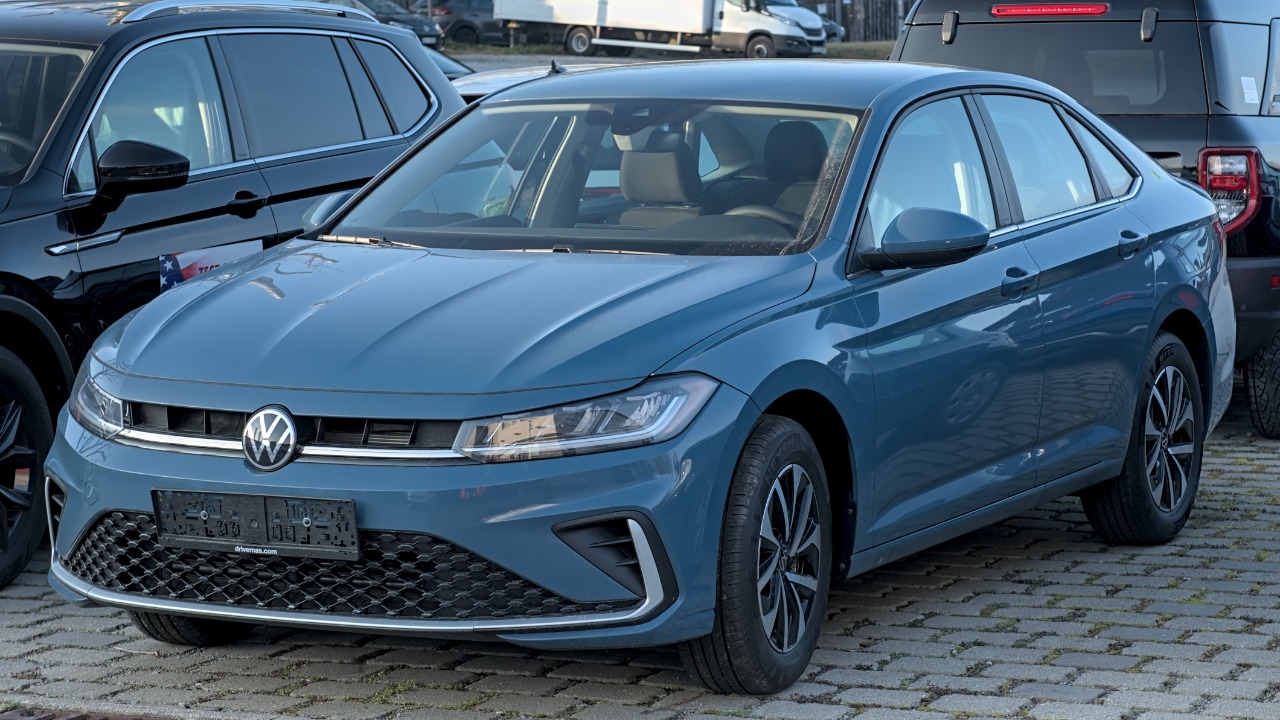
Volkswagen positions the Jetta as the entry point to its American lineup, and the Jetta model line has run continuously since 1979 across several platform generations. Recent cars include forward collision warning with autonomous emergency braking as standard, while blind-spot monitoring and adaptive cruise control now appear lower in the trim ladder than they once did. Rear legroom also beats most of the segment.
Ownership cost is where the Jetta separates from its Japanese and Korean rivals. Parts and labor rates run higher, and a first-time owner absorbing those bills is a genuine budget consideration. The turbocharged engine also rewards disciplined oil service more than a simpler alternative would.
7. Kia Forte: The Affordable Entry Point
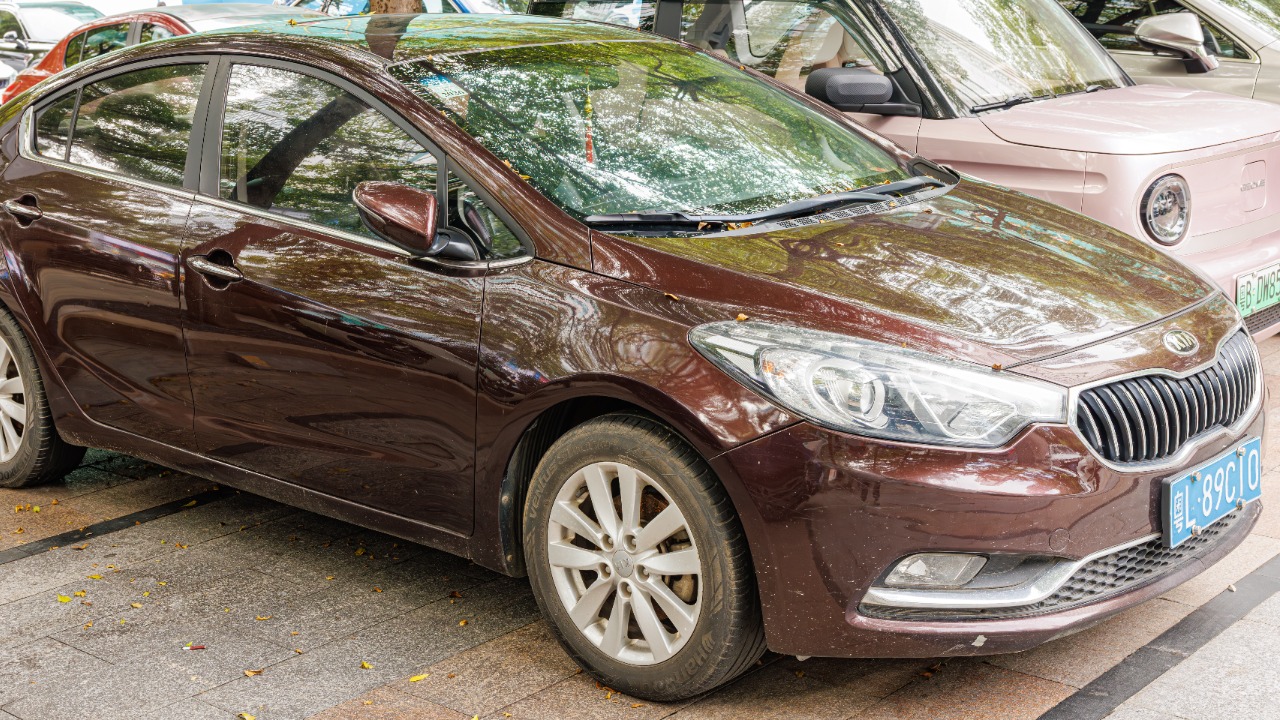
Kia aimed the Forte squarely at first-time buyers, and the Kia Forte compact sat near the bottom of the class on price while carrying forward collision-avoidance assist and lane-keeping assist on later trims. Shared engineering with the Hyundai Elantra means the two draw on the same platform and parts network, which keeps repair estimates predictable at an independent shop.
Depreciation cuts both ways. The weak resale that frustrates a first owner makes a two-year-old example unusually cheap for a family buying used. Assistance content remains trim-dependent, so the lowest-priced listing on a lot is rarely the one with the full package fitted.
8. Nissan Sentra: A Package Aimed At New Drivers
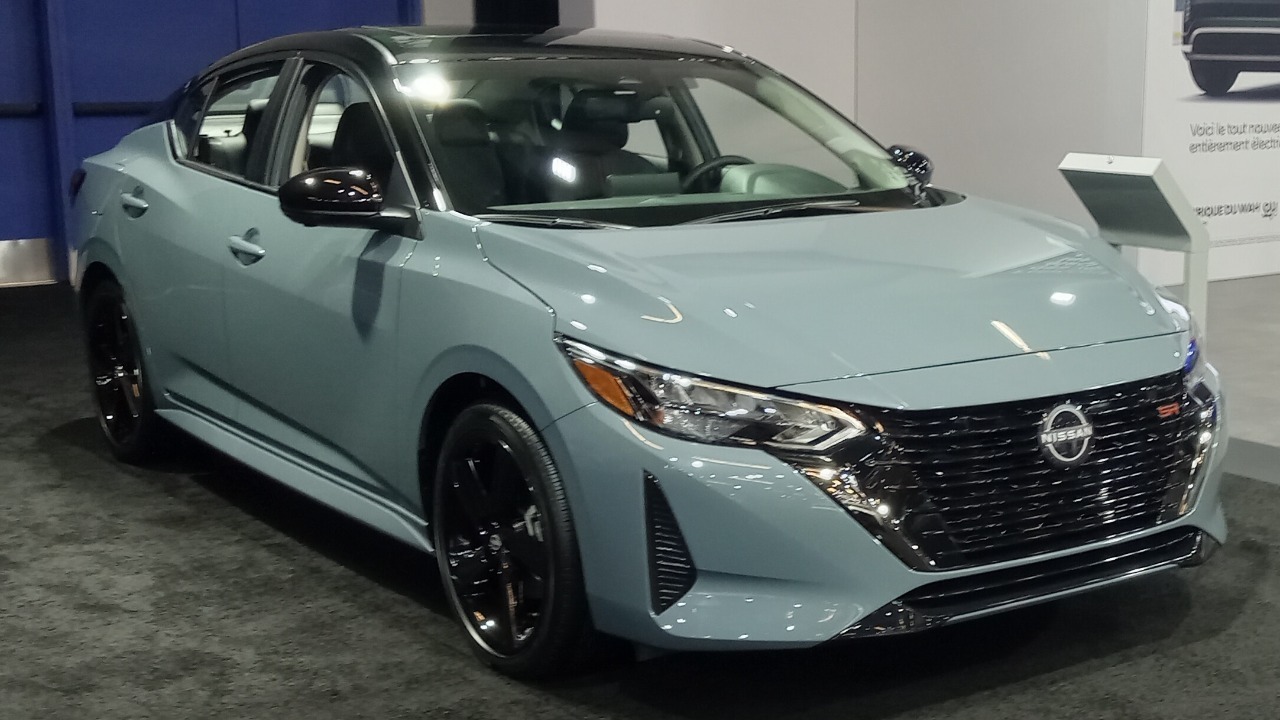
Nissan bundles its Safety Shield 360 set, which combines automatic emergency braking with pedestrian detection, blind-spot warning, rear cross-traffic alert and lane-departure warning, across the Nissan Sentra lineup. The compact sedan has been sold in the United States since the early 1980s and sits below the Altima in the range, which keeps it within reach of a family paying cash for a second car.
The recurring owner complaint concerns the continuously variable transmission rather than the safety content, and its durability record is worth researching by model year. Assistance hardware only protects anyone when it is actually fitted to the specific example on the lot.
9. Honda HR-V: The Small Crossover Option

Not every family wants a sedan, and the Honda HR-V subcompact crossover answers that with a raised seating position and a hatch in place of a trunk. The current car shares its platform and much of its structure with the Civic and carries the same Honda Sensing assistance suite. That higher driving position is the practical draw for a newer driver still learning to judge distance.
It is a crossover rather than a compact car, and the difference shows in behavior. Extra height means more body roll and a longer stopping distance than the sedan it shares parts with, and fuel economy suffers for the same reason.
10. Toyota Camry: A Size Class Up
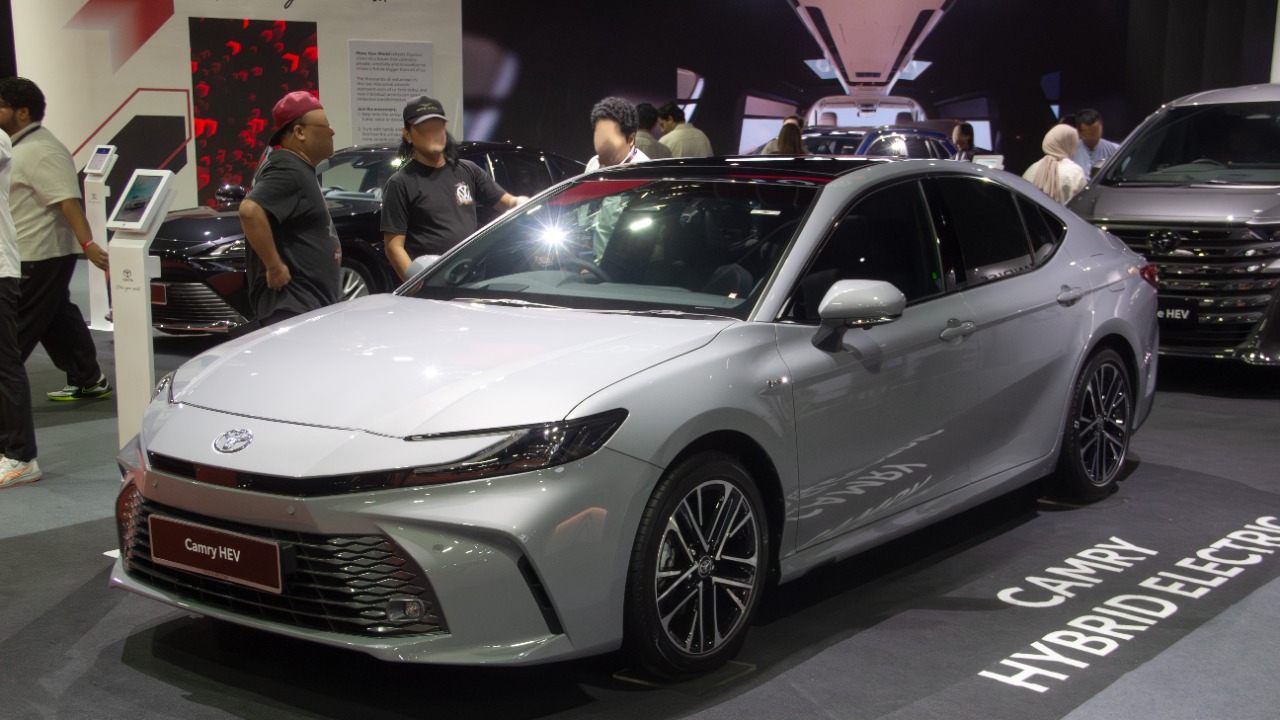
Mass matters when two vehicles collide, and the Toyota Camry midsize sedan puts several hundred additional pounds and a longer front structure between an occupant and an impact than any compact listed here. Toyota fits its Safety Sense package as standard, and decades as one of the best-selling cars in the United States mean clean used examples turn up in every price bracket.
The trade is cost and temptation. A larger sedan burns more fuel, insures higher for a young driver, and its stronger engine options are far more than a novice needs. Families choosing the Camry generally do so for the structure, not the power.
More from Morning Overview
- Card skimmers hidden on gas pumps and ATMs are draining accounts, and here’s the tell
- The FBI says hackers are hijacking outdated home routers, and it named the models to check
- Older Teslas are wearing out in ways early owners never saw coming
- A common childhood virus is now tied to multiple sclerosis years later
