
Not every fuel-efficient car needs a battery pack to post strong mileage numbers. A handful of gas-only sedans, hatchbacks, and compacts still lean on light curb weight, small-displacement engines, and tall gearing to stretch every gallon, matching or beating some hybrids without the added complexity. Here are ten cars that skip hybrid tech and still deliver efficient EPA-rated mileage.
1. Mitsubishi Mirage: The Featherweight Fuel Sipper
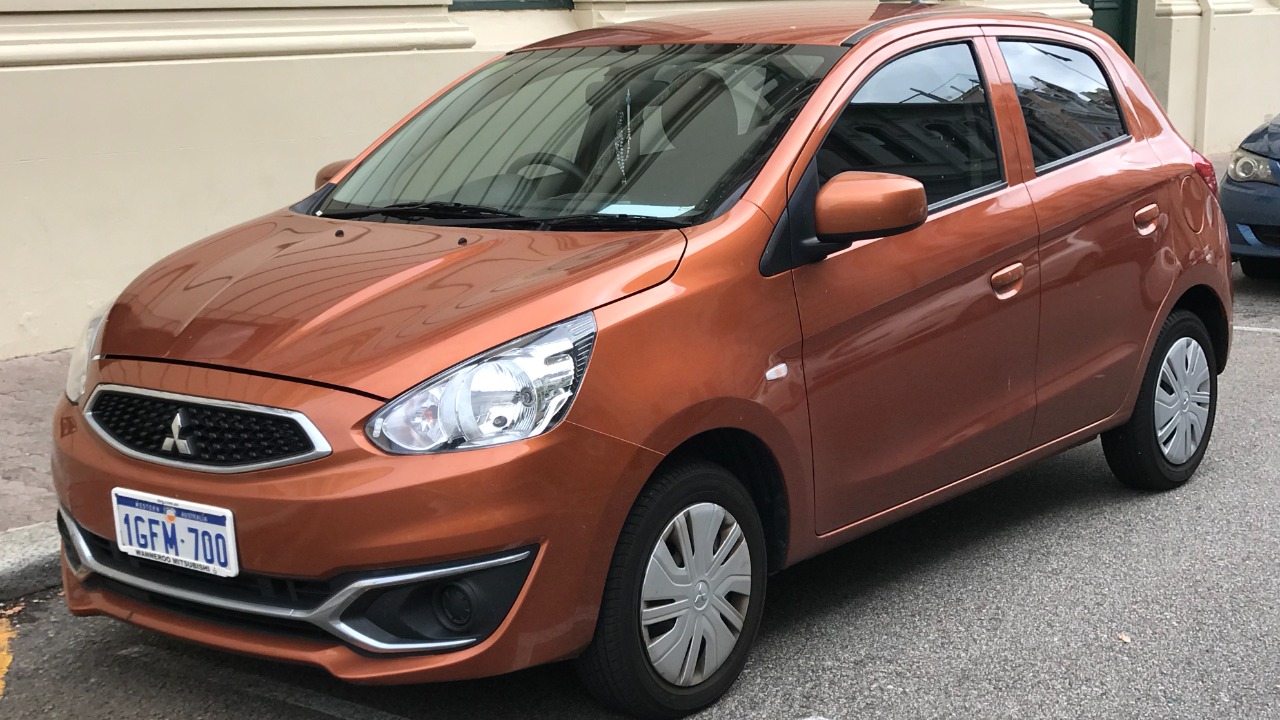
The Mirage pairs a 1.2-liter three-cylinder engine with a CVT and one of the lightest curb weights sold in the United States market, letting a small engine hold speed without working hard. At roughly 2,100 pounds, it carries less mass than nearly any other new car sold domestically.
Skipping hybrid hardware keeps the Mirage’s price and service costs low, since there is no battery pack or electric motor to maintain. EPA rates it among the most fuel-efficient gas-only cars sold in the U.S., putting its highway mileage within reach of several hybrid competitors.
2. Nissan Versa: Cheap Metal, Cheap Fill-Ups
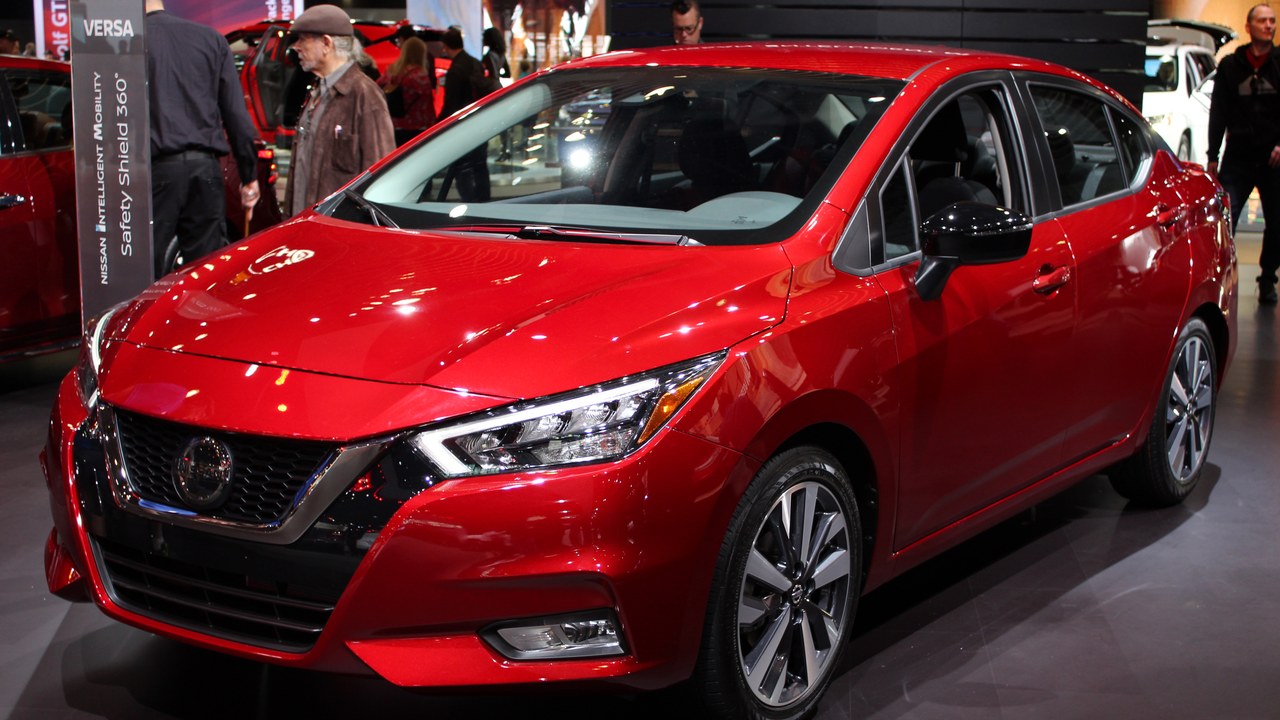
The Versa relies on a 1.6-liter four-cylinder engine and a CVT rather than any electrified assist, using tall final-drive gearing and a low curb weight to keep the engine turning slowly at highway speed. As Nissan’s smallest and lightest sedan in its lineup, it carries less weight for the engine to move than nearly every compact rival.
That simplicity keeps both purchase price and mileage low-effort: no battery, no motor, and EPA combined and highway ratings that sit near the top of the non-hybrid subcompact class. For budget-minded buyers who don’t want hybrid service costs, the Versa delivers efficiency without a plug-in charger or a specialty mechanic.
3. Hyundai Elantra: Highway Numbers Without a Battery
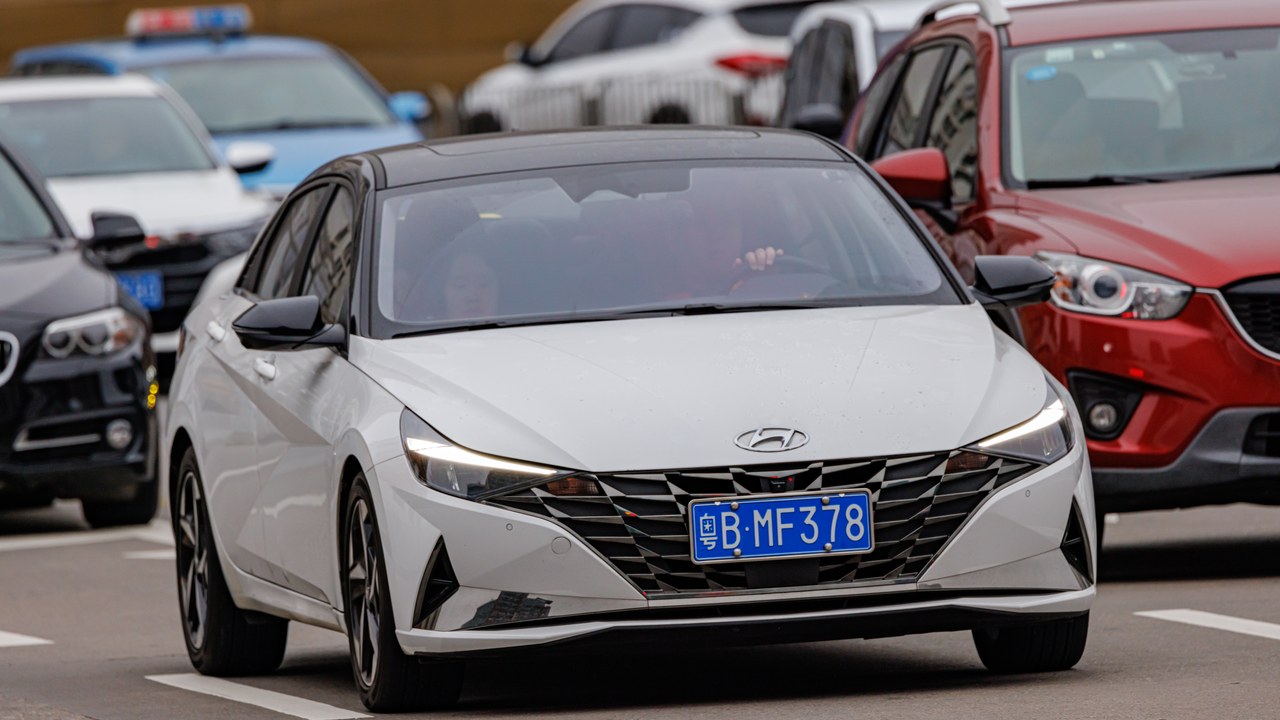
The gas-only Elantra runs a 2.0-liter four-cylinder paired with a continuously variable transmission tuned for smooth, low-rpm cruising, a setup Hyundai carried into its latest seventh-generation redesign. Aerodynamic bodywork and a light unibody structure help the base engine return EPA highway figures that edge close to compact hybrids.
Buyers who skip the Elantra Hybrid still get a car that stretches a tank of gas further than most midsize sedans, without the added weight or price of a battery pack. It’s a case where efficient packaging, not electrification, does most of the work.
4. Kia Rio: A Small Car Built to Sip

Kia builds the Rio around a 1.6-liter four-cylinder and an IVT transmission, keeping curb weight under 2,700 pounds so the small engine rarely has to work hard. Its subcompact platform shares efficiency-minded gearing with other light Kia models, favoring relaxed highway cruising over quick acceleration.
With no hybrid components to add cost or weight, the Rio stays inexpensive to buy and simple to maintain while still posting EPA combined mileage competitive with cars carrying a battery pack. For a shopper prioritizing low running costs over gadgets, that trade-off is the whole appeal.
5. Honda Civic: Gas Engines That Rival Hybrids
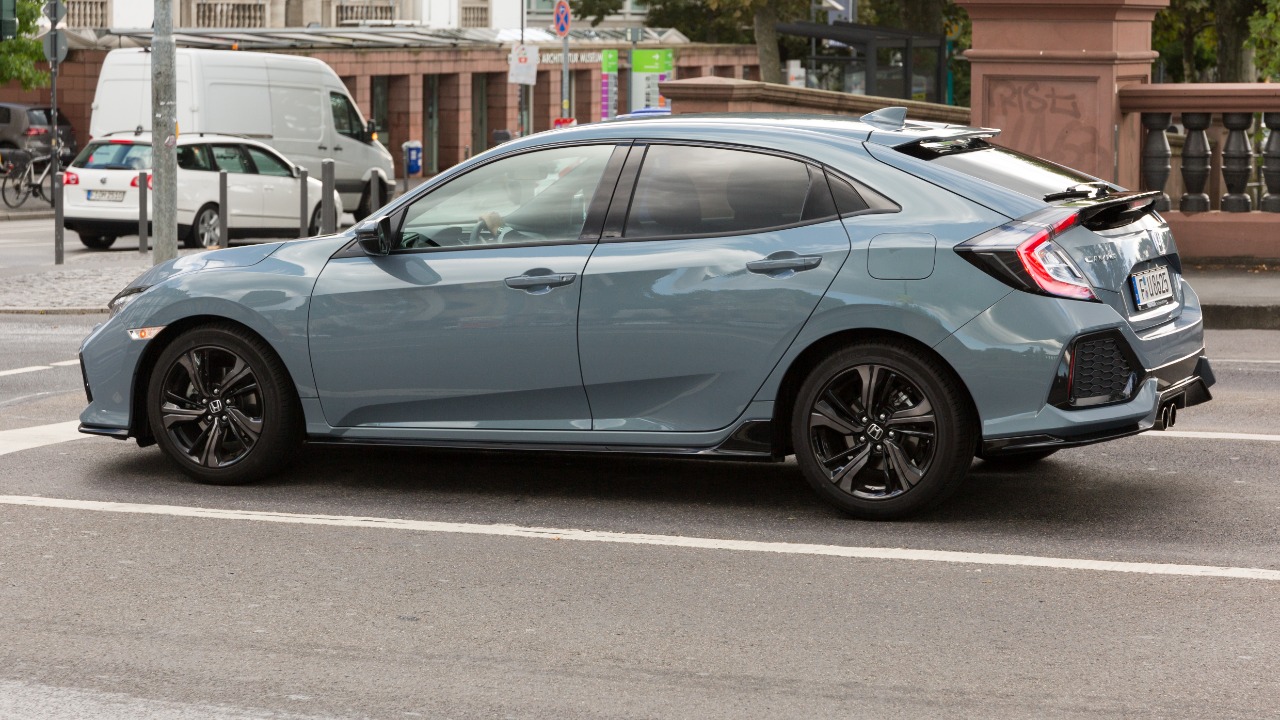
Honda tunes the non-hybrid Civic’s four-cylinder engines and CVT for efficiency first, using a lightweight platform and low aerodynamic drag to keep highway EPA numbers close to some hybrid competitors. The current-generation Civic carries less mass than many compact rivals despite its roomier cabin.
That efficiency without electrification means Civic buyers skip battery replacement worries and higher hybrid trim prices while still landing strong EPA combined figures. It’s one of the clearest examples of a conventional gas engine closing the gap hybrids are usually built to cover.
6. Toyota Corolla: A Long-Running Gas-Only Benchmark
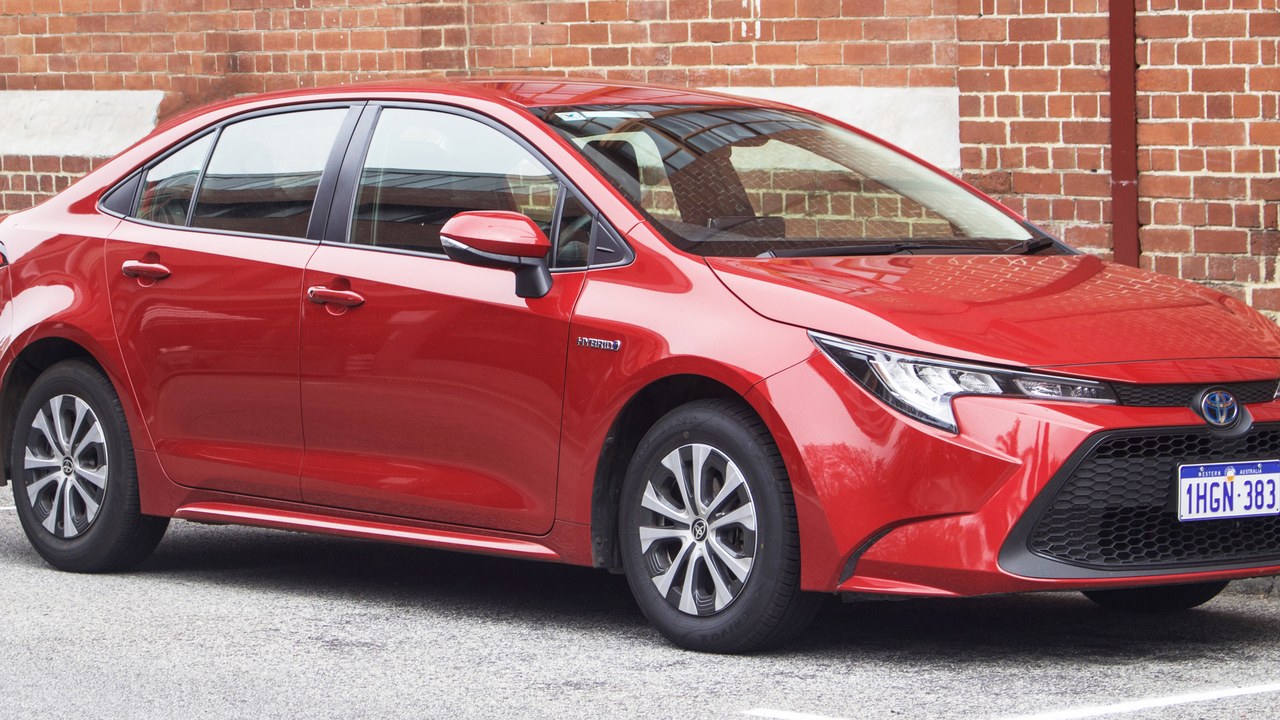
The standard Corolla’s 2.0-liter Dynamic Force engine and CVT are tuned specifically for fuel economy, using high thermal efficiency and tall simulated gearing to stretch highway mileage. Toyota’s compact sedan has spent decades building a reputation as an efficient, low-maintenance gas car.
Skipping the Corolla Hybrid keeps upfront cost lower while EPA still credits the gas engine with mileage many midsize hybrids would envy. For drivers wary of hybrid battery longevity, the standard Corolla offers a familiar, well-proven way to keep fuel bills down.
7. Chevrolet Malibu: A Midsize Sedan That Outruns Its Size
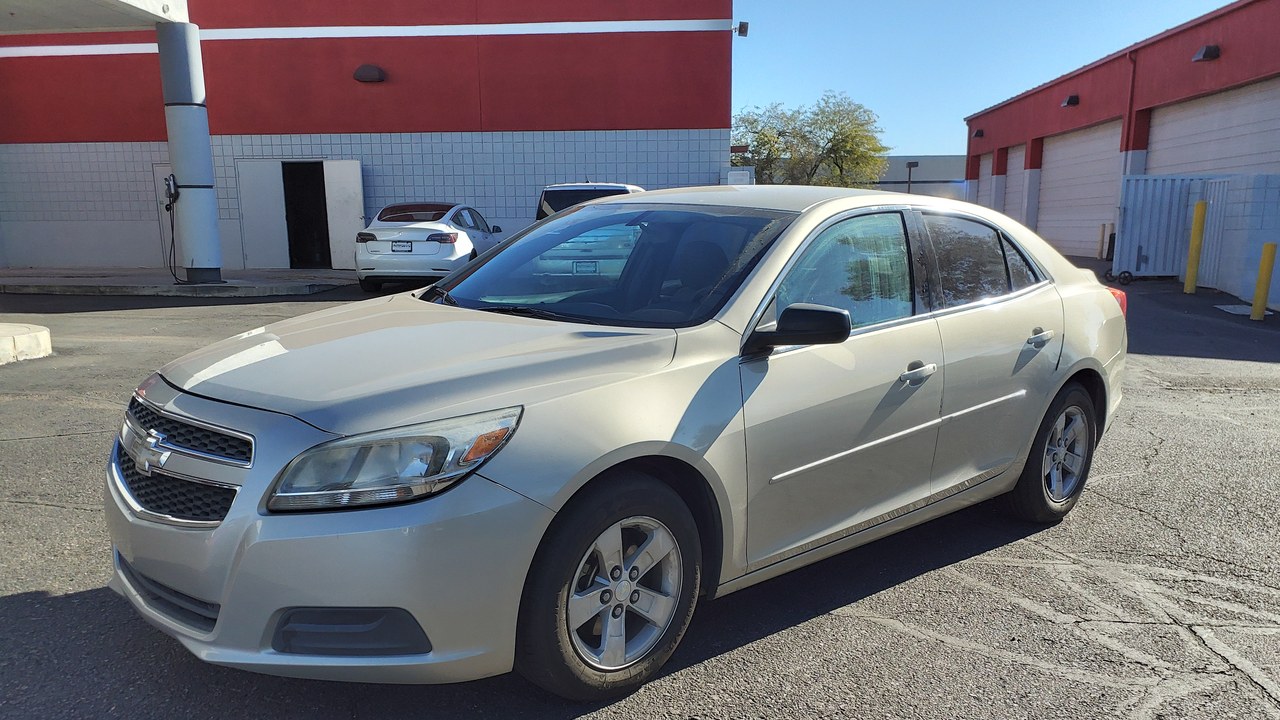
The Malibu’s turbocharged 1.5-liter four-cylinder and CVT are built to keep the engine in its efficient rev range at cruising speed, letting a midsize sedan post mileage closer to compact-car territory. Chevrolet’s four-door pairs that small-displacement engine with aerodynamic styling to cut highway drag.
Without any electrified hardware, the Malibu keeps service simple and upfront cost lower than a hybrid midsize rival, while still delivering EPA highway numbers that outperform many larger sedans. It’s proof that turbocharged downsizing can substitute for a battery pack on the highway.
8. Hyundai Sonata: Efficient Enough to Skip the Plug
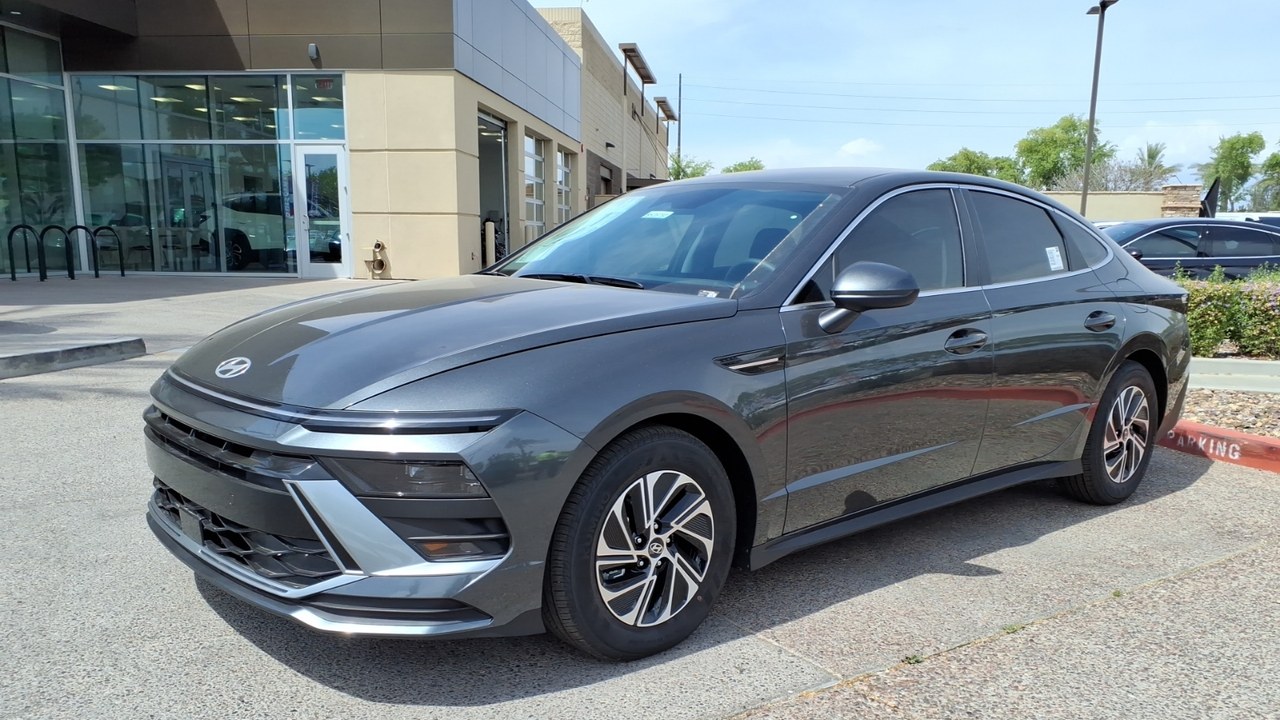
The gas Sonata runs a 2.5-liter four-cylinder through an eight-speed automatic, using Hyundai’s Smartstream engine tuning to keep fuel consumption down without any electric assist. Hyundai’s midsize sedan also leans on a slippery body shape to hold highway EPA numbers competitive with segment hybrids.
Choosing the non-hybrid Sonata trades a small mileage gap for a simpler drivetrain, lower purchase price, and no battery pack to eventually replace. For high-mileage commuters who value low upfront cost, that gap can be worth accepting.
9. Mazda3: Skyactiv Engineering Over Electrification
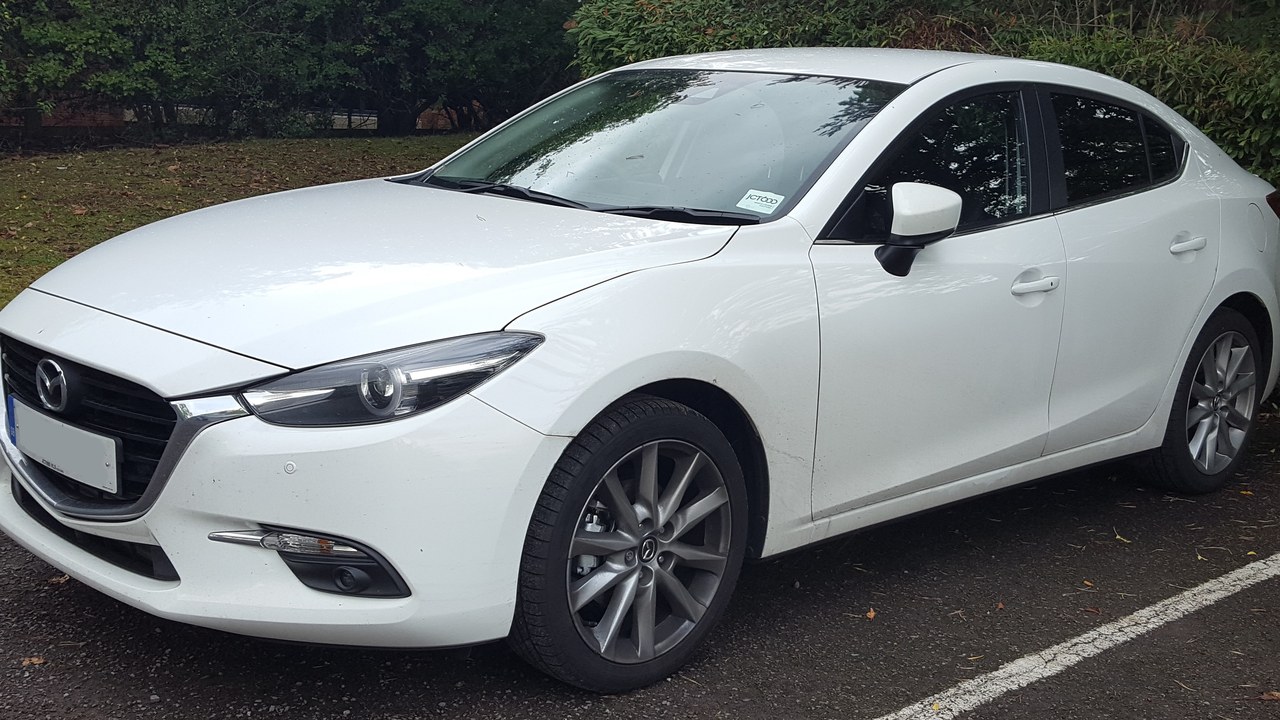
Mazda’s Skyactiv-G 2.5-liter engine uses an unusually high compression ratio and reduced internal friction to extract more mileage from every gallon of regular gasoline without any hybrid assistance. The Mazda3’s lightweight chassis and low-drag bodywork add further gains on top of what the engine alone provides.
That engineering-first approach lets the Mazda3 post EPA highway figures that rival some hybrid compacts while keeping the car mechanically simpler and noticeably cheaper to service over time. Buyers get near-hybrid efficiency without ever plugging in a cable or servicing a high-voltage battery pack.
10. Kia Forte: Low Fuel Bills, No Battery Required
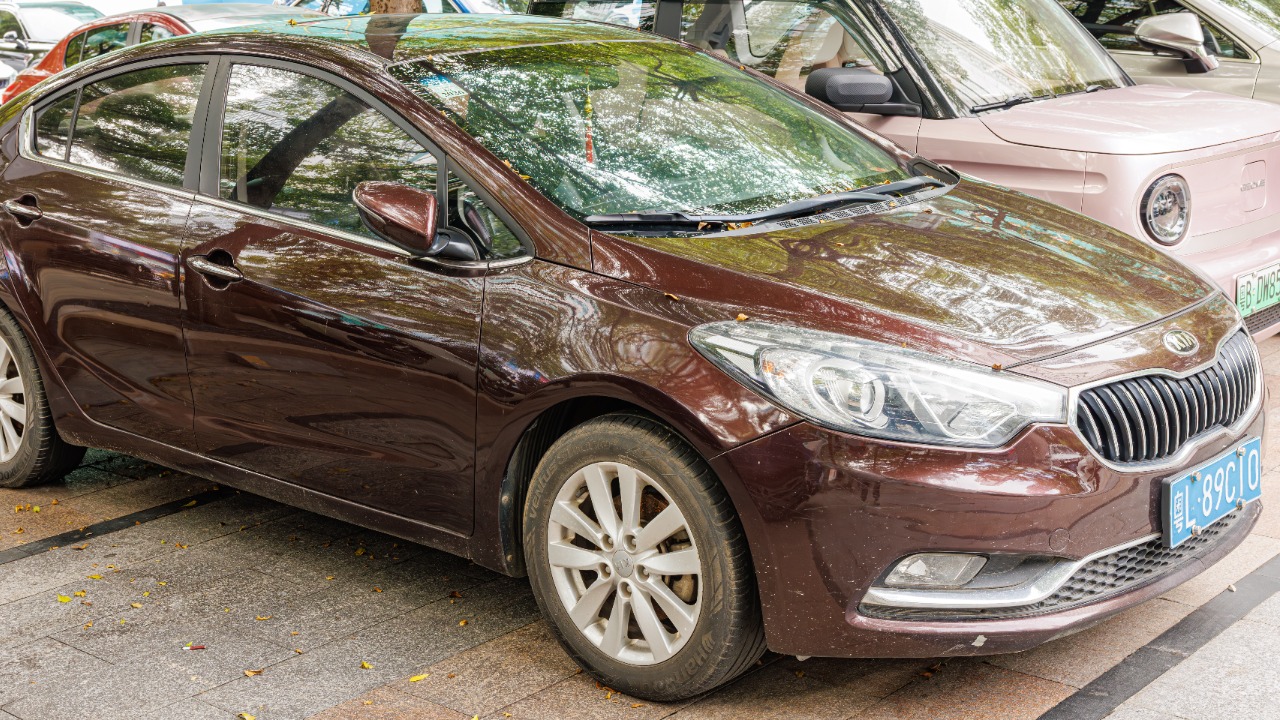
The Forte’s 2.0-liter four-cylinder and continuously variable transmission are calibrated for relaxed, low-rpm cruising, and its compact footprint keeps curb weight down. Kia’s compact sedan uses that light weight and tall gearing to post EPA highway numbers ahead of many small SUVs and sedans in its class.
With no hybrid components, the Forte keeps both sticker price and long-term maintenance low while still delivering efficient mileage for daily commuting. It’s a straightforward option for buyers who want fuel savings without the added complexity of electrification.
More from Morning Overview
- 12 most reliable SUVs you can buy for 2026
- Hunters pulled a 19-foot python from the Everglades at 1 a.m., the longest ever recorded in Florida
- Ancient DNA suggests Neanderthals and humans mixed for reasons that had nothing to do with attraction.
- Rare footage shows an orca tearing open a whale shark to feast on its liver
