
For a few golden decades, sports cars hid their headlights behind sleek, folding panels that snapped upright only after dark. The pop-up lamp was equal parts engineering trick and theater, letting designers draw low, clean noses that cut through the air and turned heads. These ten machines show how thoroughly that vanishing feature came to define an era.
1. Mazda MX-5 (NA): The Roadster That Winked
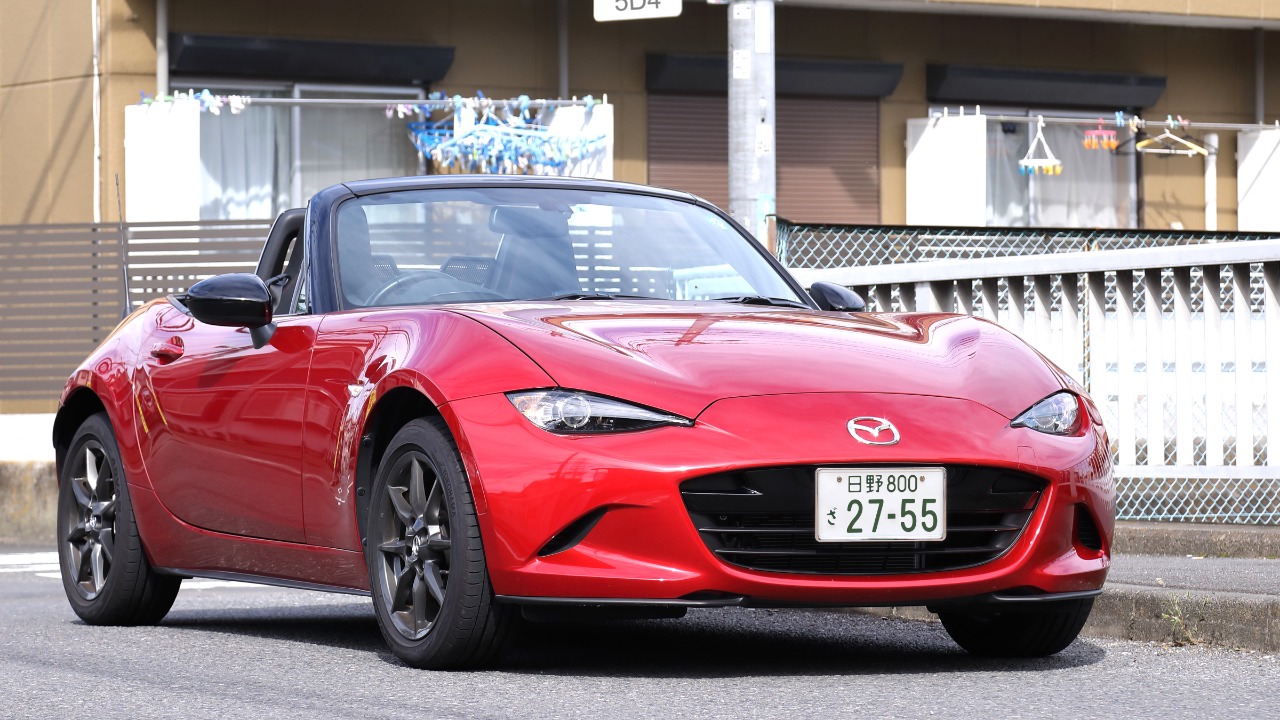
When Mazda revived the affordable roadster in 1989, its first-generation MX-5 arrived with round lamps that folded flush into a smooth hood. Flicking the switch lifted them into a wide-eyed grin that quickly became the car’s signature face. Enthusiasts still hold up the original Miata as the friendliest example of the pop-up era.
Those hidden lamps let designers keep the nose low, aiding both aerodynamics and the roadster’s cheerful proportions. Tightening pedestrian-safety rules eventually retired the mechanism across the industry, which is part of why the NA generation still carries so much nostalgic weight among collectors today.
2. Mazda RX-7 (FC): Rotary Power, Hidden Eyes
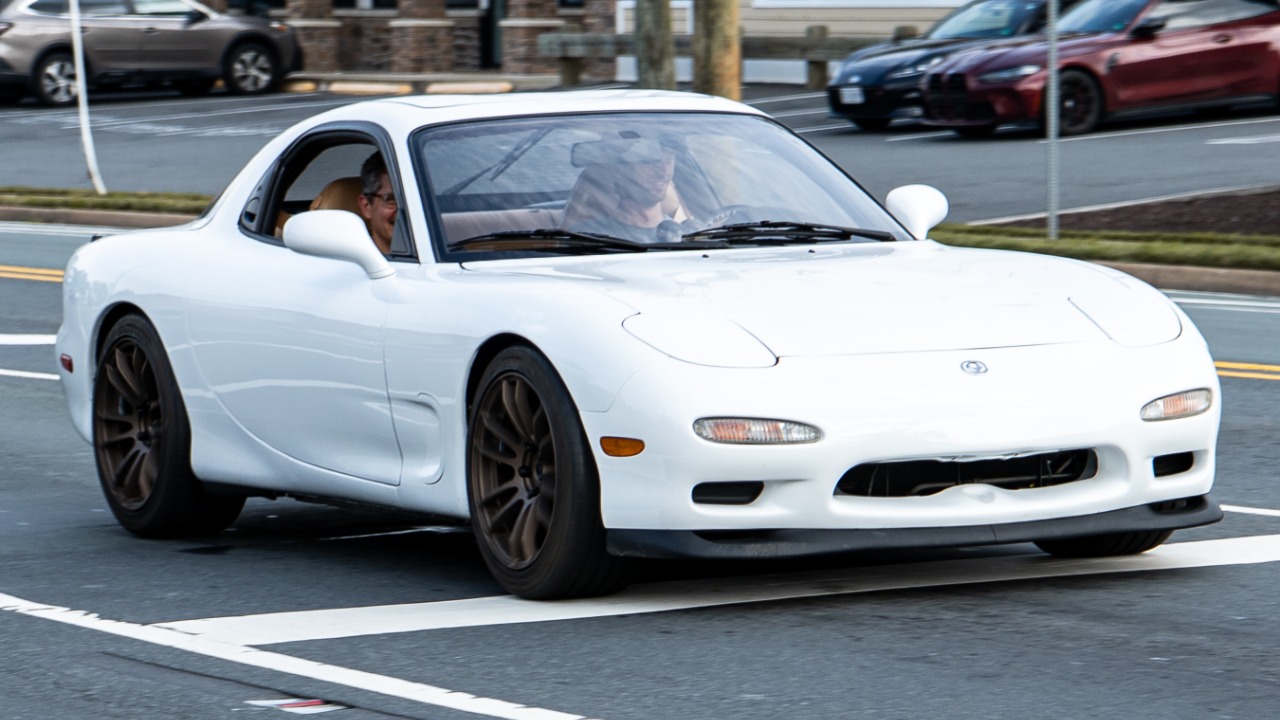
Mazda’s second-generation RX-7 wrapped its unusual rotary engine in bodywork that leaned hard into the late-1980s wedge aesthetic. Its round headlamps stayed tucked beneath the front fenders until a driver flicked the switch, keeping the nose clean and purposeful. Fans of the rotary-powered RX-7 prized that sculpted profile.
The FC blended pop-up lamps with a low cowl and a balanced chassis, cementing its reputation as an affordable enthusiast favorite. Because the smooth Wankel spun so freely, the hidden-lamp face gave the car a quiet, almost stealthy look that suited its character.
3. Honda NSX (NA1): The Everyday Supercar
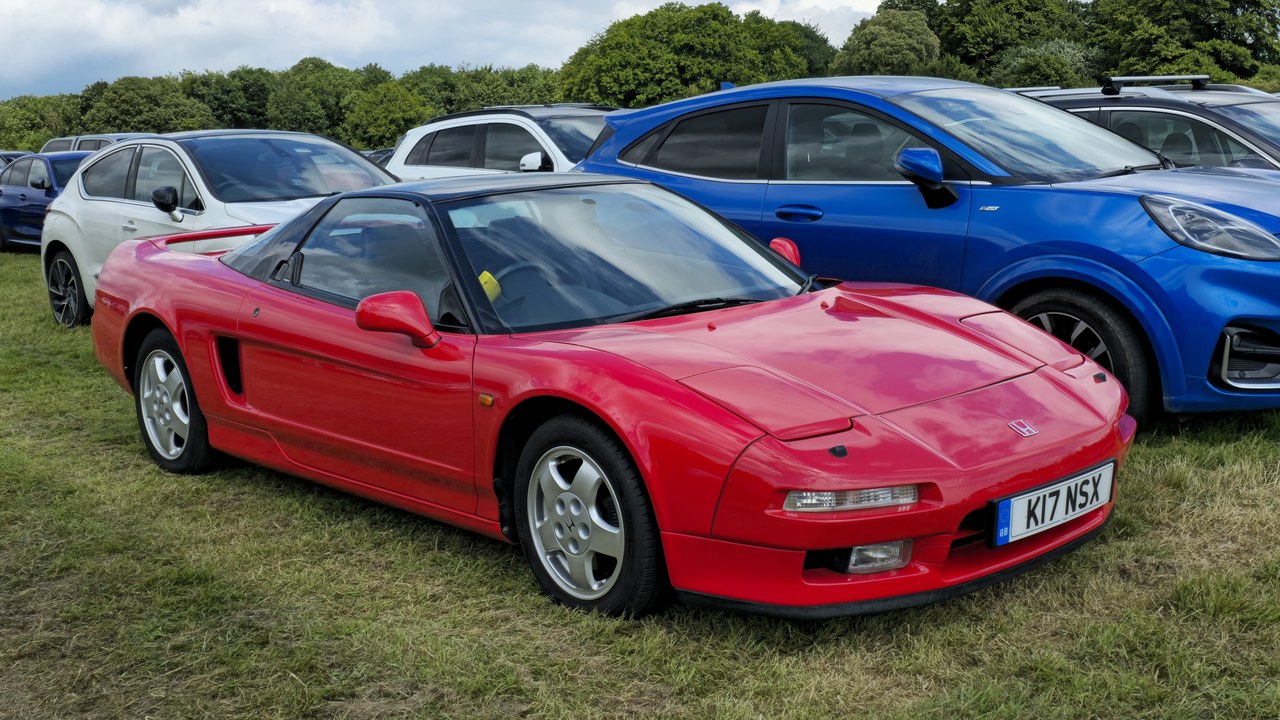
Honda stunned rivals in 1990 by building a mid-engine supercar that anyone could drive daily, and its earliest cars wore pop-up headlights that framed a low, aluminum nose. Those folding lamps gave the first-generation NSX a clean, exotic face without the fragility that plagued costlier machines.
Honda later replaced the pop-ups with fixed projector lamps during a mid-life refresh, a change that split opinion among devotees. For many, the raised-lamp early cars remain the purest expression of a supercar engineered with the reliability and daily usability of an ordinary Honda.
4. Chevrolet Corvette (C4): America Keeps The Faith
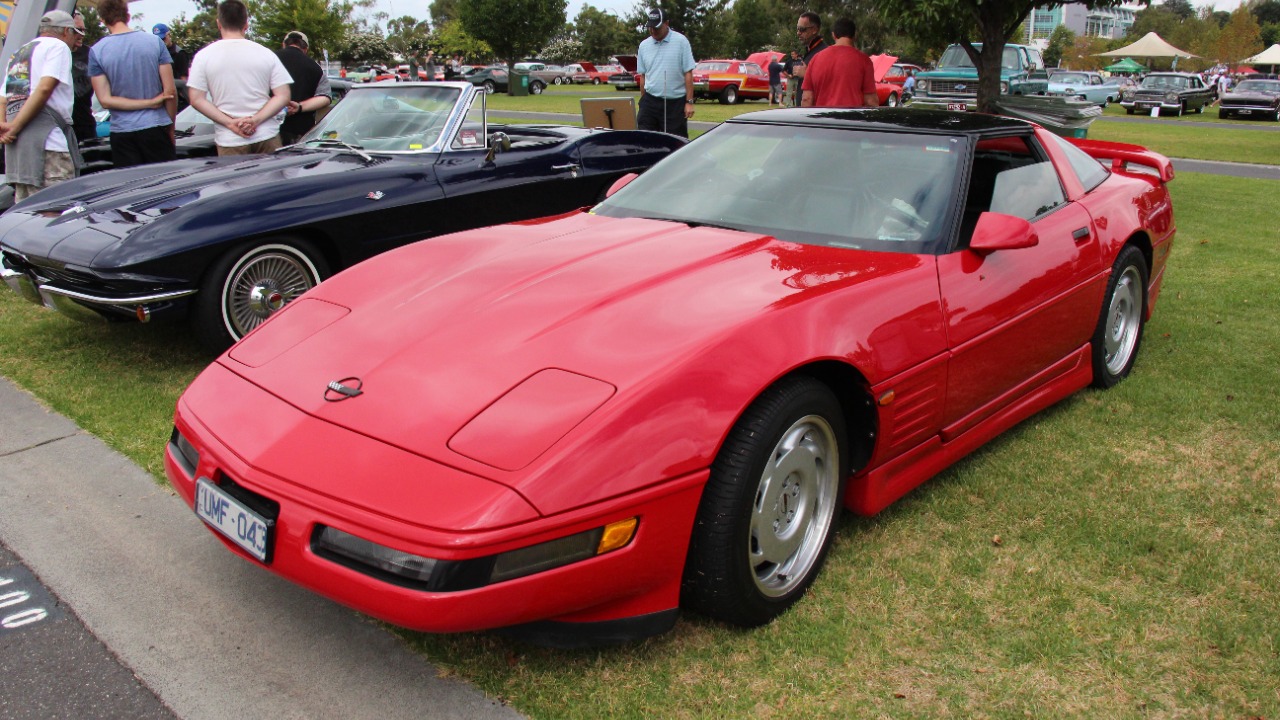
Chevrolet’s fourth-generation Corvette carried hidden headlights well into the 1990s, long after many rivals had moved on. The lamps sat flush in a broad, wedge-shaped nose and rotated up on command, preserving a smooth front that suited the car’s aggressive stance. The fourth-generation Corvette made pop-ups feel distinctly American.
The C4 paired that clean face with a digital dashboard and a stiff, modern chassis that dragged the nameplate into a new decade. When the mechanism finally disappeared on later Corvettes, it marked the closing of a long styling chapter for Chevrolet’s flagship sports car.
5. Toyota Supra (A70): Turbo Muscle, Retractable Lamps
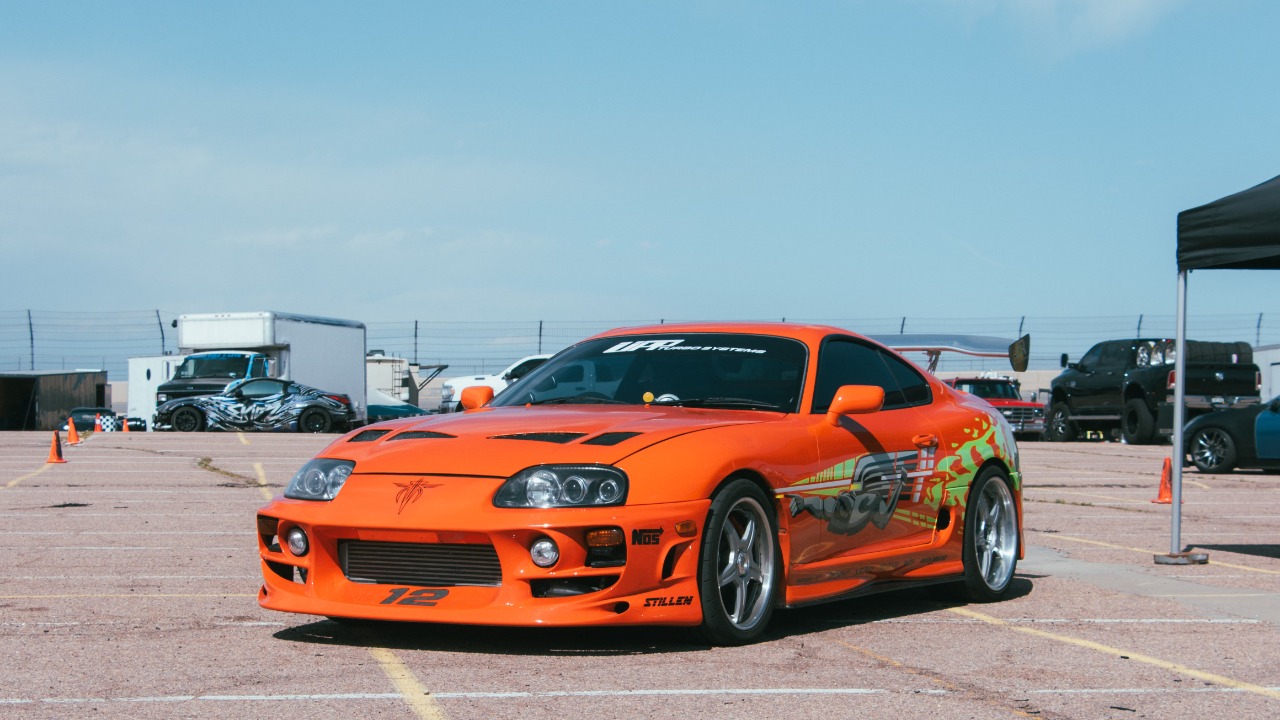
Toyota’s third-generation Supra stepped out as its own model in the late 1980s, trading badge-engineered roots for a muscular grand-tourer identity. Its pop-up headlights rose from a squared-off nose that looked unmistakably of its decade, and the turbocharged versions earned a devoted following. The third-generation Supra wore those lamps proudly.
The A70 leaned toward comfort and straight-line pace rather than featherweight agility, and its hidden lamps reinforced that big-coupe attitude. When the sleeker successor arrived with fixed lights, the raised-lamp Supra became a time capsule of turbocharged, pop-up-era Japanese engineering that fans still chase.
6. Nissan 300ZX: The Wedge Z Grows Up
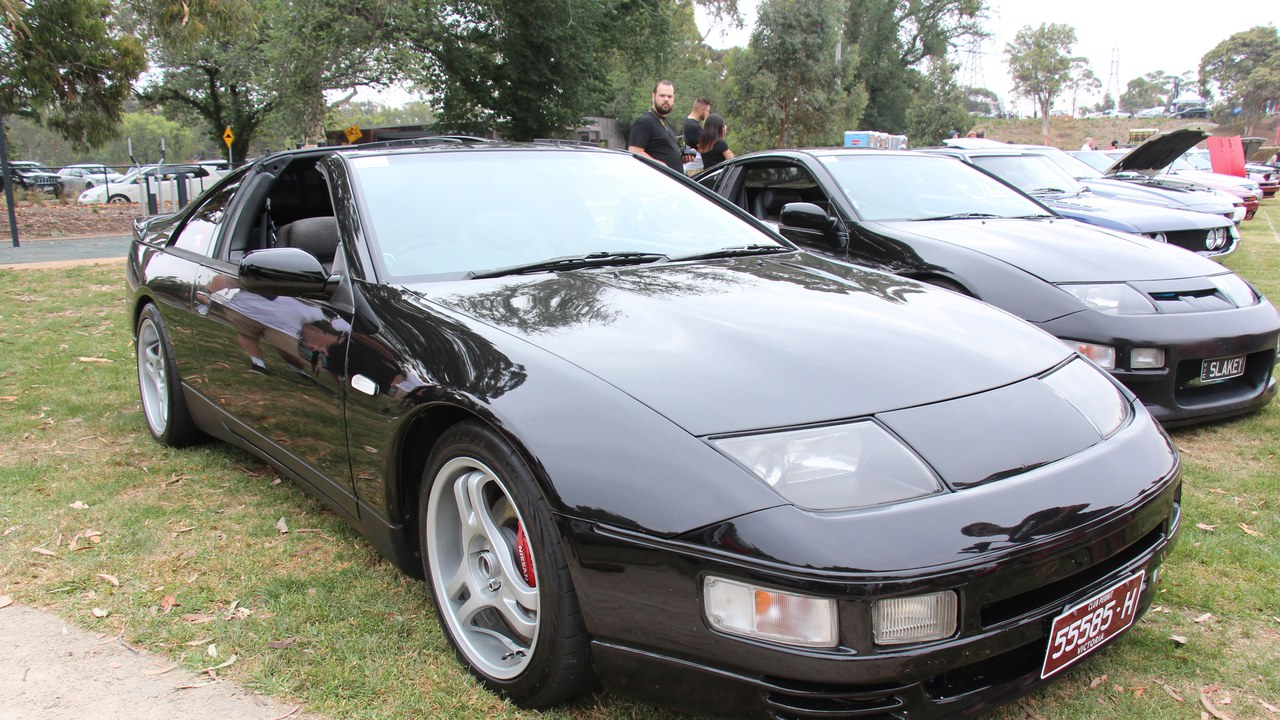
Nissan’s early 300ZX carried the Z-car lineage into the pop-up age with semi-recessed lamps that lifted from a sharp, wedge-shaped nose. The design gave the coupe a purposeful, low-slung face that matched its turbocharged ambitions and grand-touring comfort. The early Z-car’s lamps defined its profile.
The 300ZX balanced sports-car handling with luxury touches, positioning it as a more mature machine than its lightweight ancestors. Later versions of the model swapped the folding lamps for fixed units, a shift that mirrored the industry’s steady retreat from the pop-up headlight.
7. Lamborghini Countach: The Poster On Every Wall
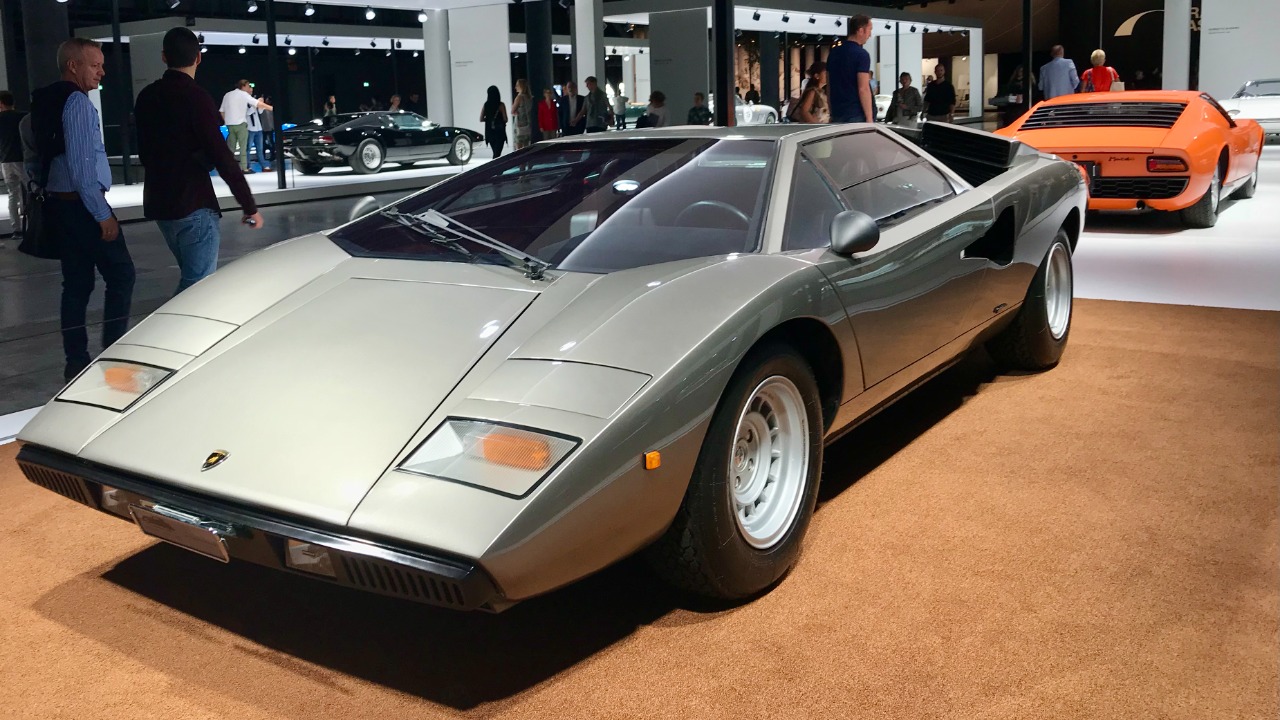
Few cars sold as many bedroom posters as the Lamborghini Countach, whose razor-sharp wedge seemed to arrive from another planet. Its rectangular headlights folded down flush with the wing-like nose, snapping skyward to complete the outrageous silhouette. The wedge-shaped Countach made pop-ups feel genuinely exotic.
Scissor doors, huge rear wings, and impossible sightlines made the Countach a spectacle first and a practical machine a distant second. The retractable lamps were the final flourish on a shape that came to symbolize the excess and ambition of 1980s supercar design.
8. Ferrari Testarossa: Strakes And Folding Lights
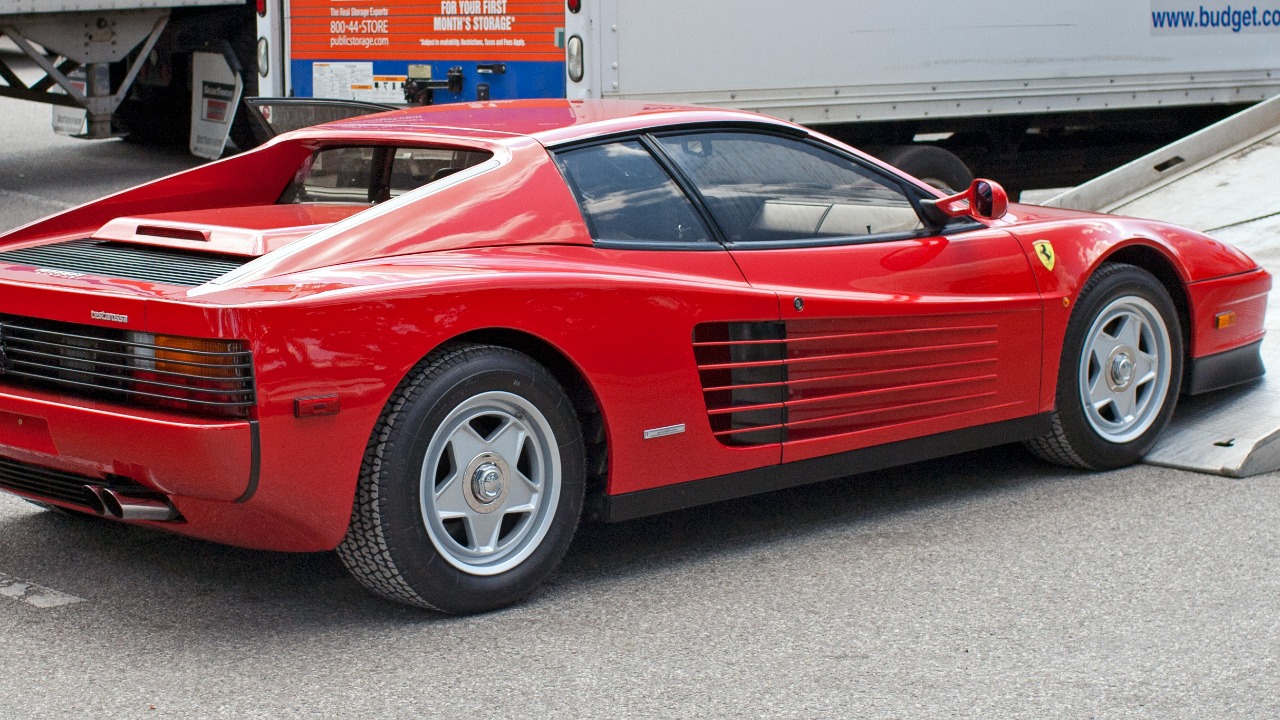
Ferrari’s Testarossa became a defining image of the 1980s, from its wide hips to the bold side strakes that fed air to rear-mounted radiators. Up front, pop-up headlights kept the nose flat and dramatic when the lamps were stowed. The flat-nosed Testarossa leaned on that hidden-lamp look.
The combination of folding lights and those unmistakable strakes made the Testarossa instantly recognizable, on screen and on the street. As Ferrari moved toward exposed lamps in the following decade, the Testarossa stood as a monument to a bolder, more theatrical styling language.
9. Porsche 944: Fenders That Flip Up
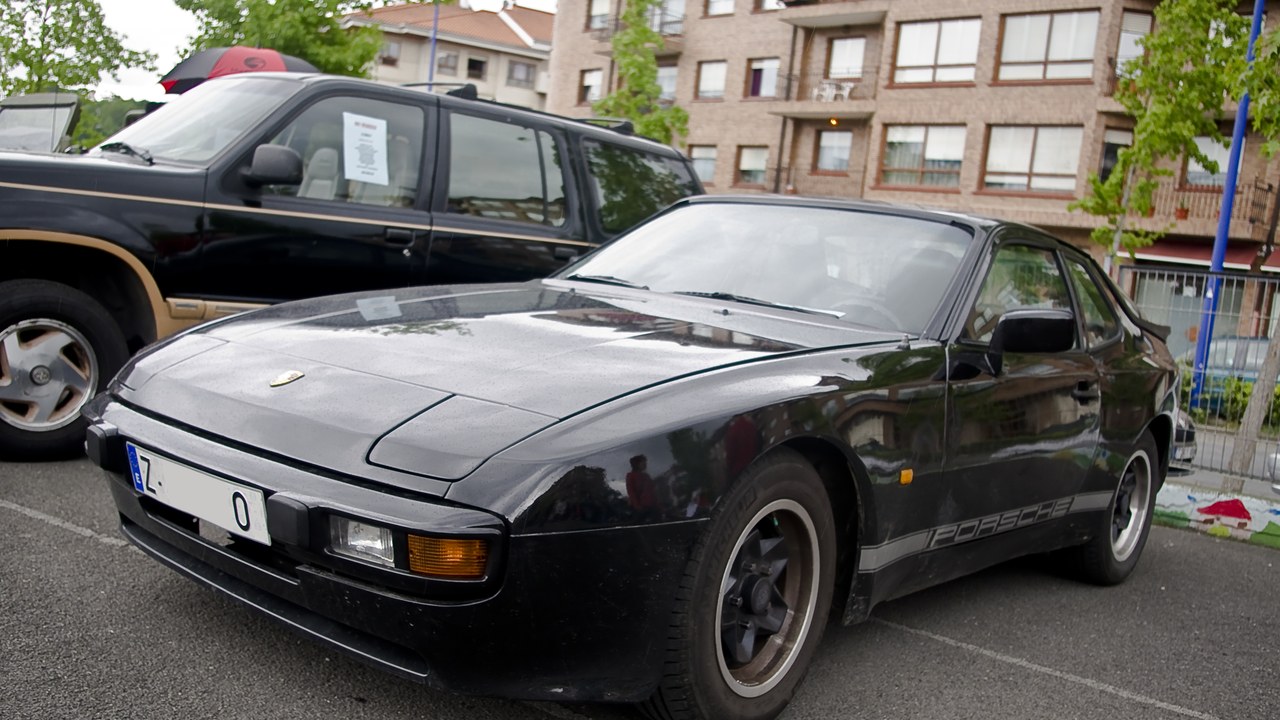
Porsche’s front-engine 944 spread its weight cleverly between the axles and wore round headlights that lifted straight out of its muscular front fenders. The pop-up arrangement preserved a smooth, purposeful nose while nodding to the brand’s familial styling. The fender-mounted lamps gave the 944 real character.
Praised for balance and everyday usability, the 944 offered a more attainable route into the Porsche world than the rear-engine flagship. Its folding fender lamps became a defining detail of the transaxle cars, marking a distinctive era before fixed lights took over the lineup.
10. Lotus Esprit: Origami On Four Wheels
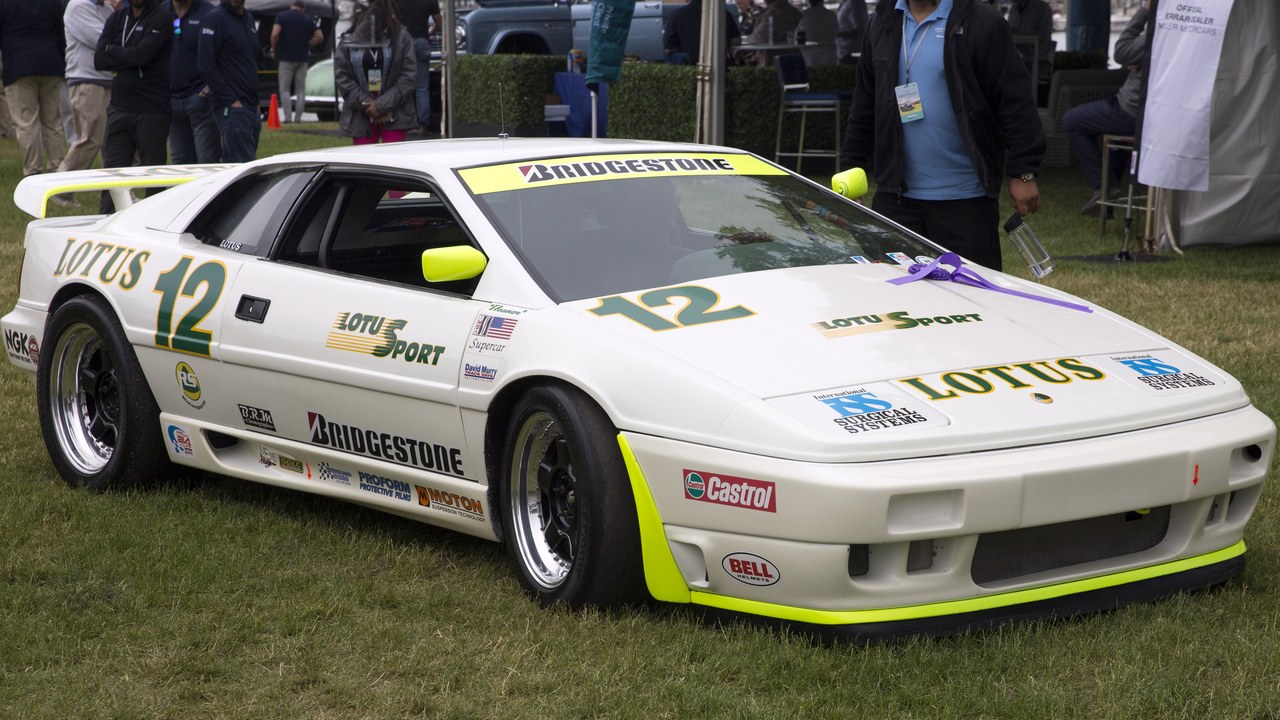
Designed as a piece of folded-paper geometry, the Lotus Esprit kept its pop-up headlights through a remarkably long production life. The sharp, angular body relied on those hidden lamps to maintain its clean, knife-edged nose whenever the lights were down. The origami-styled Esprit depended on that trick.
Lightweight and mid-engined, the Esprit prized handling and drama over raw power, and its wedge shape became a lasting icon. Because the folding lamps survived so many updates, the car neatly bookends the pop-up era it helped make famous in the first place.
More from Morning Overview
