
Some cars simply refuse to quit, racking up hundreds of thousands of miles while their showroom rivals get traded in and forgotten. The difference usually comes down to boring, over-engineered mechanicals: simple naturally aspirated engines, conservative transmissions, and a maintenance culture built around timing chains rather than fragile belts. Here are ten cars with a documented reputation for cruising well past 200,000 miles.
1. Toyota Land Cruiser: Built for the Long Haul
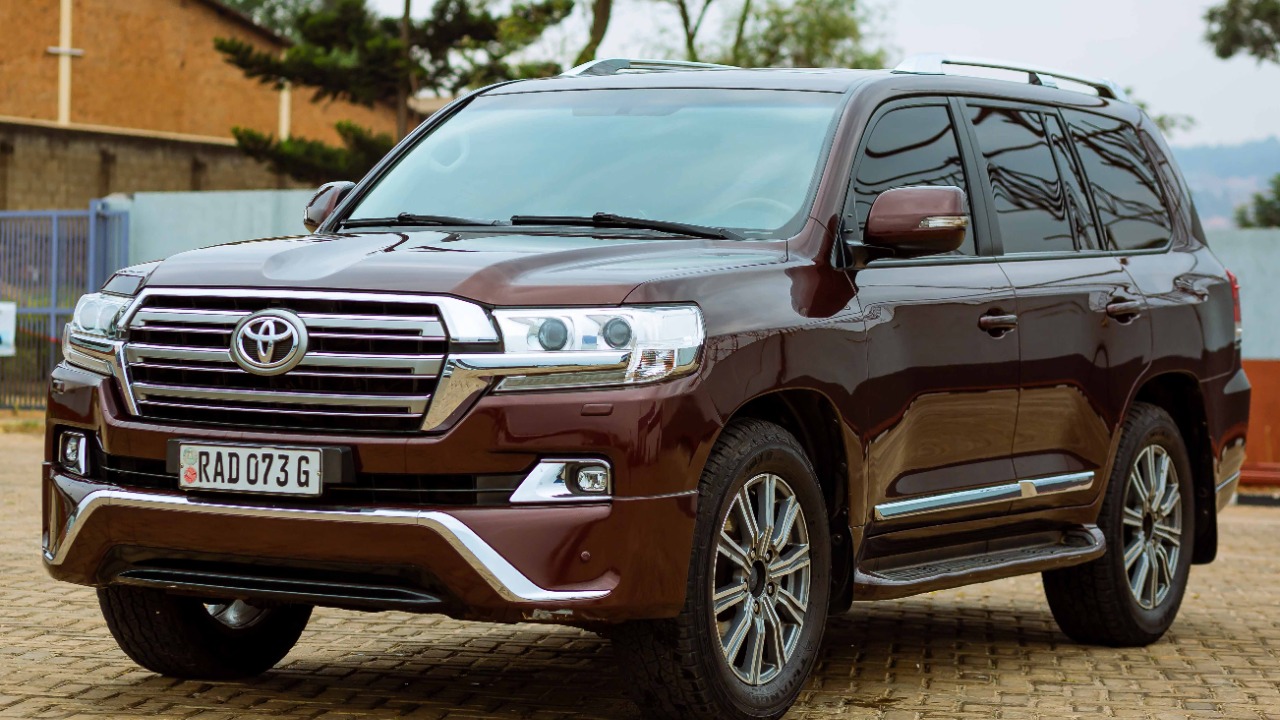
The Land Cruiser earned its endurance reputation the hard way, hauling cargo and passengers across some of the roughest terrain on the planet for decades. Toyota’s own Land Cruiser history shows a truck built around low-stressed engines, full-time four-wheel drive, and body-on-frame construction rather than the unibody shortcuts common on cheaper SUVs.
That conservative engineering is exactly what lets high-mileage examples keep working: fewer stressed components means fewer catastrophic failures, though owners still have to stay on top of routine fluid changes and suspension wear to reach the mileage the nameplate is known for.
2. Honda Accord: A Commuter Car Built to Last
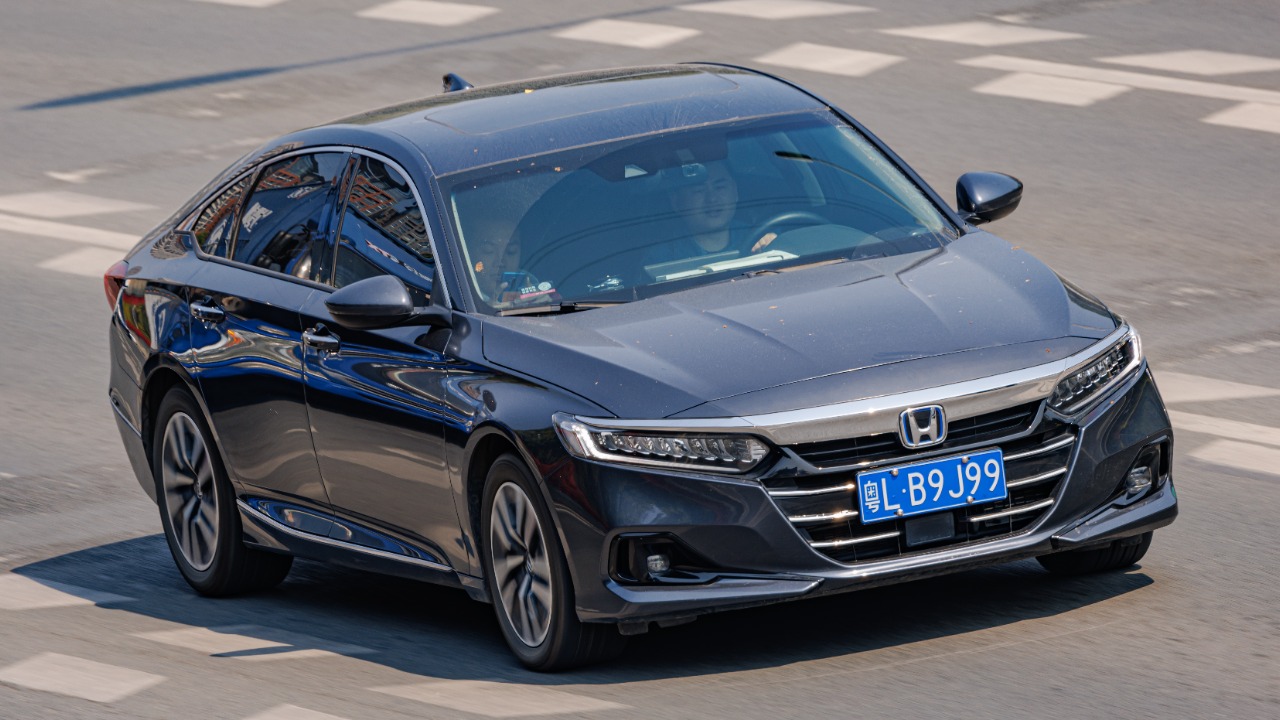
The Accord’s high-mileage reputation traces back to Honda’s four-cylinder engines, which the Honda Accord model line has used across generations known for tight tolerances, timing chains instead of belts, and a naturally aspirated design that avoids the turbocharger wear points found on newer competitors.
For a used buyer, that translates into fewer surprise repair bills at high mileage, provided the car received regular oil changes; the Accord’s longevity comes from mechanical simplicity and Honda’s manufacturing consistency, not any single miracle part.
3. Toyota Camry: The Default Choice for 200,000 Miles
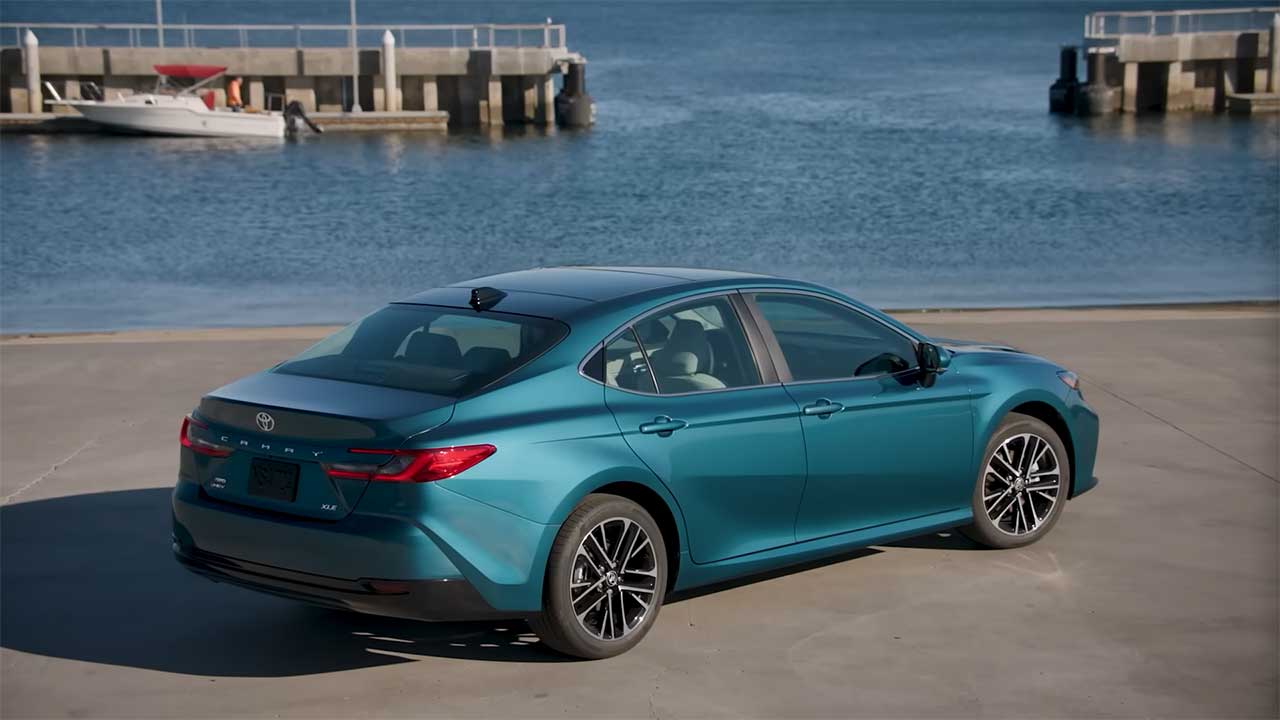
The Camry’s durability reputation rests on the same formula Toyota applies across its lineup: a naturally aspirated four- or six-cylinder engine, a conventional automatic transmission, and conservative tuning that keeps internal stress low, all documented in the Toyota Camry’s production history.
Longevity still depends on upkeep rather than the badge alone, but the Camry’s mechanical simplicity gives routine maintenance more room to work, and its long run as one of America’s best-selling sedans means parts and mechanics familiar with the platform are easy to find, which is why so many high-mileage examples remain in daily use well past 200,000 miles.
4. Toyota 4Runner: Body-on-Frame Toughness
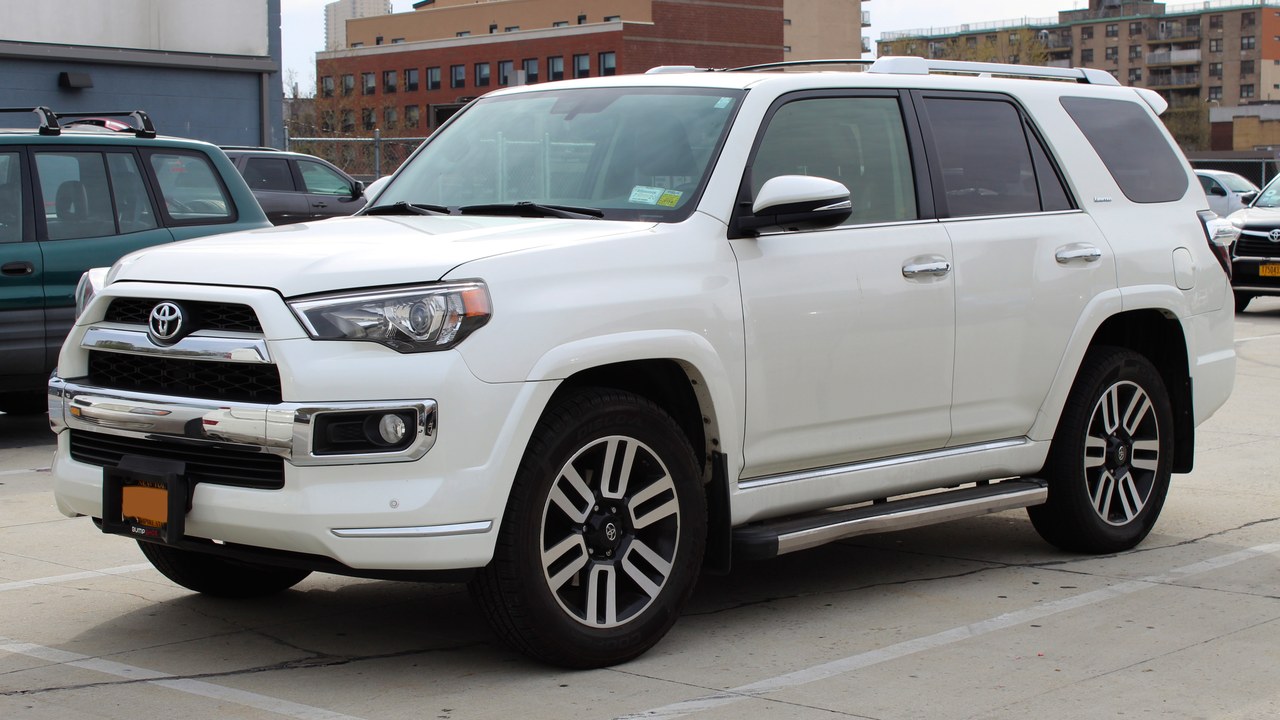
The 4Runner sticks with body-on-frame construction long after most competitors switched to unibody platforms, a choice the Toyota 4Runner’s design has retained specifically for off-road durability and easier long-term repairability, paired with a naturally aspirated V6 known for surviving high mileage with minimal internal wear.
The tradeoff is a stiffer ride and lower fuel economy than a crossover, but that same rugged simplicity is what lets used 4Runners rack up mileage that would strand less robust SUVs, so long as owners keep up with driveline service.
5. Honda Civic: Small Engine, Enormous Mileage
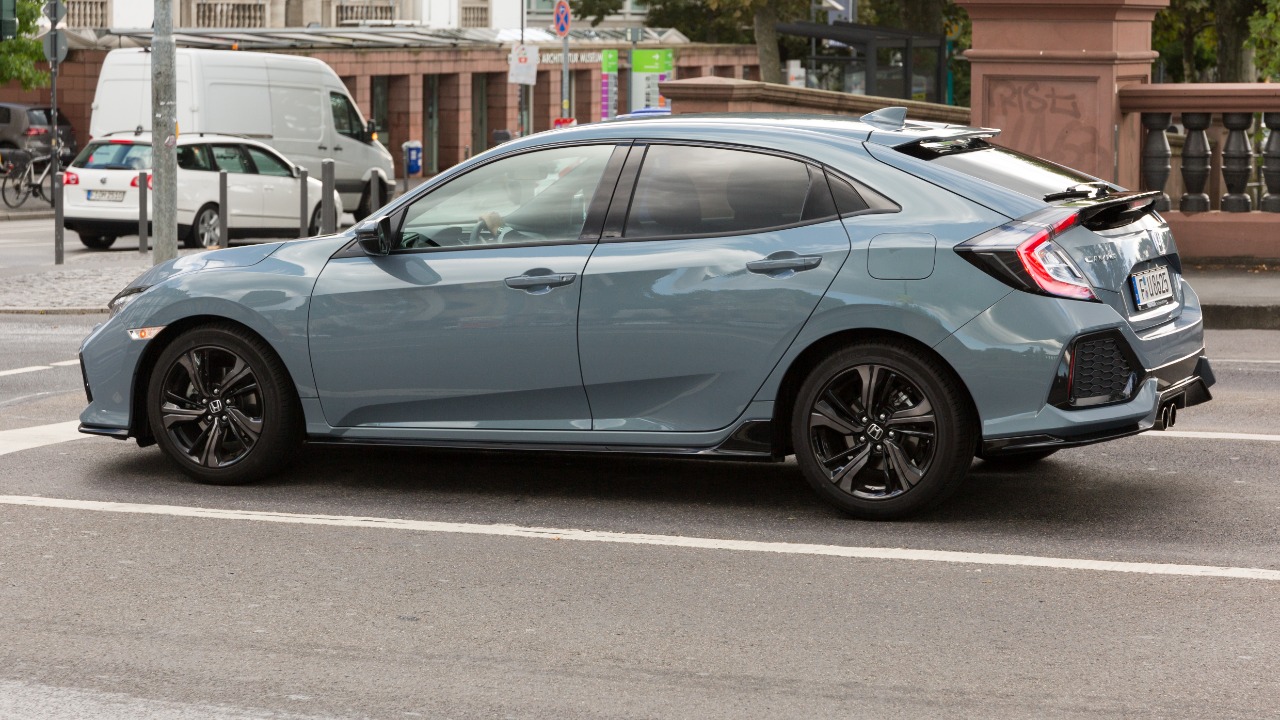
The Civic’s reputation for durability comes from Honda’s small, low-stressed four-cylinder engines, which the Honda Civic’s engineering history shows were tuned for efficiency and reliability over raw power, running well below their mechanical limits in daily driving.
That built-in margin is why so many Civics cross 200,000 miles on their original engine and transmission; the caveat is that the same reputation makes worn-out high-mileage Civics common on the used market, so a pre-purchase inspection that checks the timing chain tensioner and transmission fluid condition still matters before assuming any Civic will repeat that mileage story.
6. Toyota Corolla: The Benchmark for Dependability
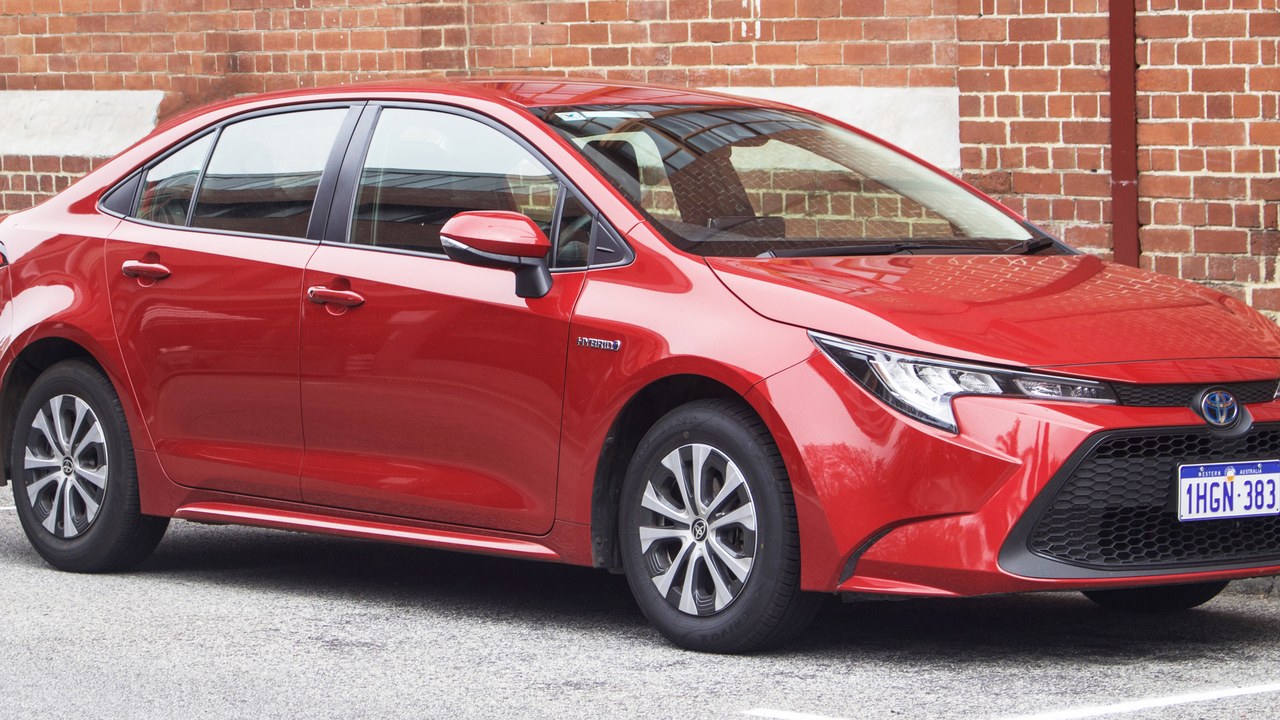
The Corolla’s name has become shorthand for automotive dependability, a reputation built on decades of simple, naturally aspirated four-cylinder engines that the Toyota Corolla’s long production run kept mechanically conservative even as rivals added complexity.
The car’s lack of exotic technology is precisely its strength at high mileage: fewer sensors, smaller turbochargers, and simpler emissions hardware to fail compared with newer compact cars, though owners who skip transmission fluid changes and timing chain inspections can still shorten a Corolla’s working life considerably.
7. Lexus LS: Luxury Without the Fragility
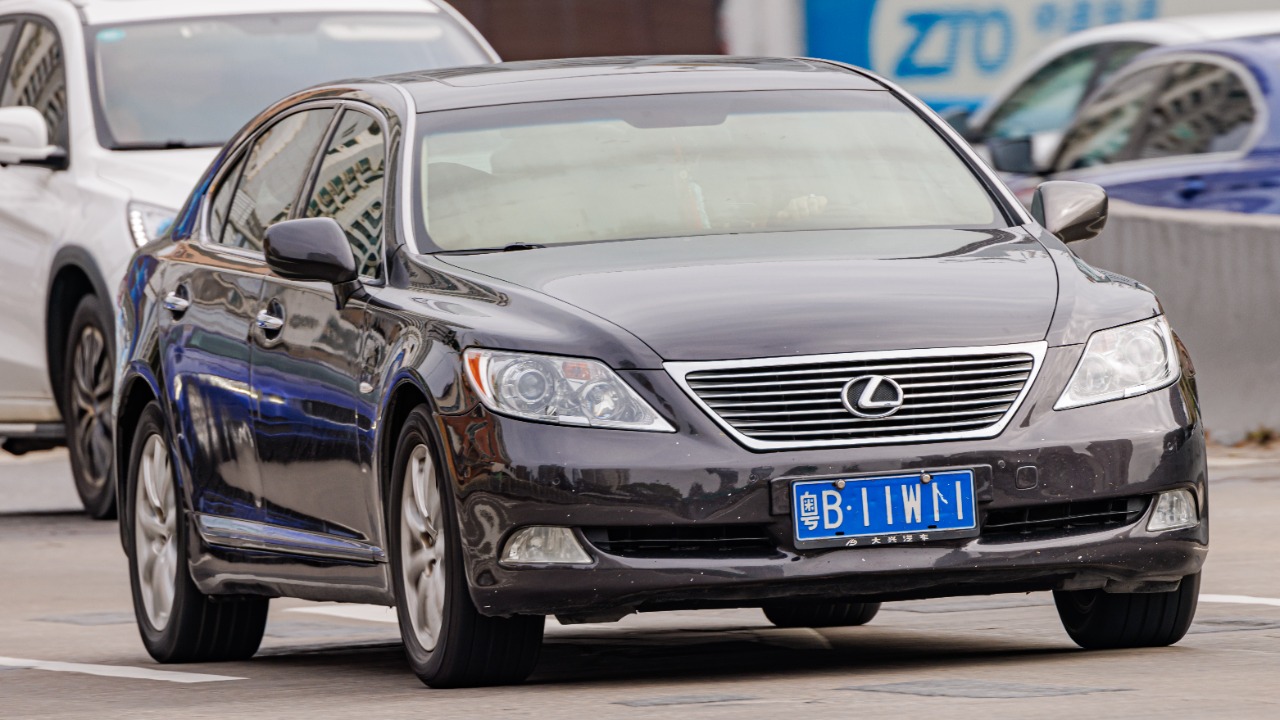
The LS proved that a luxury flagship didn’t have to be fragile, built on the same over-engineered philosophy Toyota applied to its trucks; the Lexus LS’s engineering favored a smooth, low-stressed V8 over the complex turbocharged and air-suspension setups that plague German rivals at high mileage.
That restraint pays off for a used buyer: an LS that has been serviced on schedule can rack up six-figure mileage with far fewer of the expensive electronic and suspension failures common on comparably priced luxury sedans.
8. Toyota Avalon: A Cruiser Built to Age Gracefully
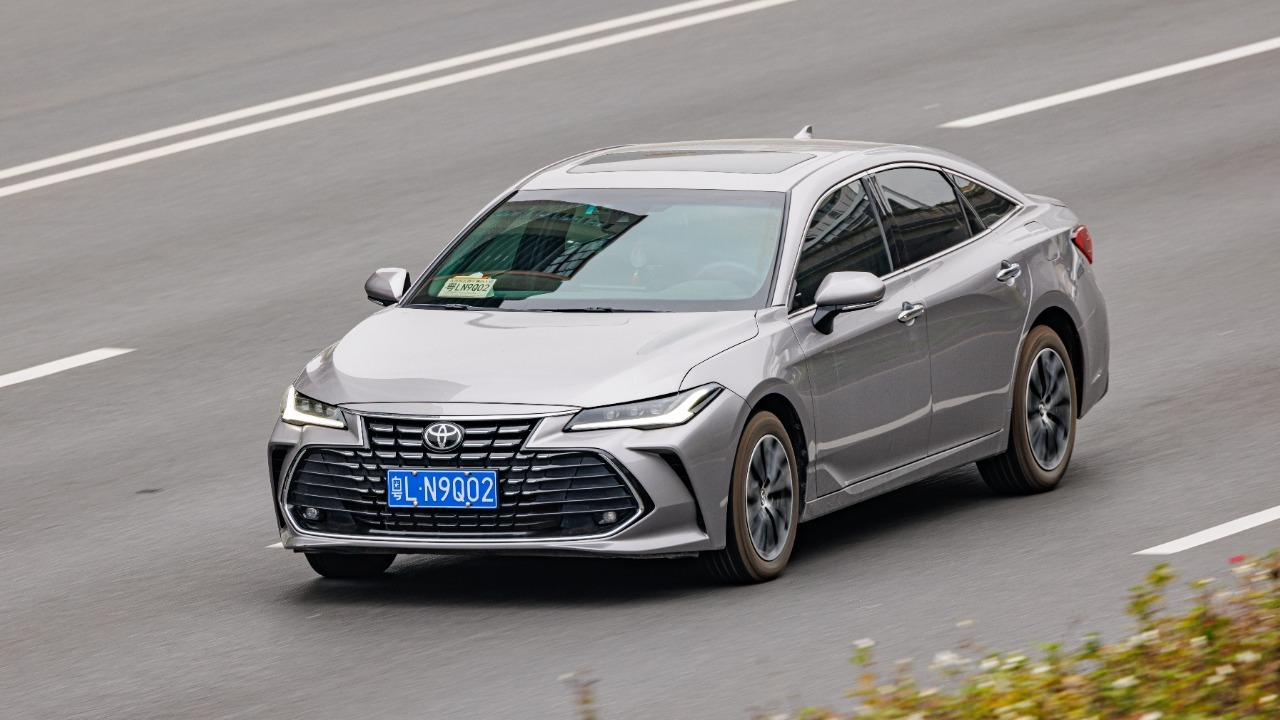
The Avalon shares its underpinnings and much of its powertrain with the Camry, and the Toyota Avalon’s platform history shows the same naturally aspirated V6 and conventional automatic transmission that have made Toyota’s mid-size sedans a byword for high-mileage reliability.
Because the Avalon was pitched as a full-size, comfort-focused sedan, examples often spent more time on smooth highway miles than in stop-and-go traffic, a driving pattern that further reduces wear and helps explain why so many survive well past 200,000 miles.
9. Honda CR-V: A Compact SUV Built Like a Sedan
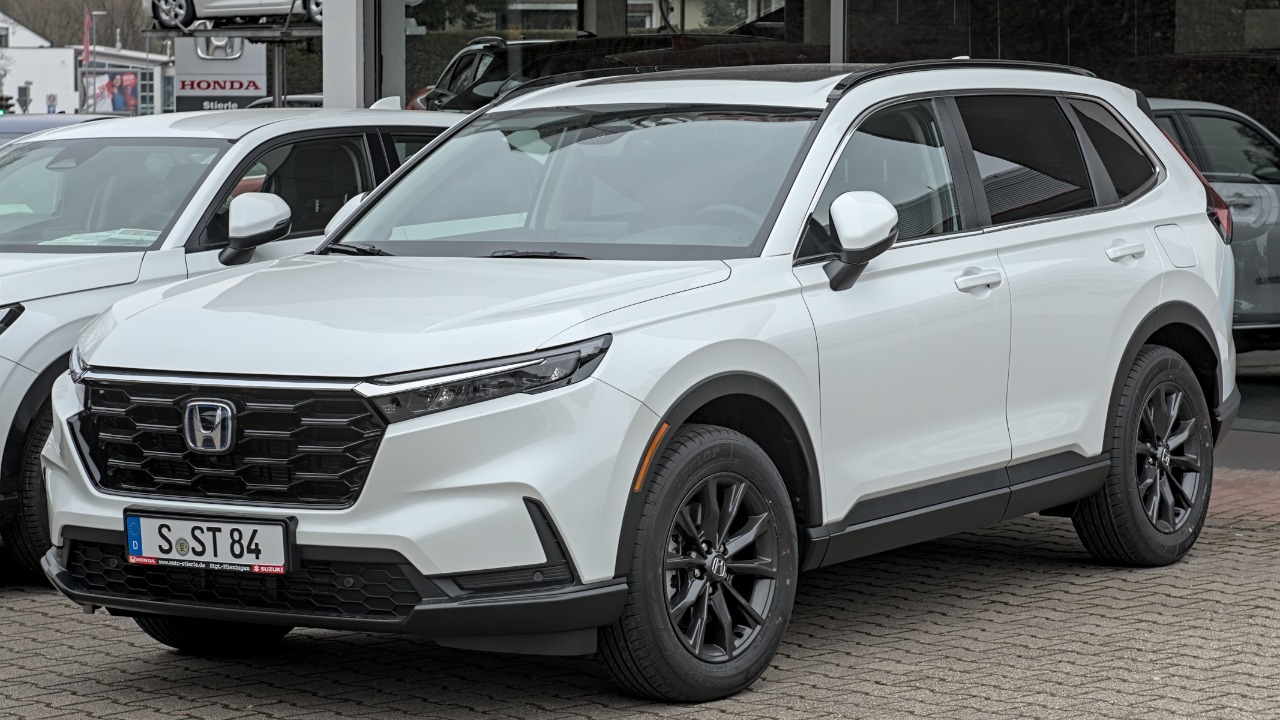
The CR-V borrows its engine and much of its reliability reputation directly from the Civic and Accord, and the Honda CR-V’s shared platform gives it the same low-stressed four-cylinder engine rather than a heavier, more failure-prone six-cylinder setup.
That car-based simplicity is unusual for an SUV, and it’s a major reason owners routinely push CR-Vs well past 200,000 miles on a single transmission and engine. The CVT-equipped later generations do demand more disciplined fluid service than the older automatic-transmission models that preceded them, so buyers should check that history before trusting the reputation blindly.
10. Toyota Sequoia: A Truck-Based SUV Built for the Long Run
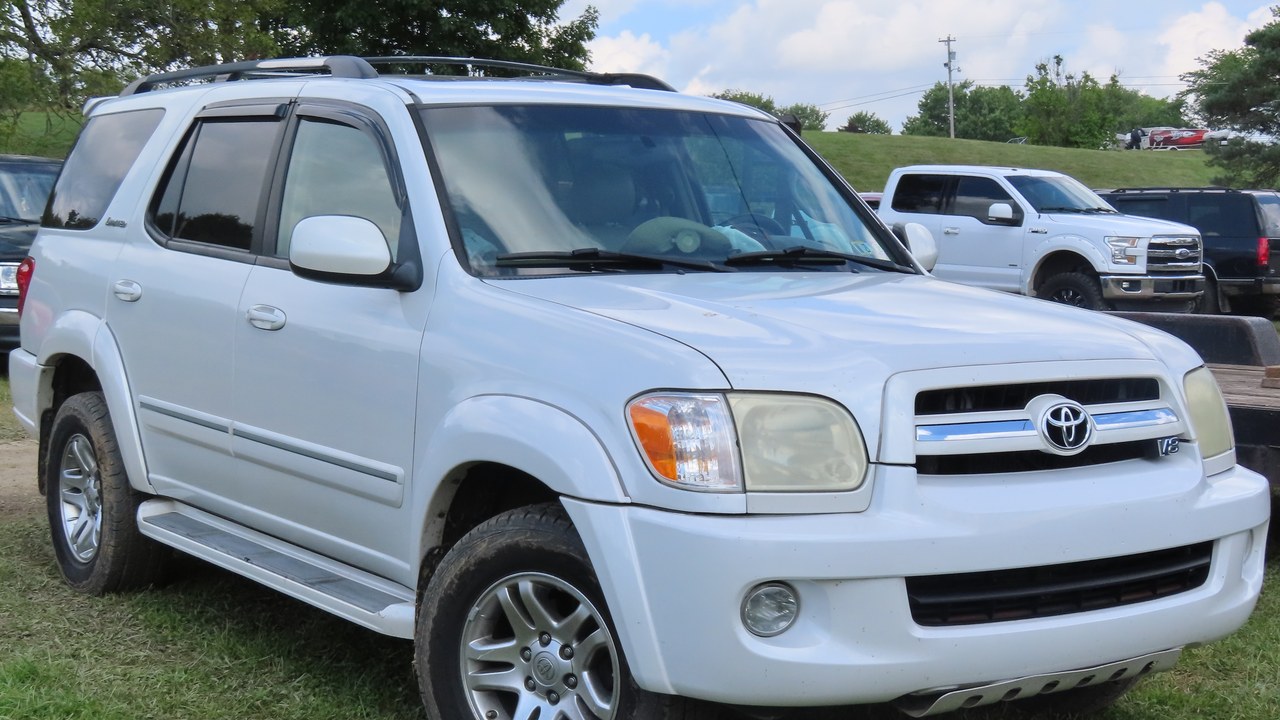
The Sequoia shares its frame and much of its drivetrain with the Tundra pickup, and the Toyota Sequoia’s truck-based architecture gives it the same durable body-on-frame construction and naturally aspirated V8 that have made Toyota’s trucks famous for surviving high mileage.
That heavy-duty foundation means a well-maintained Sequoia can tow and haul for years without the drivetrain stress that shortens the life of car-based SUVs. Its considerable size, thirsty V8, and higher parts costs remain the real tradeoff for that mechanical longevity, so the savings show up over the ownership span rather than at the pump.
More from Morning Overview
- The largest genetic study of fibromyalgia found new risk factors rooted in the nervous system
- Toyota grabbed six of the ten spots on Consumer Reports’ most-reliable-cars list
- Evacuations spread as the Gann Fire chews through 10,000 acres of California’s Gold Country
- Pythons keep spreading across Florida, and one county alone pulled out four tons of them
