
Octane requirements rarely appear on a window sticker, yet they sit in the owner’s manual of a surprising number of mainstream models. Turbocharging and high compression ratios raise cylinder pressure enough that regular gasoline can trigger knock, so manufacturers specify a higher grade. Here are ten familiar nameplates whose engines ask for the expensive pump.
1. BMW 3 Series: The Turbocharged Baseline
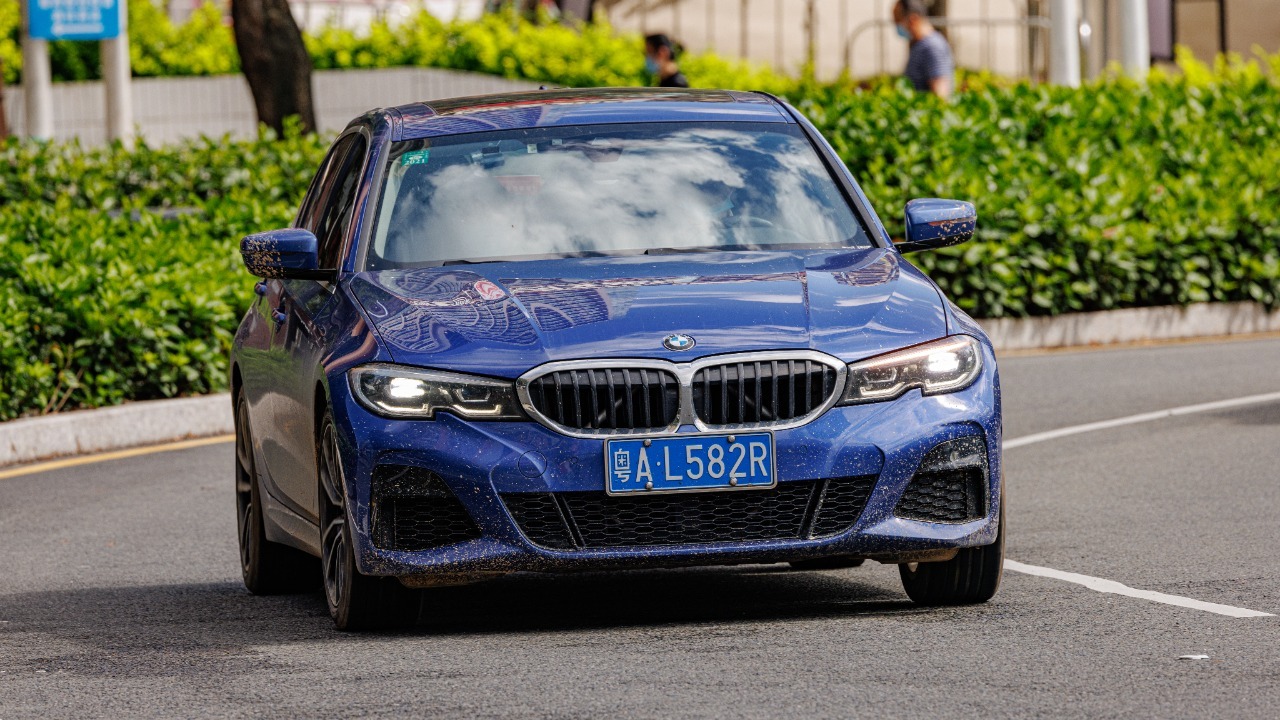
Every engine in the current compact executive sedan line is turbocharged, and BMW calibrates boost and ignition timing around the higher grade. The four-cylinder 330i and the inline-six M340i both carry a premium recommendation in their owner literature, a habit the nameplate has kept as outputs climbed.
Knock sensors pull timing on regular gasoline rather than let an engine damage itself, so the penalty shows up as softer acceleration and thirstier consumption instead of a repair bill. Shoppers cross-shopping a 3 Series against a mainstream sedan should fold the fuel grade into the running cost.
2. Audi A4: A Small Engine With Big Demands
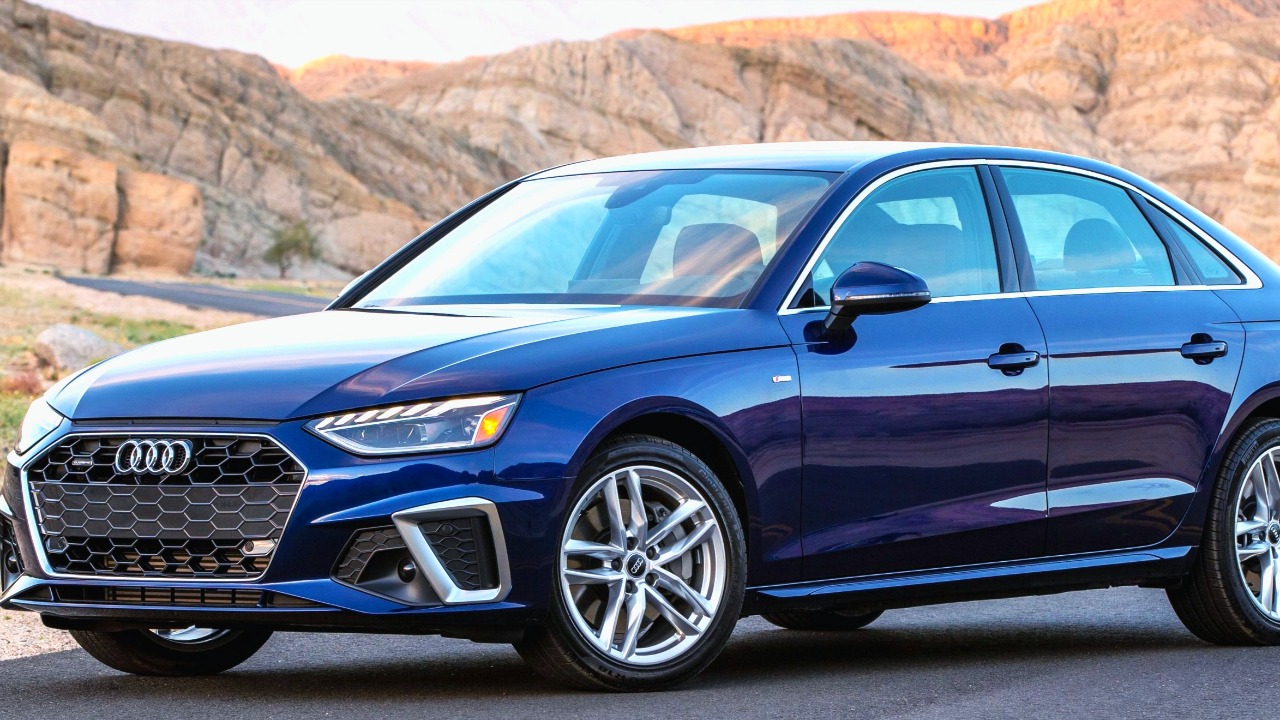
Audi’s volume powertrain here, the turbocharged two-liter four, is a premium-fuel unit rather than a regular-grade one, and that covers the ordinary front-drive and quattro trims most buyers actually order. The midsize Audi sedan shares that engine family with much of the Volkswagen Group lineup, so the requirement follows the powertrain rather than the badge.
The result surprises owners trading up from a naturally aspirated car, where regular had been the default for years. Because the A4 is bought as a daily driver rather than a weekend toy, the grade difference compounds across a full commuting year.
3. Mercedes-Benz C-Class: Premium Across The Lineup
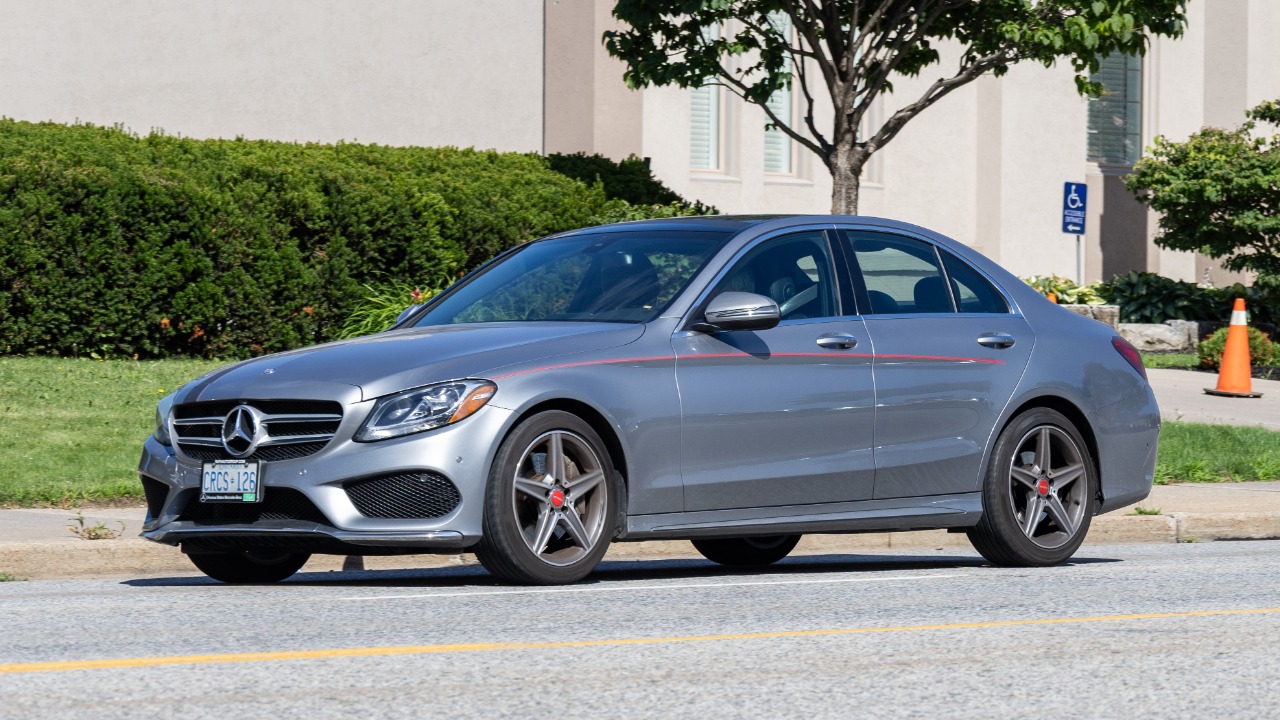
Mercedes recommends the higher grade throughout the C-Class range, not merely for the AMG variants that advertise their performance. The mainstream turbocharged four-cylinder in the entry-level Mercedes sedan is tuned much the same way as its costlier siblings, and the mild-hybrid hardware layered on top does nothing to relax the recommendation.
That catches secondhand buyers hardest, since a used C-Class often sells at a price implying mainstream running costs. Fuel grade sits alongside synthetic oil, larger brakes and low-profile tires in the gap between purchase price and ownership cost.
4. Volkswagen Golf GTI: The Hot Hatch Tax
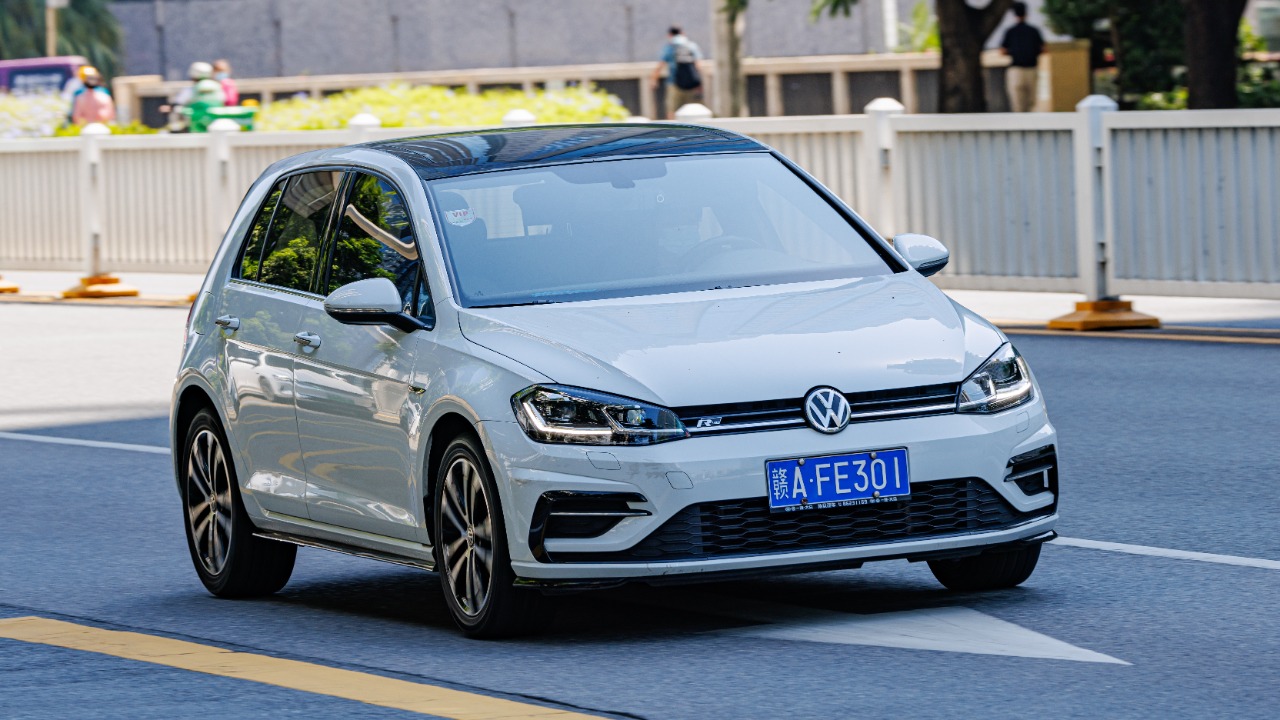
Volkswagen has long listed premium for the performance versions of the Golf hatchback rather than the base cars, and the GTI makes its advertised output on that grade. Lower-octane fuel will not strand the car, but the engine management dials back timing and the difference is easy to feel in the mid-range.
Marketing has always framed the GTI as the sensible enthusiast choice, and the fuel line item quietly undercuts part of that argument. Owners who commute in one absorb the premium every week, while the extra output it buys is available only occasionally.
5. Mini Cooper S: The Badge That Costs Extra

One turbocharged engine separates the Cooper S from the base car, and that engine is specified for premium. The S versions of the Mini hatchback share their powertrain engineering with BMW, which explains a fuel requirement more often associated with a German luxury badge than with a small British-branded runabout.
A modest tank size softens the sting at any single fill-up, which is part of why the requirement goes unnoticed. Across a year of driving, though, the grade difference weighs proportionally more on a car whose entire appeal rests on being cheap to run.
6. Cadillac CT5: Boost In Every Trim
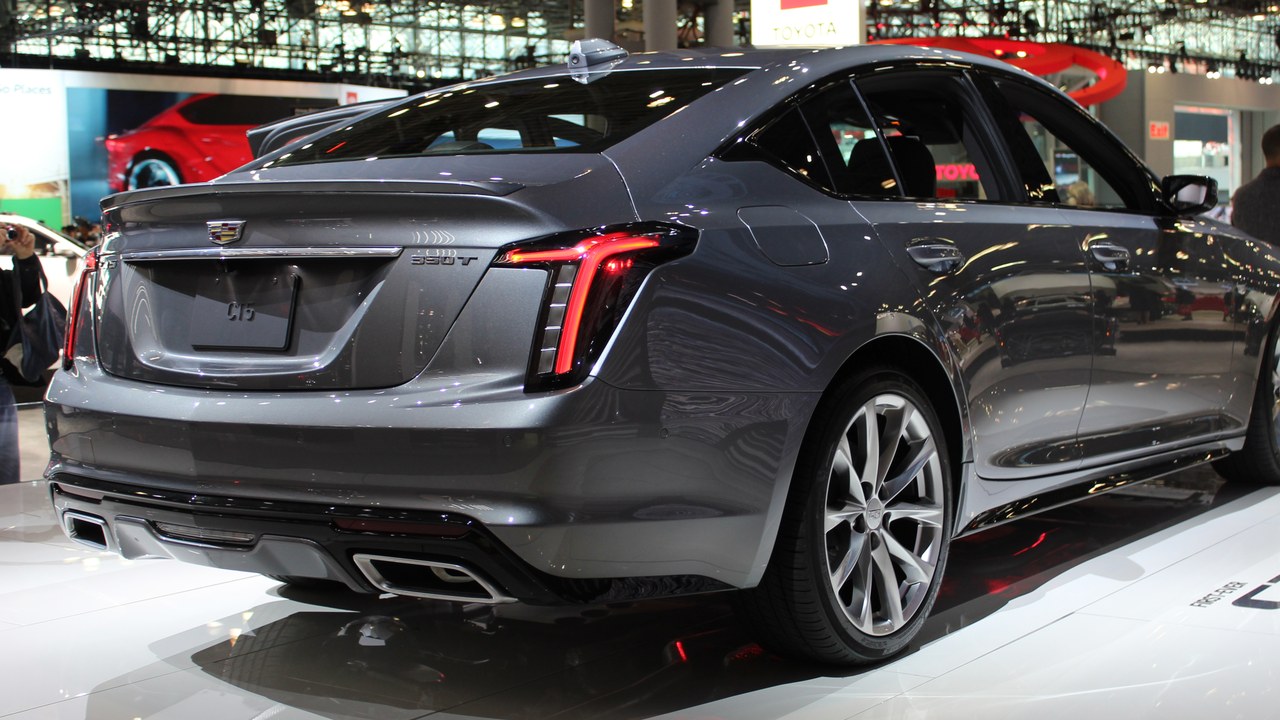
Cadillac’s turbocharged four and twin-turbo six are both built around the higher grade, and the V-Series versions of the rear-drive Cadillac sedan are emphatic about it. The requirement covers most of the lineup rather than one halo trim, which is unusual for an American sedan positioned against imported rivals.
Buyers drawn to the CT5 by domestic-brand pricing can miss that detail during a test drive. Fuel grade is a modest recurring cost next to the purchase discount, yet it removes one practical argument for choosing the car over a mainstream sedan.
7. Genesis G70: What The Twin-Turbo Six Costs
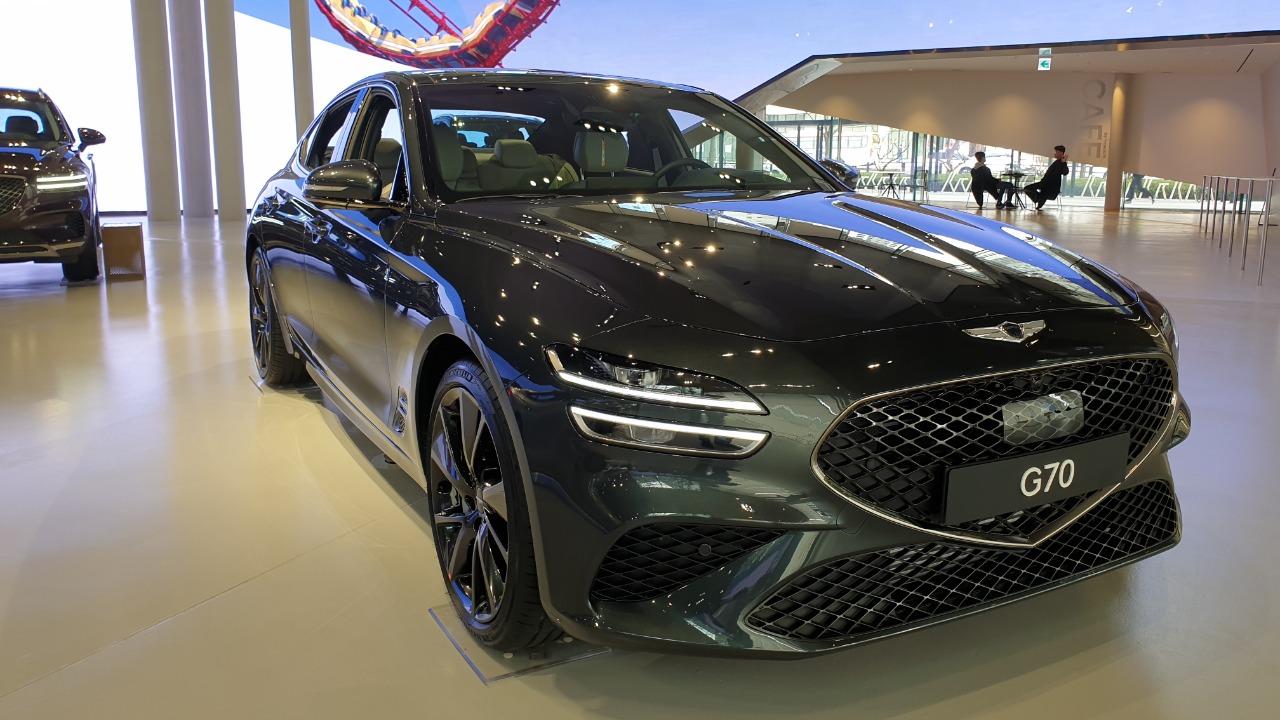
Comparisons to German sport sedans rest on the twin-turbocharged six, and that engine carries the same fuel requirement those rivals do. Genesis positions the compact luxury sedan as a value alternative, yet the powertrain’s appetite for premium is not part of the discount.
The turbocharged four-cylinder version remains the volume seller and the one most often driven as an ordinary commuter car. Prospective owners weighing the six against the four should treat the fuel grade as part of the upgrade cost rather than an afterthought, alongside the tires and brakes that accompany the quicker car.
8. Porsche Macan: No Regular-Grade Escape Hatch
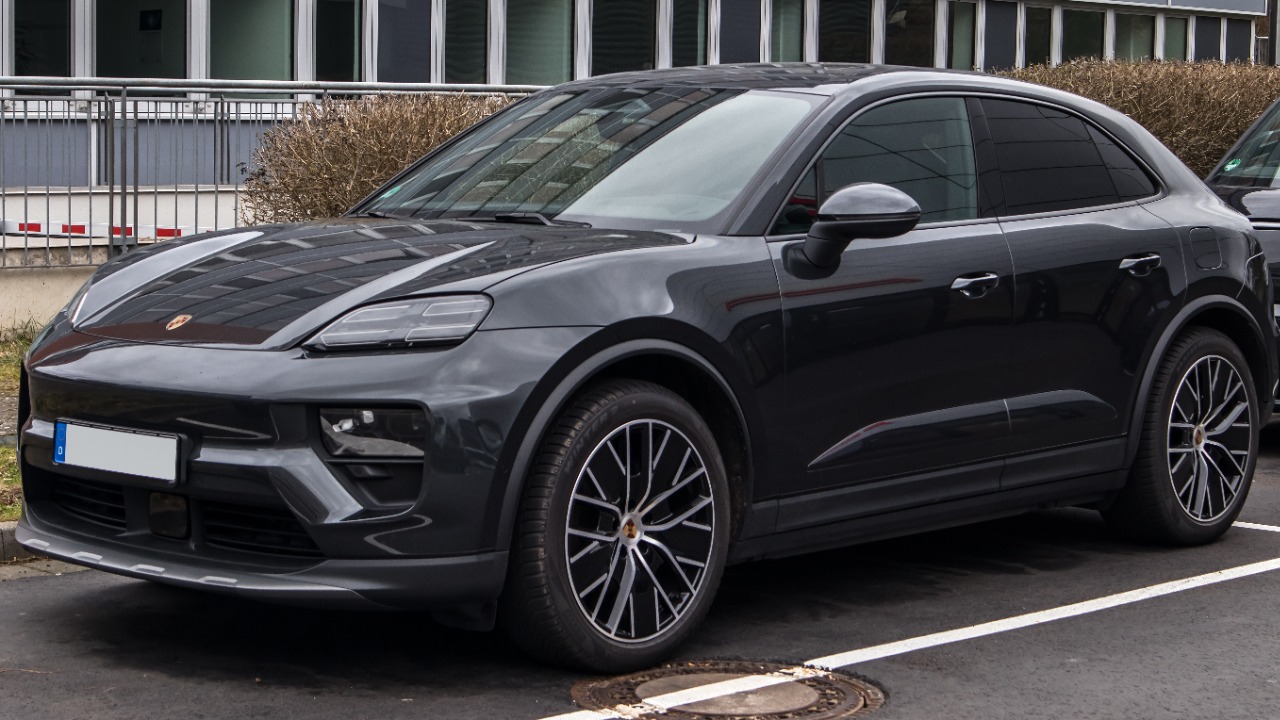
Porsche specifies premium for the Macan across trims, so no economy-minded version escapes it. The compact Porsche crossover uses turbocharged engines throughout its combustion lineup, and the company’s calibration philosophy leaves no lower-grade fallback advertised as acceptable for everyday driving, even in the entry trims that share the Macan name with the quickest versions.
Inside a Porsche showroom that is hardly a shock, and most first owners expect it. The surprise tends to arrive secondhand, once the crossover reaches a price point shared with ordinary family vehicles while keeping the running costs it was engineered around. Fuel is simply the most frequent of those reminders.
9. Acura TLX Type S: The Type S Surcharge
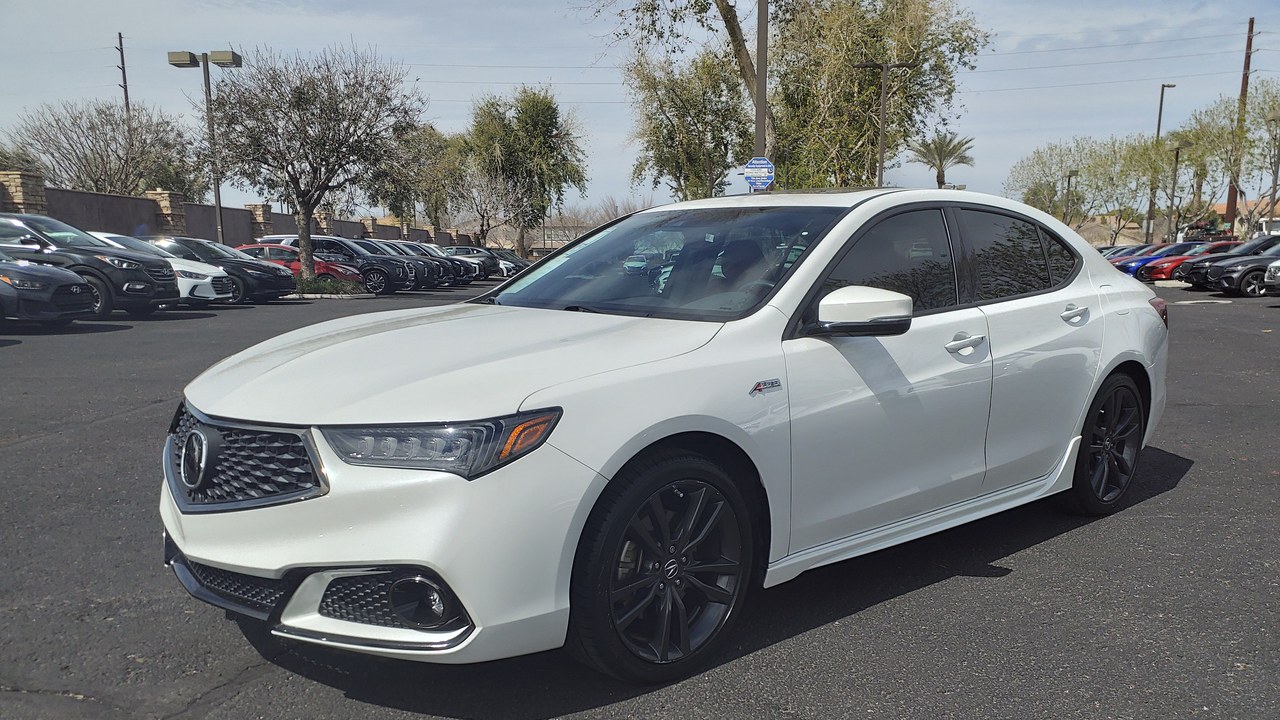
Reviving a turbocharged six for the Type S brought a fuel requirement rather than a recommendation. Other versions of the Acura midsize sedan use a different powertrain, so the demand tracks the performance engine instead of the nameplate as a whole, and the sheet metal gives away very little of the difference.
Anyone shopping a Type S secondhand inherits that requirement along with the extra power. Understated styling makes it easy to forget the car is a performance model with performance running costs, which is exactly how a fuel bill ends up unplanned.
10. Alfa Romeo Giulia: Italian Boost, Expensive Habits
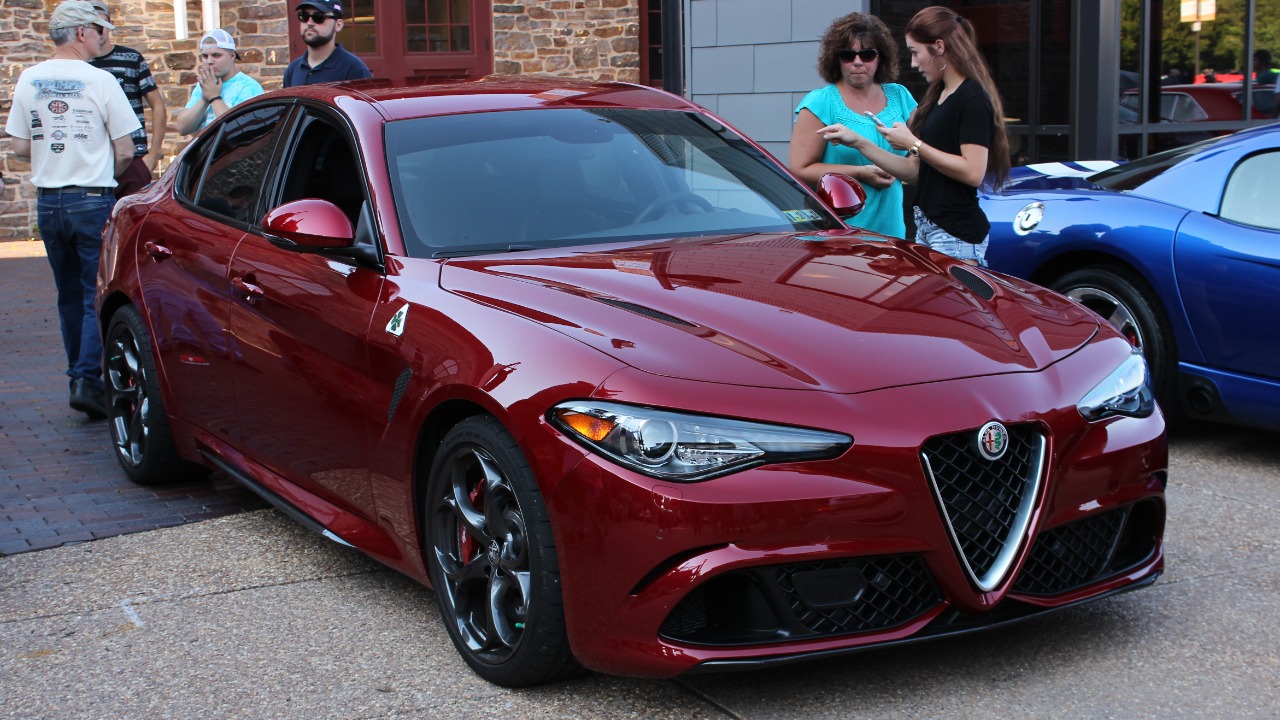
Both the turbocharged four and the twin-turbocharged six are tuned for premium, which puts effectively every version of the Alfa Romeo sport sedan in one fuel bracket. The Quadrifoglio’s six draws the attention, but the four-cylinder that fills most driveways arrives with the same expectation.
Alfa’s return to the American market leaned on driving feel rather than running costs, and the fuel grade fits that pattern. Depreciation makes a used Giulia look cheap, while the service schedule and the pump grade remain those of the car it was when new.
More from Morning Overview
- A California supervolcano has bulged upward about two and a half feet since 1978
- The FTC is warning about a scam quietly draining thousands from victims
- The NSA is again telling phone owners to switch off one location setting
- A handful of car transmissions are so tough mechanics say they almost never fail
