
The 1970s put American automakers through oil shocks, tightening emissions rules, and safety scrutiny that together sapped horsepower and confidence. Detroit answered with downsized, decontented, and hurriedly engineered models that came to define a period critics later dubbed the malaise era. These ten cars capture that struggle, from rust-prone subcompacts to shrunken icons and troubled compacts.
1. Chevrolet Vega: Rust That Came With The Warranty
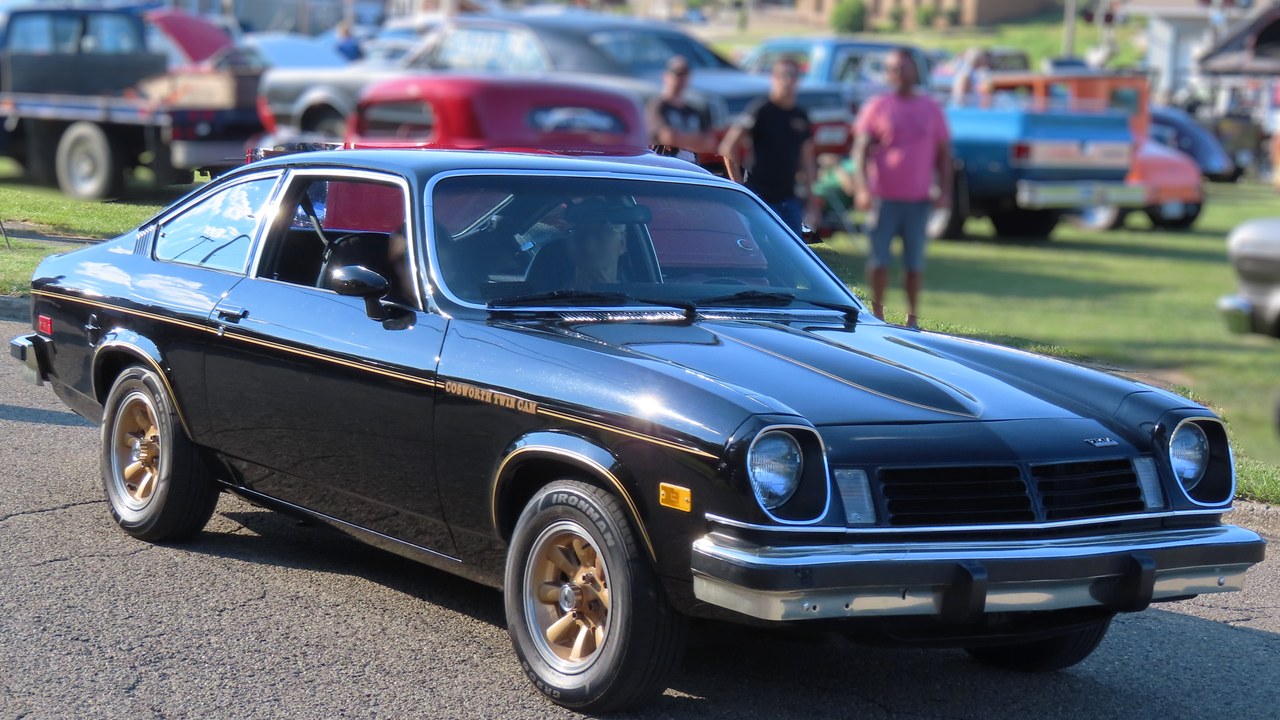
General Motors launched the Chevrolet Vega for 1971 as a modern subcompact and even collected Motor Trend’s Car of the Year honor, yet the promise curdled quickly. The aluminum-block four-cylinder gained a reputation for overheating and burning oil, and the bodywork corroded with startling speed.
Early optimism soon gave way to repair bills, and the little Chevrolet became shorthand for Detroit’s slipping quality during the decade. By the time production ended in 1977, the Vega stood as a cautionary emblem of ambition undone by rushed engineering and thin corrosion protection.
2. Ford Pinto: The Subcompact That Sparked A Reckoning
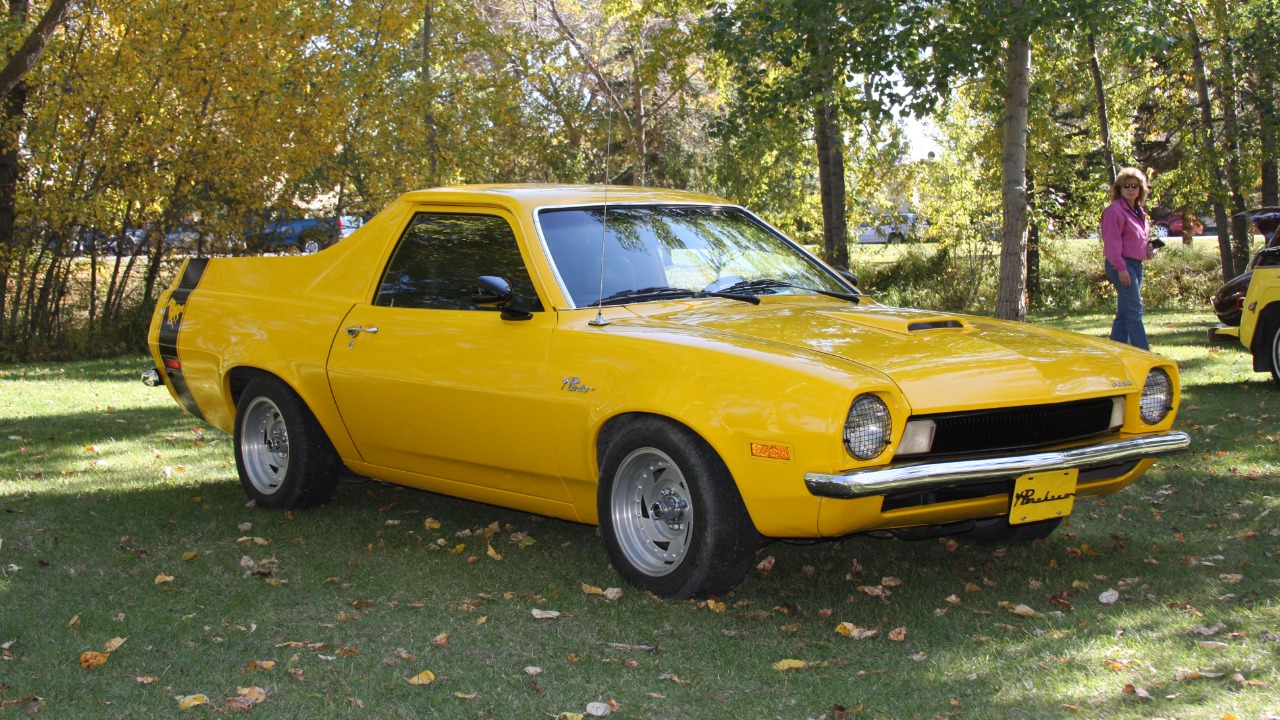
Ford’s answer to imported economy cars, the Ford Pinto arrived for 1971 and sold in enormous numbers before controversy overtook it. Litigation and press coverage focused on the placement of its fuel tank and the risk of fires in certain rear-end collisions.
The resulting scrutiny helped reshape public expectations about automotive safety and corporate accountability. Though later analyses debated how unusual the Pinto’s record truly was, the nameplate became a lasting symbol of the era’s tension between cheap, fast-to-market engineering and the growing demand for protection behind the wheel.
3. AMC Pacer: A Rolling Fishbowl On Wheels
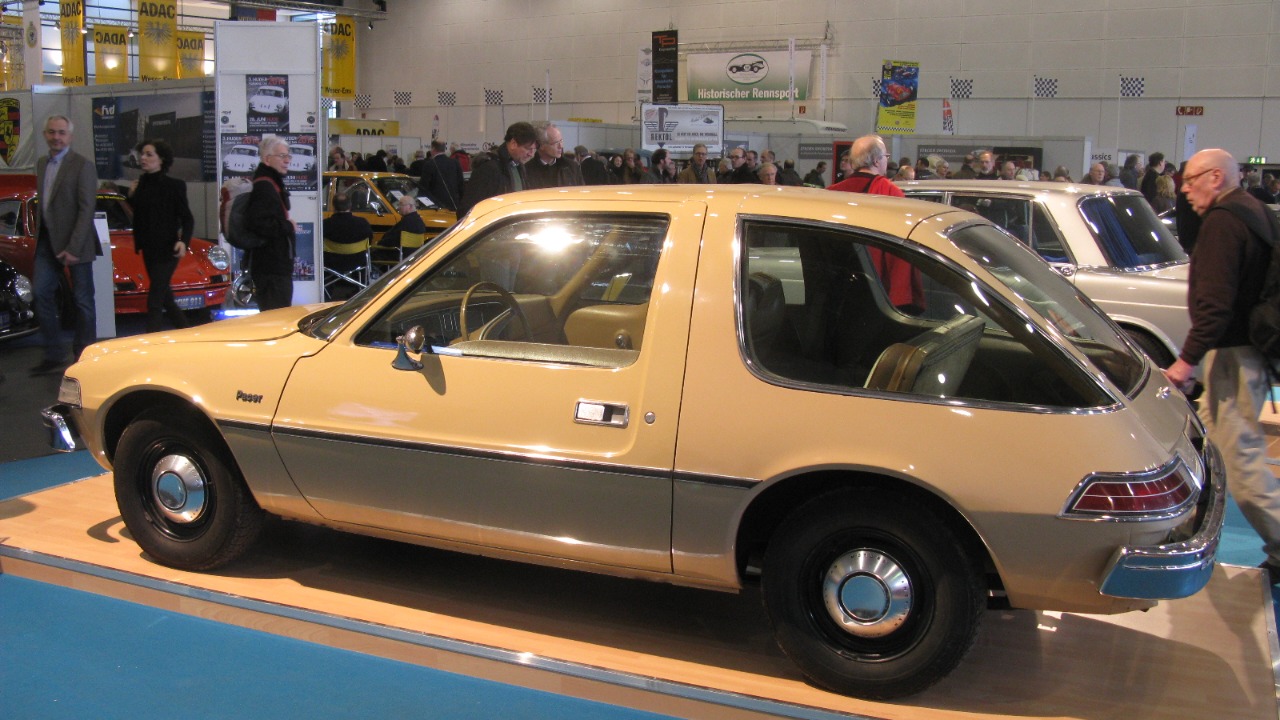
Few shapes screamed 1970s louder than the AMC Pacer, a wide, bulbous compact wrapped in so much glass that critics nicknamed it a fishbowl. Introduced for 1975, it even featured a passenger door longer than the driver’s to ease rear access.
American Motors pitched the Pacer as a roomy small car for a downsizing age, but its heavy body and thirsty engines undercut the economy story. Instantly recognizable and endlessly parodied, it endures as one of the decade’s most distinctive and divisive designs, beloved and mocked in nearly equal measure.
4. Chevrolet Chevette: Bare-Bones Transport For A Fuel Crunch
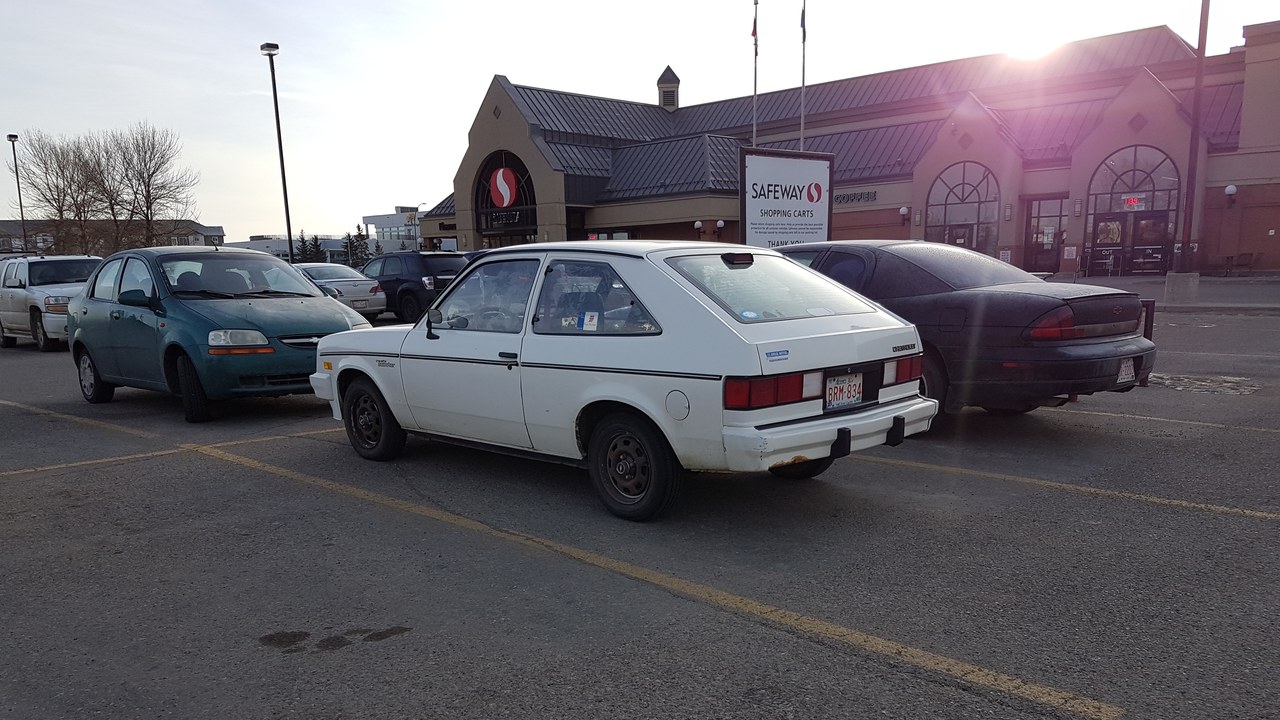
When gasoline prices spiked, Chevrolet countered with the Chevrolet Chevette, a small rear-drive hatchback introduced for 1976 and built to be cheap, simple, and frugal. Modest power and spartan trim made it more appliance than automobile for many buyers.
Despite its humble character, the Chevette sold strongly and served as basic, affordable transportation through the following decade. It embodied the malaise-era compromise perfectly: efficiency and low cost prioritized over performance or refinement, giving budget-minded Americans a dependable way to weather the fuel shocks that reshaped their driving habits.
5. Cadillac Seville: Luxury Learns To Shrink
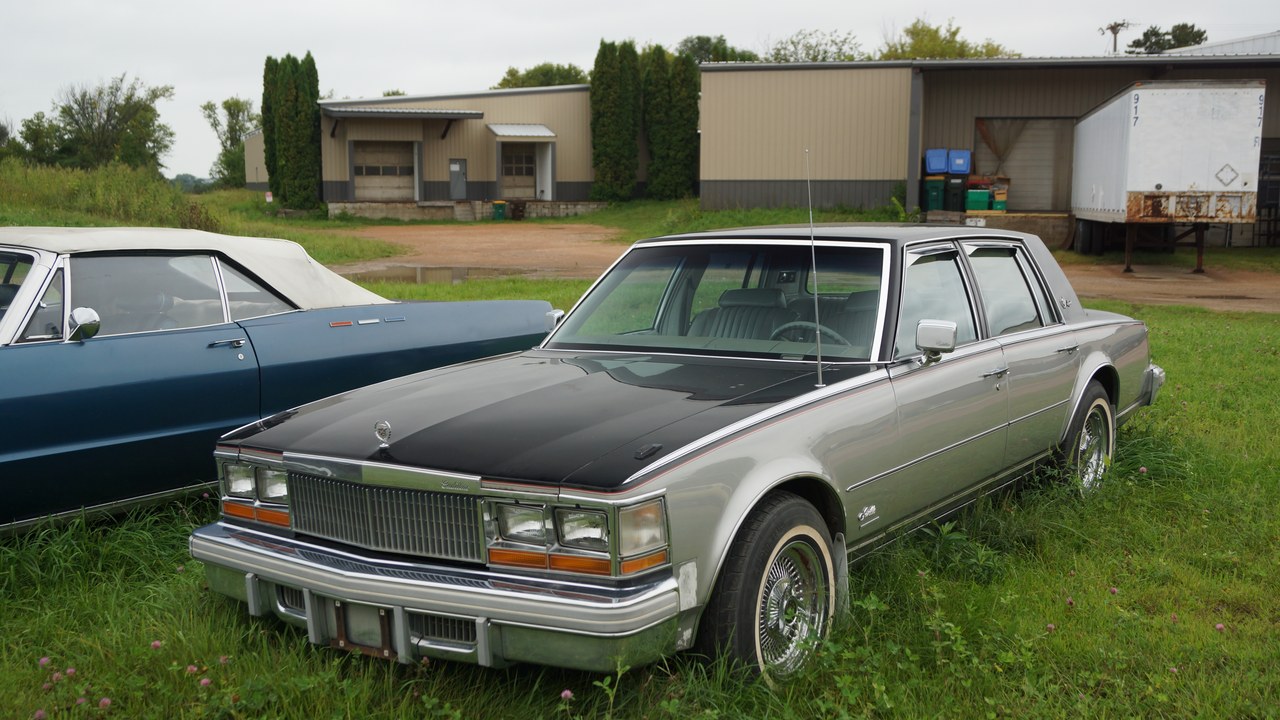
Detroit’s downsizing reached the top of the market with the Cadillac Seville, introduced for 1975 as a smaller, more tightly tailored flagship. Positioned against compact European luxury sedans, it carried a premium price despite its trimmer dimensions.
The Seville signaled that even Cadillac could no longer assume bigger meant better in an age of fuel worries and shifting tastes. Its comparatively restrained proportions previewed the sweeping downsizing that would soon transform full-size American cars, making it a pivotal, forward-looking entry among the decade’s otherwise troubled machines.
6. Ford Mustang II: A Pony Car On A Diet
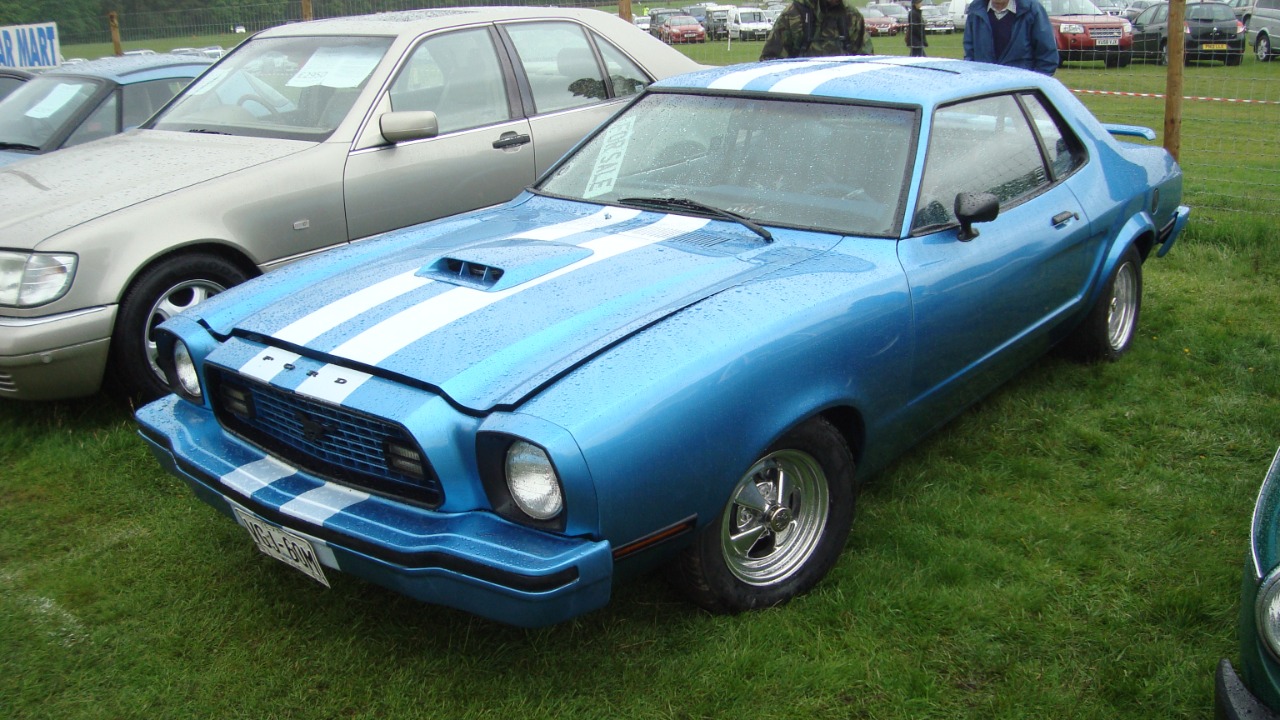
Ford redefined its icon for hard times with the Ford Mustang II, launched for 1974 on the humble Pinto platform. Smaller and initially offered without a V8, it traded the original’s muscle for economy and easier operating costs.
Enthusiasts often lament the Mustang II as a low point of the lineage, yet buyers embraced it, and strong sales arguably kept the nameplate alive through the fuel-conscious years. Its very existence captures the era’s bargain: shrink the legend, chase efficiency, and preserve a storied badge even as expectations of power collapsed.
7. AMC Gremlin: Chopped Tail, Big Personality
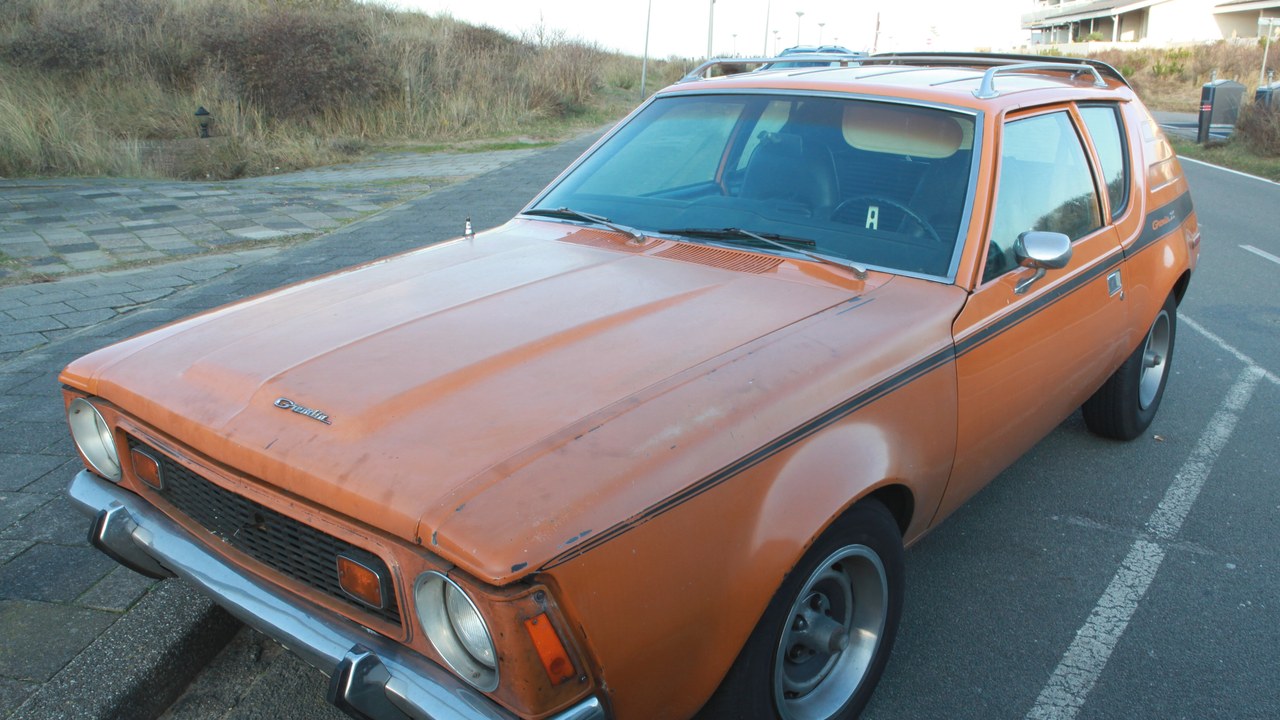
American Motors beat larger rivals to the domestic subcompact class with the AMC Gremlin, launched in 1970 with an abruptly chopped Kammback tail. Its stubby silhouette looked like a full-size car sawn off just behind the doors.
Cheap and cheerful, the Gremlin gave AMC an early foothold as buyers turned toward smaller cars, though its odd proportions divided opinion. Quirky yet memorable, it remains one of the decade’s defining economy models, a plucky underdog that let a struggling independent automaker punch above its modest weight for a time.
8. Dodge Aspen: Promise Buried Under Recalls
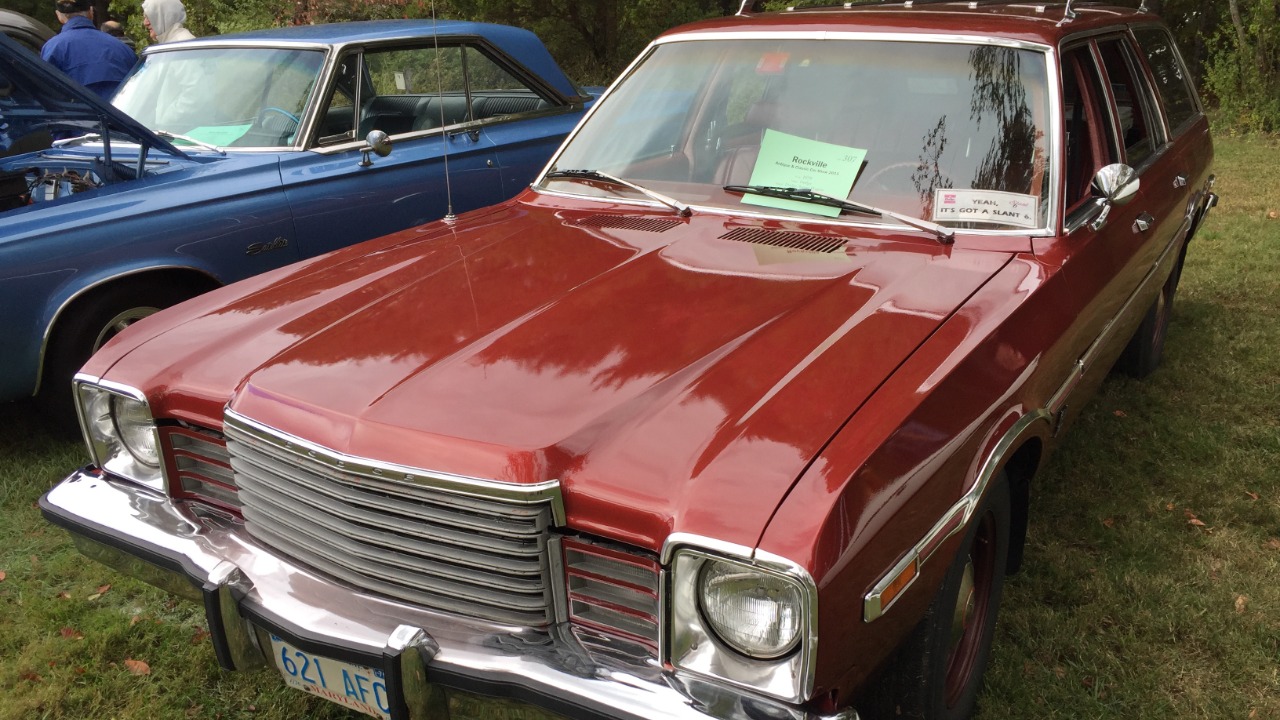
Chrysler intended the Dodge Aspen to be a modern, comfortable compact when it arrived for 1976, and it initially drew praise. Early build quality proved troublesome, however, and the car was subjected to repeated recalls that battered its reputation.
Rust and assembly problems dogged owners and helped drag down Chrysler’s standing during a financially perilous stretch for the company. The Aspen illustrates how the decade’s quality lapses could sink an otherwise reasonable design, turning a promising family car into another cautionary tale about Detroit’s strained factories and rushed development timelines.
9. Chevrolet Monza: Sporty Looks, Economy Bones
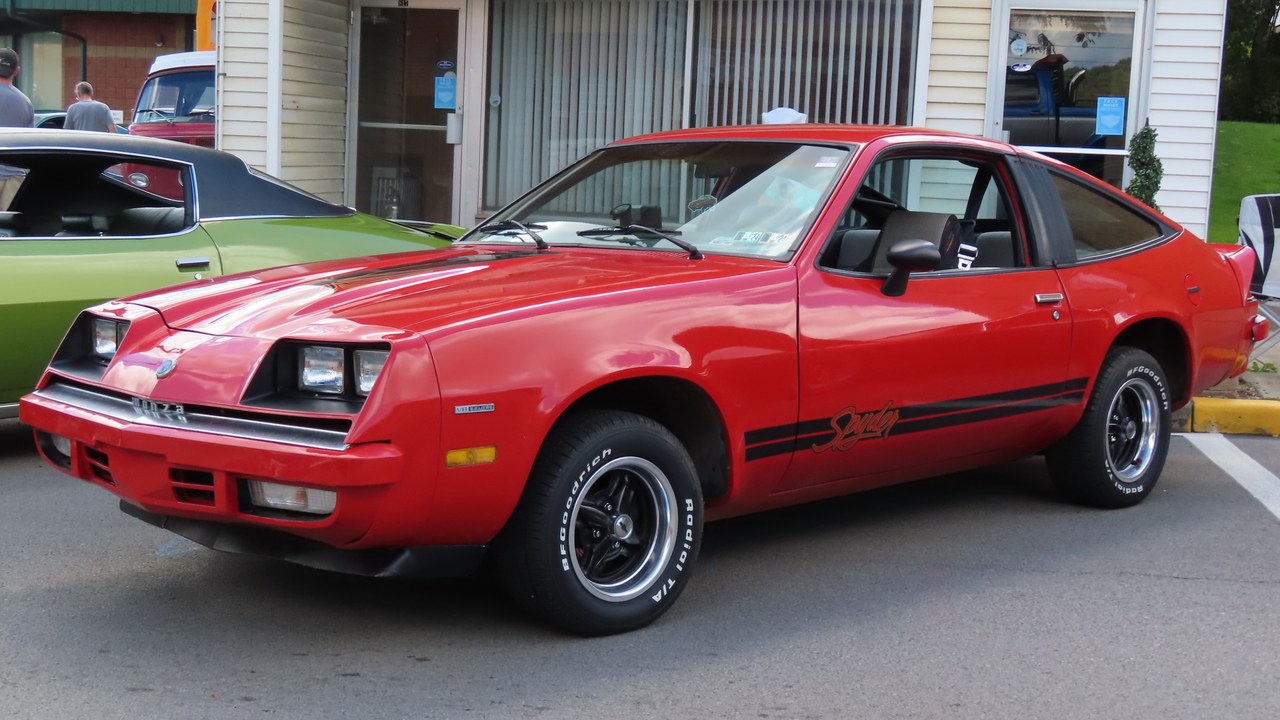
Chevrolet dressed practicality in style with the Chevrolet Monza, introduced for 1975 and derived from the Vega. Sleek fastback styling promised excitement, but the underpinnings and modest engines kept it firmly in economy-car territory.
The Monza reflected a common 1970s strategy of wrapping fuel-conscious mechanicals in sporty sheetmetal to tempt buyers who still craved flair. Tighter emissions rules and cost pressures limited its real performance, leaving it a handsome but compromised coupe, emblematic of an era when appearance frequently outran what lay beneath the hood.
10. Plymouth Volare: The Twin That Shared The Trouble
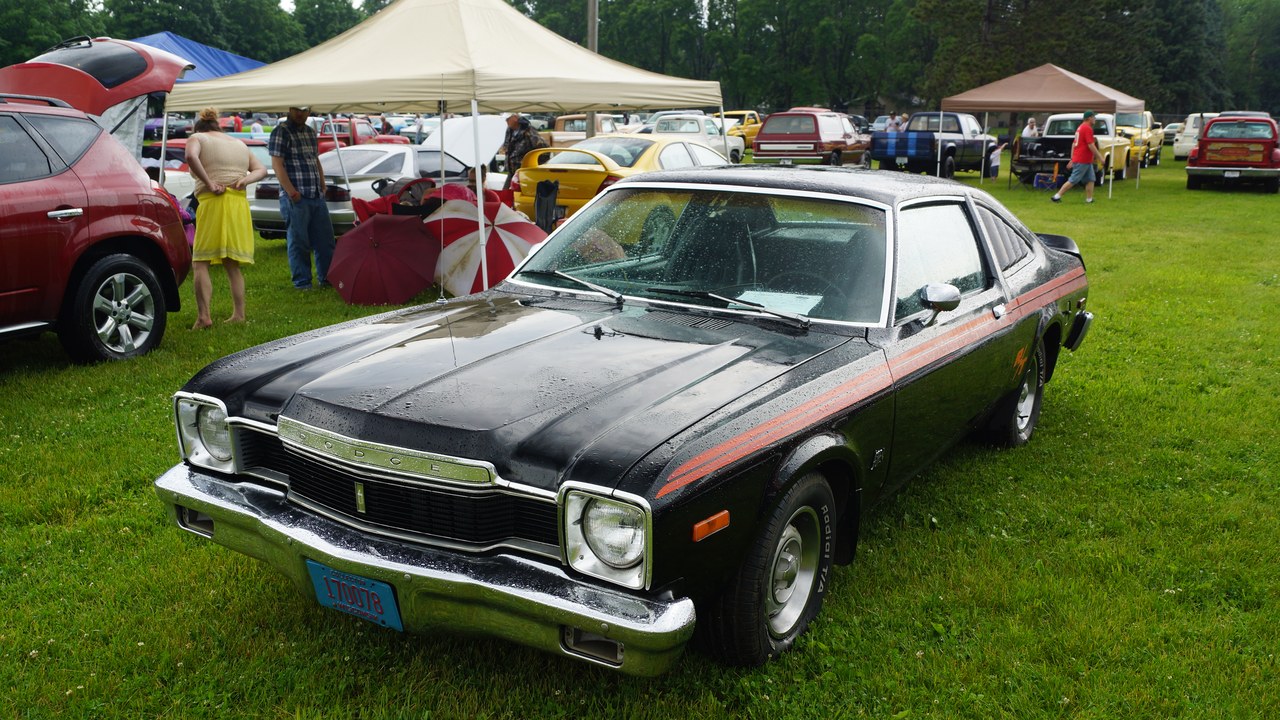
Sold alongside its Dodge sibling, the Plymouth Volaré debuted for 1976 as a compact meant to modernize Chrysler’s lineup. Like the Aspen it mirrored, it suffered early quality woes and endured a string of recalls that undercut its appeal.
Corrosion and manufacturing defects frustrated owners and deepened Chrysler’s reputation crisis as the decade wore on. The Volare rounds out the malaise-era roster as a reminder that shared platforms could spread the same flaws across brands, multiplying the damage when a rushed design failed to meet the durability buyers expected.
More from Morning Overview
