
Buying a used luxury or import model can feel like a bargain until the repair bills start arriving. Some vehicles combine complex engineering with parts and labor costs that catch used buyers off guard, turning a discount purchase into a recurring expense. Here are ten cars owners most regret buying used.
1. BMW 7 Series: Repairs That Rival the Purchase Price
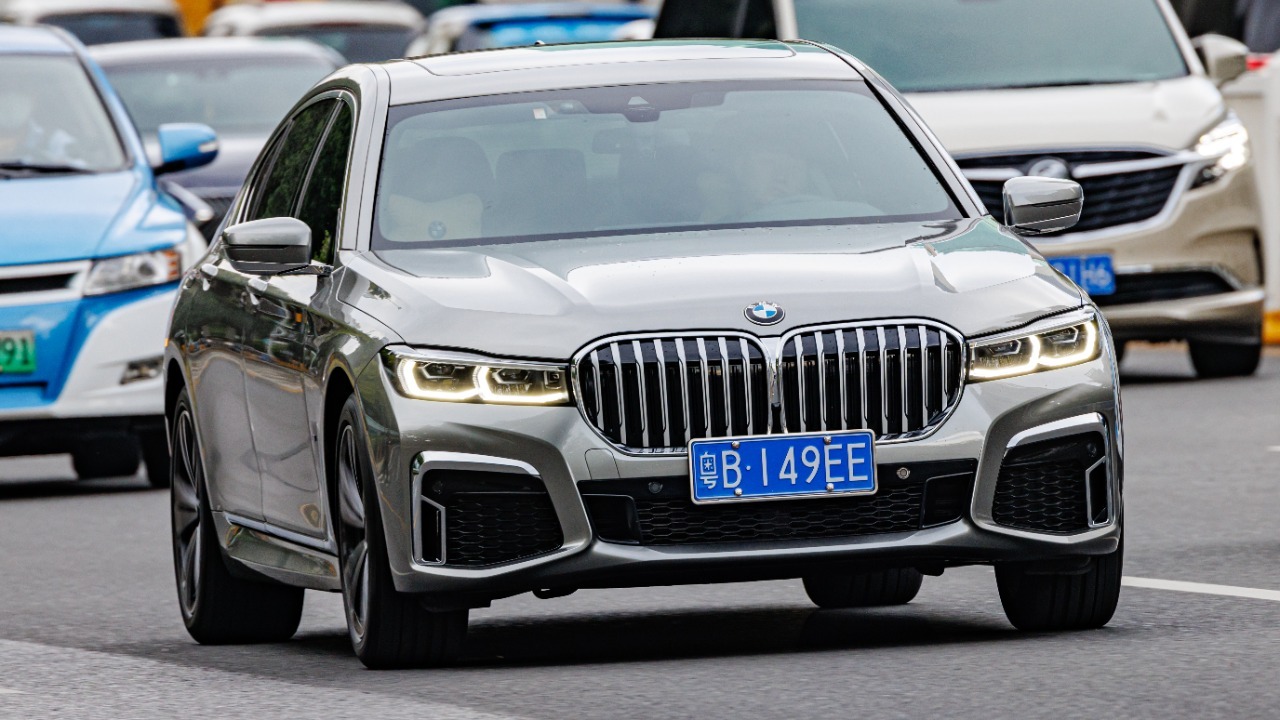
The BMW 7 Series pairs flagship luxury with the automaker’s most complex engineering, including air suspension, adaptive dampers, and turbocharged V8 engines prone to timing chain guide wear. BMW’s flagship sedan was engineered for buyers with factory warranty coverage and a dealership service budget, not secondhand owners hunting bargains.
Once warranty coverage lapses, independent shops routinely quote thousands of dollars for suspension compressors, electronic module replacements, or a single turbocharger swap. Buyers considering an older 7 Series should budget for a pre-purchase inspection focused on the air suspension and cooling system, since deferred maintenance on those components compounds quickly.
2. Land Rover Range Rover: A Reputation for Expensive Surprises
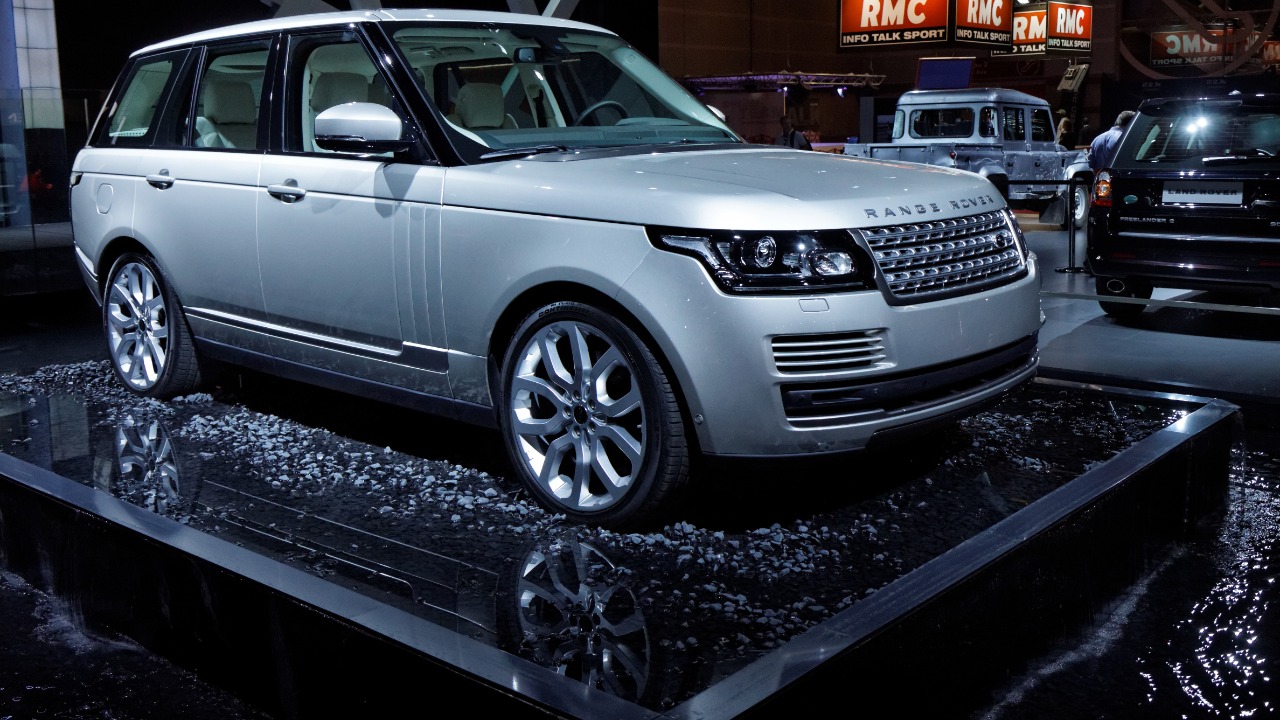
The Range Rover’s air suspension system is widely reported by owners and independent mechanics as a recurring failure point, along with electrical faults affecting infotainment, sensors, and climate control. Reliability surveys have repeatedly placed the Range Rover near the bottom of the luxury SUV segment, a pattern that tracks across multiple model generations rather than a single bad year.
A failed air strut or compressor can cost well over a thousand dollars to replace, and electrical gremlins often require dealership diagnostic tools most independent shops lack. Shoppers looking at a used Range Rover should ask for service records showing the suspension and electrical systems were maintained, not just cosmetically refreshed.
3. Fiat 500: Charming Looks, Costly Upkeep
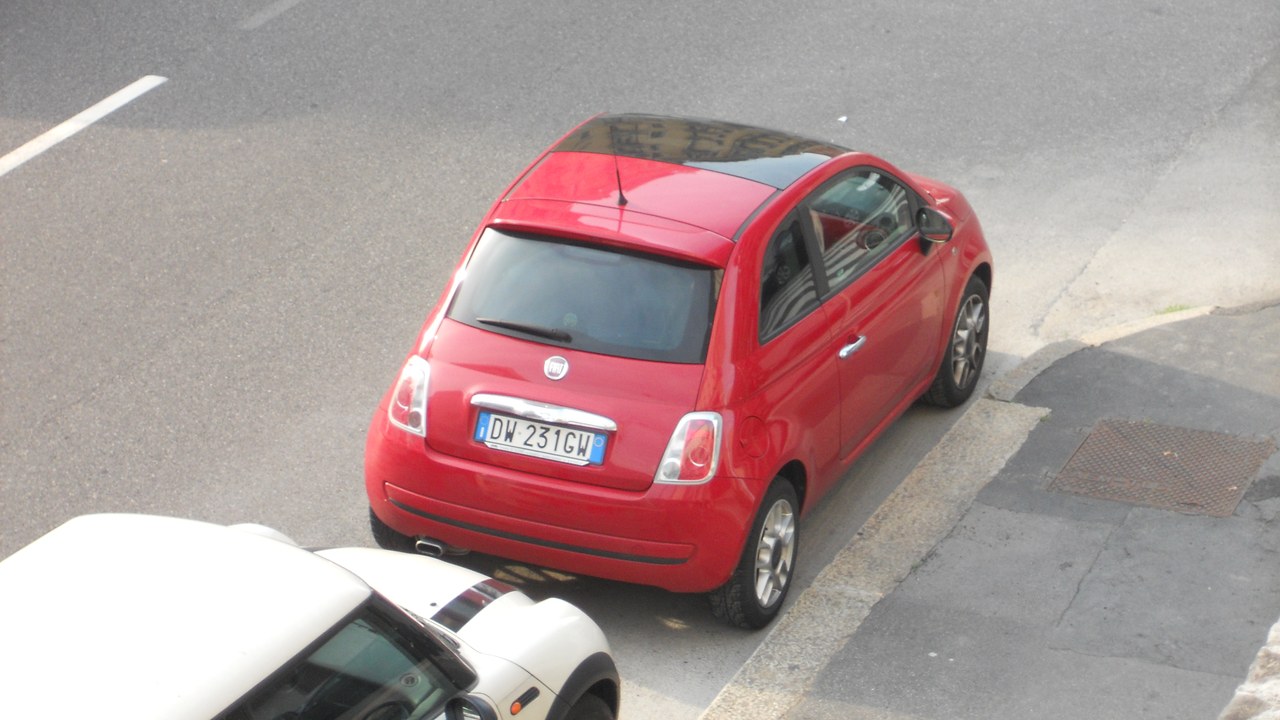
The modern Fiat 500 earned a loyal following for its retro styling and city-friendly size, but owners have logged persistent complaints about electrical faults, dashboard warning lights with no clear cause, and a dual-clutch automatic transmission that can hesitate or jerk at low speeds. Fiat’s dealer network in the United States also shrank significantly after 2020, leaving fewer specialists able to service the cars.
That combination — a finicky transmission and a thinning parts pipeline — pushes repair timelines and costs higher than a subcompact’s price tag suggests. A used 500 with a manual transmission tends to be the safer buy, and any automatic example is worth a transmission-specific inspection before purchase.
4. Nissan Juke: The CVT Owners Fear
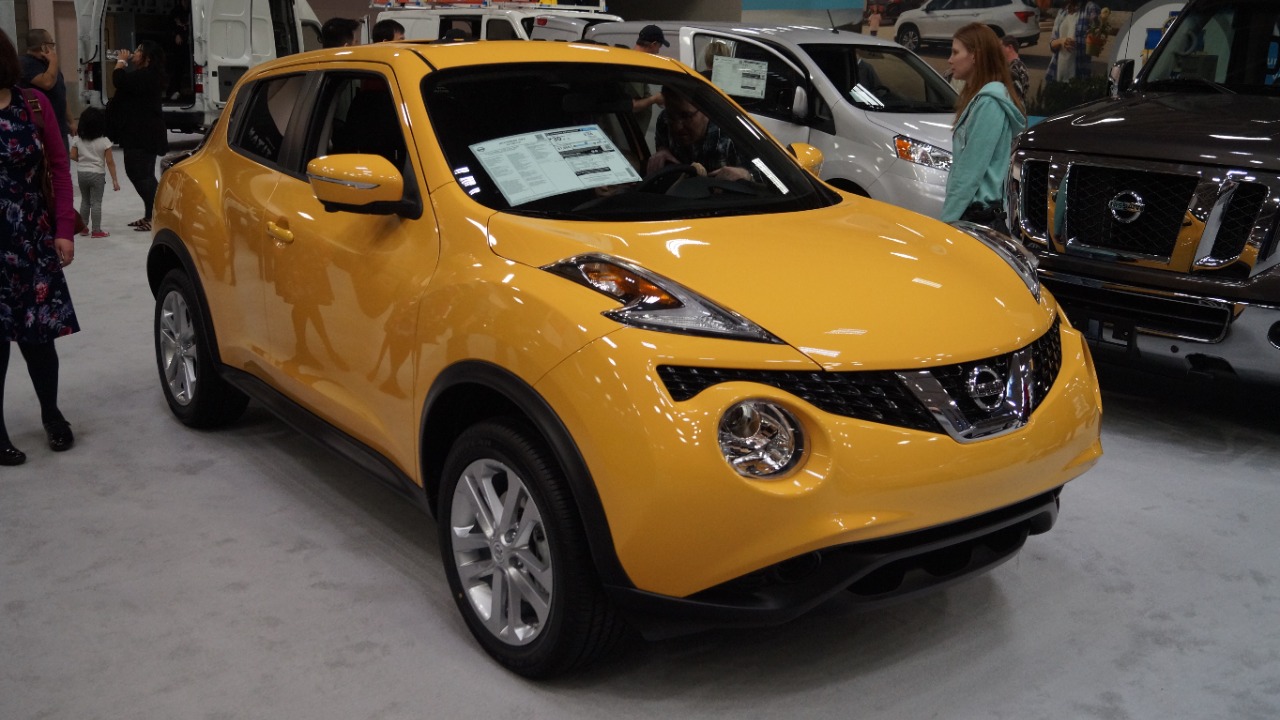
The first-generation Nissan Juke paired its polarizing styling with a continuously variable transmission that became one of the most complained-about CVTs of its era, with owners reporting shuddering, whining noises, and outright failure well before 100,000 miles on turbocharged models. Nissan extended warranty coverage on some CVT-equipped vehicles in response to the volume of complaints, though not every Juke qualified.
A CVT replacement can run several thousand dollars, often rivaling a large fraction of the car’s used value. Shoppers should look for documented CVT fluid changes and a test drive that includes hard acceleration, since slipping or hesitation under load is the clearest early warning sign.
5. Dodge Journey: A Platform That Outstayed Its Welcome
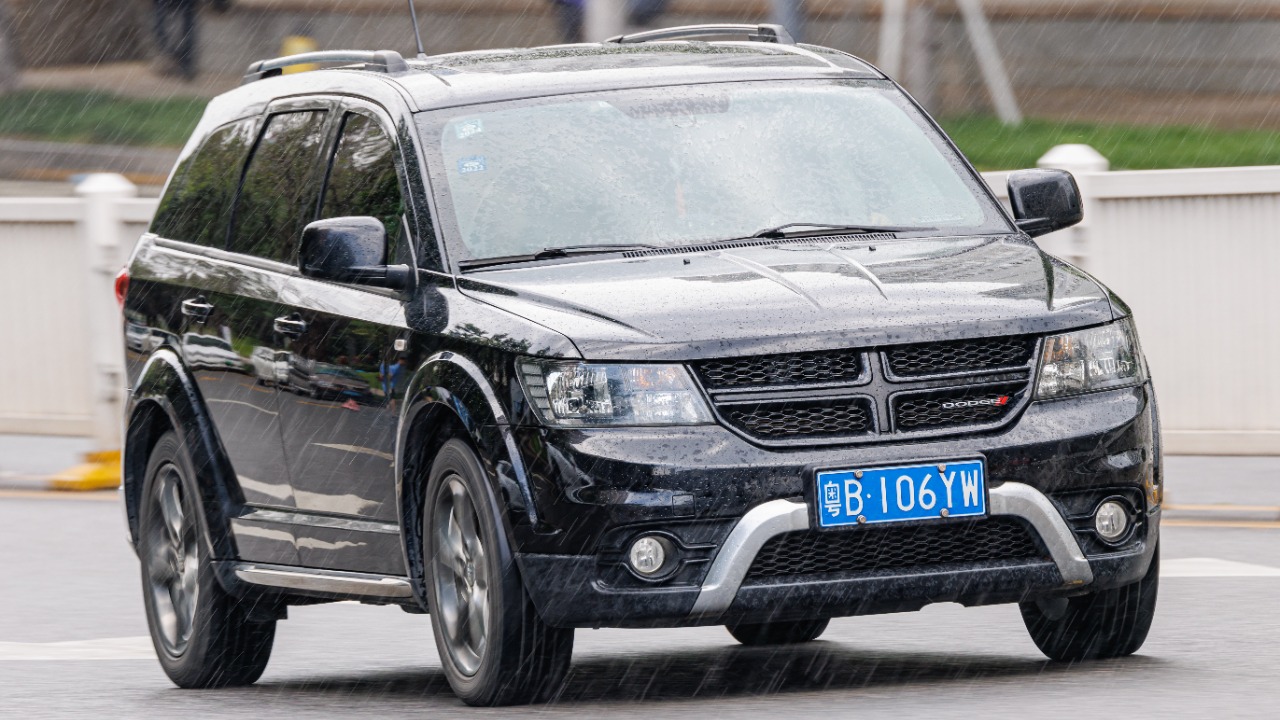
The Dodge Journey launched in 2008 and stayed in production largely unchanged through 2020, so even late-model used examples carry an aging interior, a dated infotainment system, and drivetrain components that consumer reliability surveys consistently ranked below rival crossovers. Owners have flagged rough-shifting automatic transmissions and interior trim that rattles or wears prematurely.
Because the Journey’s underlying architecture is over a decade old regardless of model year, buyers should treat any used one as an older vehicle mechanically, prioritizing a transmission fluid history and a close look at suspension bushings, which tend to wear faster than the badge’s year suggests.
6. Chrysler 200: The Transmission That Made Buyers Nervous
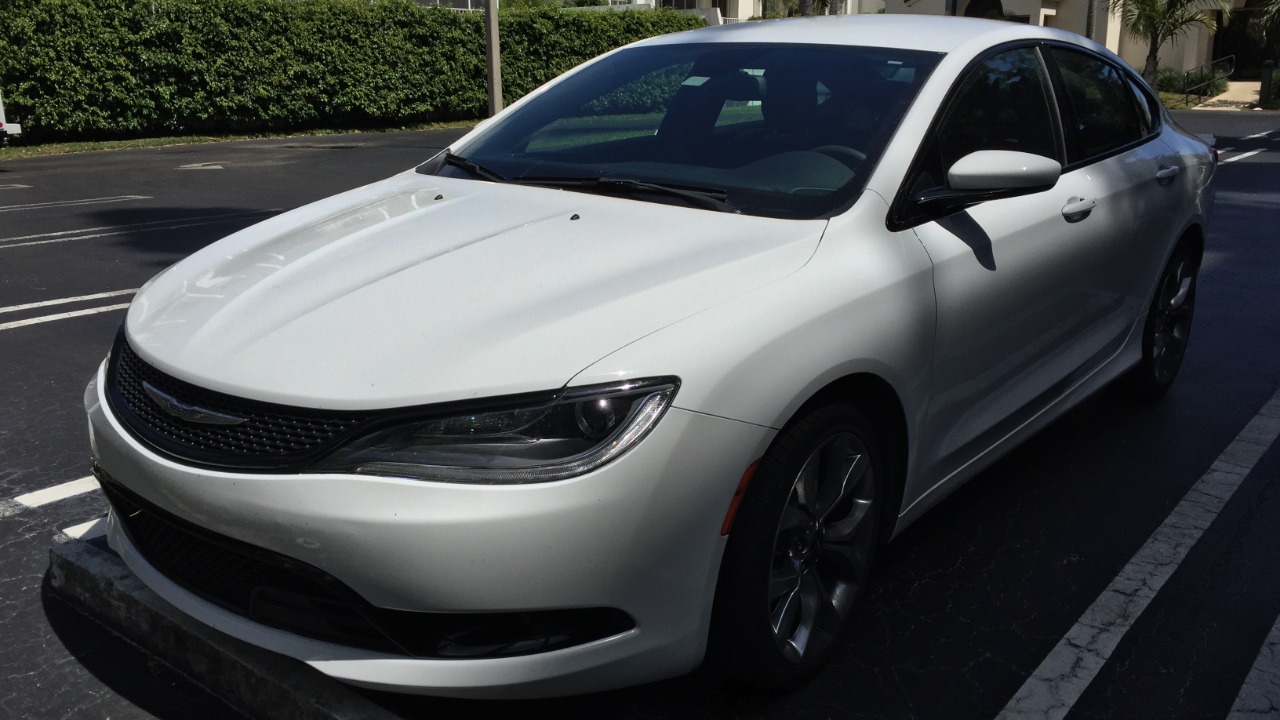
The redesigned 2015-and-later Chrysler 200 paired a nine-speed automatic transmission with owner complaints of harsh, delayed, or hunting gear shifts, an issue widespread enough that it became one of the most cited reasons the model struggled to hold resale value. Chrysler discontinued the 200 after the 2017 model year, shrinking the dealer network’s incentive to stock specialized parts.
Because the nine-speed unit was shared across several Chrysler and Jeep products, a used 200 buyer should request transmission software update history from a dealership, since several revisions were issued to address shift quality, and an untouched car may still exhibit the original complaint.
7. Jeep Compass: The First Generation Buyers Should Avoid
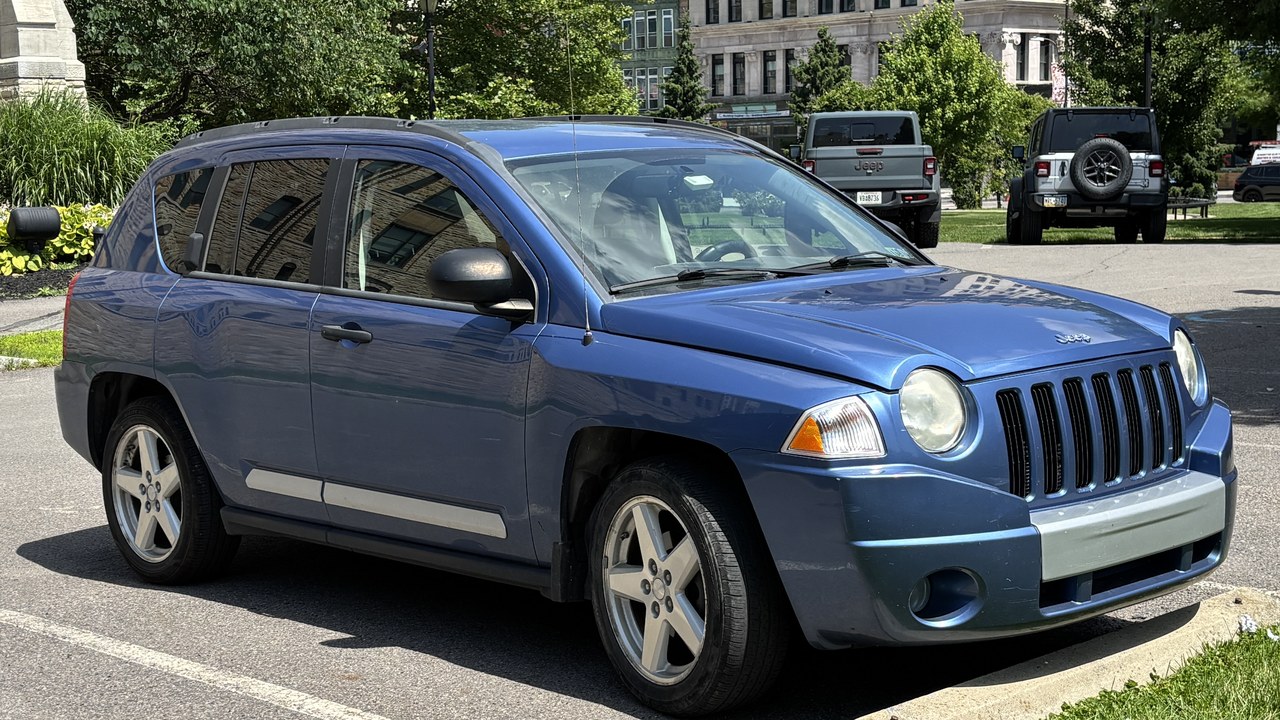
The original Jeep Compass, built from 2007 through 2016, drew heavy owner criticism for a continuously variable transmission prone to shuddering and premature wear, along with interior materials that consumer reviewers rated among the cheapest in its class. Jeep fully redesigned the Compass for 2017, and reliability complaints on the newer generation dropped noticeably compared with the original.
A used first-generation Compass is the one to be cautious about; the redesigned 2017-and-later version uses a conventional automatic on most trims and carries a materially different reputation. Buyers should confirm the model year and transmission type before assuming they’re getting the improved version.
8. Cadillac CTS: Luxury Repairs on a Second Owner’s Budget
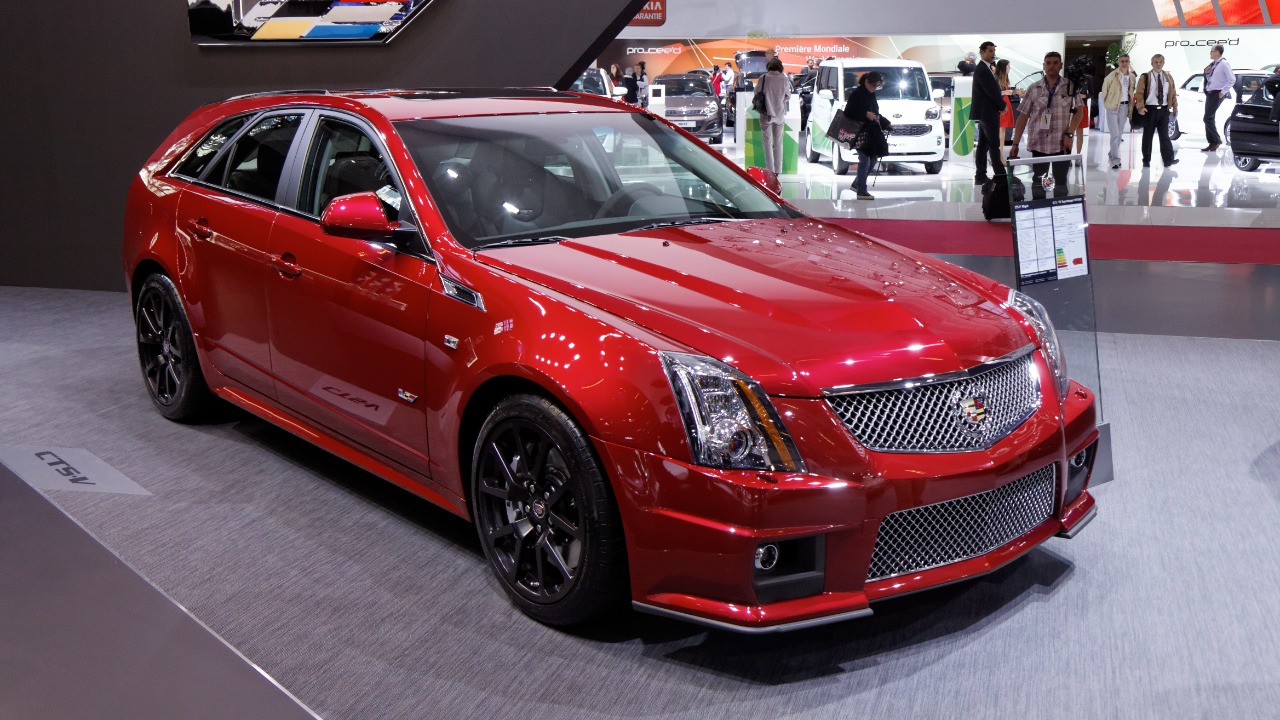
The Cadillac CTS, particularly V-Sport and wagon variants equipped with magnetic ride control and available all-wheel drive, packs the kind of adjustable suspension and electronic damping hardware normally found on European sport sedans, and repair costs follow that complexity once the car passes into second-owner hands. Independent shops often lack the diagnostic scan tools GM dealers use for the magnetic shocks and electronic modules.
A worn magnetic ride strut or a failing electronic module can cost far more than a comparable repair on a mainstream sedan, and used-CTS shoppers should specifically test the ride quality at speed for clunks or floatiness, a common early symptom before a full shock failure.
9. Volkswagen Passat: Where Aging Electronics Get Expensive
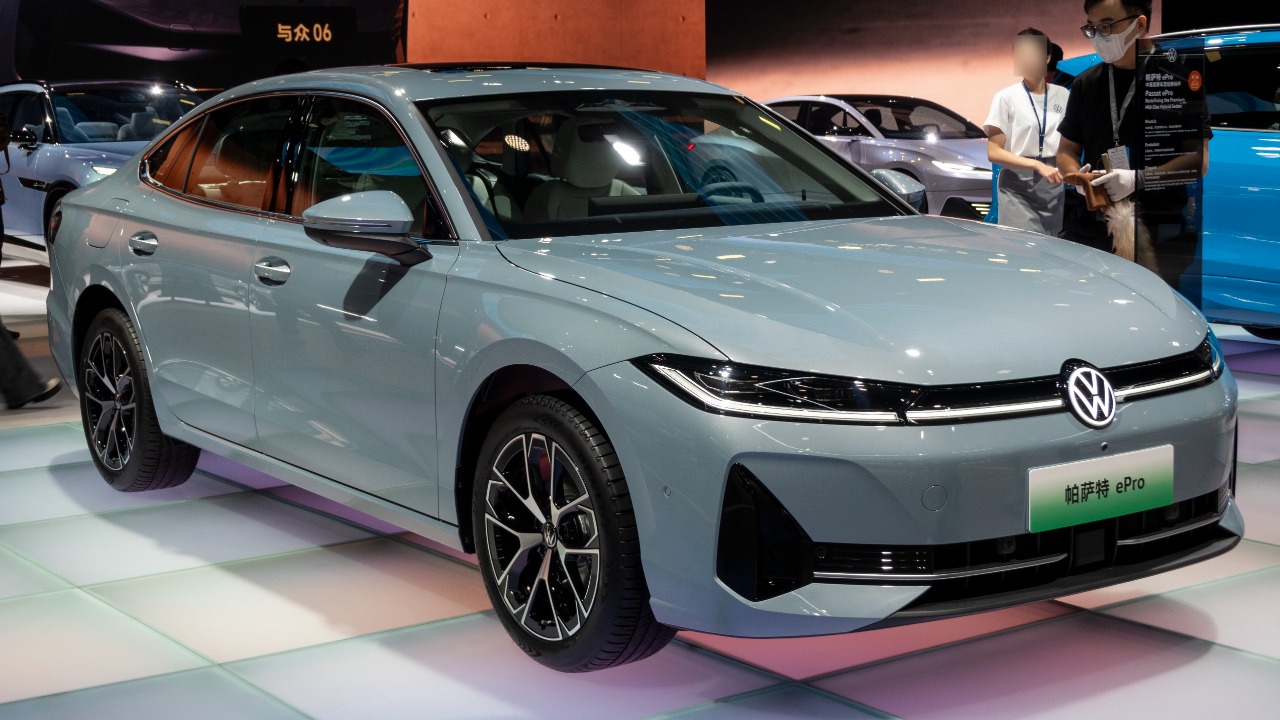
The Volkswagen Passat, especially turbocharged four-cylinder models built on the EA888 engine family, has drawn owner reports of timing chain tensioner wear and excess oil consumption as mileage climbs, alongside window regulators and electronic modules that fail earlier than on comparable Japanese and domestic sedans. Volkswagen’s parts and labor rates also tend to run higher than mainstream competitors even for routine repairs.
A timing chain tensioner failure can cause serious engine damage if ignored, so a pre-purchase inspection that includes a cold-start listen for chain rattle is worth the cost. Buyers should also budget for window regulator and electrical repairs that are common wear items rather than rare defects on higher-mileage cars.
10. Mini Countryman: Small SUV, BMW-Sized Repair Bills
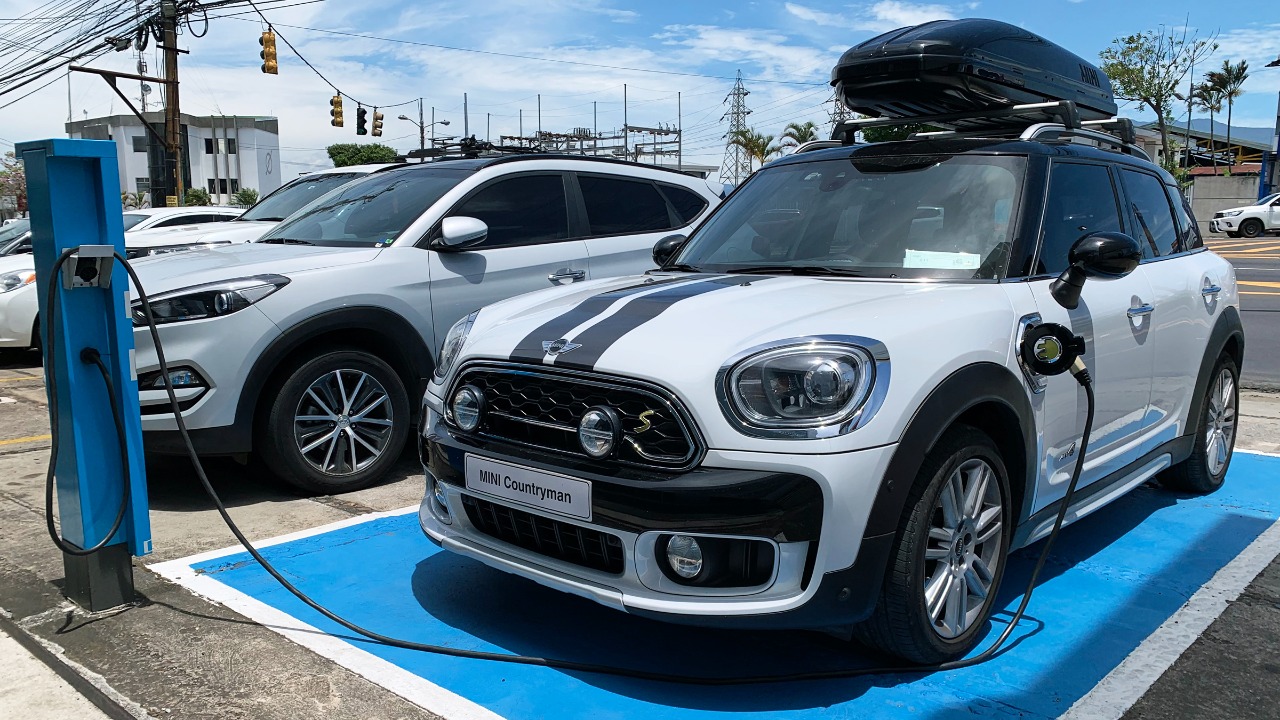
The Mini Countryman shares its turbocharged engine and drivetrain engineering with parent company BMW, and first-generation models have drawn owner complaints about timing chain and tensioner wear on the turbo four-cylinder, along with electrical faults in the power windows and touchscreen. Mini dealers also price parts and labor closer to BMW’s premium scale than to a typical compact SUV.
A timing chain issue caught early is a moderate repair; ignored, it can lead to major engine damage, so buyers should ask for maintenance records confirming the chain and tensioner were inspected. Budget-minded shoppers should weigh that premium parts pricing against the Countryman’s compact size before buying used.
More from Morning Overview
- Ancient DNA suggests Neanderthals and humans mixed for reasons that had nothing to do with attraction.
- Rare footage shows an orca tearing open a whale shark to feast on its liver
- A slab of a Hawaiian volcano is slowly sliding toward the sea
- A handful of SUVs keep hitting 300,000 miles, and they share one engine trait
