
Some cars earn their fame on the road, while others become legends the moment a camera rolls. A memorable film or television part can lift an ordinary production model into an icon that outlives the story around it. What follows are ten machines whose screen roles turned them into household names.
1. DMC DeLorean: The Time-Traveling Icon
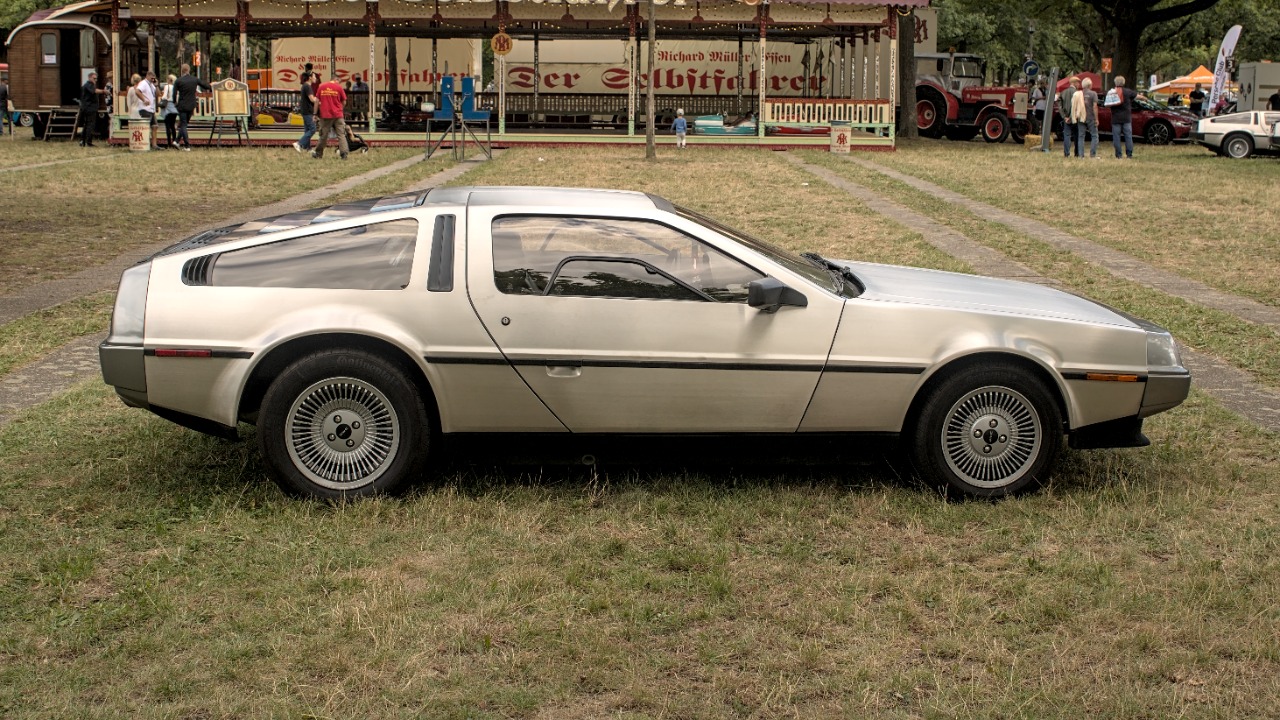
The stainless-steel DeLorean rolled out of a short-lived Northern Ireland factory, yet its gullwing doors and unpainted body found lasting fame as Doc Brown’s time machine in Back to the Future. That trilogy turned the brushed-metal sports car into a cultural landmark the moment it hit eighty-eight miles per hour on screen. Its flux-capacitor gag rescued a commercial flop from obscurity.
Fewer than nine thousand were ever built before the company collapsed, which makes surviving examples prized collector pieces. Decades later, the films keep demand alive, and faithful replicas of the movie car still draw crowds at conventions and museum displays around the world.
2. Aston Martin DB5: Bond’s Silver Weapon
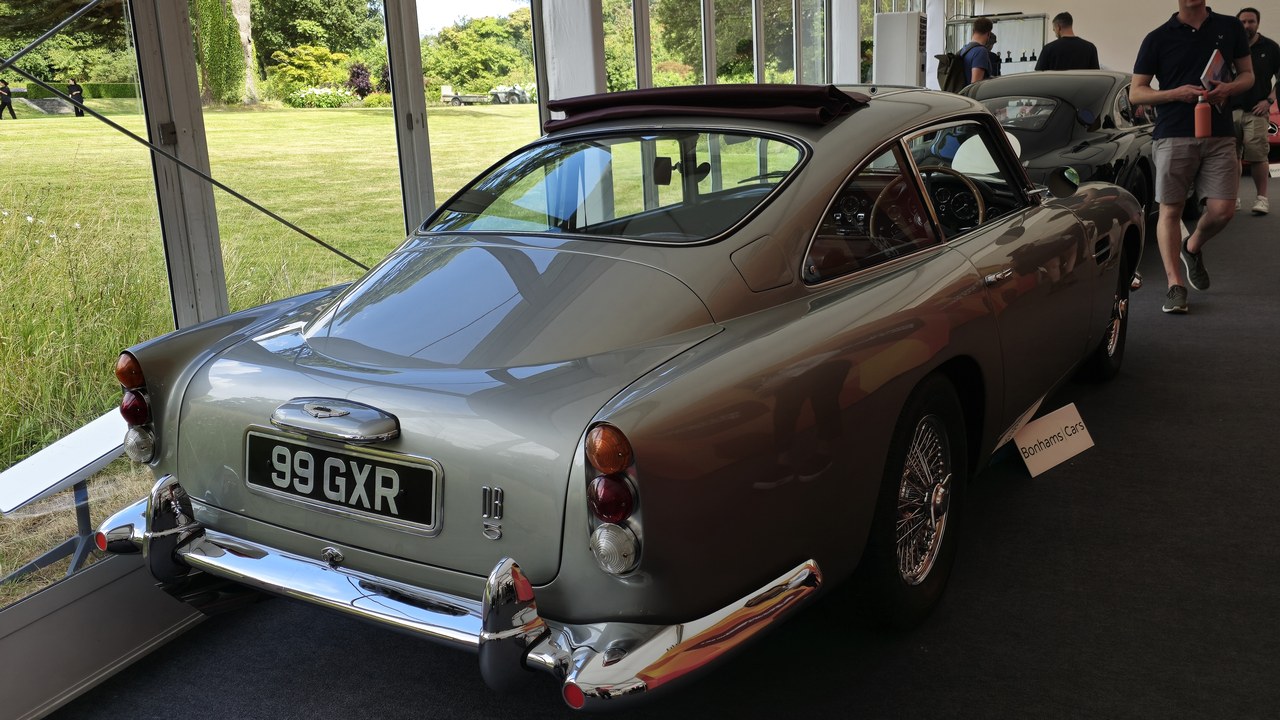
Sleek and unmistakably British, the Aston Martin DB5 became the definitive James Bond car after Sean Connery drove one through Goldfinger. Screen crews loaded the silver grand tourer with ejector seats, revolving license plates, and hidden machine guns, cementing its place in spy-film lore. The DB5 later returned across several Bond entries, its silhouette instantly signaling the franchise.
Only around a thousand DB5s ever left the factory, so the gadget-equipped screen cars command staggering auction prices. One original hammered for millions of dollars, demonstrating how a single memorable movie role can multiply a classic car’s value many times over.
3. Ford Mustang: Bullitt’s Green Machine

Steve McQueen’s Highland Green fastback tore through San Francisco in Bullitt, and the Ford Mustang has been chasing that reputation ever since. The 1968 GT anchored a car chase so influential that filmmakers still study its pacing and roaring engine soundtrack. That sequence turned the green pony car into shorthand for understated cool.
Ford has honored the movie repeatedly with special Bullitt editions, each echoing the dark paint and blacked-out grille of the original. One of the actual screen cars resurfaced decades later and sold for a record sum, sealing the Mustang’s cinematic legend.
4. Dodge Charger: The General Lee Jumps
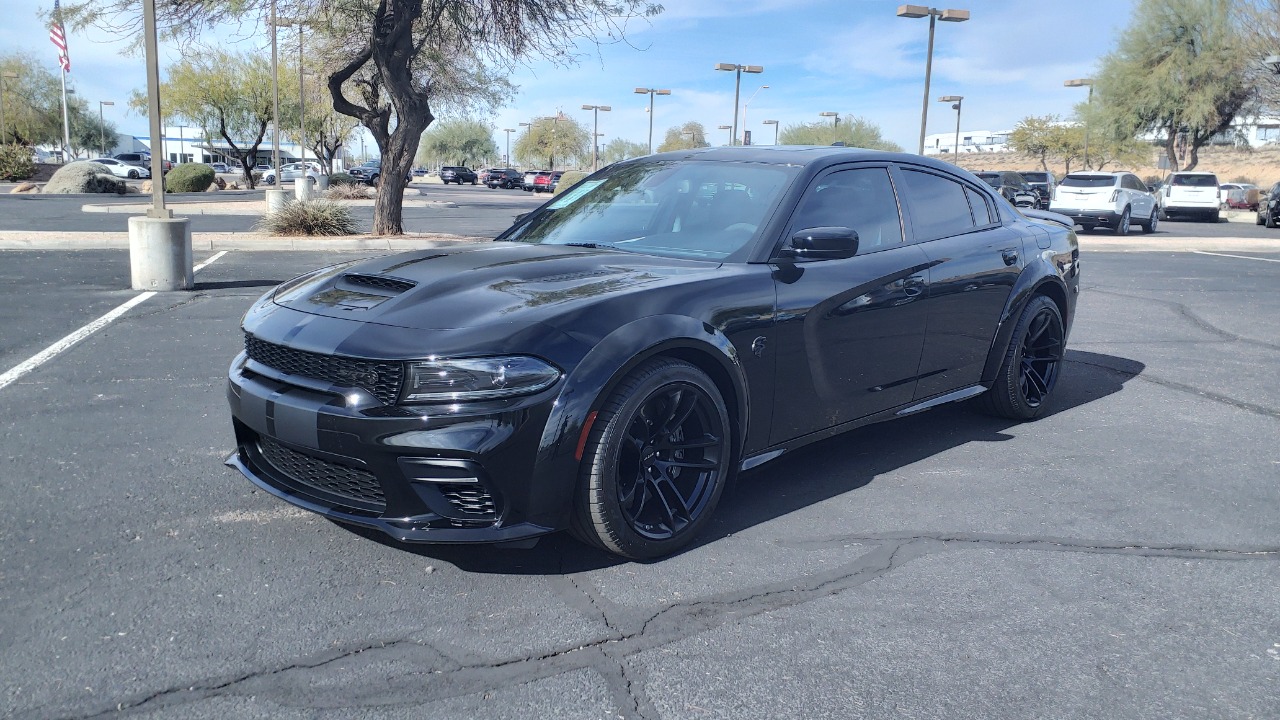
Orange paint, a painted rooftop, and welded-shut doors made the 1969 Dodge Charger known as the General Lee unforgettable on The Dukes of Hazzard. The show flung the second-generation muscle car over countless dirt hills, wrecking large numbers of examples across its run. Its horn playing the opening bars of Dixie grew as recognizable as the jumps themselves.
By many accounts the production destroyed hundreds of Chargers during filming, an attrition rate few other series ever matched. Surviving stunt cars and faithful tributes remain fixtures at car shows, keeping the coupe firmly planted in television history.
5. Cadillac Miller-Meteor: From Ambulance To Ecto-1
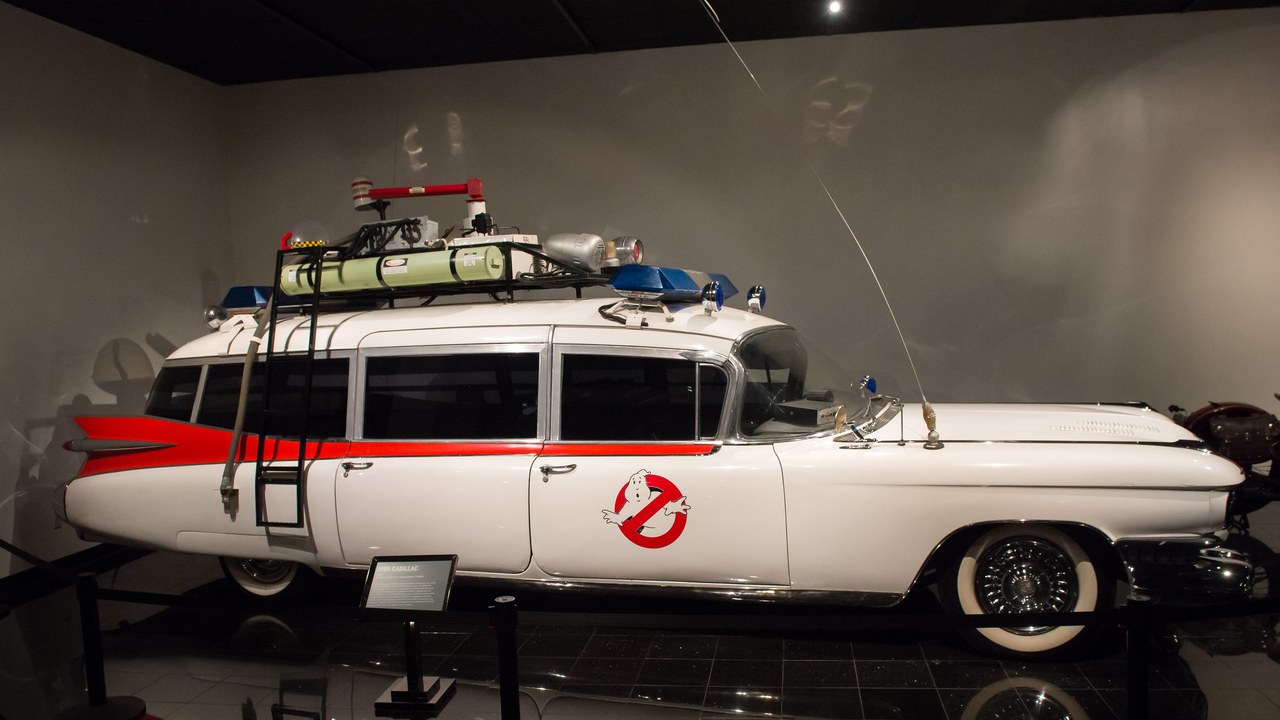
Built on a Cadillac commercial chassis, the 1959 Miller-Meteor served as an ambulance and hearse before Ghostbusters transformed it into the Ecto-1. Painted white with red trim and a cluttered roof rack, the converted emergency vehicle ferried the ghost hunters through New York City. Its wailing siren and tail fins became a franchise trademark.
Miller-Meteor produced these professional cars in limited numbers, so an authentic base vehicle is genuinely rare today. The Ecto-1 has been rebuilt for sequels and reboots over the years, ensuring the finned Cadillac stays permanently linked to the series.
6. Volkswagen Beetle: The Love Bug Lives
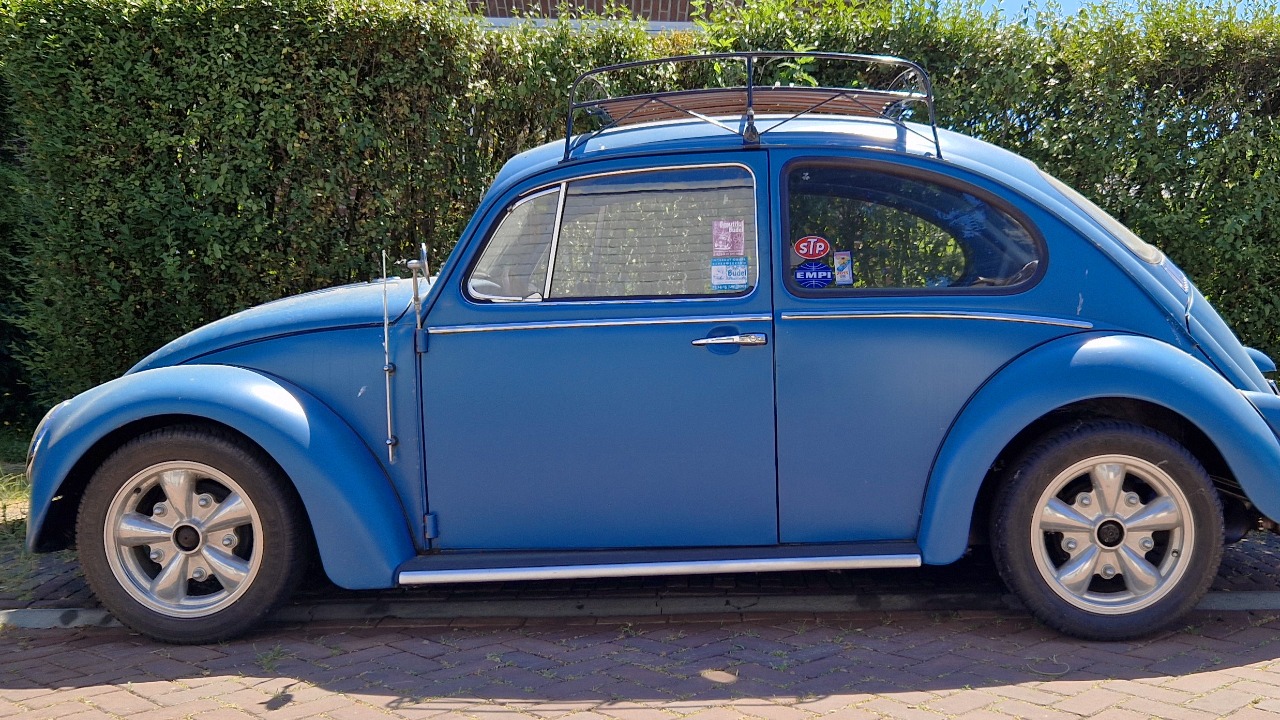
A humble Volkswagen Beetle gained a personality of its own as Herbie, the sentient racing car of Disney’s The Love Bug. Marked with the number fifty-three and red-white-and-blue stripes, the air-cooled compact car starred across several sequels and a later reboot. Herbie’s mischievous antics gave the affordable German model unexpected star power.
The Beetle already ranked among the best-selling cars ever made, and the films widened its appeal to whole family audiences. Enthusiasts still restore Herbie tributes down to the racing number, and the friendly bug endures as one of cinema’s most beloved vehicles.
7. Mini: Turin’s Getaway Trio
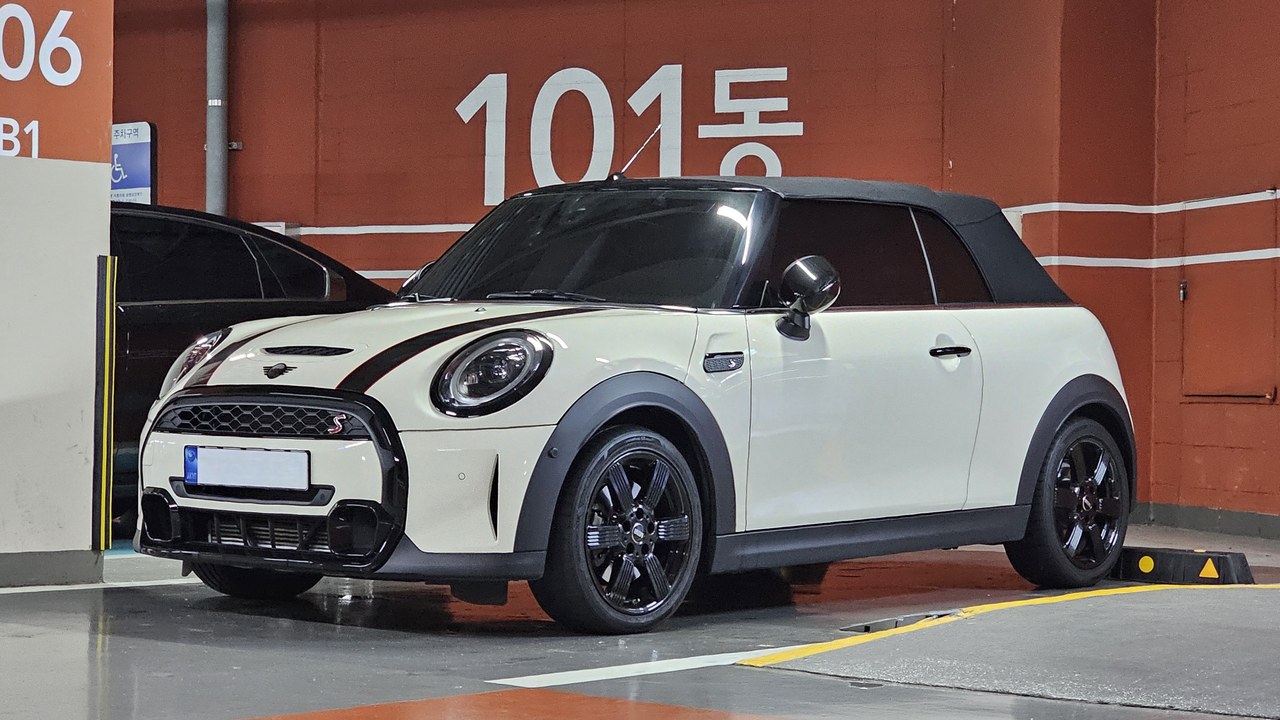
Three nimble Minis stole the show in the original 1969 The Italian Job, weaving through Turin as red, white, and blue getaway cars. Their tiny footprint let stunt drivers thread the plucky British runabout down staircases, through storm drains, and across rooftops. That chase turned an economy car into an icon of cheeky heist cinema.
The Mini’s success on screen mirrored its genuine popularity as an affordable, space-efficient design that packed four seats into a small shell. A 2003 remake revived the idea with modern Minis, introducing the little car to an entirely fresh generation of moviegoers.
8. Pontiac Firebird Trans Am: KITT Takes The Wheel
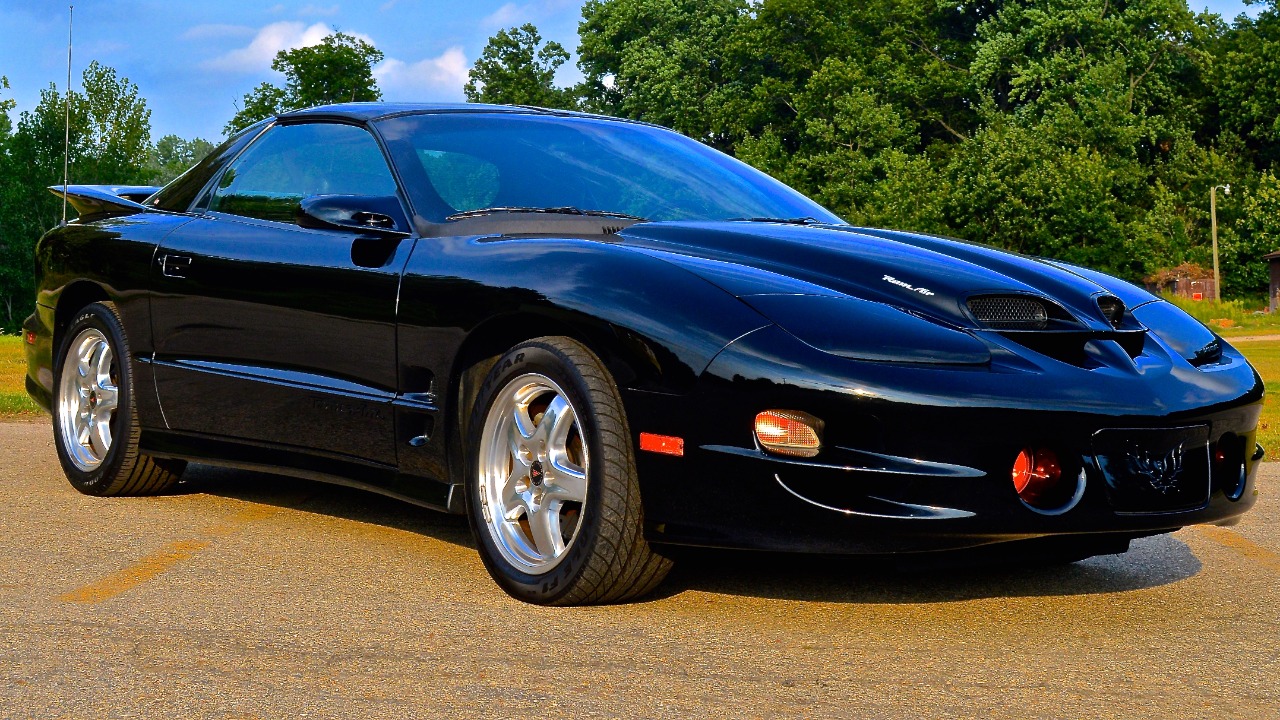
Knight Rider gave the Pontiac Firebird Trans Am a second identity as KITT, the talking, self-driving crime-fighting car. The black third-generation coupe carried a red scanner light sweeping across its nose that grew instantly recognizable. That gadgetry recast the sleek American coupe as futuristic technology on four wheels.
Trans Am interest rose alongside the show’s popularity during the early 1980s, when the model already symbolized homegrown performance. Restored KITT tributes, complete with the sweeping front light and dashboard displays, remain crowd favorites at fan conventions and automotive events.
9. Ford Falcon: Mad Max’s Interceptor
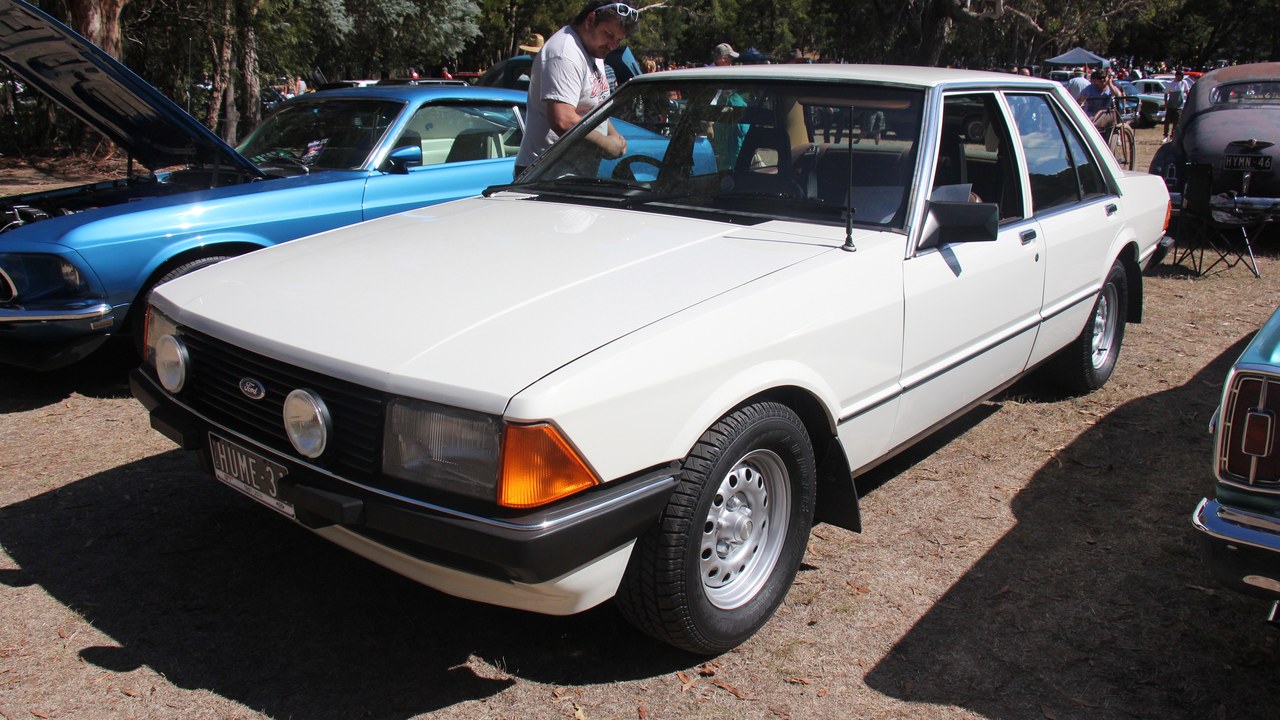
Australia’s Ford Falcon XB became the menacing Pursuit Special, better known as the Interceptor, driven by Mel Gibson in Mad Max. Fitted with a prominent supercharger and blacked-out bodywork, the Australian muscle coupe embodied the film’s dystopian grit. Its growling presence made the Falcon a legend far beyond its home market.
The Falcon was a mainstream family car across Australia, yet the movie transformed one variant into a global cult object. The surviving Interceptor has been displayed in museums, and devoted enthusiasts worldwide continue to build faithful replicas of the fearsome machine.
10. Chevrolet Corvette: America’s Screen Staple
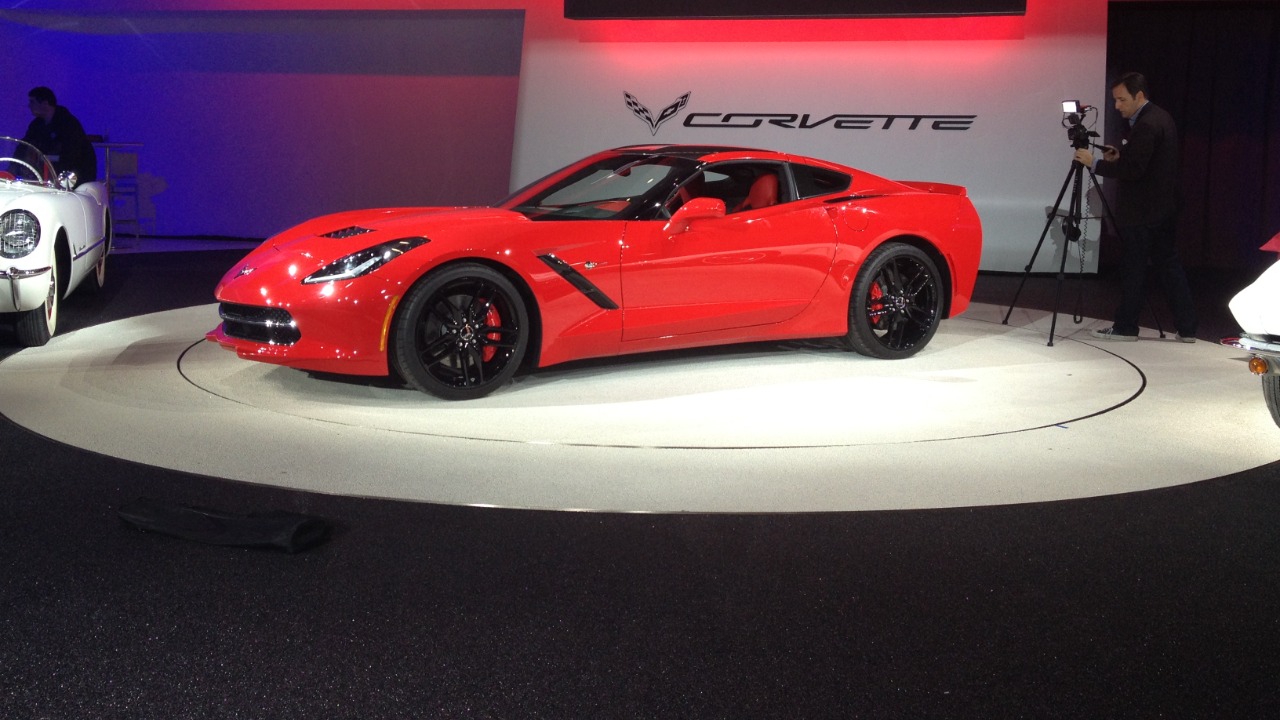
America’s longest-running sports car, the Chevrolet Corvette, has appeared on screen so often it now reads as shorthand for homegrown cool. The television series Route 66 sent two wandering drifters across the country in a fiberglass American roadster, boosting the model’s early image. Countless films since have used the Corvette to signal confidence and freedom.
Each generation refreshed that appeal, from chrome-bumpered early classics to the mid-engine models sold today. Because it has featured in so many productions, the Corvette stands less for one single part than for a decades-long presence in American entertainment.
More from Morning Overview
- More than 60,000 people flee the Spokane area as complex fires overrun 600 structures
- 11 engines built to run well past 200,000 miles
- Card skimmers hidden on gas pumps and ATMs are draining accounts, and here’s the tell
- The FBI says hackers are hijacking outdated home routers, and it named the models to check
