
Repair cost is not the same thing as sticker price, and the gap between them is where insurance premiums get set. Cars built from aluminum, carbon fiber, or dense layers of electronics can turn a modest collision into a five-figure claim, because the materials and the labor behind them are specialized. Here are ten cars whose construction makes body shop work unusually expensive.
1. Tesla Model S: Where the Battery Is the Structure
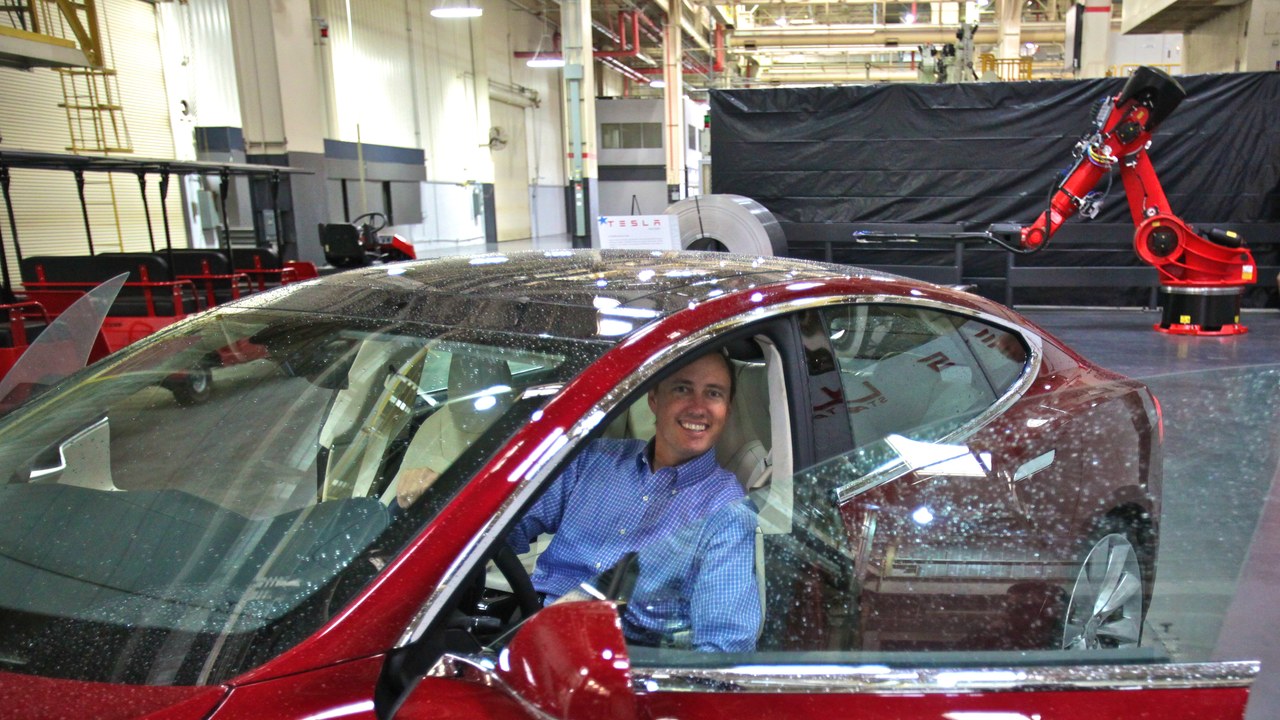
Structure and battery are the same object on the Model S: the lithium-ion pack sits flat in the floor and carries load, while the body around it is aluminum-intensive. Reference documentation for the full-size electric liftback ties both decisions to weight and range targets rather than to ease of repair. Damage that reaches the pack or distorts the aluminum shell pulls high-value components into what would otherwise be an ordinary collision estimate.
Aluminum welding and high-voltage safety training also narrow the pool of shops able to touch the car. Longer stays in those shops add rental and storage costs that sit on top of the parts invoice.
2. BMW 7 Series: The Sensor Recalibration Tax

BMW’s flagship is where the company’s newest electronics land first, and the full-size luxury sedan has introduced driver interfaces and assistance hardware years before they reached cheaper models. That habit puts cameras, radar units, and control modules behind bumpers, inside mirrors, and along the glass. Replacing any of those panels means replacing and recalibrating whatever was mounted to them.
Calibration is billable labor stacked on top of parts, and it applies even when the visible damage is cosmetic. A bumper scuff can therefore generate an invoice that a comparable dent on a mainstream sedan never would.
3. Mercedes-Benz S-Class: Flagship Tech, Flagship Bills

Mercedes has used the S-Class as its technology showcase for decades, and the flagship luxury saloon carried safety systems such as anti-lock braking and electronic stability control before the wider market saw them. Each generation layers more actuators, sensors, and networked modules into the same body. Those systems are integrated rather than bolted on, so one impact can implicate several of them at once.
Diagnostic time grows with that complexity, because a shop has to establish which modules were disturbed before it can quote the job. Low-volume flagship parts pricing then compounds the effect.
4. Porsche 911: Engine Out for Access
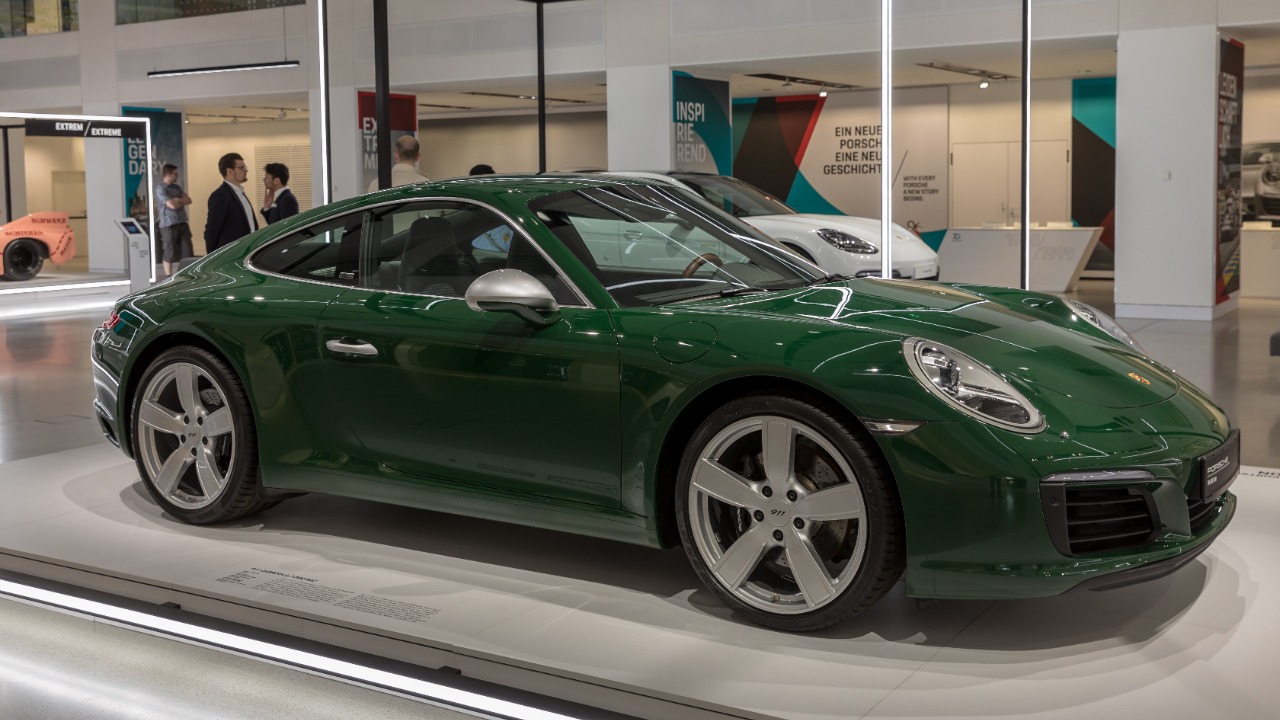
Six decades of continuous production have not simplified the 911. The rear-engined sports car keeps its flat-six behind the rear axle, a layout that dictates how cooling, suspension, and rear structure are packaged around it, and serious engine work often means removing the assembly rather than reaching in from above.
Panels, glass, and trim are model-specific instead of shared with a high-volume line, so scarcity is priced into every part number. Insurers factor that scarcity into premiums long before any crash happens.
5. Audi A8: The Aluminum Space Frame
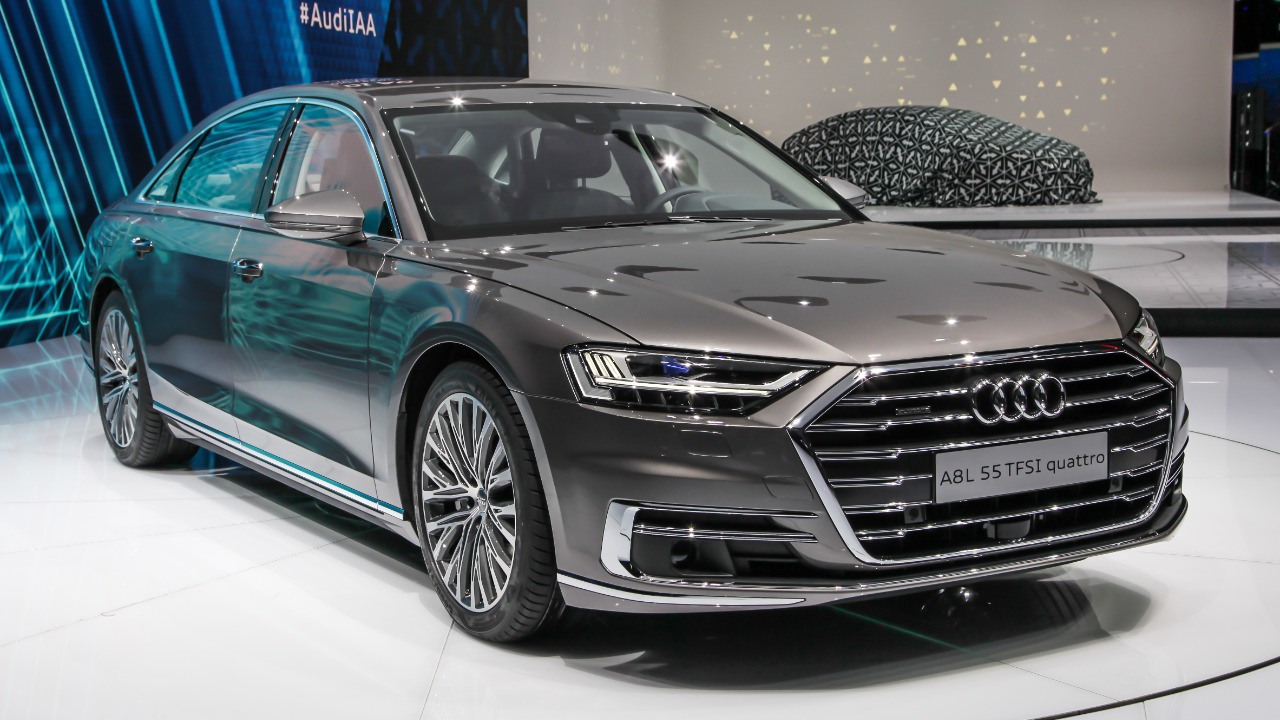
Aluminum reached the A8 first. Audi launched the Audi Space Frame construction with the model’s first generation, replacing a conventional steel shell with a bonded and riveted aluminum structure. Steel sections can often be pulled and heated back toward their original shape, while damaged aluminum sections are more commonly cut out and replaced, which changes the repair method itself and not merely the parts bill.
Shops need dedicated tooling and a separated work area to keep steel dust away from aluminum. Fewer certified facilities in a region means less price competition on any given claim.
6. Land Rover Range Rover: Air Suspension and Aluminum
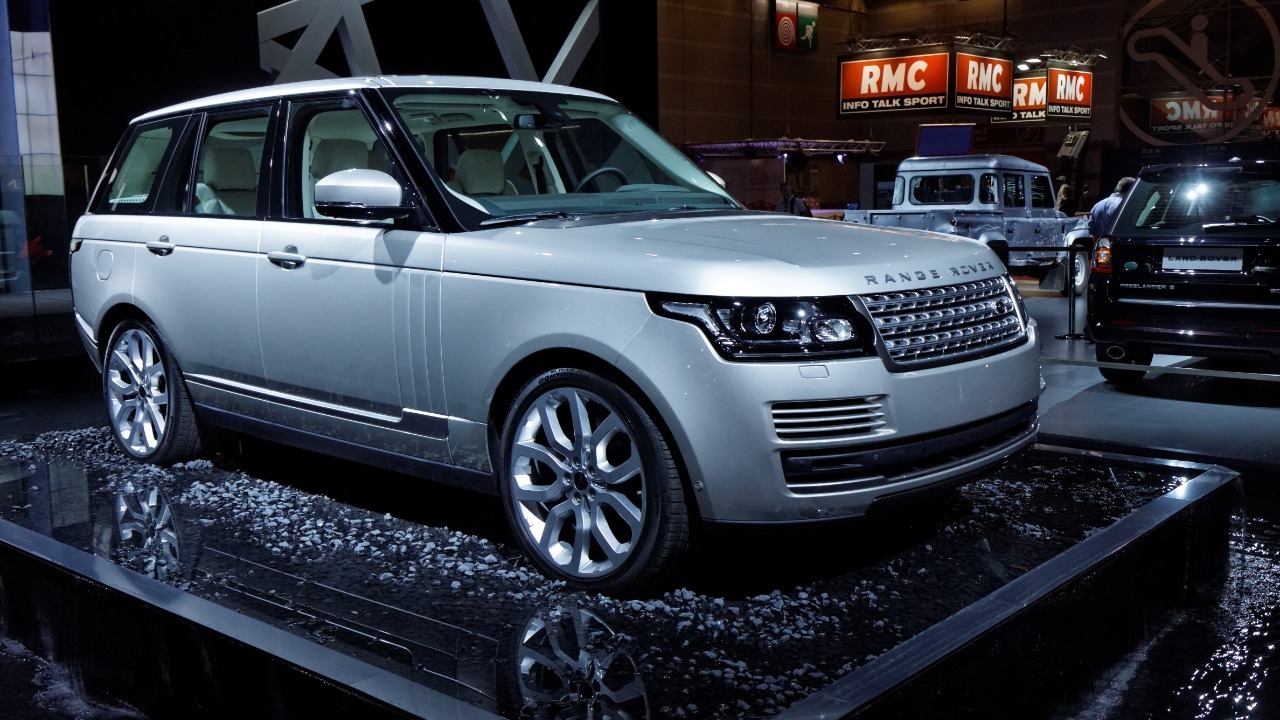
Land Rover moved the full-size luxury SUV to an aluminum monocoque with its fourth generation and pairs that body with air suspension and permanent four-wheel-drive hardware. Height-adjustable air springs, their compressors, and the control units behind them are wear items as well as crash items. A rear impact can therefore involve suspension electronics as readily as sheet metal.
Off-road capability that most owners never exercise still has to be made whole after a collision. The result is a claim covering systems a comparable two-wheel-drive crossover simply does not carry.
7. Maserati Quattroporte: Parts That Ship From Italy
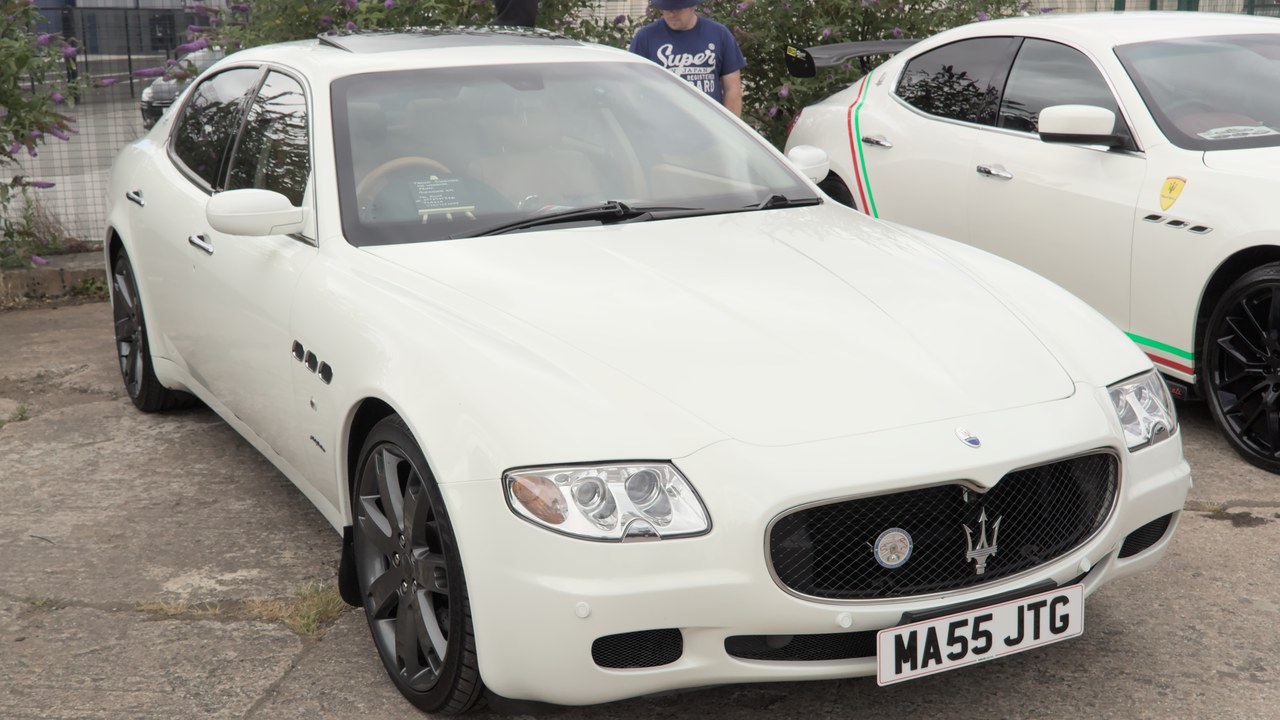
Volume is the problem with the Quattroporte. The Italian executive sedan is built in far smaller numbers than its German rivals, and several generations ran engines assembled by Ferrari. Components for a car produced at that scale are ordered rather than stocked, and a single body panel may have to travel from Italy before the work can even begin.
Waiting on parts stretches a repair well past the timeline of a routine claim. Every additional week adds loaner and administrative cost that has nothing to do with the metal itself.
8. Jaguar F-Type: Bonded Aluminum, Two Seats
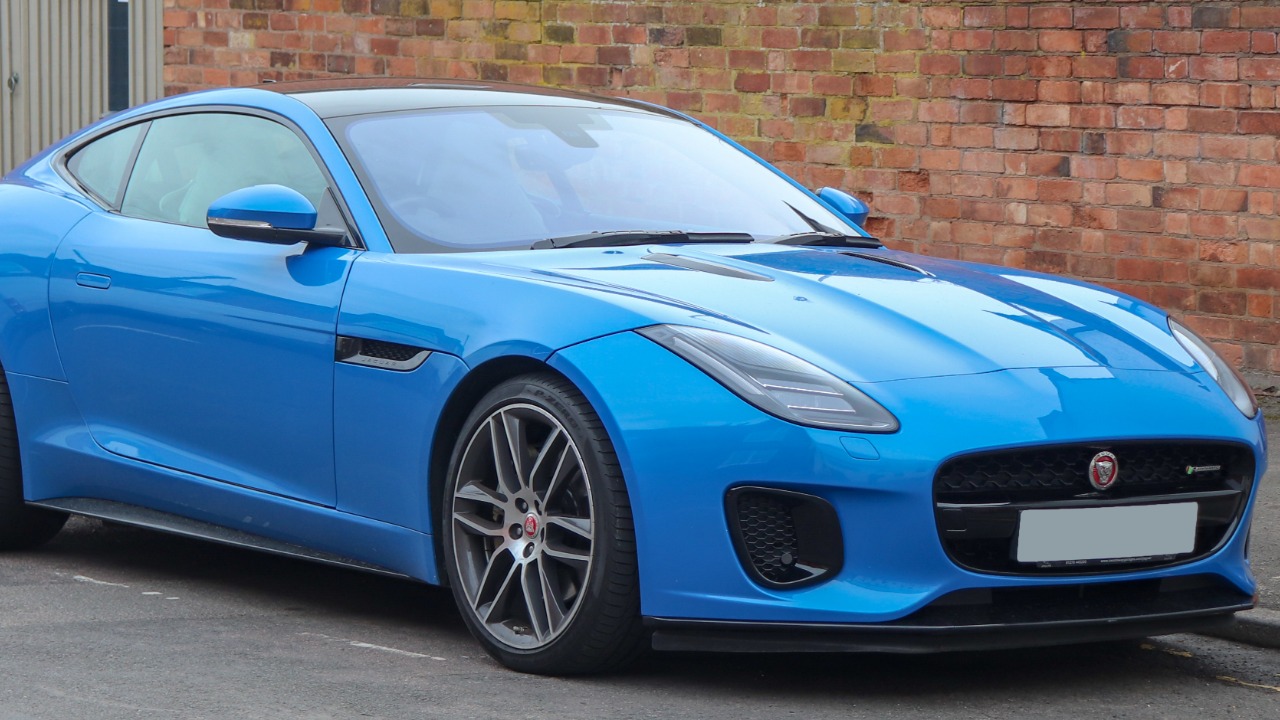
Jaguar built the aluminum-bodied sports car on a shortened version of the XK platform, keeping the bonded aluminum architecture the larger car used. Two seats and a low roofline leave little crush space, so impact energy travels into structural sections rather than into sacrificial bodywork. Those sections are bonded and riveted instead of bolted.
Separating and rebonding them correctly requires specific equipment and factory procedure. A shop without that certification cannot honestly claim to have returned the structure to specification.
9. Cadillac Escalade: Big Panels, Bigger Paint Jobs
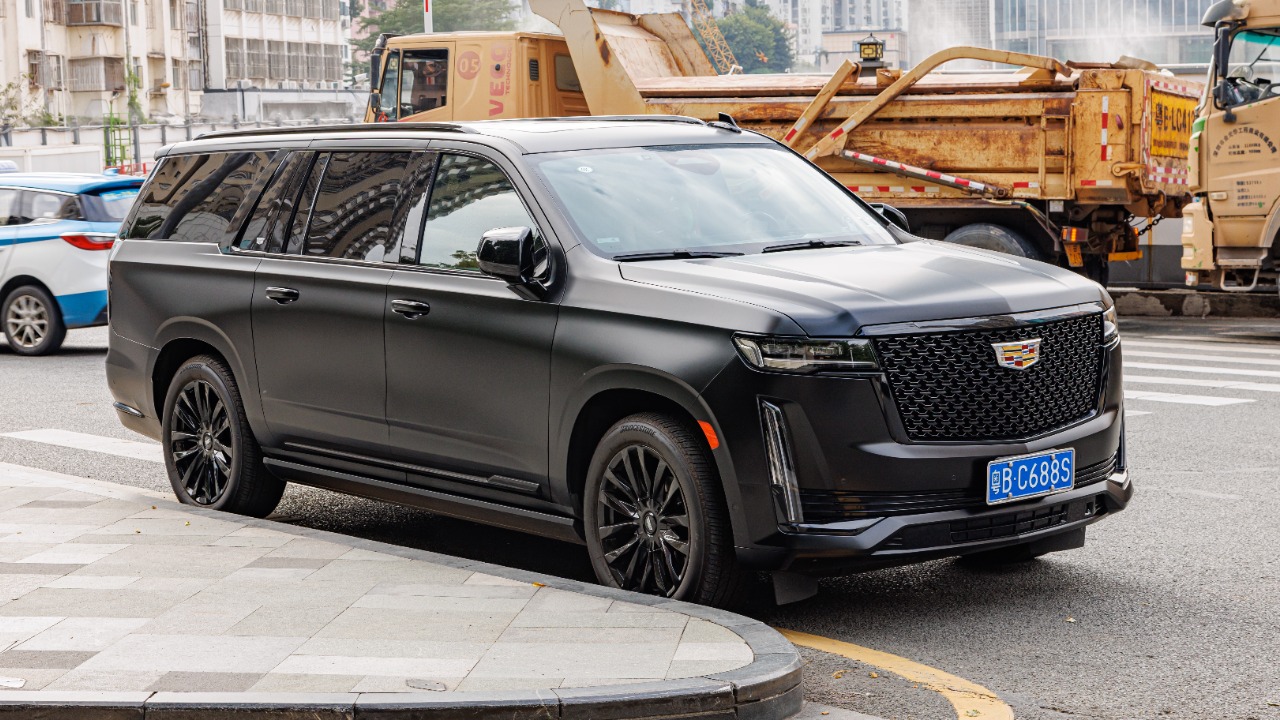
Size does most of the work here. The full-size luxury SUV shares GM’s body-on-frame truck architecture while carrying luxury trim, glass, and lighting the pickups beneath it never receive. Its doors, tailgate, and quarter panels are physically large, which raises both the material cost of a replacement and the volume of paint any refinish consumes.
Heavier vehicles also transfer more energy in a collision, so the other car in the claim tends to cost more as well. Insurers rate that combination rather than the Escalade’s own repair bill alone.
10. BMW i8: A Carbon Fiber Passenger Cell
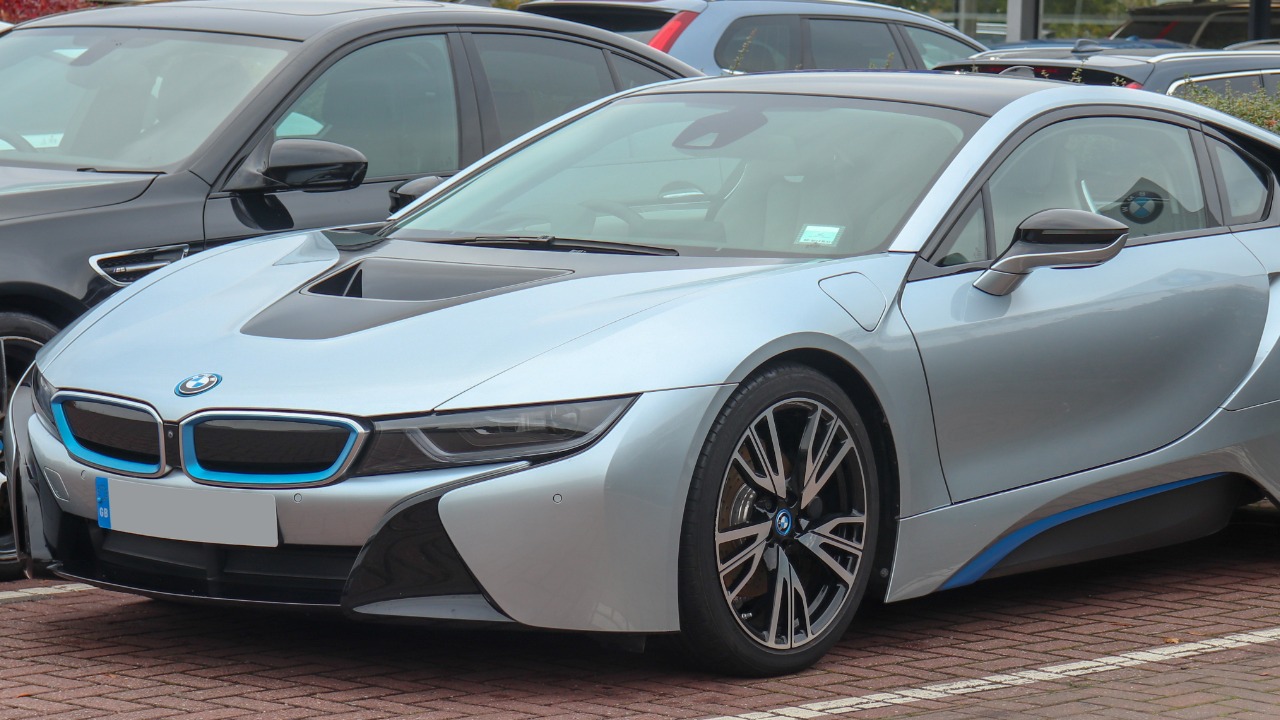
The i8 was built around a carbon-fiber-reinforced plastic passenger cell bonded to an aluminum drive module, an architecture BMW developed for the plug-in hybrid sports car alongside its electric city car. Carbon fiber does not dent the way steel does; it cracks or delaminates, and damaged sections are typically replaced rather than straightened. Few body shops are equipped or certified to judge that distinction.
A high-voltage hybrid drivetrain sits inside the same repair envelope, adding another specialist step. Production ended years ago at small volumes, so replacement structures are neither cheap nor quick to obtain.
More from Morning Overview
