
A car’s purchase price is settled once, but its repair bills arrive for as long as it stays in the driveway. Cheap upkeep usually follows from unglamorous things: enormous production volume, shared parts bins and engines that mechanics have seen a thousand times. Here are ten cars that have earned reputations for cheap parts and simple repairs.
1. Toyota Corolla: The Highest-Volume Parts Bin
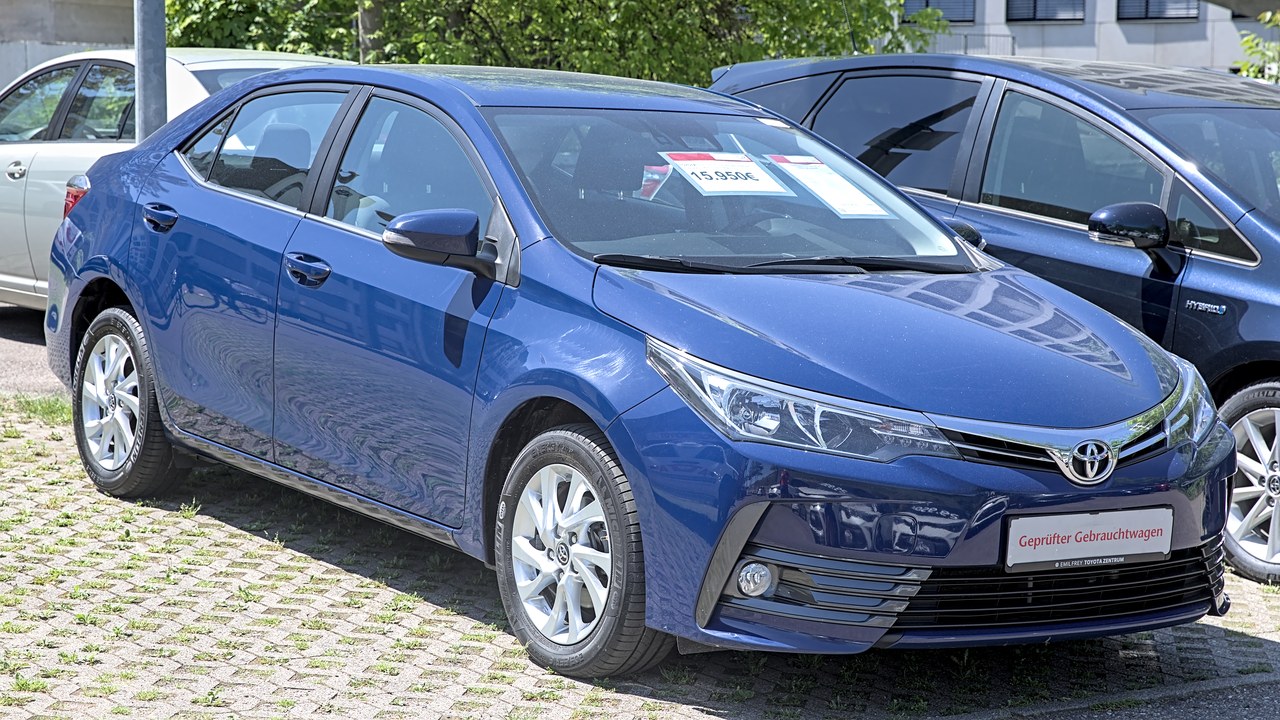
Since 1966 Toyota has sold well over 50 million Corollas, the best-selling automobile nameplate in history, and that volume explains the repair bills. Filters, pads, sensors and body panels for the long-running Corolla line sit on every parts counter and in every salvage yard in the country, and independent shops rarely need special tooling. Recent generations ride on the shared TNGA-C platform, so components carry over to other Toyotas.
Volume keeps labor honest as well, because almost any mechanic can quote the job from memory. Hybrid trims are the wrinkle: an electric drive and a traction battery narrow the field of shops willing to take the work.
2. Honda Civic: Every Mechanic Has Seen One
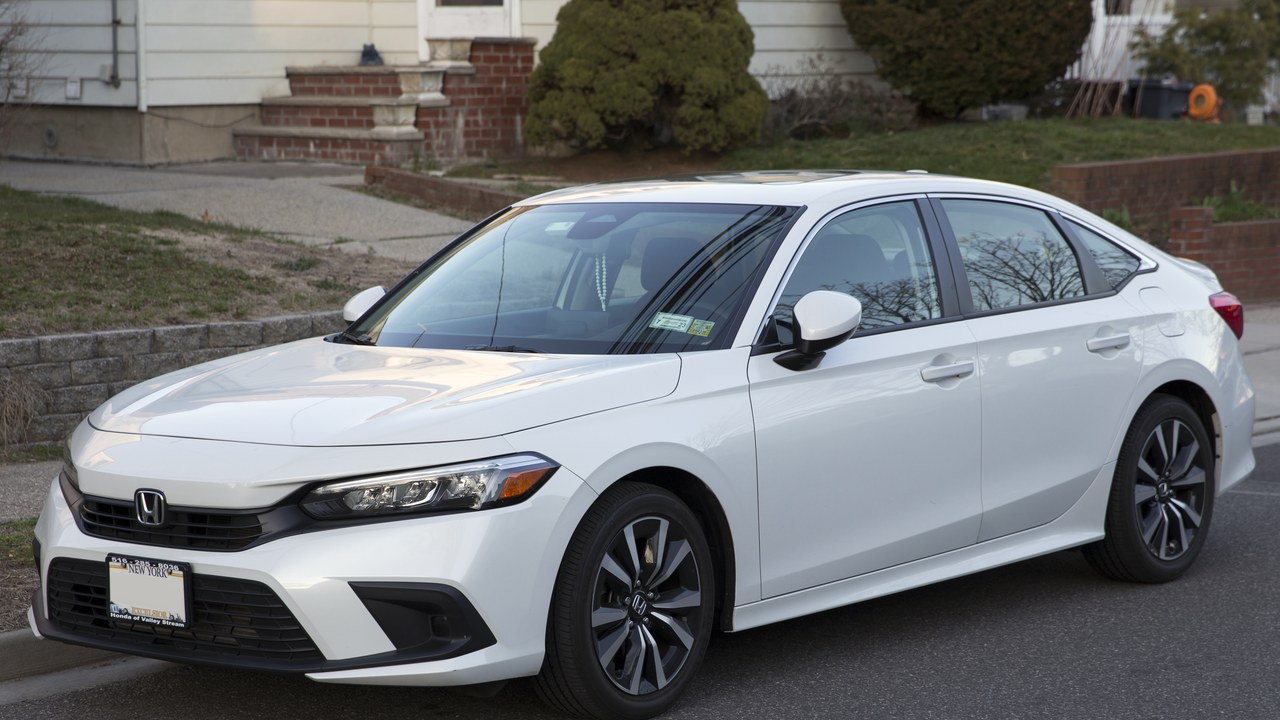
Honda has built the Civic continuously since 1972 and assembles it in Ohio and Indiana for North America, which puts an enormous domestic supply behind it. The aftermarket that grew up around the compact Civic is unusually deep, so owners can choose between dealer parts, established aftermarket brands or used components for nearly any job. Naturally aspirated four-cylinders with timing chains instead of belts remove one scheduled big-ticket service entirely.
Newer drivetrains complicate that picture. Turbocharged 1.5-liter engines and continuously variable transmissions introduced components older Civics never had, and both cost more to diagnose than the plain engines that built the reputation.
3. Toyota Camry: Two Decades Of Interchangeable Parts
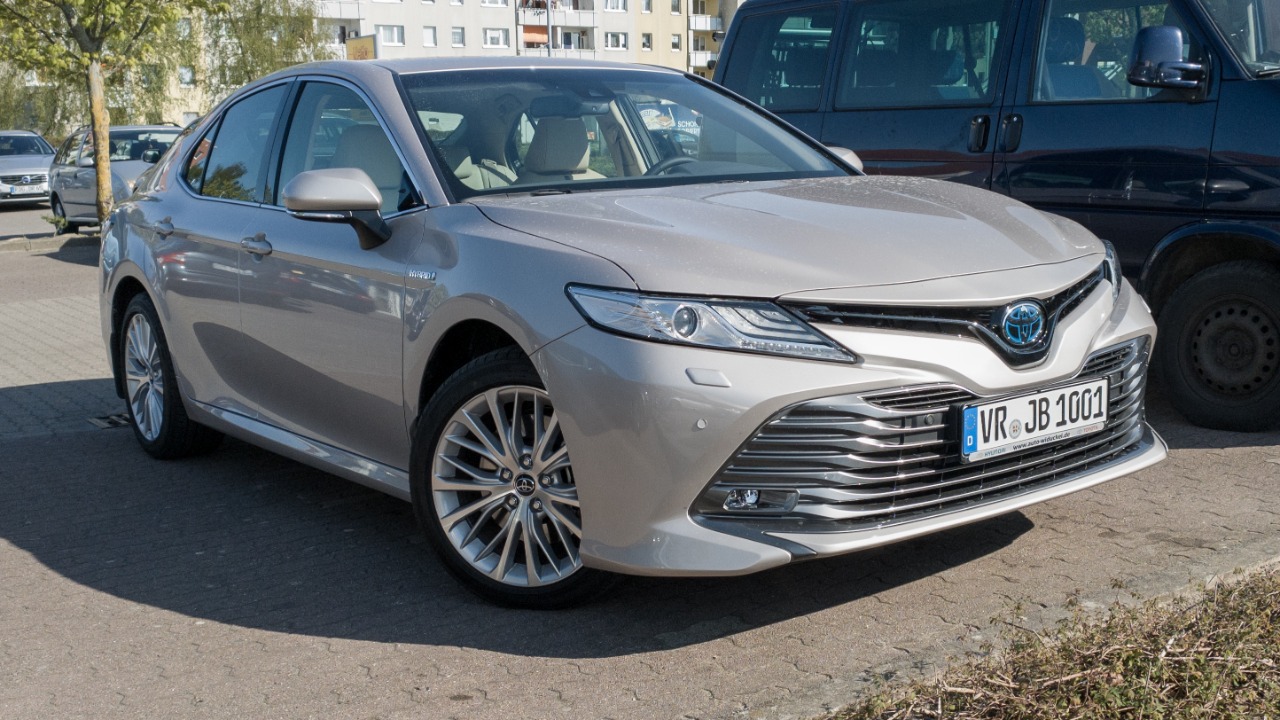
The Camry spent most of the past two decades as America’s best-selling car, a run that put millions of near-identical drivetrains on the road. Its four-cylinder engines and conventional automatic transmissions are shared with the RAV4, the Highlander and the Lexus ES, so the midsize Camry draws on one of the largest common parts pools of any vehicle sold in the United States.
That commonality shortens the wait for a component and the quote for fitting it. Cars from 2007 through 2009 are the exception worth naming, since the 2AZ-FE four-cylinder of those years drew widespread oil-consumption complaints and a Toyota service campaign.
4. Honda Accord: Built Down The Road
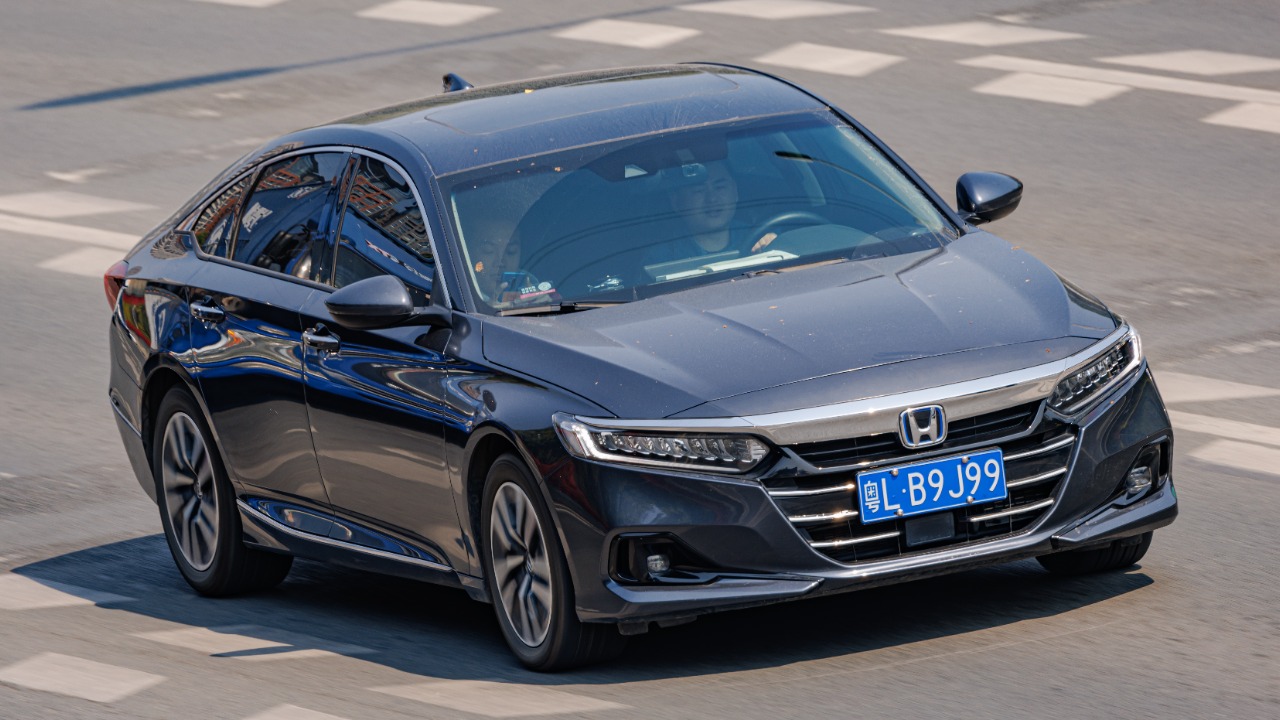
Marysville, Ohio has assembled the Accord since 1982, making it the first Japanese-brand car built in the United States, and production has never left. Four decades of domestic output mean parts for the midsize Accord arrive quickly and cheaply almost anywhere. Long-running naturally aspirated K-series four-cylinders stay conventional enough that brakes, suspension and accessory work require no dealer-only equipment.
Repairs also come around less often, which matters more than the price of any single part. V6 automatics from the early 2000s remain the known weak spot and prompted warranty extensions, but four-cylinder cars largely escaped that chapter.
5. Mazda3: No CVT To Worry About
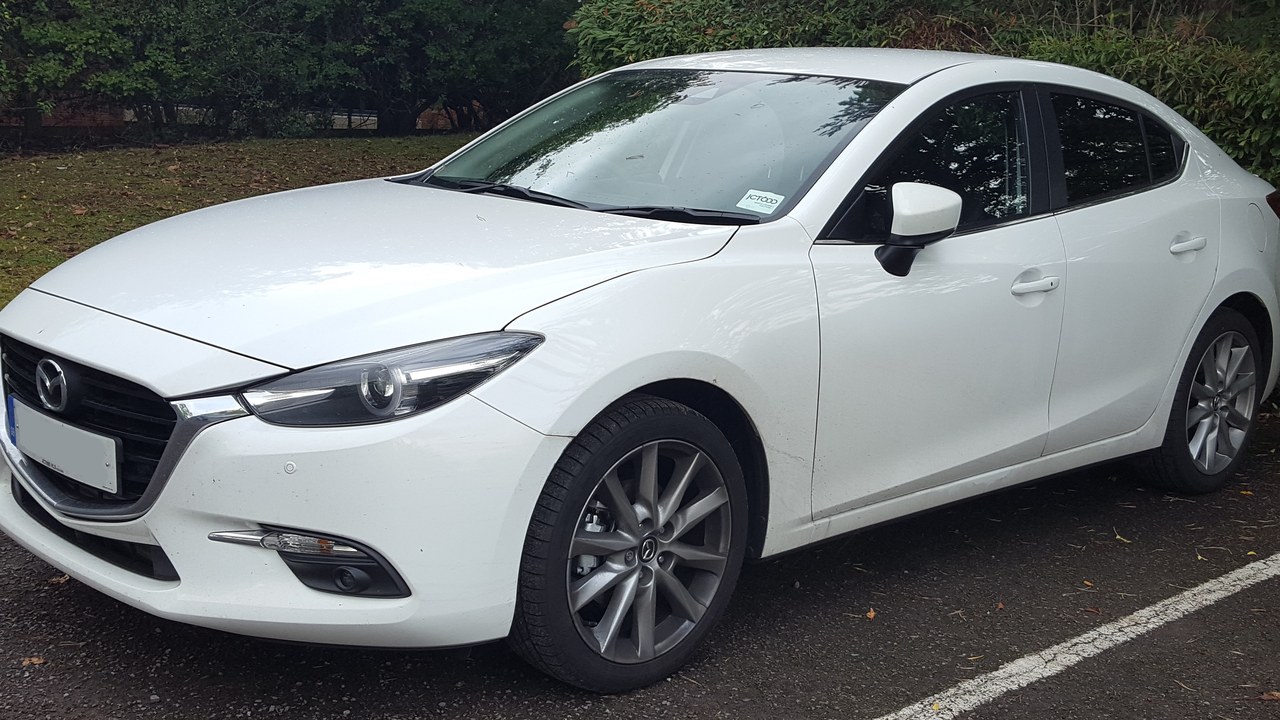
Mazda kept conventional torque-converter automatics and naturally aspirated Skyactiv-G engines while much of the segment moved to continuously variable transmissions and small turbochargers. That decision leaves the compact Mazda3 mechanically familiar: a geared automatic can be serviced or rebuilt by an ordinary independent shop, and a four-cylinder without forced induction has fewer heat-stressed parts waiting to fail.
Corrosion, rather than mechanical complexity, is the caveat here. First-generation cars sold across the salt belt developed a reputation for rust at the wheel arches and rear sills, and bodywork is the one repair that can outrun a compact car’s value.
6. Toyota Prius: The Taxi Fleet Test
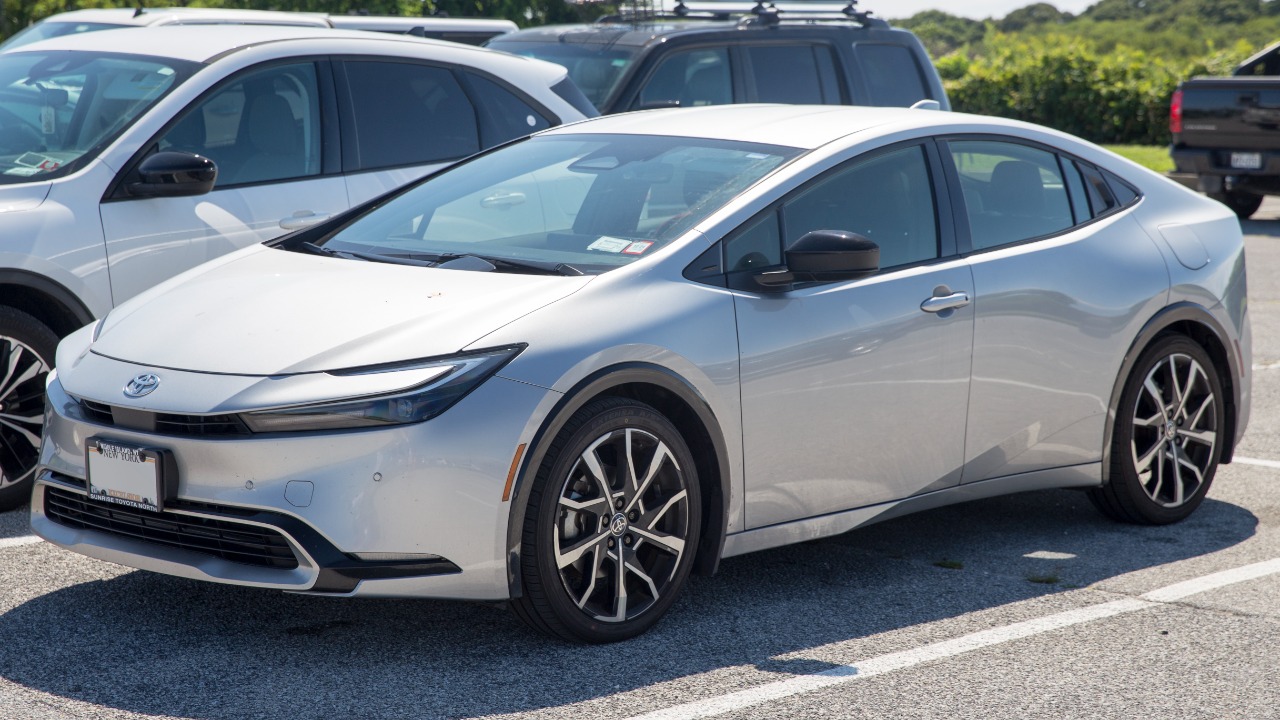
The Prius carries no starter motor, no alternator and no conventional automatic transmission; its planetary hybrid transaxle uses a single gearset and two motor-generators, with no clutch packs to wear out. Regenerative braking handles much of the slowing, so friction pads on Toyota’s hybrid hatchback routinely survive past 100,000 miles. Taxi fleets in several cities adopted the car precisely because its consumable list is so short.
Battery replacement is the exception, a four-figure component rather than a twenty-dollar one. Independent hybrid specialists and reconditioned packs have made that job far cheaper than a dealer estimate implies, but it belongs in any long-term budget.
7. Hyundai Elantra: The Warranty Does Heavy Lifting
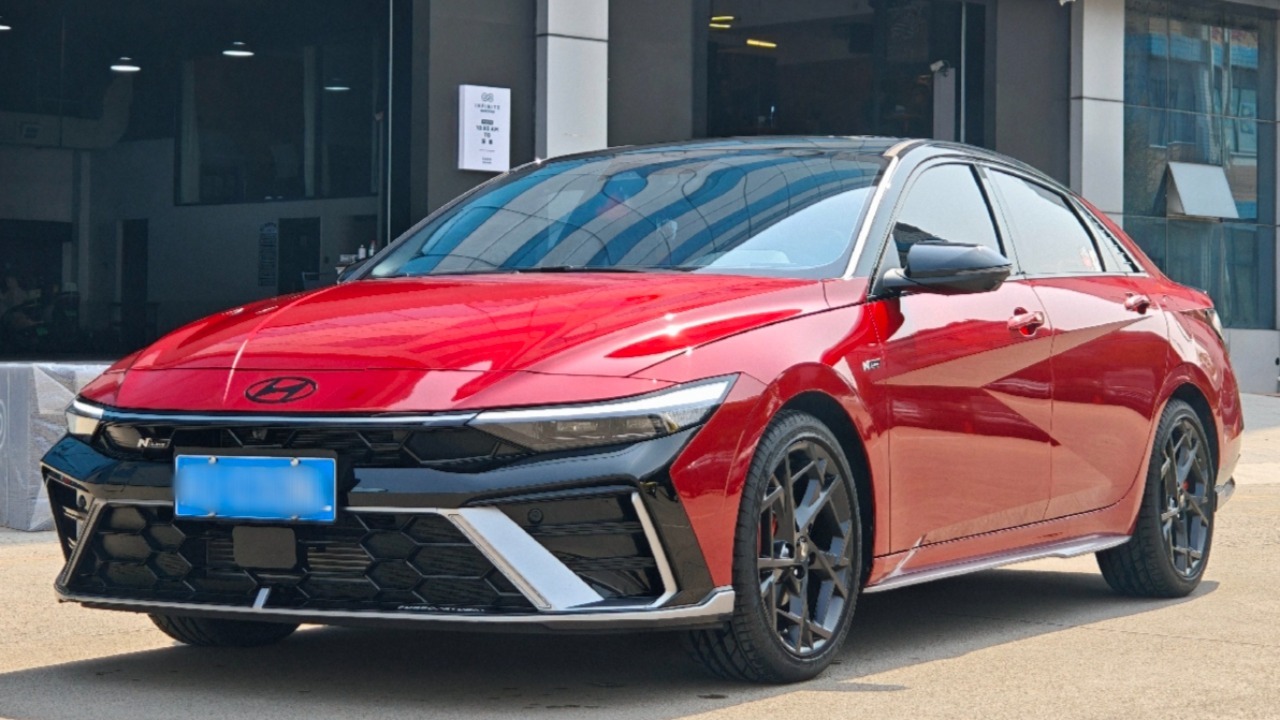
Hyundai covers the powertrain for ten years or 100,000 miles for the original owner in the United States, with five years or 60,000 miles of bumper-to-bumper coverage, moving the most expensive failures off the owner’s ledger. Beyond the paperwork, the compact Elantra uses widely shared four-cylinder engines and an unremarkable service schedule, and a dense dealer network keeps labor rates competitive.
One detail limits that headline number. The ten-year powertrain term applies to the first owner alone, and subsequent buyers inherit a five-year, 60,000-mile version instead, so a used shopper should check the in-service date rather than the model year.
8. Kia Forte: Sharing A Parts Shelf
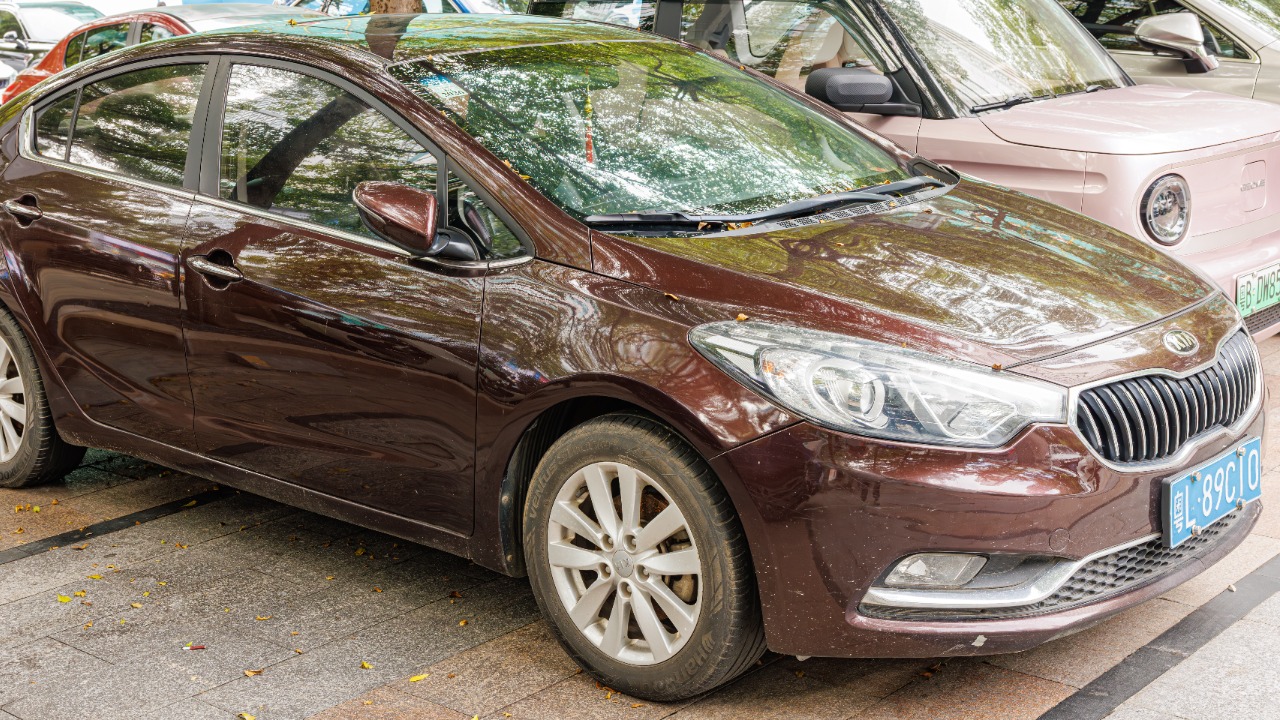
Engineered alongside the Elantra inside Hyundai Motor Group, the Forte draws on the same engines, transmissions and platform architecture, so parts volume behind Kia’s compact sedan reflects two nameplates rather than one. It carries the same ten-year, 100,000-mile powertrain warranty for original owners, and a transverse four-cylinder driving the front wheels is about the least demanding layout a repair shop can be handed.
The expense that catches owners is not mechanical at all. Many Kia and Hyundai models built through 2021 without engine immobilizers became theft targets, and the resulting insurance premiums and claims have mattered more than any parts price.
9. Subaru Impreza: All-Wheel Drive Without The Premium
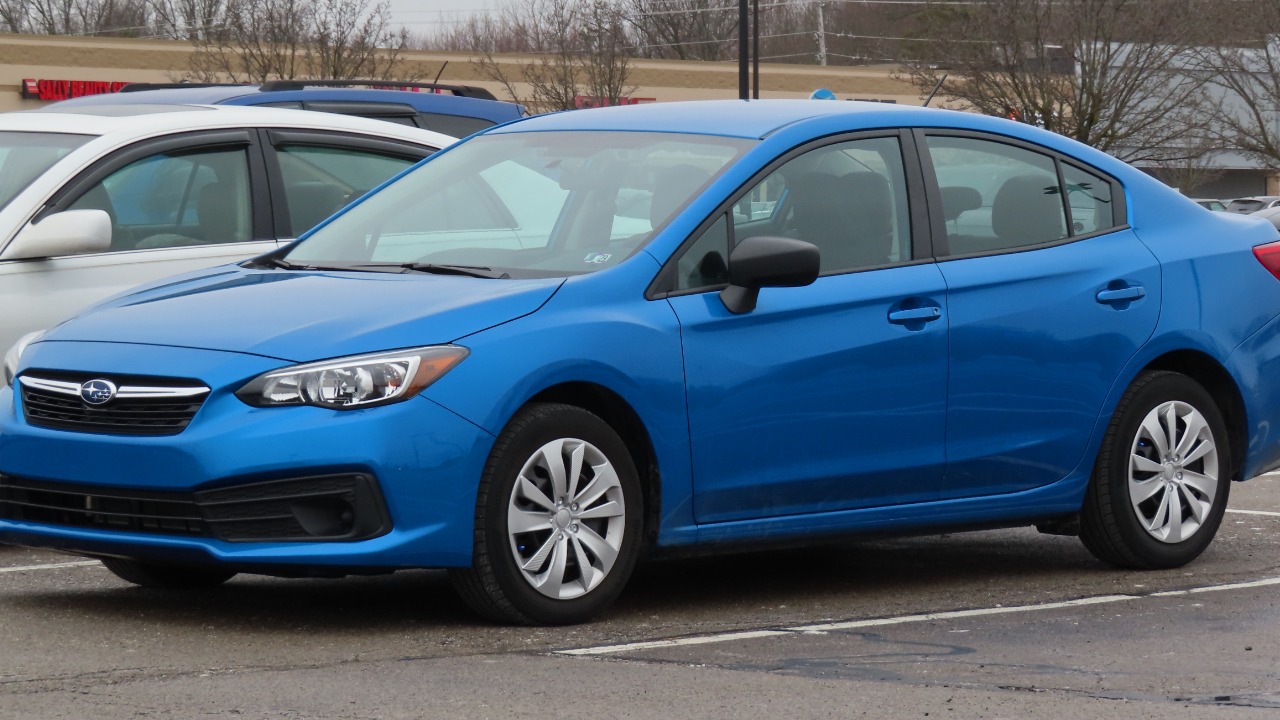
Symmetrical all-wheel drive is standard on every Impreza, a layout that normally adds driveshafts, differentials and expense to a compact car’s upkeep. Production volume and a run stretching back to 1992 have kept parts for the all-wheel-drive Impreza priced nearer a front-drive economy car than a European rival, and the mechanical architecture has changed slowly enough that shops know it thoroughly.
Labor time hides in the boxer engine. Horizontally opposed cylinders push the spark plugs out against the frame rails, turning a routine tune-up into a longer job, and older EJ-series engines carried a well-documented head-gasket reputation.
10. Nissan Sentra: Fleet Volume, Cheap Parts
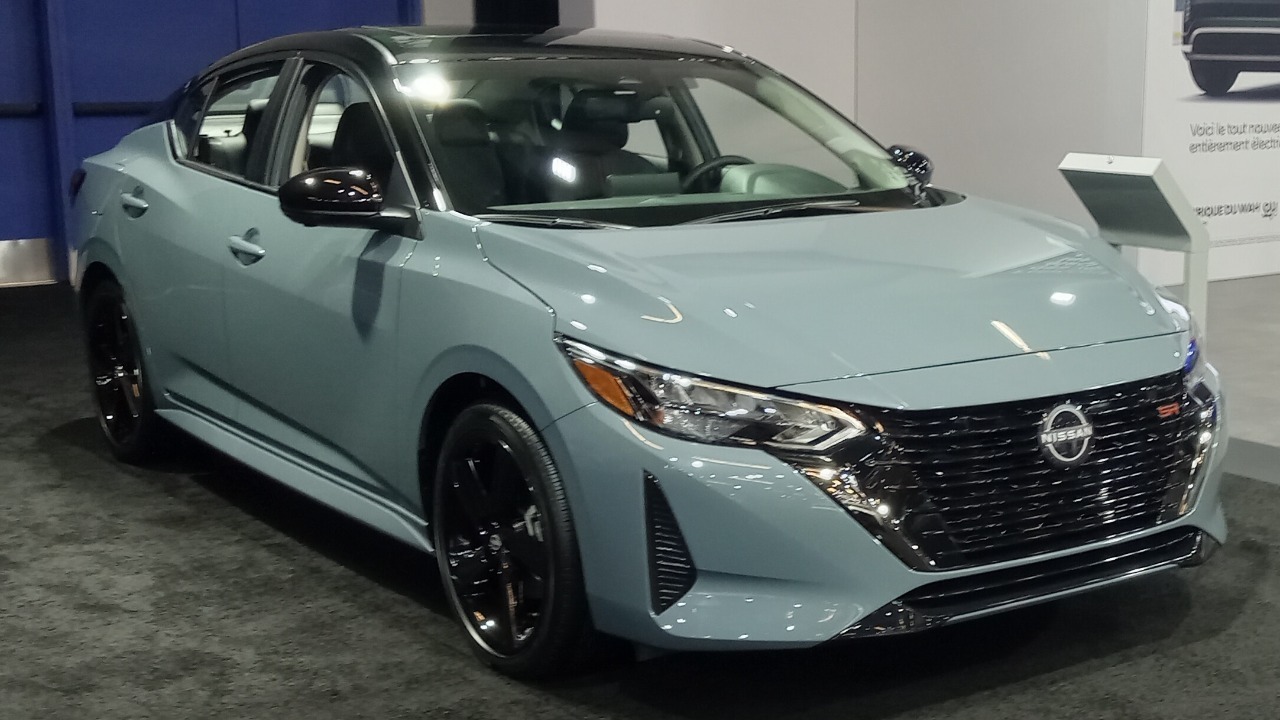
On sale in the United States since 1982 and pushed out in enormous numbers through rental and fleet channels, the Sentra floods both the used market and the salvage yards that supply independent shops. Its naturally aspirated four-cylinders are undemanding, and glass, body panels and interior trim for the compact Sentra rank among the cheapest to source for any sedan on American roads.
The transmission is the asterisk. Nissan’s Xtronic continuously variable units drew enough complaints that coverage on earlier cars was extended to ten years or 120,000 miles, and a failed unit can cost more than an aging Sentra is worth.
More from Morning Overview
