
Handling is often harder to engineer than horsepower, since it depends on weight distribution, suspension geometry, and steering feel working together rather than any single spec sheet number. The cars gathered here earned their reputations on twisting roads and racetracks, not in straight-line speed contests, and several remain benchmarks decades after launch. Here are ten cars whose cornering ability set a lasting standard.
1. Mazda MX-5: Featherweight Balance
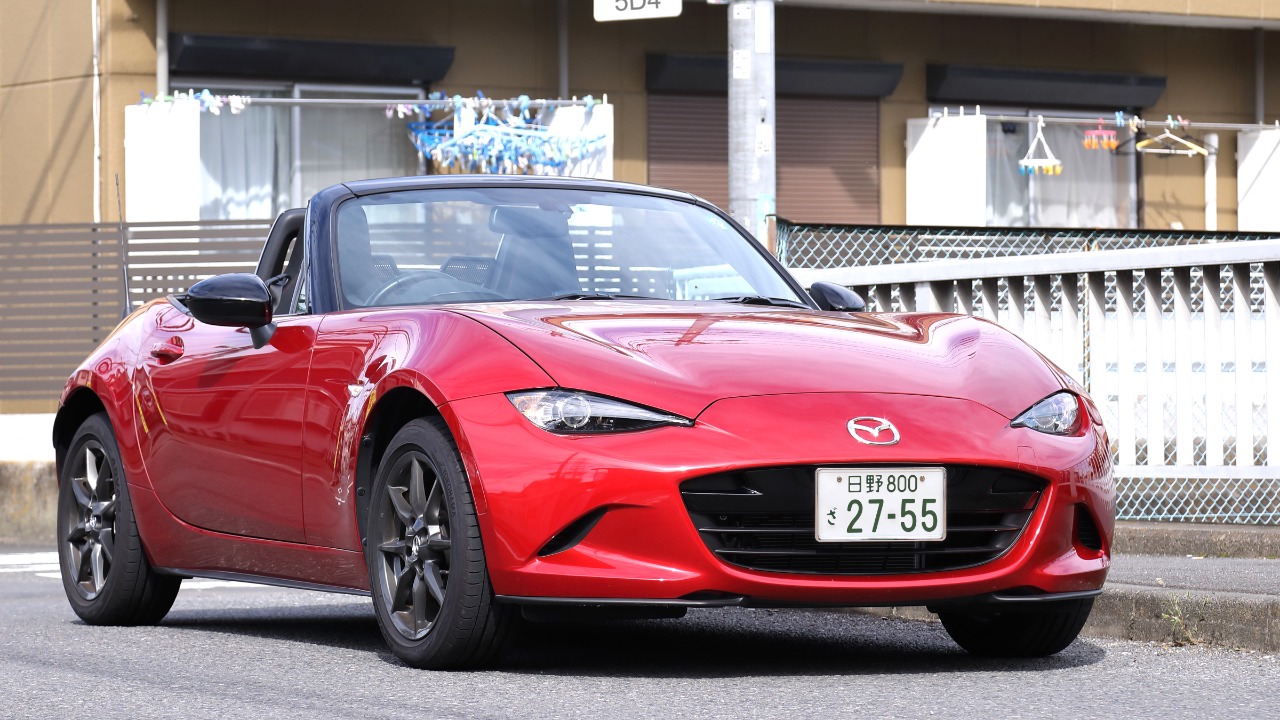
The Japanese roadster pairs a curb weight near 2,300 pounds with a near 50:50 front-rear weight balance, a formula that has defined affordable sports-car handling since 1989 and earned it a Guinness World Record as the best-selling two-seat convertible in history.
The MX-5 rewards momentum over raw power, favoring smooth inputs and predictable rotation, which is why driving instructors and racing schools still lean on it to teach fundamentals rather than mask mistakes with electronic aids. Its low center of gravity and short wheelbase make direction changes feel immediate without ever feeling nervous or unpredictable at the limit.
2. Porsche 911: Rear-Engine Refinement
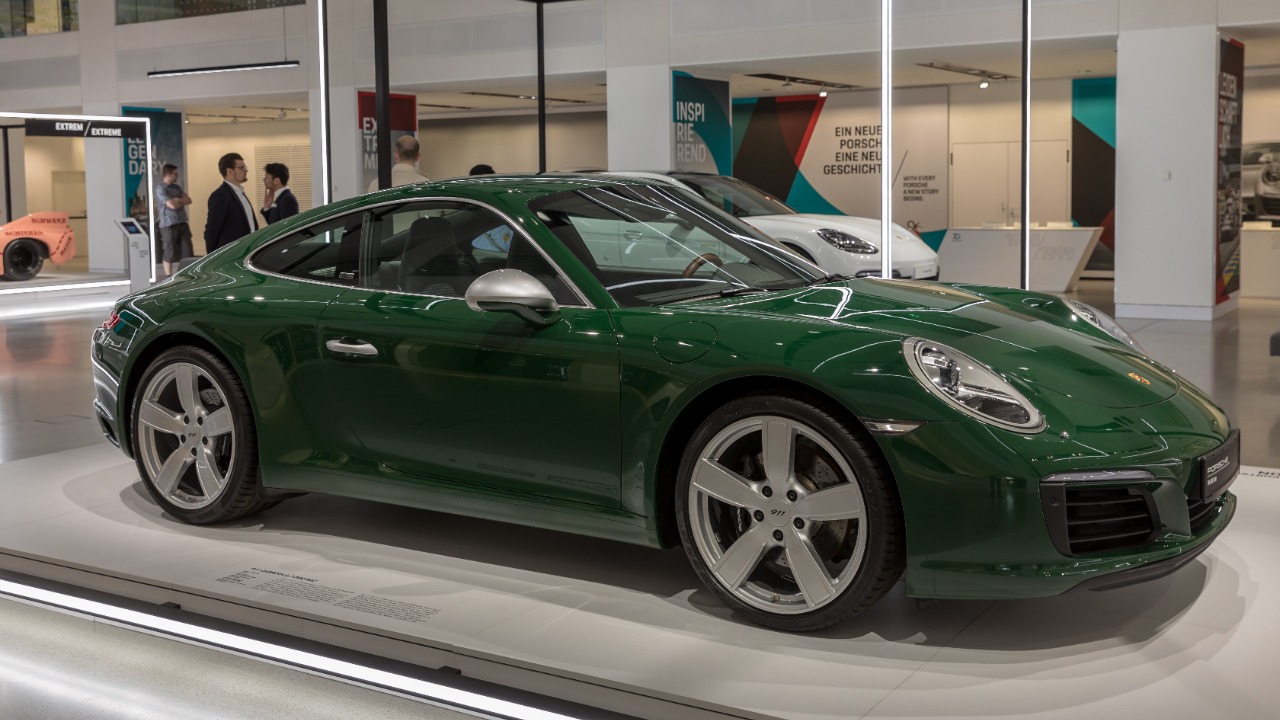
Six decades of iterative engineering on the rear-engine coupe turned an inherently tail-heavy layout into one of the most trusted chassis setups in motorsport, with wider tracks, adaptive dampers, and rear-axle steering compensating for weight sitting behind the rear wheels.
Engineers spent generations taming the car’s tendency toward oversteer at the limit, and the result is a platform that still wins endurance races decades after its debut, proof the layout’s quirks became a strength rather than a flaw. Even base trims inherit chassis lessons developed on circuits like the Nürburgring, where Porsche continues to validate every new generation.
3. Lotus Elise: Lightness By Design
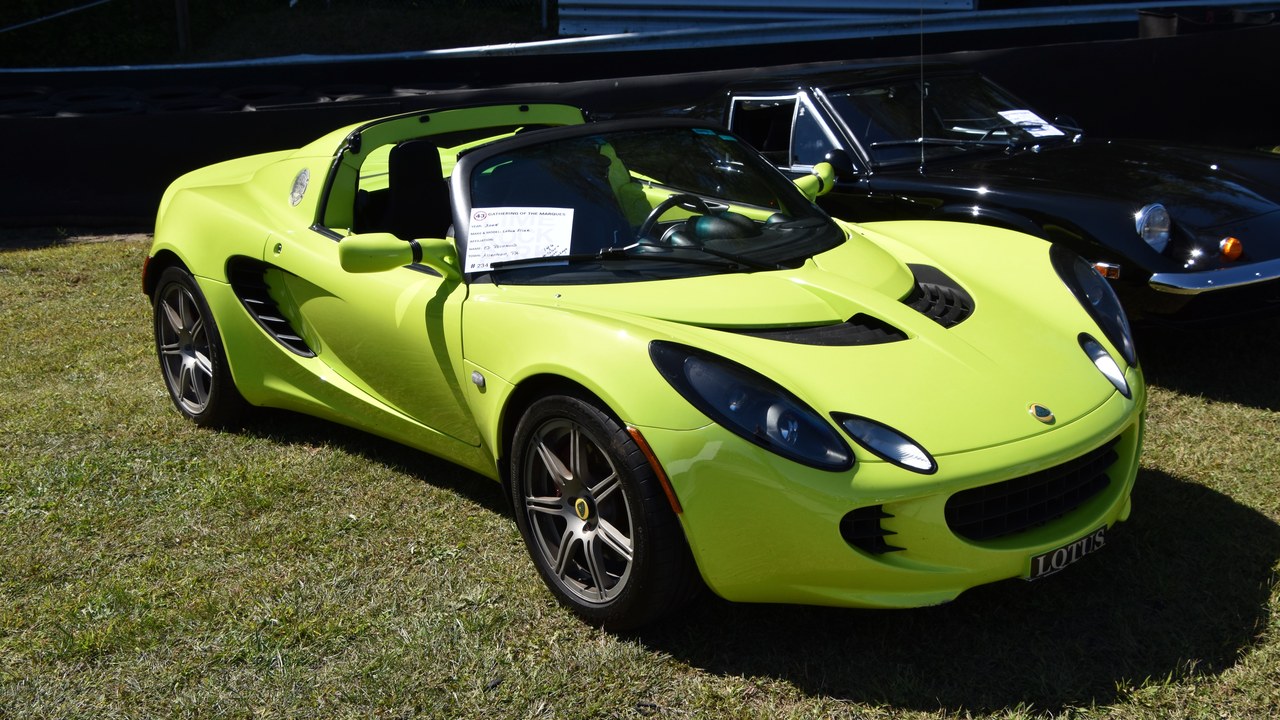
Colin Chapman’s “simplify, then add lightness” philosophy reached its purest form in the bonded aluminum roadster, which weighs under 2,000 pounds and uses unassisted steering to feed every road texture straight to the driver’s hands.
That lack of power steering and stability aids means the Elise punishes clumsy inputs, but its low mass lets it change direction with a quickness that heavier, more powerful cars can rarely match on a twisting road. Its extruded aluminum tub, borrowed from aerospace construction methods, gives the chassis a rigidity that belies its featherweight curb weight.
4. Honda S2000: High-Revving Precision
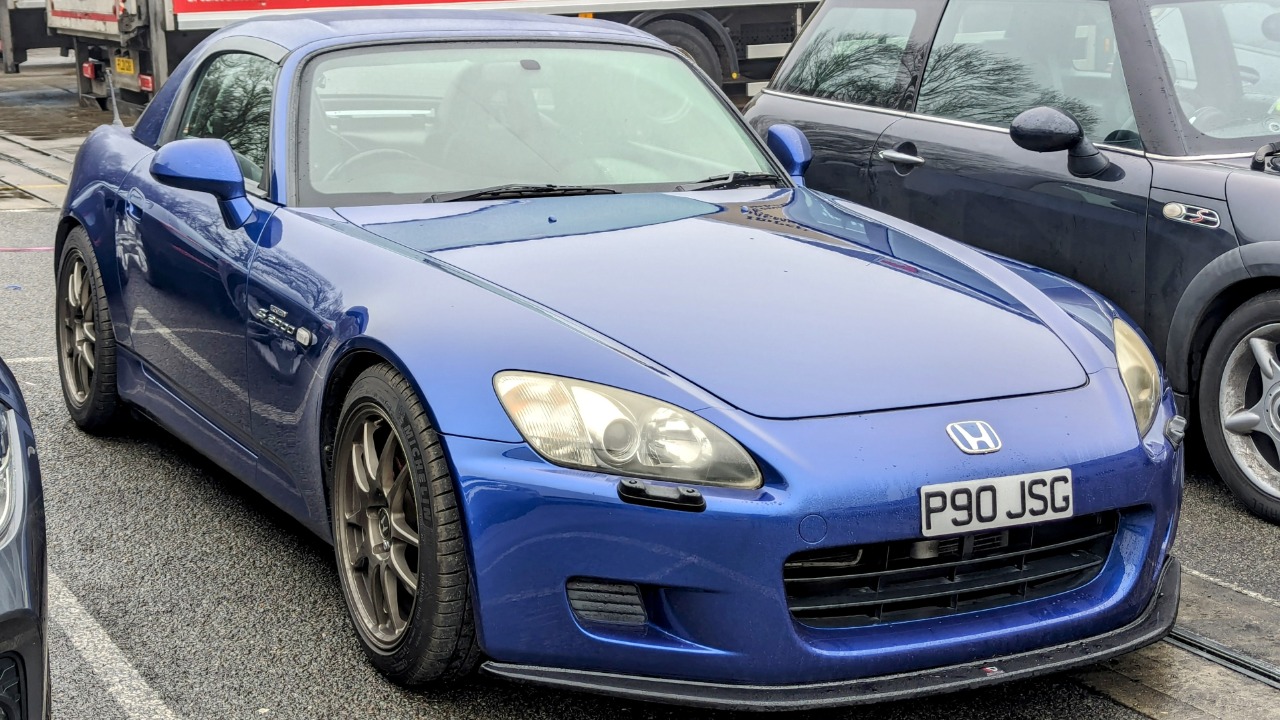
The front-mid-engine roadster centered its naturally aspirated four-cylinder behind the front axle for near-perfect weight distribution, and its 9,000-rpm redline demanded precise, high-revving inputs that matched its quick steering ratio.
Enthusiasts still cite its analog feel as a high-water mark, since later turbocharged rivals traded some of that immediacy for low-end torque, leaving the S2000’s razor-sharp responses as a benchmark for naturally aspirated handling. Its double-wishbone suspension at all four corners was a rarity in its price class and helped keep the chassis composed through fast direction changes.
5. BMW M3: Sports Sedan Standard
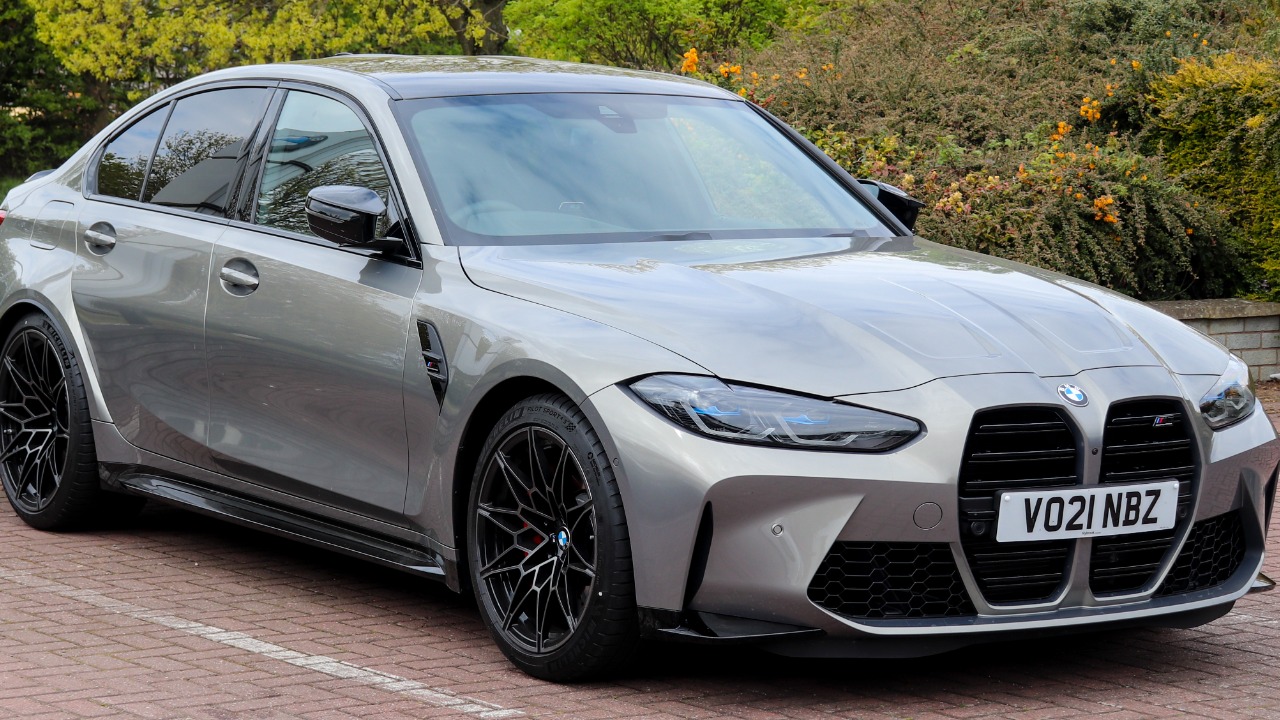
BMW built the original M3 sports sedan in 1986 to homologate a touring-car racer, and the four-door format it popularized still balances a stiff chassis with steering feel that rival luxury brands have chased for nearly four decades.
Its lineage shows a rare feat, keeping a daily-drivable back seat while sharpening cornering precision generation after generation, which is why track-day drivers cross-shop it against dedicated two-seat sports cars. Successive M3 generations added wider tracks and more sophisticated differentials without ever losing the communicative steering feel that defined the nameplate from the start.
6. Porsche Cayman: Mid-Engine Poise
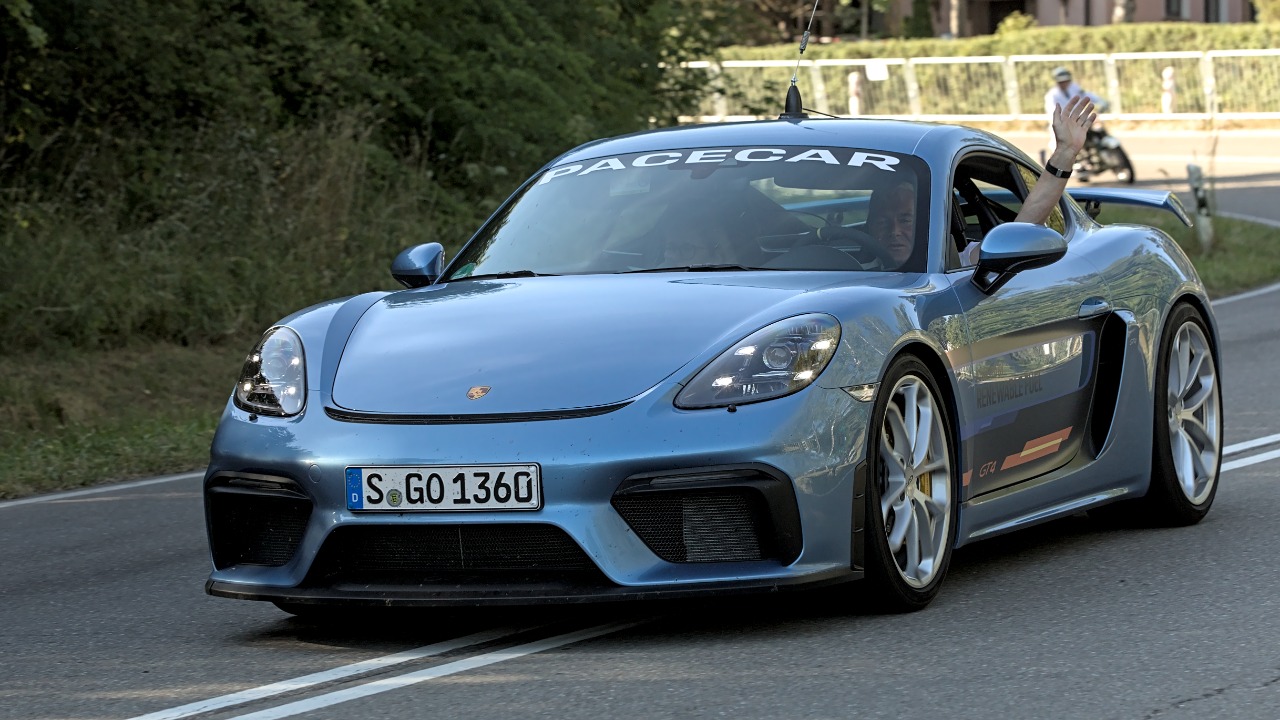
Placing the engine ahead of the rear axle gives the mid-engine coupe a lower polar moment of inertia than its 911 sibling, letting it rotate through corners with a balance many road testers call nearly flawless.
That poise reportedly worried Porsche’s own product planners, who for years limited the Cayman’s output so it would not eclipse the pricier, rear-engine 911 on a track, a self-imposed ceiling later relaxed as the model earned its own following. Journalists routinely note that a well-driven Cayman can match a 911 lap for lap on a technical circuit.
7. Chevrolet Corvette: Mid-Engine Overhaul
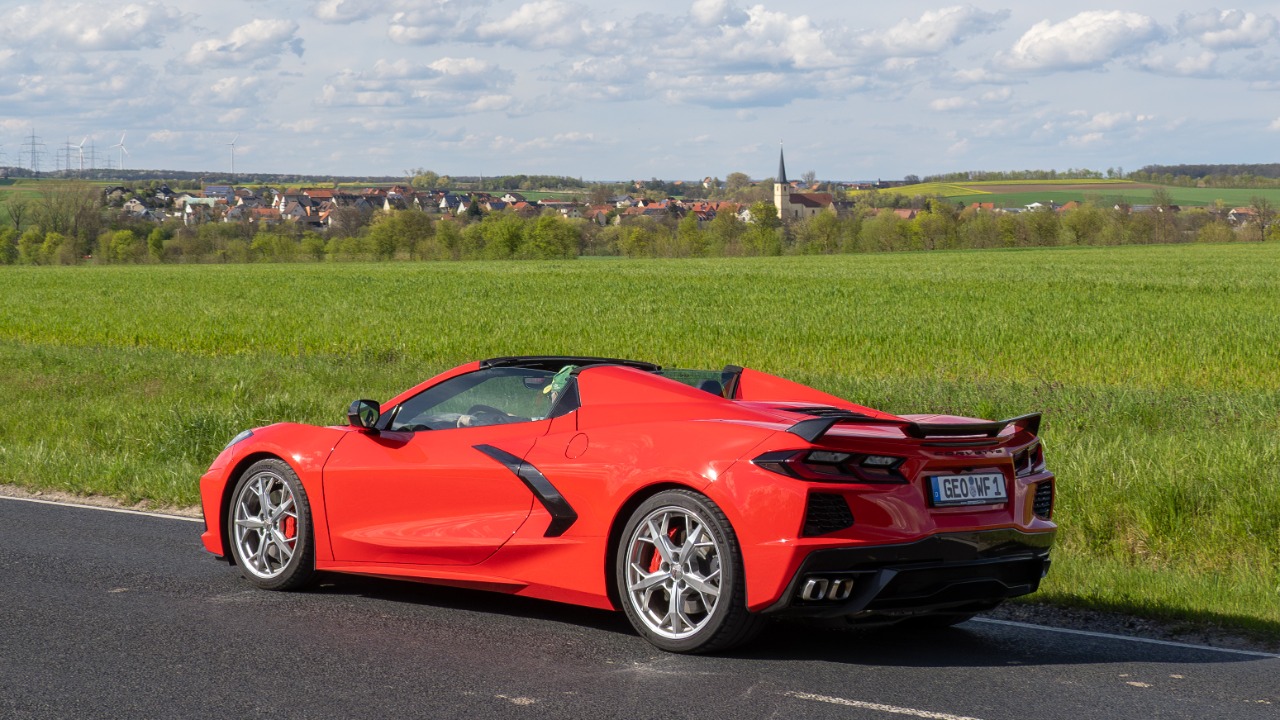
Chevrolet abandoned nearly seven decades of front-engine tradition when it moved the American sports car to a mid-engine layout for its eighth generation, shifting weight toward the chassis center to sharpen turn-in and reduce the nose-heavy understeer that limited earlier generations on tight circuits.
The change let the Corvette match the cornering grip of European rivals costing far more, closing a handling gap that had lingered through seven prior generations of front-engine design. A more centrally mounted engine also improved braking stability under hard corner entry, letting drivers carry more speed into a turn than earlier front-engine Corvettes ever could.
8. Ferrari 458 Italia: Razor-Sharp Response
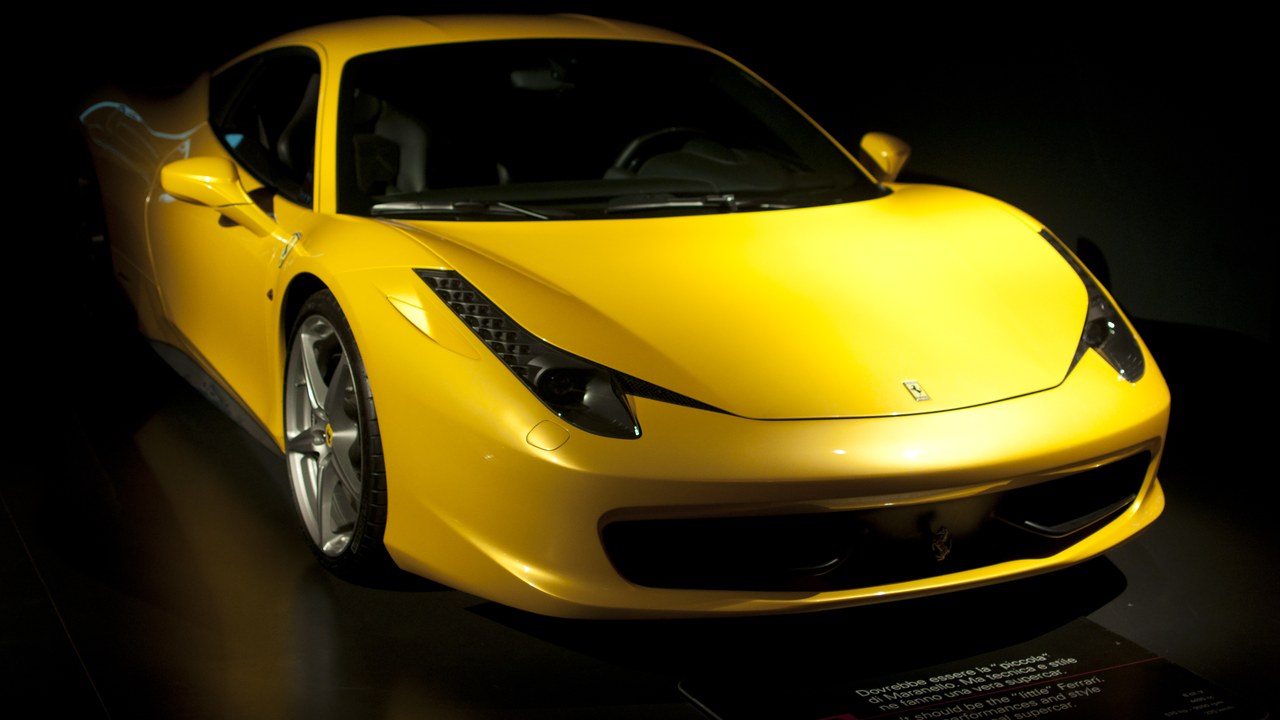
Ferrari integrated an electronic differential with its stability system on the V8 berlinetta, letting the car distribute power mid-corner with a precision that made its turn-in feel almost telepathic to period road testers, a system paired with double-wishbone suspension tuned specifically for track-day precision.
That responsiveness set the template for the mid-engine V8 Ferraris that followed, and the 458 is still frequently named among the most communicative steering setups the company has ever produced. Its hydraulic steering rack, since replaced by electric systems on newer Ferraris, is often singled out by owners as more feelsome than anything the brand builds today.
9. McLaren 720S: Hydraulic Suspension Trick
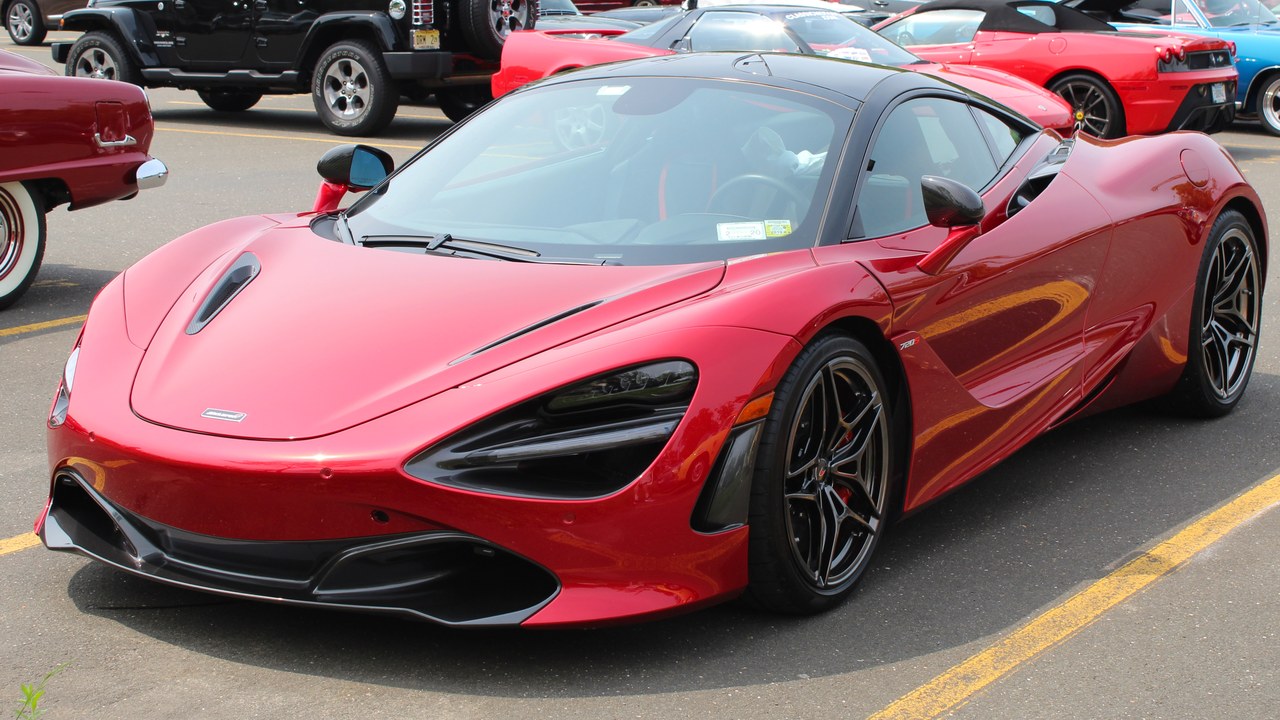
McLaren skipped conventional anti-roll bars on the supercar, instead hydraulically interlinking each corner’s suspension so the carbon-fiber chassis can stay flat through corners while still soaking up rough pavement.
The setup lets the car ride comfortably on public roads yet resist body roll at track speeds, a dual personality few rivals in its class manage without compromising one side of that equation. Drivers can soften or stiffen the suspension response on the fly, letting the same car serve as a daily commuter and a lap-record contender.
10. Nissan GT-R: Giant-Slaying Grip
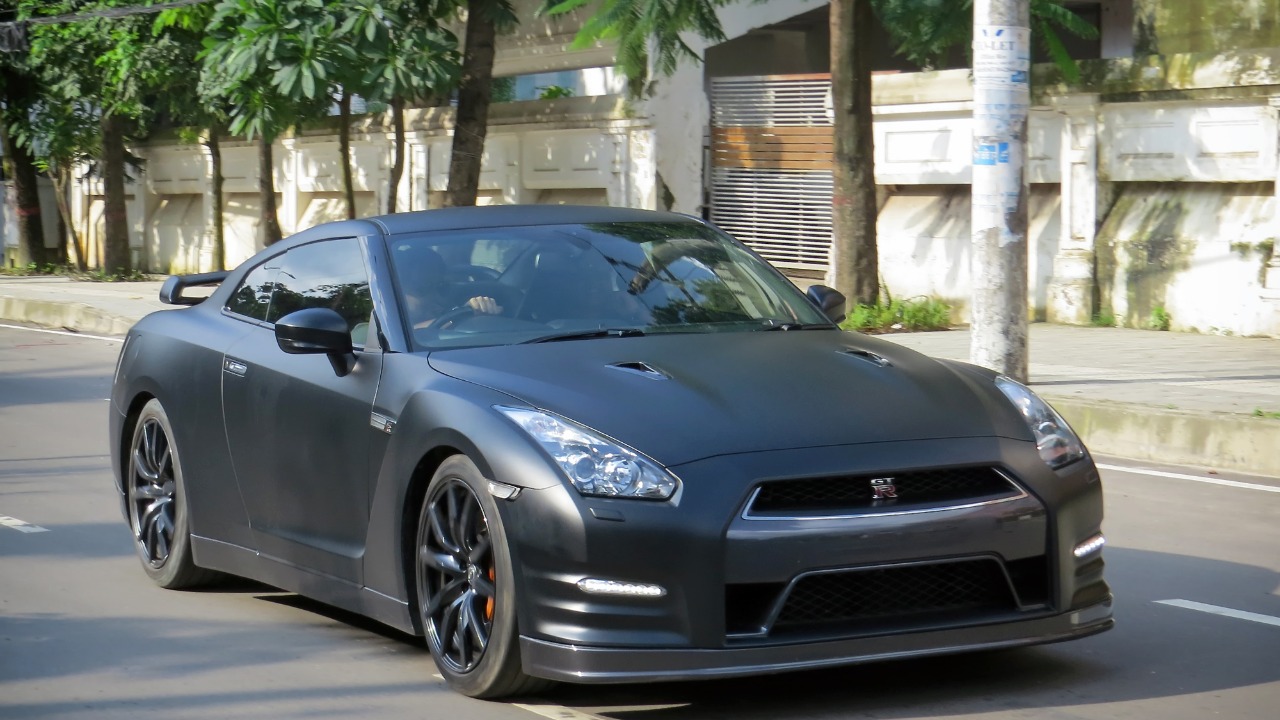
Nissan’s all-wheel-drive performance coupe routes power through a rear-mounted transaxle and computer-controlled torque split, giving it grip out of corners that let it match cars costing several times its price.
That giant-killing reputation earned it the nickname “Godzilla” among enthusiasts, since it repeatedly out-cornered far more expensive exotics on the same circuits and endurance events despite its comparatively modest sticker price and everyday drivability. Nissan validated the platform for years at the Nürburgring, chasing lap times that once belonged only to cars costing two or three times as much.
More from Morning Overview
