
Timing chains sit inside the engine, bathed in oil, and manufacturers design them to last as long as the block they turn. That promise is engine-specific rather than badge-specific, since the same nameplate has often shipped with a belt in one generation and a chain in the next. Ten familiar vehicles built around chain-driven engines show how the distinction plays out.
1. Toyota 4Runner: Chain Drive In The V6
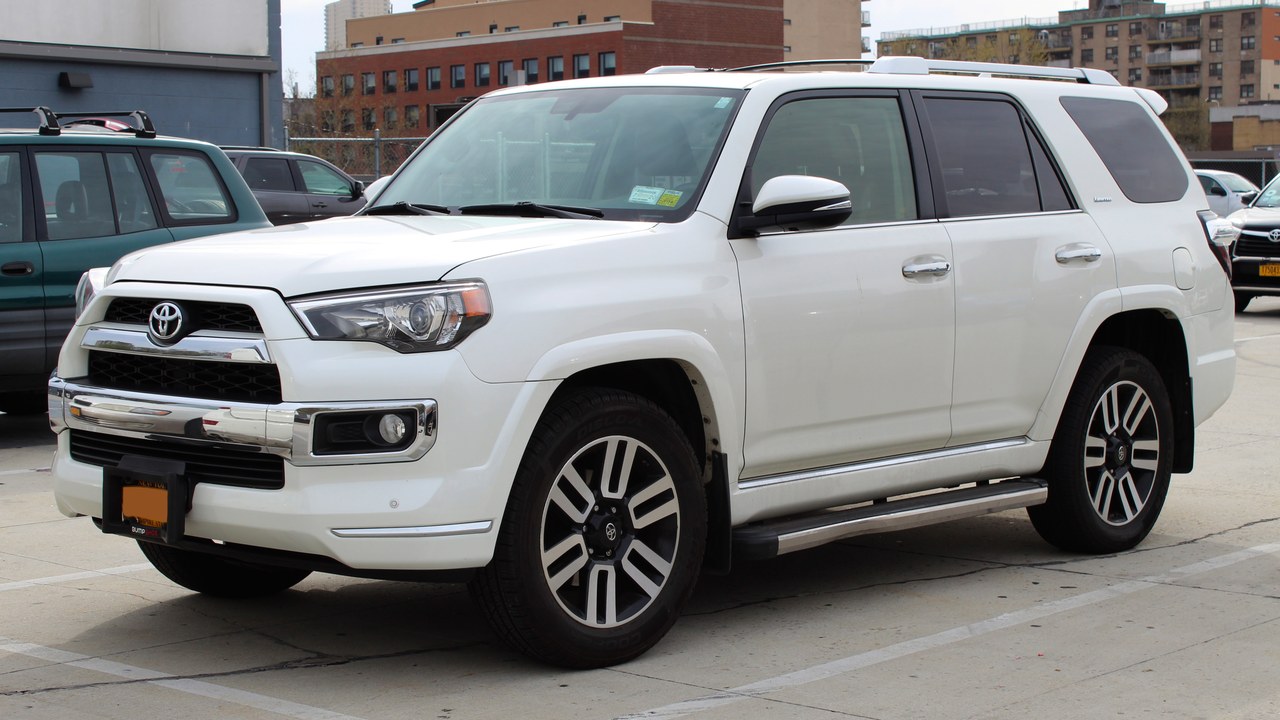
Much of the 4Runner’s high-mileage reputation traces to the 1GR-FE, the 4.0-liter V6 that carried Toyota’s body-on-frame SUV through two generations on a timing chain rather than a rubber belt. That chain sits behind a sealed front cover, running in engine oil under a hydraulic tensioner, so it never dries out or cracks the way a belt eventually does. The 3.4-liter V6 before it was belt-driven, which is why the distinction belongs to the engine.
Chain drive erases a scheduled replacement job, but it does not make the front of the engine maintenance-free. Guides wear, tensioners depend on clean oil pressure, and a stretched chain announces itself as a cold-start rattle.
2. Lexus GX: One Badge, Two Different Answers
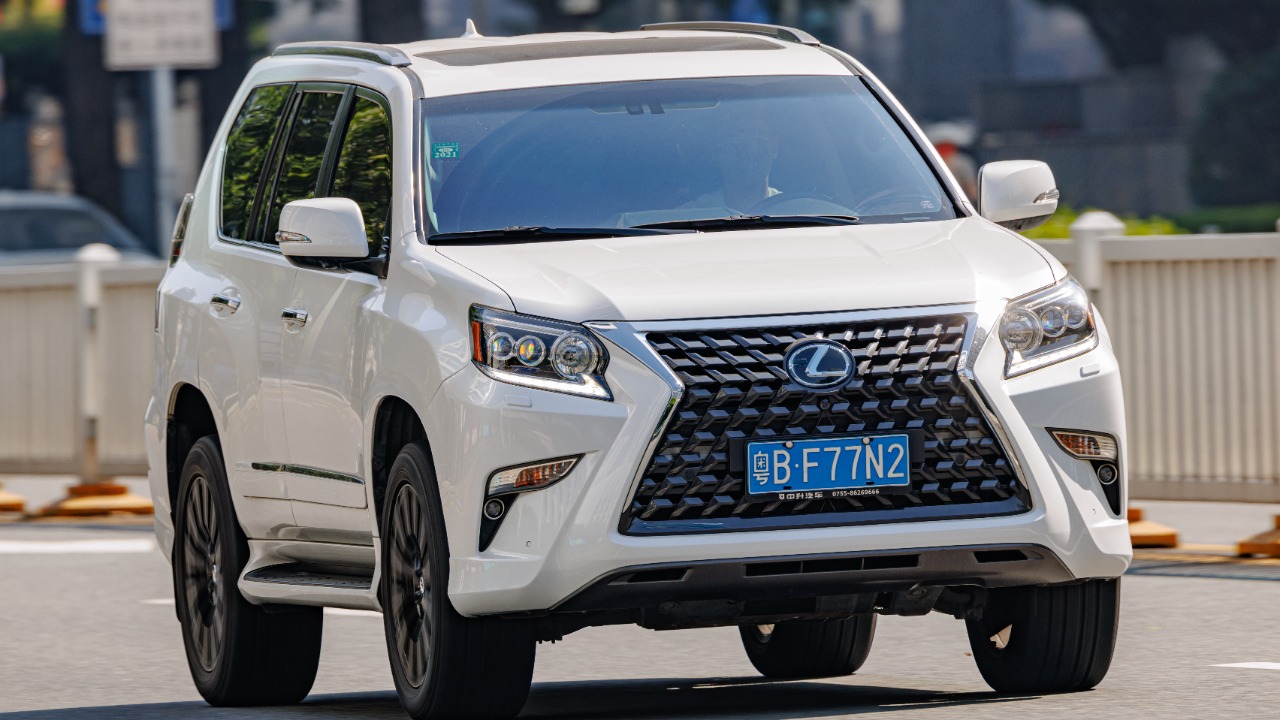
Lexus supplies its own comparison here. The GX 470 used the belt-driven 2UZ-FE 4.7-liter V8, while the second-generation GX switched to the 1UR-FE 4.6-liter V8, a design that turns its camshafts with chains. Toyota built the UR family around chain drive from the outset, a sensible call for a Land Cruiser relative expected to serve in remote places where a snapped belt becomes a recovery operation rather than a roadside repair.
Longevity of that kind is designed in, not guaranteed. Chains, guides and oil-fed tensioners still age, and the older 4.7-liter trucks carry a belt that has to be budgeted for, which is the plainest evidence that the engine under the hood decides the answer.
3. Toyota Tundra: Built For Towing Heat
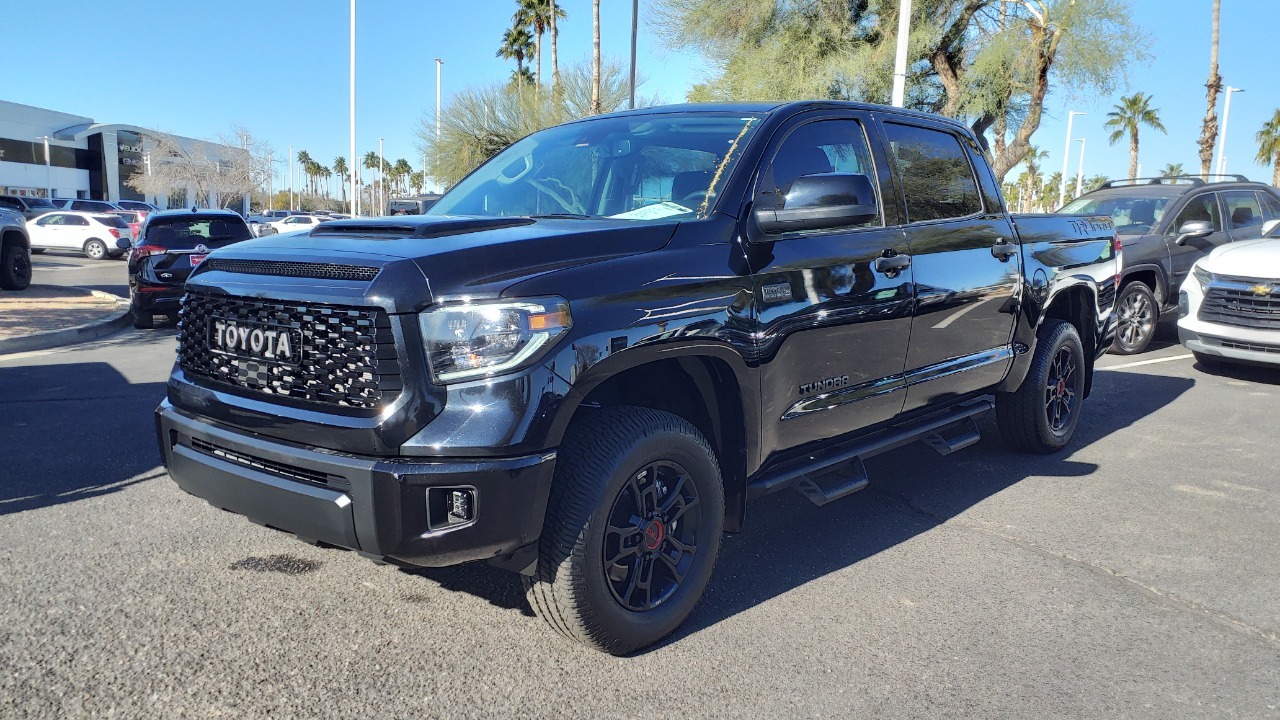
Sustained load and heat age rubber fastest, and the 3UR-FE 5.7-liter V8 that powered Toyota’s full-size pickup for more than a decade sidesteps the problem by driving its camshafts with chains. The twin-turbocharged V6 that replaced it kept chain drive as well. Older trucks fitted with the 4.7-liter 2UZ-FE are the exception, because that engine used a belt that had to be replaced periodically.
Losing the belt shifts attention from a mileage countdown to oil discipline. Variable valve timing on these engines works off oil pressure, so a truck towing hard on stretched service intervals tends to show the neglect at the front cover first.
4. Honda CR-V: The Four-Cylinder Exception
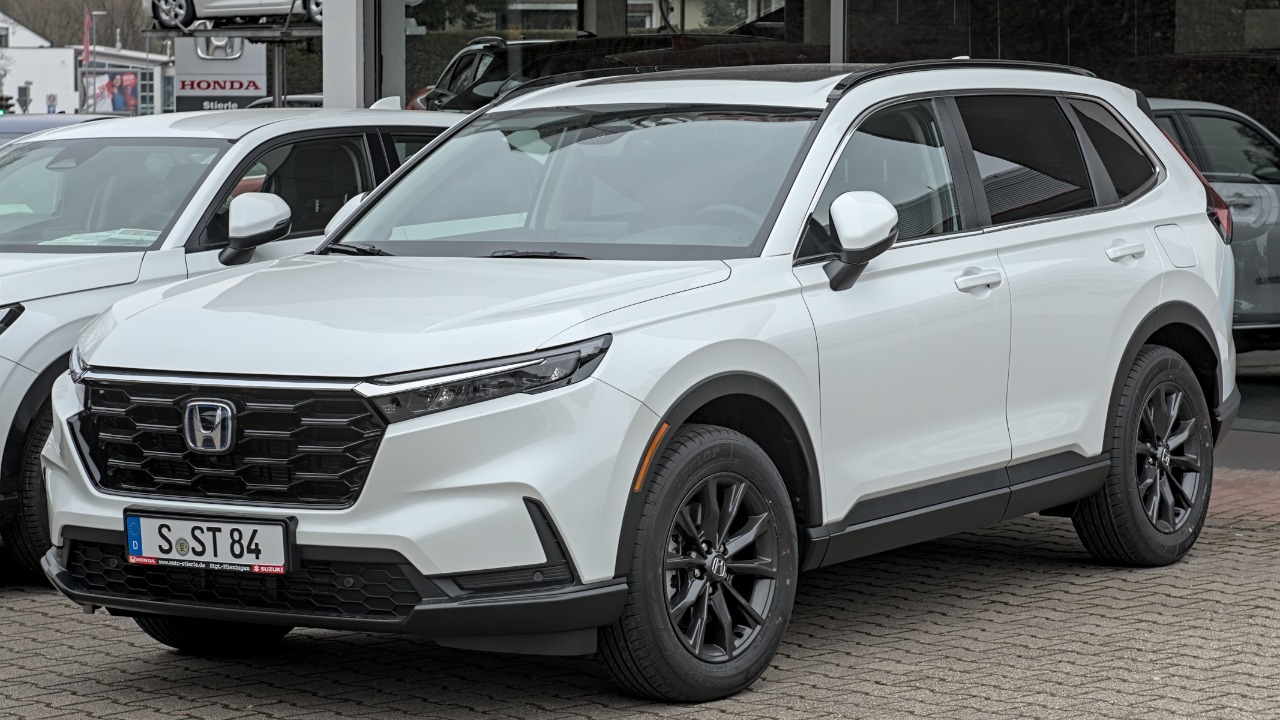
Honda makes the strongest case for reading the engine rather than the badge, because its J-series V6 stayed belt-driven while the four-cylinders under Honda’s compact crossover did not. Both the naturally aspirated K24 and the later 1.5-liter turbocharged L15 turn their camshafts with a chain, sealed inside the front cover and fed by the same oil that lubricates the bearings.
Shoppers moving up to the larger Honda SUVs should not assume the arrangement carries over, since a belt engine arrives with a replacement bill that a chain engine does not. Chains still depend on timely oil changes, and a tensioner starved of pressure gives out long before the chain itself wears through.
5. Mazda CX-5: Skyactiv Sealed The Belt Away
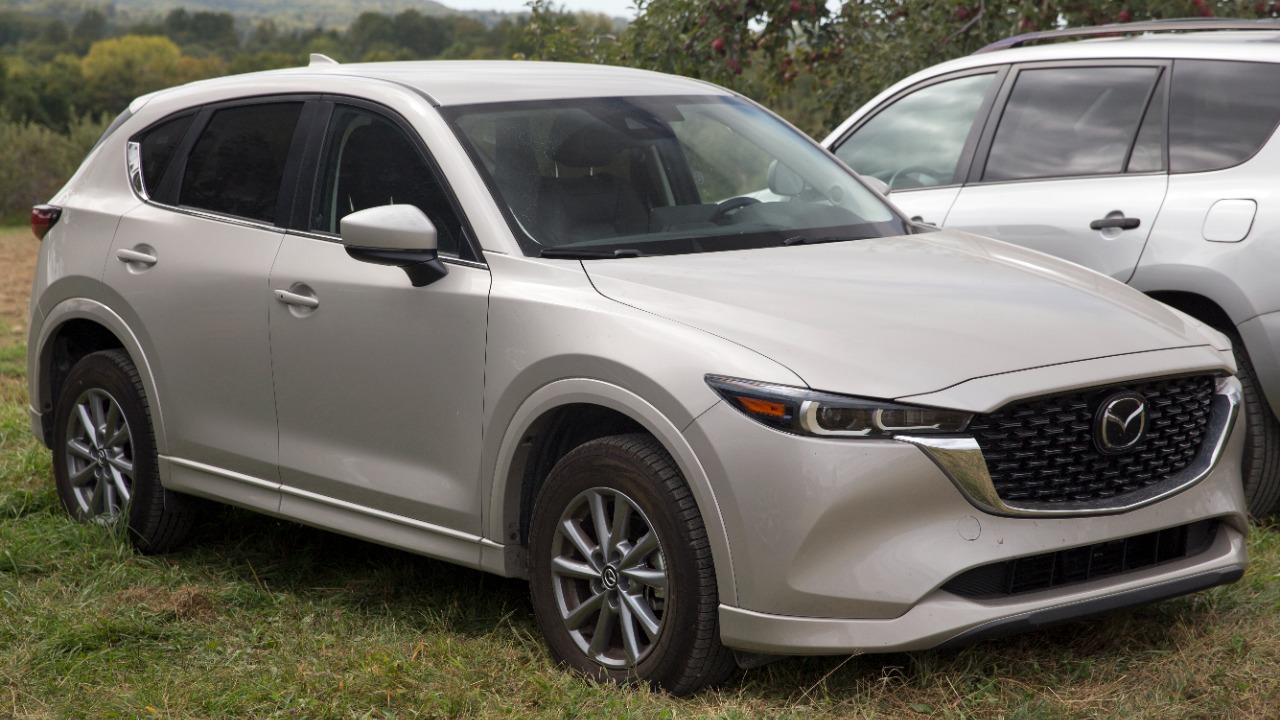
Mazda engineered its Skyactiv-G gasoline engines as a family, and every one of them fitted to Mazda’s compact crossover, from the 2.0-liter to the 2.5-liter and its turbocharged sibling, drives the camshafts with a chain. High compression demands precise valve timing, and a chain running in pressurized oil holds that timing without the heat aging that eventually retires a rubber belt.
Calling the setup maintenance-free overstates it. The chain is meant to last the life of the engine rather than to hit a fixed interval, an ambition that assumes the oil is changed on schedule and at the correct viscosity; skip either and the guides and tensioner wear first.
6. Toyota RAV4: A Best-Seller Without A Countdown
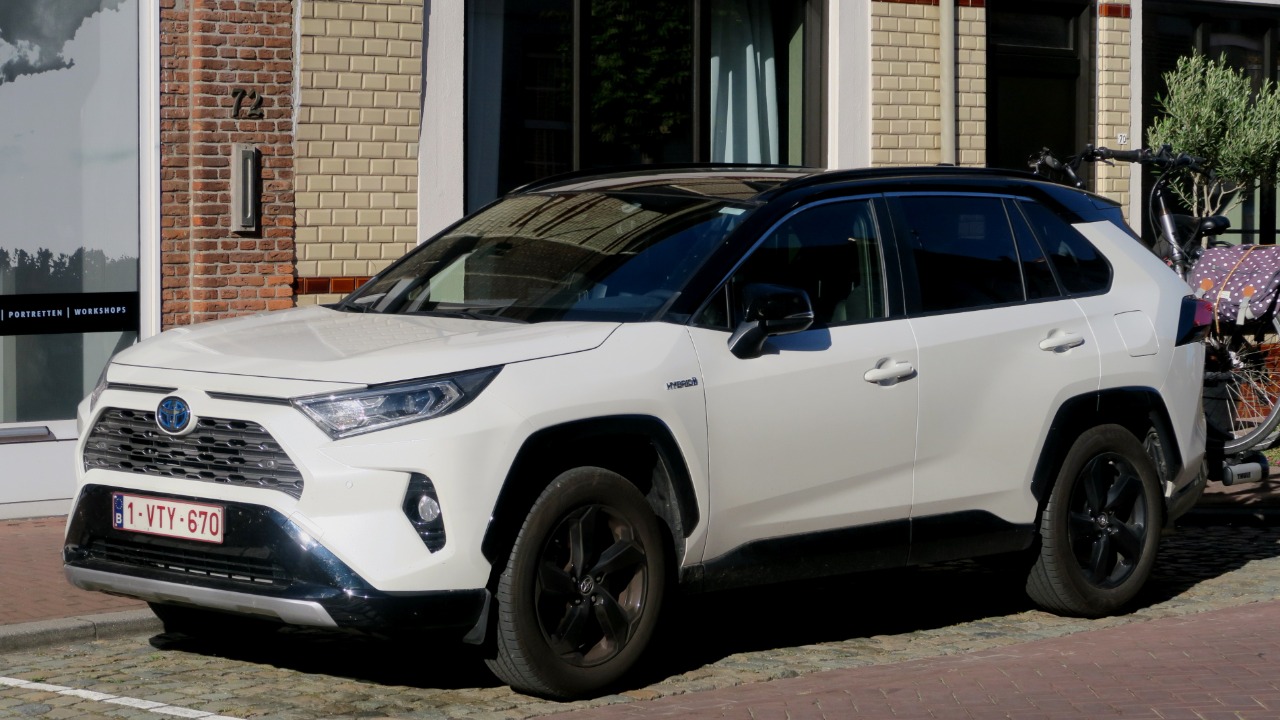
Volume matters for parts supply and shop familiarity, and Toyota’s compact crossover runs chain-driven engines across the versions most common on the road, including the 2.5-liter 2AR-FE and the Dynamic Force A25A that followed it. Only the earliest models used a belt, so nearly every used example on a dealer lot has no belt service waiting in its future.
That saved job is real money across a long ownership. What replaces it is a quieter obligation: a rattle at startup, a fault code for cam timing correlation or a complaint about oil pressure become the symptoms that deserve attention, rather than a mileage sticker on the windshield.
7. Subaru Forester: The Boxer Traded Its Belt
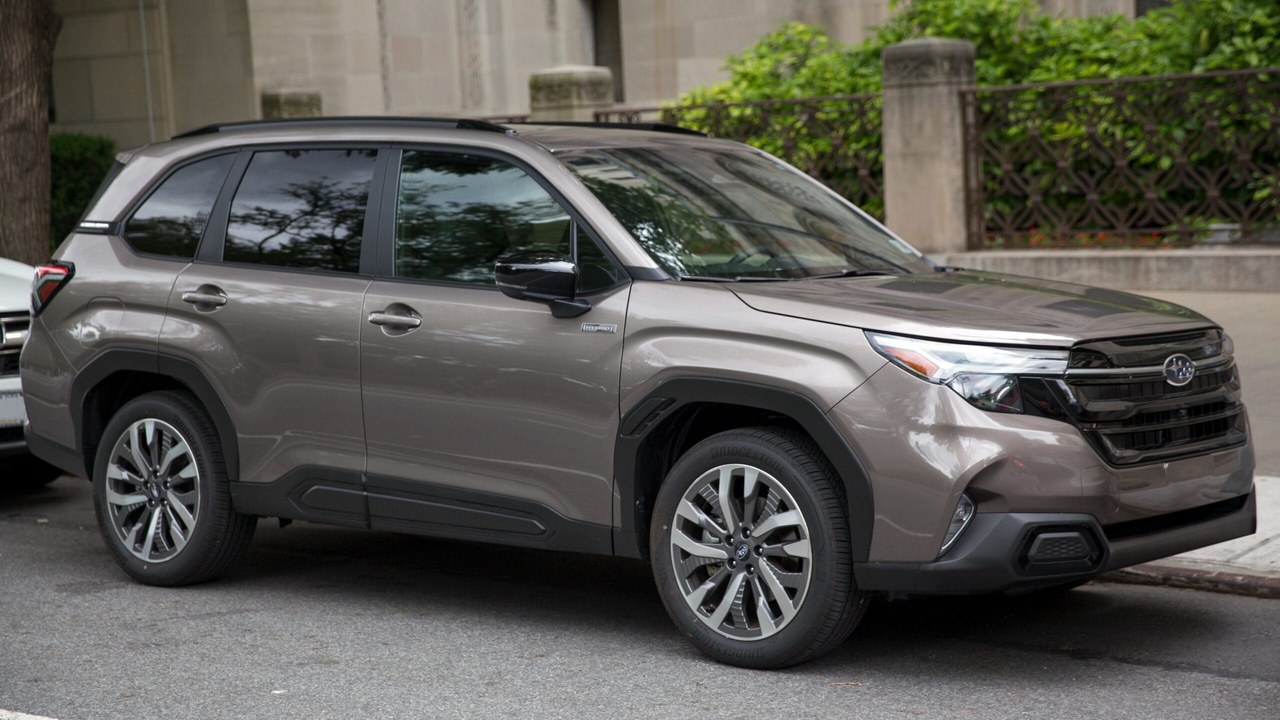
Subaru’s changeover is easier to date by engine than by showroom year: the EJ25 flat-four used a timing belt, while the FB-series boxer that succeeded it in Subaru’s compact SUV drives its camshafts with chains. A horizontally opposed layout puts two cylinder heads at opposite ends of the crankshaft, so the belt had to span a long path across both banks before the chain arrangement replaced it.
Belt-driven examples still on the road carry a genuine service item, often bundled with a water pump. Chain drive removes that appointment without removing the wear, since the timing components stay oil-fed and answer to heat, mileage and skipped changes.
8. Chevrolet Tahoe: Pushrod Simplicity Helps
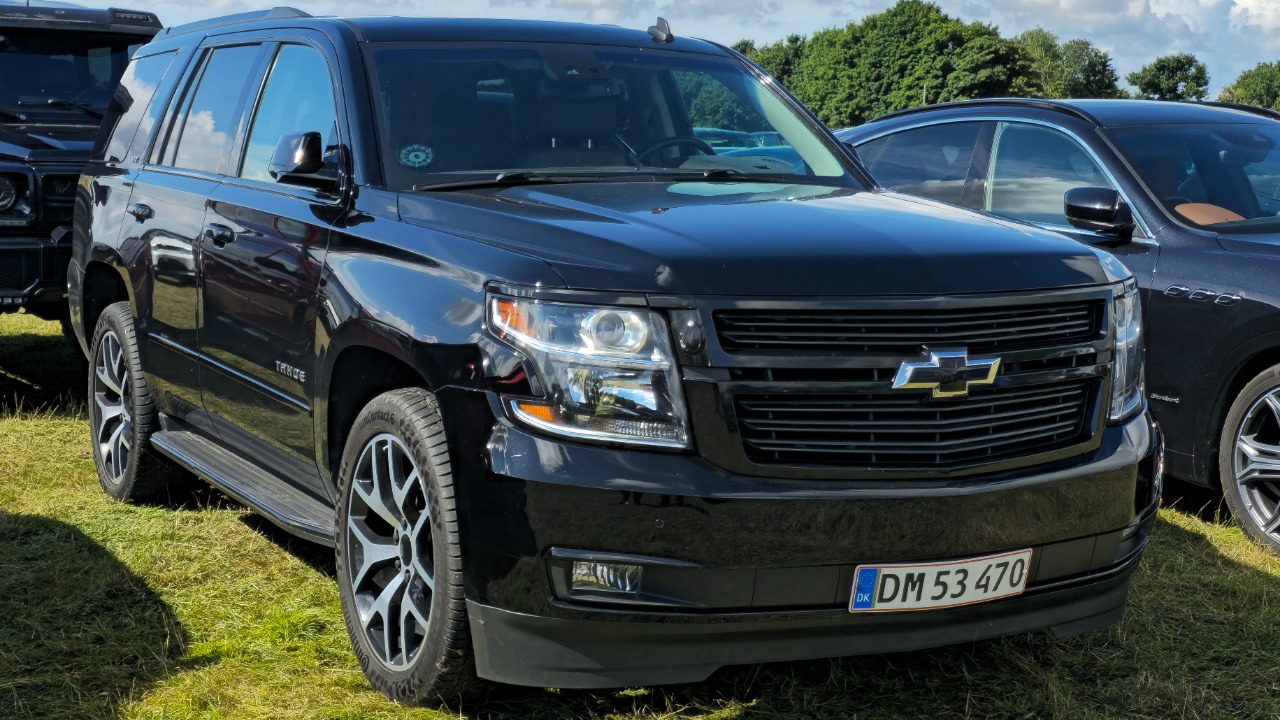
Simplicity does part of the work in Chevrolet’s full-size SUV, where the small-block V8 keeps a single camshaft inside the block and drives it with one short chain instead of the long runs an overhead-cam layout requires. The EcoTec3 5.3-liter and 6.2-liter engines carry that arrangement forward, and fewer links under less tension is a plain durability advantage.
Rarely is the chain what ends one of these engines. Oil-fed hardware around it, including the phaser that varies valve timing, depends on pressure and clean fluid, so the emphasis lands on oil grade and change intervals rather than on a replacement date for the chain.
9. Ford Mustang: Four Cams, Chain Driven
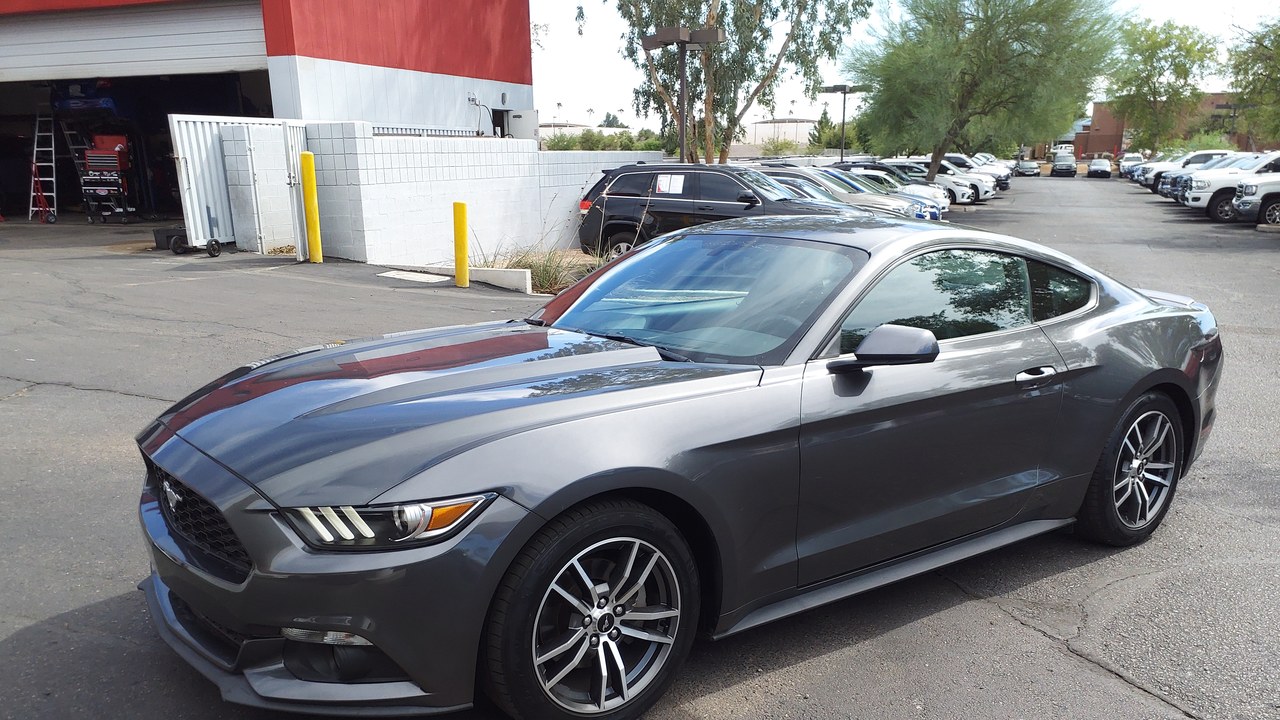
Performance engines punish timing components, part of why Ford’s modular V8 family and the Coyote 5.0-liter that powers Ford’s rear-drive coupe turn four overhead camshafts with chains. Chains tolerate heat and engine speeds that would shorten the life of a rubber belt, and they hold up under the cam phasers that shift valve timing as revs climb.
Hard use still leaves marks. Guides and hydraulic tensioners absorb the load in a high-revving V8, and cars that see track days or stretched oil changes are the ones most likely to complain at the front of the engine, chain design notwithstanding.
10. Nissan Frontier: Wear, Not A Sudden Snap
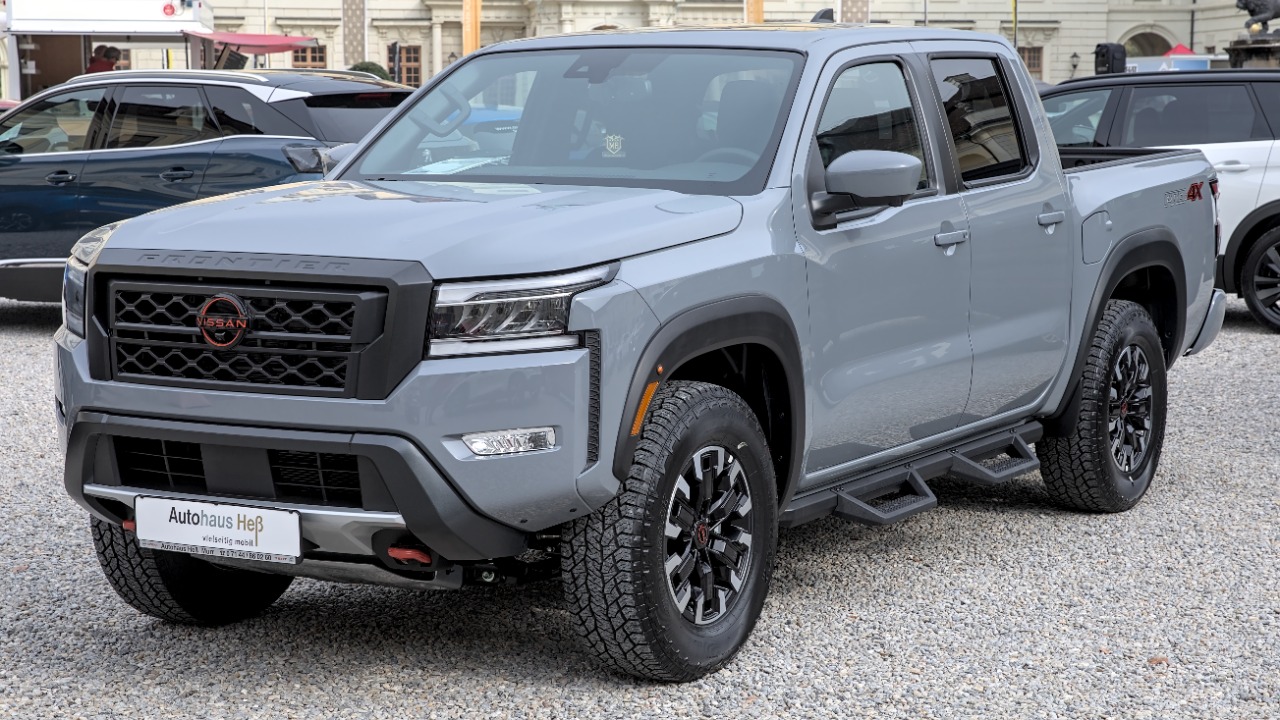
Two generations of engine tell the same story in Nissan’s midsize pickup: the 4.0-liter VQ40DE that served for roughly fifteen years and the 3.8-liter VQ38DD that replaced it both drive their camshafts with chains. Nissan designed the VQ family that way, which suits a work truck expected to idle, tow and pile up miles far from a shop equipped for belt work.
Chains of that size run in multiples, with guides and tensioners at every turn, so the failure mode is gradual wear rather than a sudden snap. A cold-start rattle is the warning worth acting on, and it arrives on its own schedule instead of at a number printed in the manual.
More from Morning Overview
- The NSA is again telling phone owners to switch off one location setting
- A handful of car transmissions are so tough mechanics say they almost never fail
- A handful of SUVs keep hitting 300,000 miles, and they share one engine trait
- Supplements now rank as the fifth-leading cause of death from liver disease.
