
Some engines just refuse to die, and the vehicles built around them earn cult followings for it. Owners push these platforms past 200,000 or even 300,000 miles with nothing more than routine maintenance, no rebuilds, no rod knock, no head gasket drama. Mechanics recommend them for a reason, and these ten cars show why.
1. Toyota Land Cruiser: Overland Legend
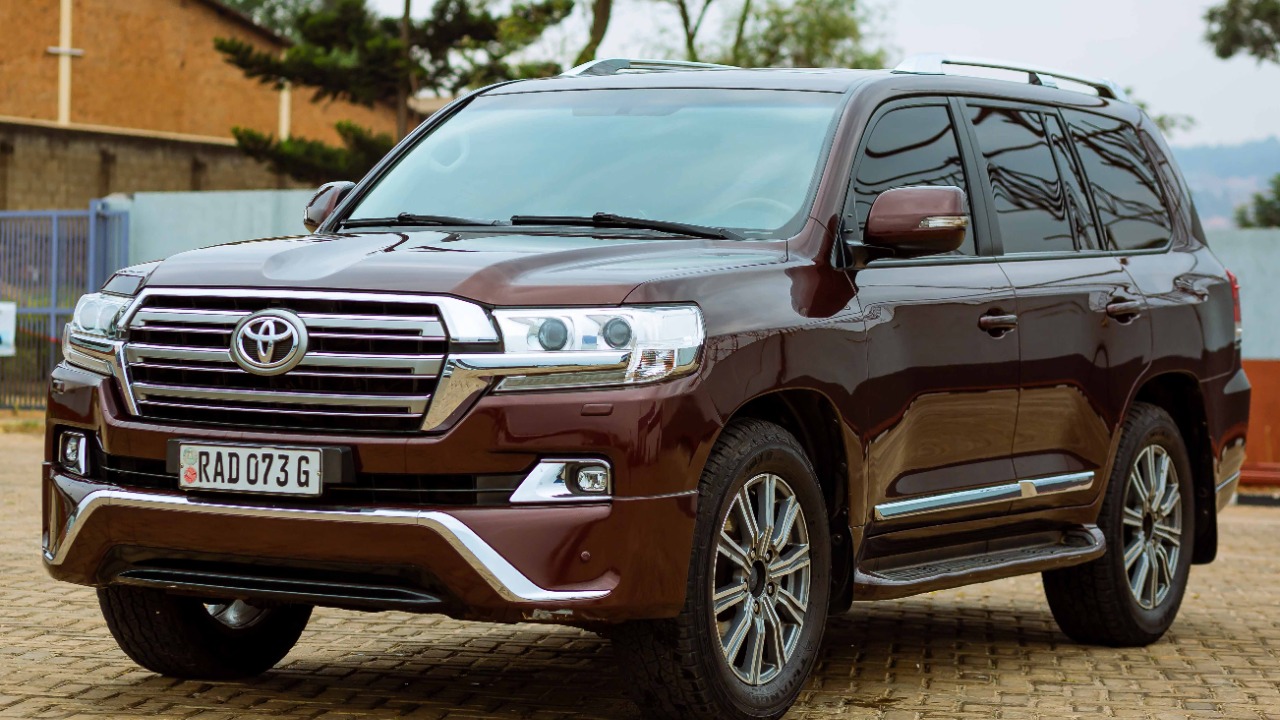
The Toyota Land Cruiser earns its reputation from engines like the 1FZ-FE inline-six and later V8s, workhorses that Toyota engineered for punishing overland duty rather than outright speed. Fleets in Africa, Australia, and the Middle East have logged the SUV past 300,000 miles on original internals, and secondhand examples still command a premium for that proven durability.
That reputation didn’t come from luxury touches; Toyota kept the engineering conservative, favoring simple mechanical fuel systems and iron-block strength over complexity. The tradeoff is weight and modest fuel economy, but owners who tow, off-road, or simply refuse to sell say the payoff is an engine that rarely asks for more than oil changes.
2. Lexus LS: Bulletproof V8
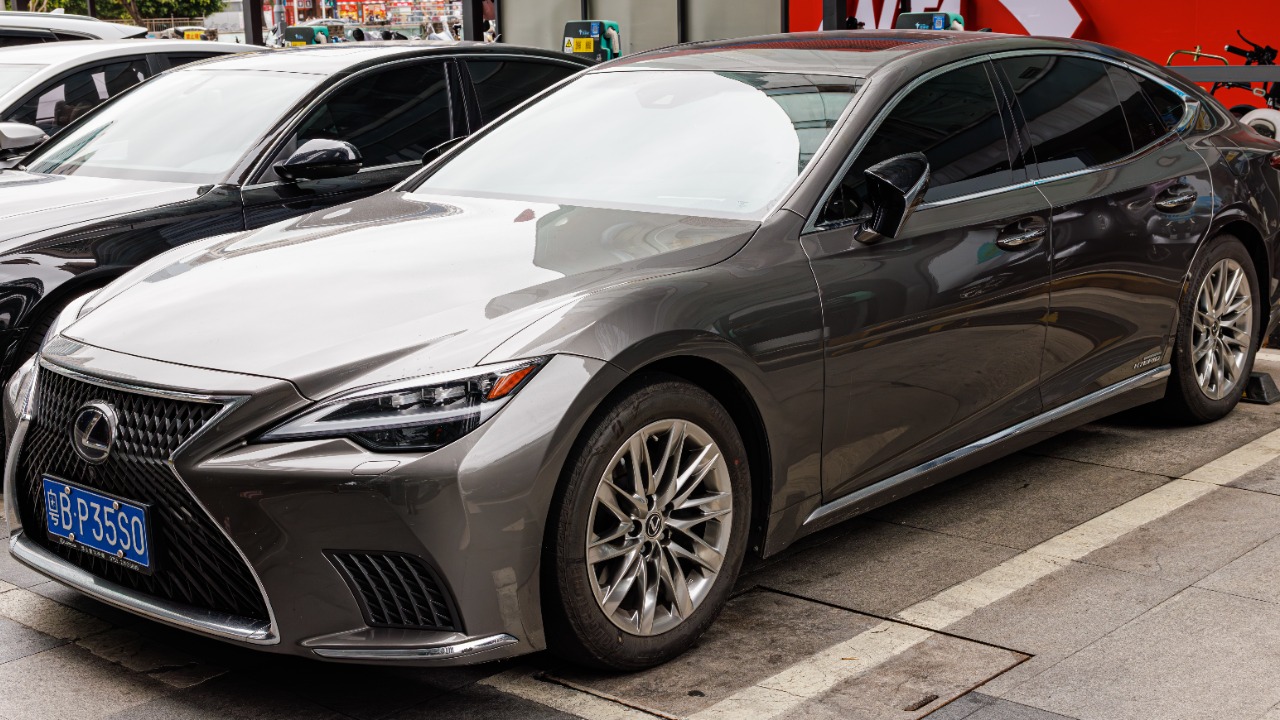
The first-generation Lexus LS introduced the 1UZ-FE V8, an engine Toyota’s luxury division built with tolerances tighter than most performance cars of its era. Independent teardown tests found wear patterns so minimal after 100,000 miles that engineers called the engine essentially undamaged, and the LS quickly earned a reputation as the car that could out-survive a Mercedes-Benz at a fraction of the running cost.
Toyota reportedly overbuilt the 1UZ-FE deliberately, wanting to prove a Japanese luxury sedan could match German engineering without German reliability headaches. Timing belts and coolant crossover pipes still need attention on high-mileage examples, but the core bottom end has a long history of outlasting the rest of the car around it.
3. Honda Accord: Precision Built
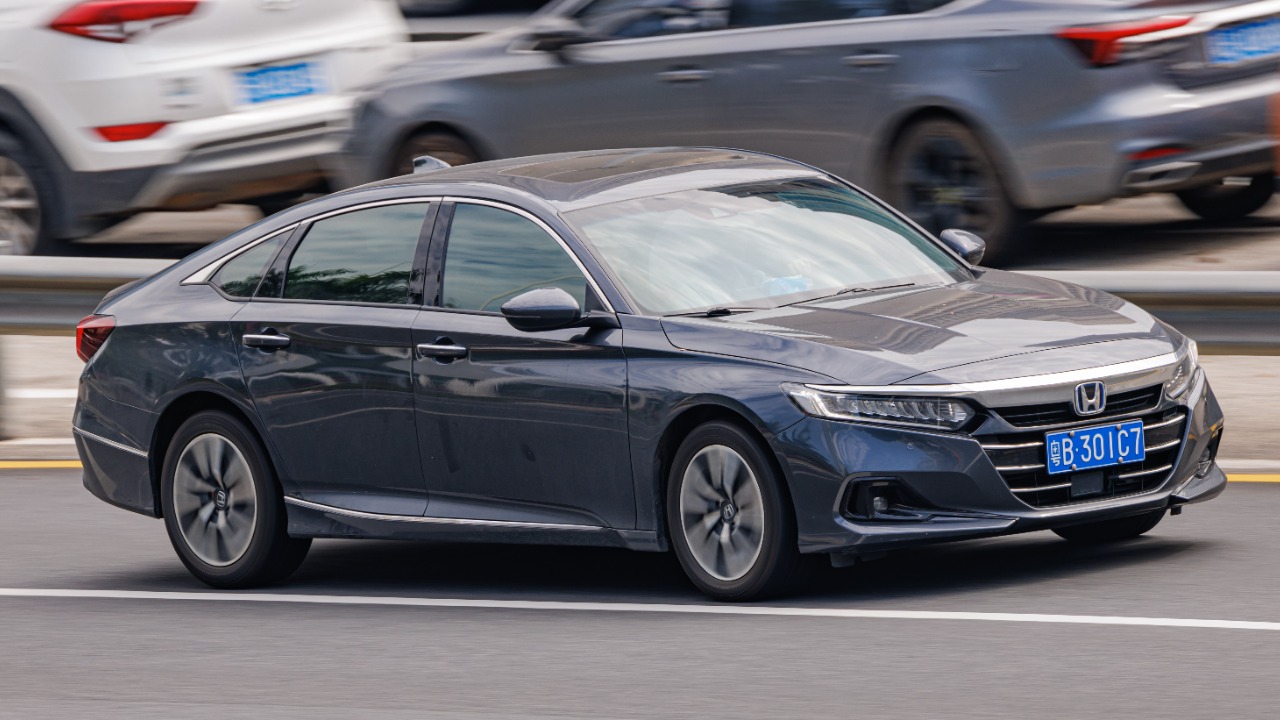
The Honda Accord built its reputation on four-cylinder and V6 engines, particularly the K-series, that combine a high redline with unusually low long-term wear. Consumer Reports and independent mechanics have repeatedly flagged Accord powertrains among the least likely to need major repair before 150,000 miles, a track record that keeps resale values high across nearly every generation of the sedan.
Honda’s advantage comes from manufacturing precision as much as design, with tight tolerances that reduce internal friction and slow wear over hundreds of thousands of miles. Regular oil changes and timing chain maintenance matter, but the engine itself rarely becomes the reason an Accord gets retired.
4. Toyota Supra: Legendary Inline-Six
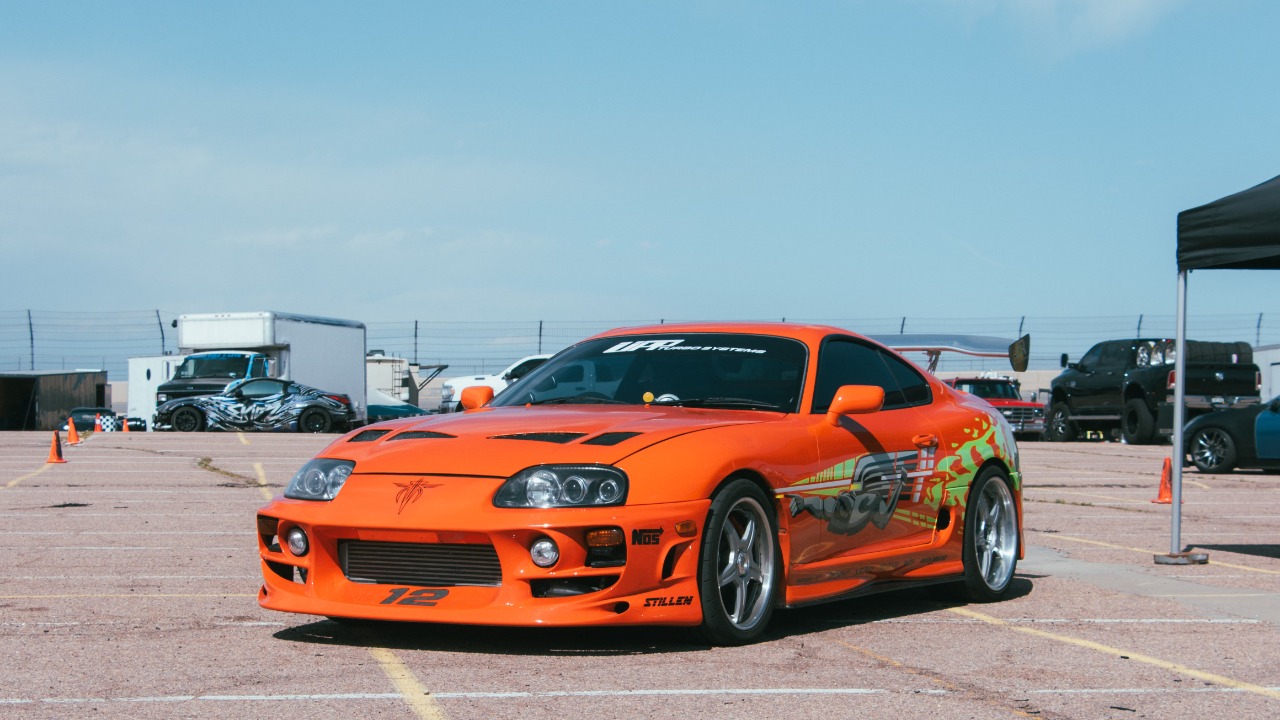
The fourth-generation Toyota Supra’s 2JZ-GTE inline-six became legendary among tuners for surviving horsepower far beyond its factory rating without internal failure. The engine’s oversquare cast-iron block and forged internals give it a strength margin most production engines never receive, which is why drag racers and drift builders still hunt for clean factory examples to build on.
That overbuilt reputation has driven Supra prices sharply upward, since the same block that handles doubled power output also tends to run reliably in stock form for decades. The tradeoff is that clean, unmodified cars have become expensive collector items rather than practical daily drivers.
5. Mercedes-Benz W123: Million-Mile Diesel

The Mercedes-Benz W123, built through the late 1970s and 1980s, paired its OM616 and OM617 diesel engines with an over-engineered chassis meant to survive taxi-fleet duty across Europe and Africa. Individual W123 diesels have documented odometer readings well past 500,000 miles, with some verified examples approaching a million, cementing the model’s status as one of the most durable cars ever mass-produced.
Mercedes designed the W123 in an era when engineering redundancy mattered more than cost-cutting, using thicker steel and simpler mechanical injection than later diesels. Slow acceleration and heavy weight are the tradeoffs, but taxi operators worldwide still credit the platform with some of the longest service lives on record.
6. Volvo 240: Swedish Overbuilt
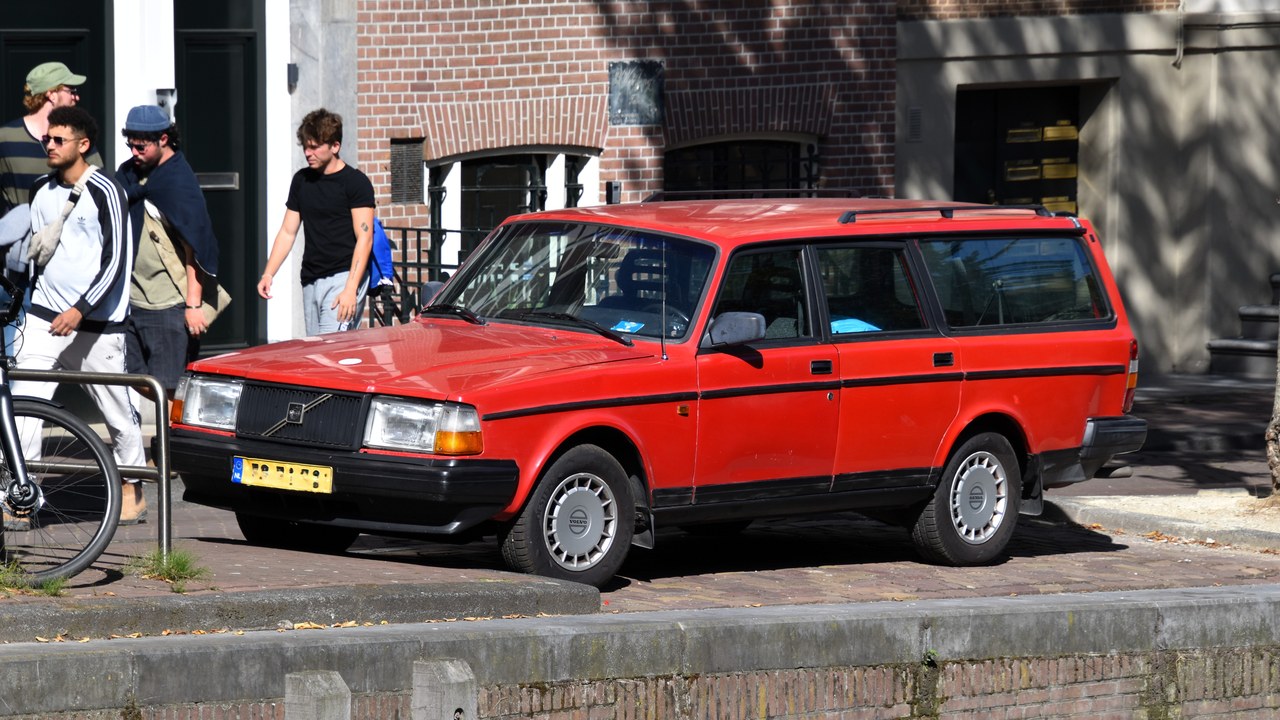
The Volvo 240’s inline-four ‘redblock’ engine became a Swedish icon for tolerating neglect that would destroy other engines, from skipped oil changes to extreme cold-weather starts. Volvo engineered the block with thick iron walls and conservative tuning, and enthusiast forums are full of owners reporting 300,000 to 400,000 miles on original internal components.
The engine’s simplicity is part of its longevity, since fewer stressed components mean fewer places for catastrophic failure to start. Volvo built the 240 through the 1990s specifically for Scandinavian climates and long ownership cycles, and that conservative approach is exactly what let the redblock earn its reputation.
7. Toyota Tacoma: Outlasts The Body
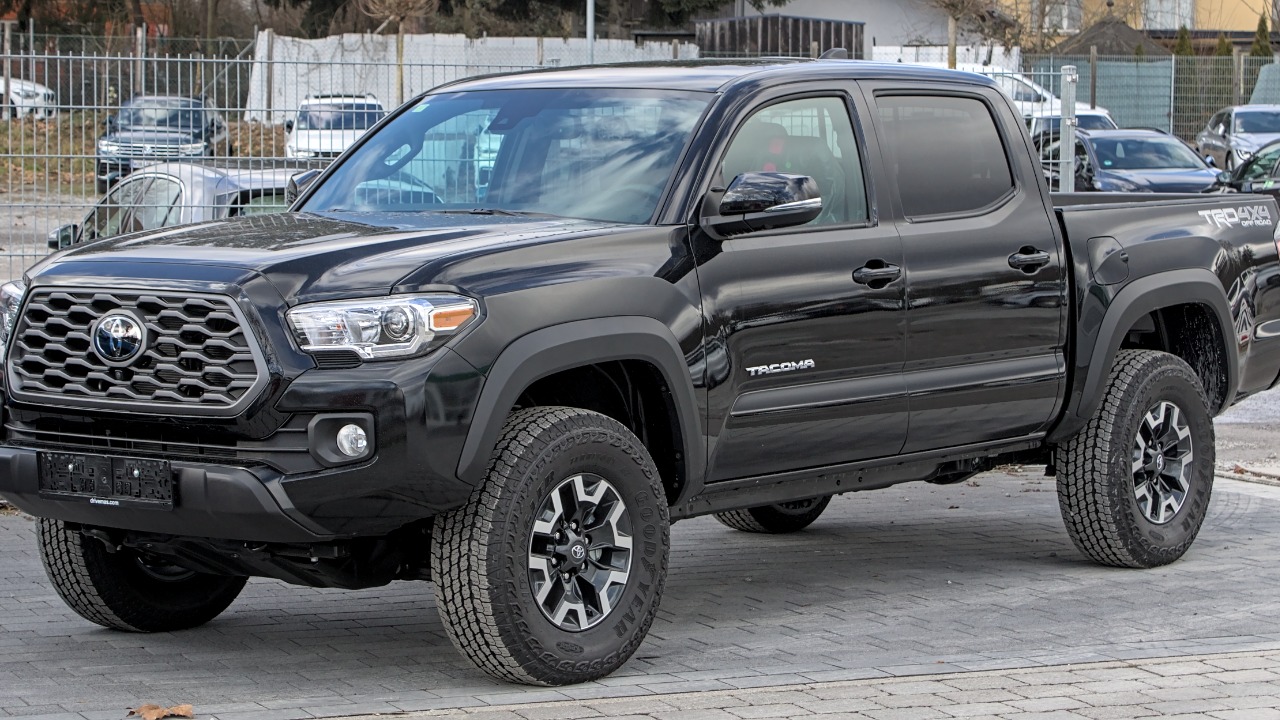
The Toyota Tacoma’s four-cylinder and V6 engines routinely outlast the truck’s own sheet metal, with iSeeCars longevity studies repeatedly ranking the Tacoma among vehicles most likely to reach 200,000 miles. Owners in rust-belt states often report replacing frames or bodywork years before the drivetrain shows any real sign of wear.
Toyota’s truck engines share design philosophy with the Land Cruiser’s, prioritizing simplicity and proven components over cutting-edge output. That conservative engineering is why used Tacomas hold their resale value so aggressively, since buyers know the engine underneath is rarely the reason a truck gets sold.
8. Nissan Maxima: Award-Winning V6
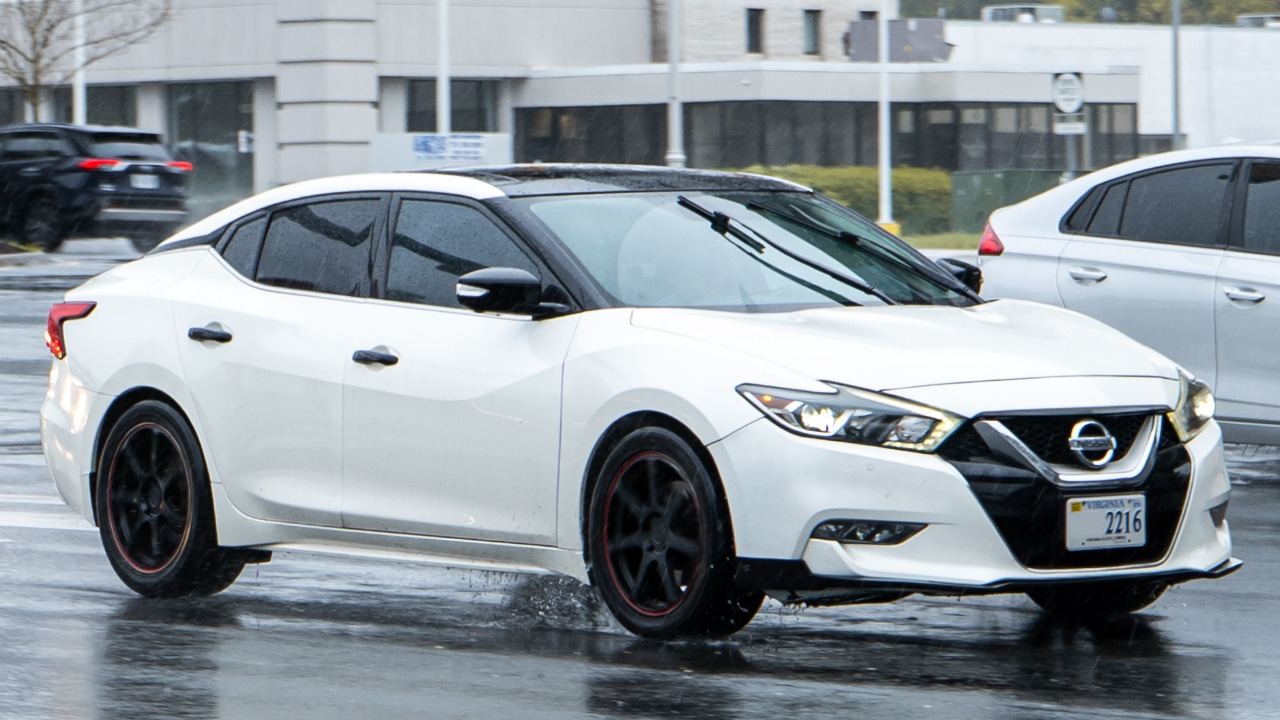
The Nissan Maxima’s VQ-series V6 spent years on Ward’s 10 Best Engines list, praised for smooth power delivery and a durability record that held up even under the sedan’s sportier tuning. Owners routinely report the VQ engine surpassing 200,000 miles with only standard maintenance, a rare feat for a V6 marketed toward performance-minded buyers.
Nissan’s VQ family became one of the most widely used engines in the company’s lineup precisely because it proved so dependable across different vehicles and driving styles. Timing chain and oil consumption issues appear in isolated years, but the core architecture remains among Nissan’s most trusted.
9. Ford Crown Victoria: Fleet Workhorse

The Ford Crown Victoria’s 4.6-liter modular V8 became the default engine for American police departments and taxi fleets precisely because it tolerated idling for hours and racking up mileage other engines couldn’t survive. Fleet operators routinely ran Crown Victorias past 250,000 miles with only scheduled service, a track record that made the car a fixture in municipal garages nationwide.
Ford built the Panther platform underneath the Crown Victoria with body-on-frame simplicity specifically because fleet buyers valued easy, cheap repairs over refinement. That same durability now makes surviving examples popular with private buyers looking for a low-cost, high-mileage used car that keeps running.
10. BMW E30: Iron Block Icon

The BMW E30 3 Series, especially models fitted with the M20 inline-six, developed a reputation among enthusiasts for engines that keep running long after the rest of the car has rusted away. The M20’s iron block and relatively low state of tune in factory form give it a wide safety margin that owners still praise across forums today.
BMW’s engineering during the E30’s production run leaned toward mechanical simplicity, with fewer sensors and less complexity than the electronics-heavy engines that followed. That makes the M20 comparatively easy to maintain at high mileage, which is part of why the E30 remains a favorite restoration and track-day platform decades later.
More from Morning Overview
