
Most car names come and go within a generation, quietly retired when tastes shift or a plant closes. A rare handful, though, have hung on across five decades or more, outlasting fuel crises, mergers, and entire design eras while keeping the badge alive. Here are ten American nameplates that have each survived past the half-century mark.
1. Chevrolet Suburban: The Longevity Champion
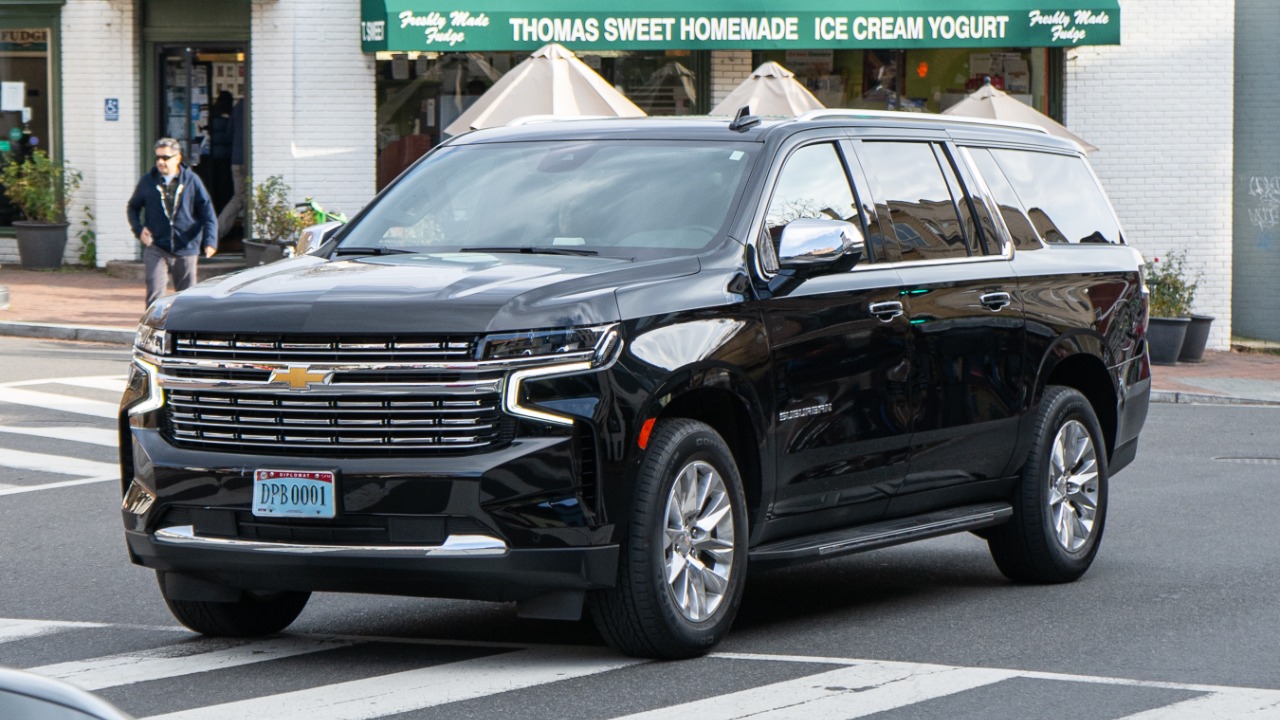
Few vehicles can claim the pedigree of the full-size Chevrolet Suburban, which entered production back in 1935 and has never left. That unbroken run makes it the longest-running automobile nameplate sold in the United States, spanning generations of families, work fleets, and government motor pools.
What began as a wood-and-steel carryall for hauling people and gear has grown into a truck-based hauler stretching well past 18 feet. Its staying power comes from filling a niche few rivals bother with: seating for a large crowd plus serious towing capacity in one body.
2. Ford F-Series: America’s Enduring Best-Seller
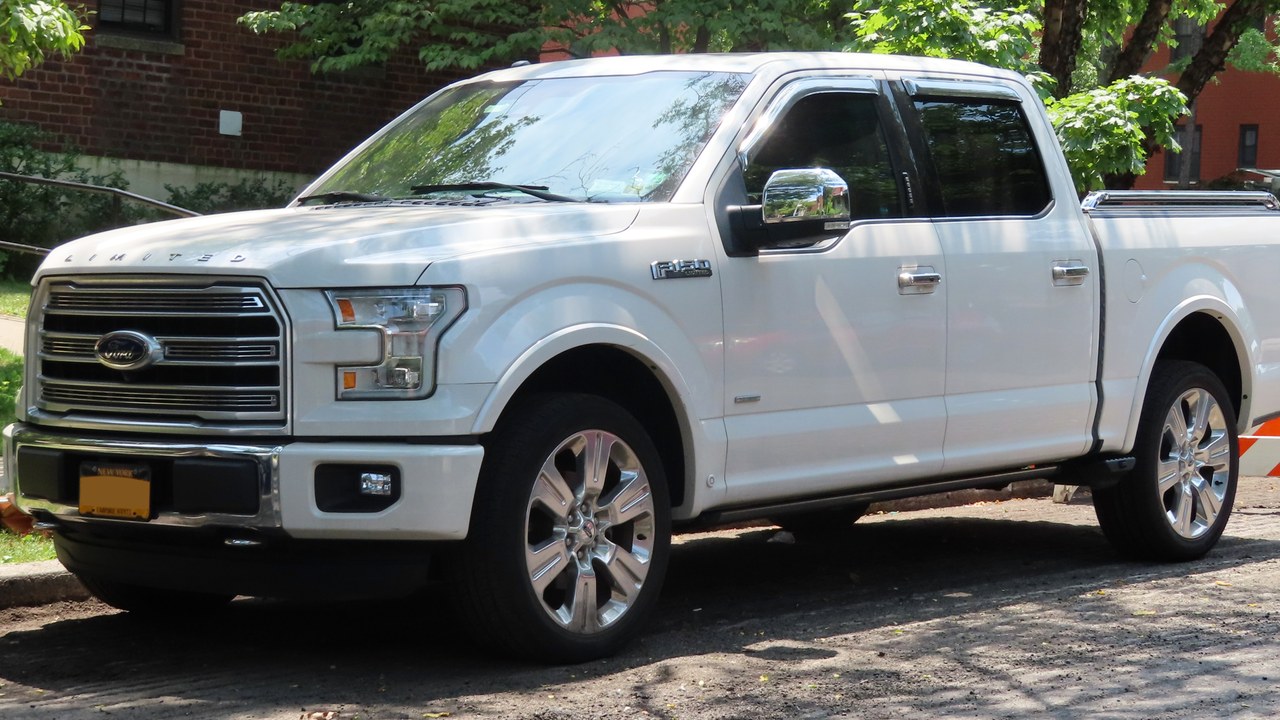
Introduced in 1948, the Ford F-Series pickup line has spent decades as the best-selling vehicle in the country. The F-150 anchors the range, but the badge has covered everything from light haulers to heavy-duty work trucks over its long history.
That dominance rests on constant reinvention rather than nostalgia. Ford has swapped in aluminum bodies, turbocharged engines, and now electric variants while holding onto the name buyers already trust. For millions of contractors and commuters alike, the F-Series has simply been the default choice.
3. Chevrolet Corvette: The Homegrown Sports Car
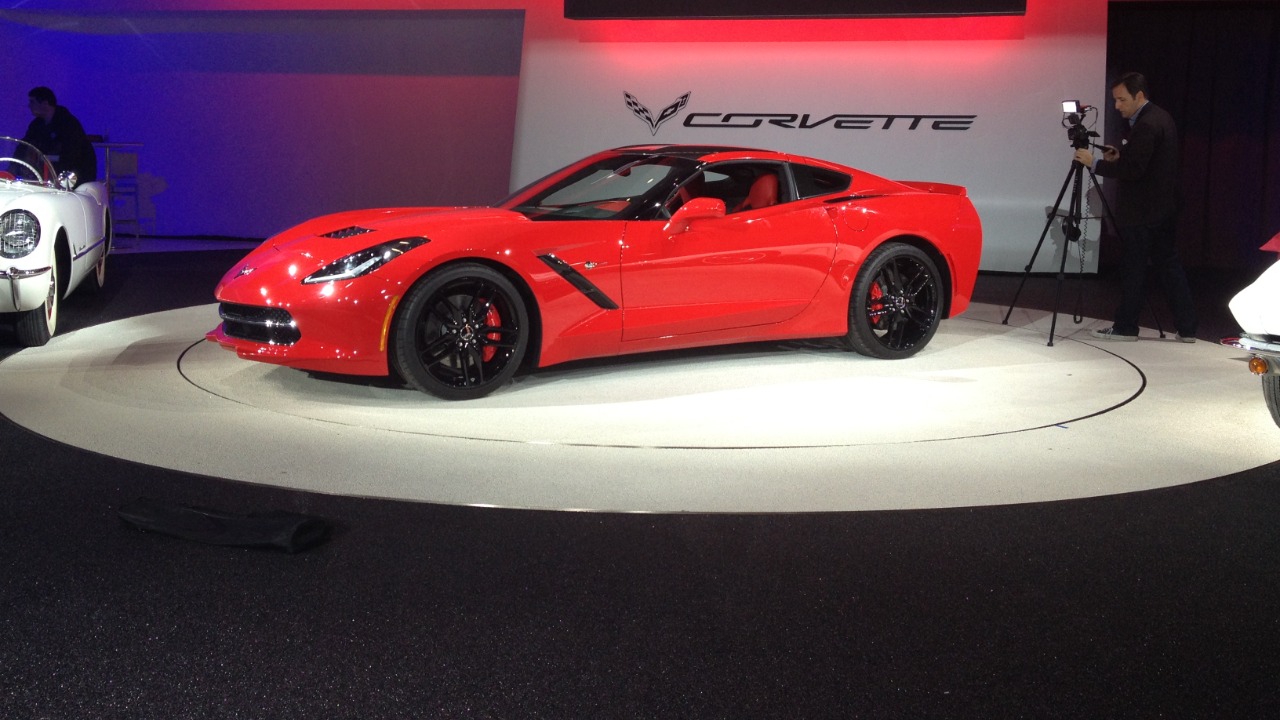
Since its 1953 debut, the two-seat Chevrolet Corvette has run continuously as America’s signature sports car. Eight distinct generations have carried the name, evolving from a modest fiberglass roadster into a machine that now trades blows with far pricier European exotics.
The most dramatic shift came recently, when Chevrolet moved the engine behind the driver for a mid-engine layout. It was a gamble on a beloved formula, yet it kept the Corvette relevant to a new audience without abandoning the badge’s seven-decade identity as an attainable performance icon.
4. Ford Mustang: The Original Pony Car
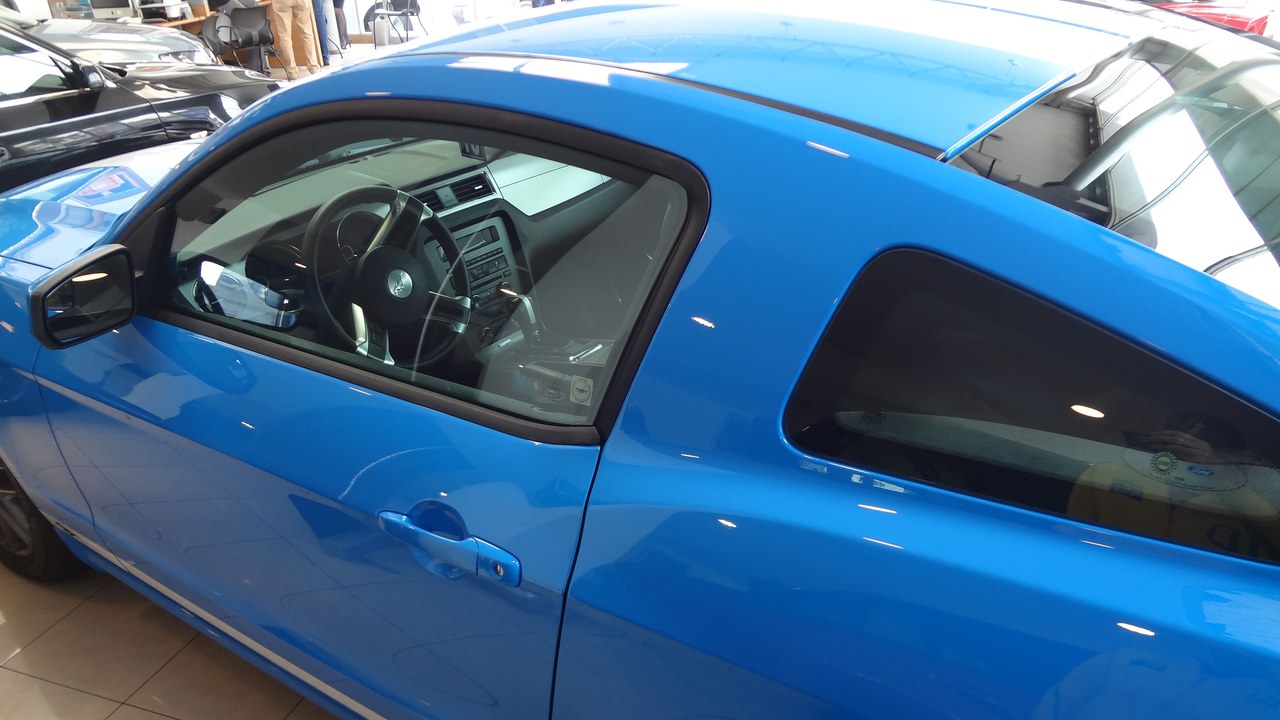
Launched in 1964, the first-generation Ford Mustang created the pony-car segment overnight and has stayed in showrooms ever since. Its blend of long hood, short deck, and affordable price sold in staggering numbers and spawned a wave of imitators from rival automakers.
Through fuel crises and shifting fashions, the Mustang never disappeared, even when leaner versions tested loyal fans. Today the name stretches to cover a battery-powered crossover as well, a controversial move that shows how far Ford will go to keep the badge in play.
5. Chevrolet Camaro: Detroit’s Muscle Answer
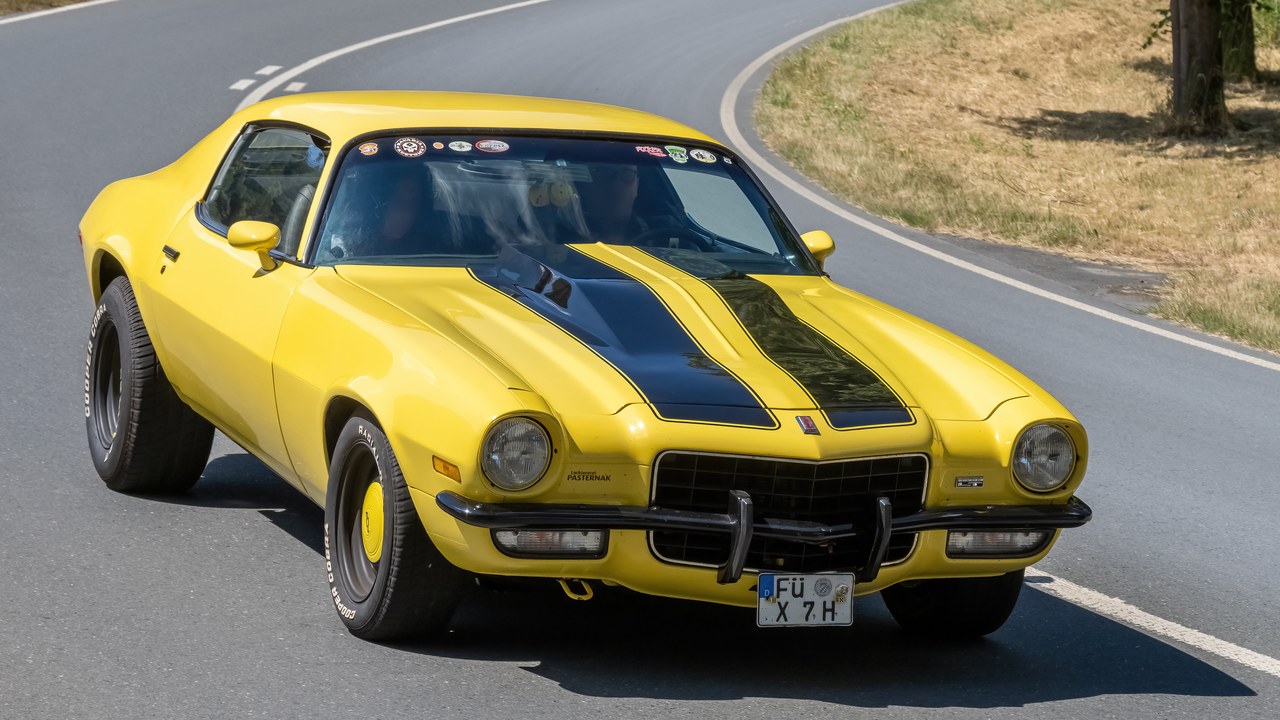
Arriving for the 1967 model year, the Chevrolet Camaro coupe was General Motors’ direct reply to the Mustang’s runaway success. It quickly became a muscle-era icon, tracing its roots to a 1966 introduction and building a devoted following on both street and drag strip.
The nameplate has weathered gaps and comebacks over the years, disappearing for a stretch before returning to fight in the pony-car wars again. Its long rivalry with the Mustang has defined affordable American performance, keeping enthusiasts arguing about which badge truly rules.
6. Chevrolet Impala: The Full-Size Mainstay
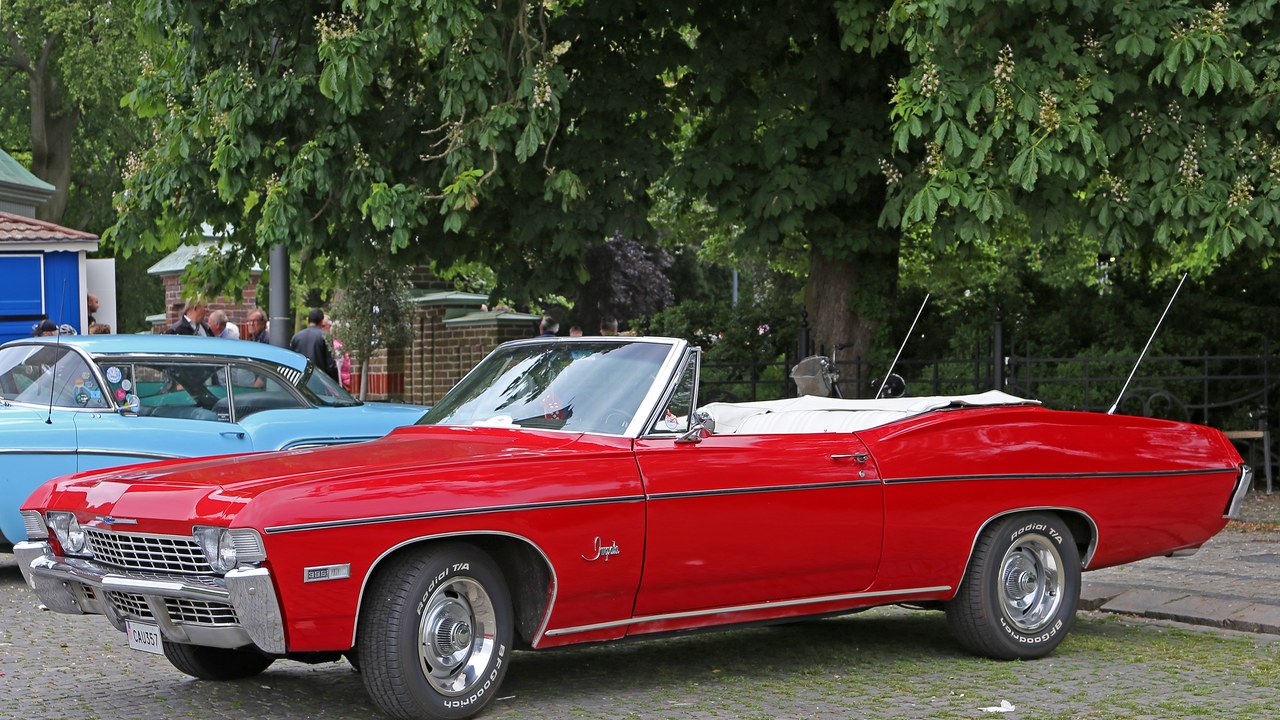
First appearing in 1958, the full-size Chevrolet Impala has come and gone across several decades as one of Detroit’s defining family cars. At its peak it ranked among the best-selling vehicles in America, filling driveways and police fleets alike.
The badge took breaks when large sedans fell out of favor, only to be revived when demand returned. Its long chrome-laden history made early convertibles into collector favorites, while later versions leaned on space and comfort to keep the storied name breathing.
7. Dodge Charger: The Shape-Shifting Performer
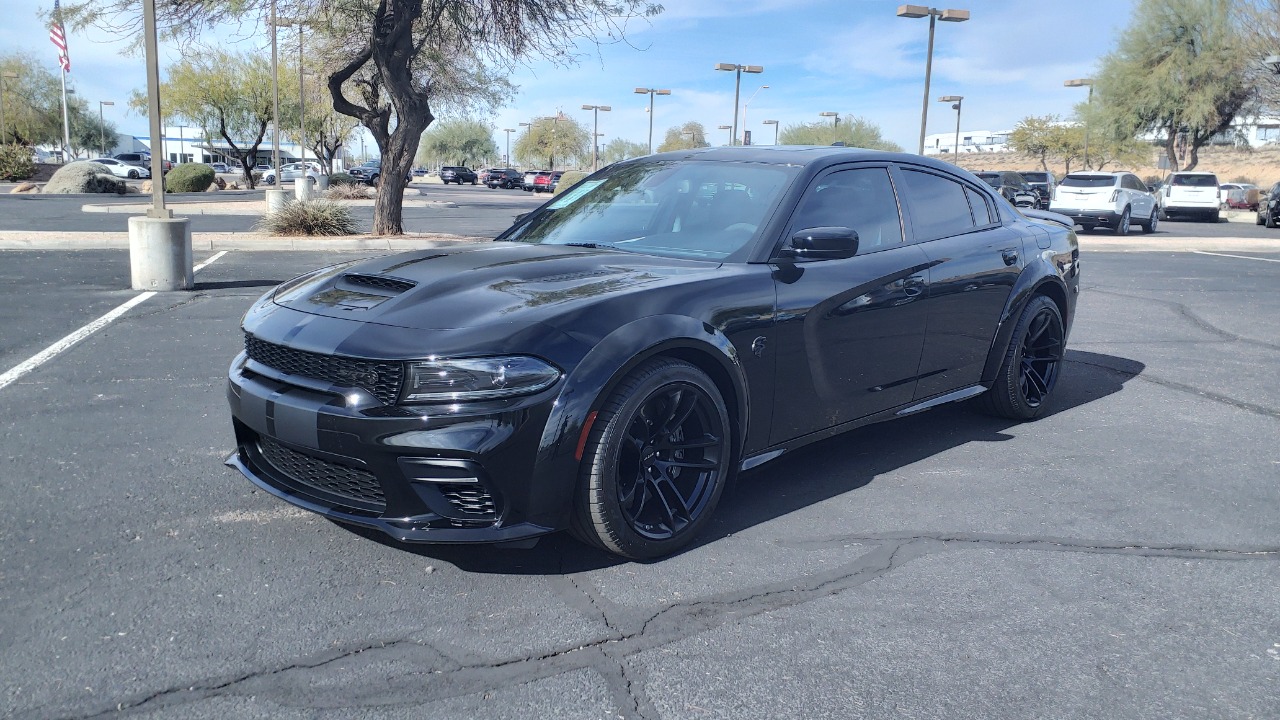
Dating to 1966, the Dodge Charger performance model has worn many shapes over its long life, from fastback muscle coupe to modern four-door sedan. That flexibility let the badge survive eras when the traditional two-door format all but vanished from the market.
The name became a pop-culture fixture through film and television, cementing its tough-guy image for generations. Rather than clinging to one body style, Dodge kept the Charger alive by attaching it to whatever performance package the moment demanded, right up to electrified versions.
8. Chevrolet Malibu: The Everyday Midsizer

The midsize Chevrolet Malibu sedan traces its name to 1964, when it launched as a trim level before growing into a standalone model. Over the decades it became one of Chevrolet’s bread-and-butter family cars, competing squarely against imports in the crowded midsize class.
The badge paused during the 1980s before returning to anchor Chevrolet’s sedan lineup for years afterward. Its survival reflects steady, unglamorous appeal rather than headlines, though the recent industry shift toward crossovers has finally put pressure on the long-running name.
9. Ford Bronco: The Off-Road Revival
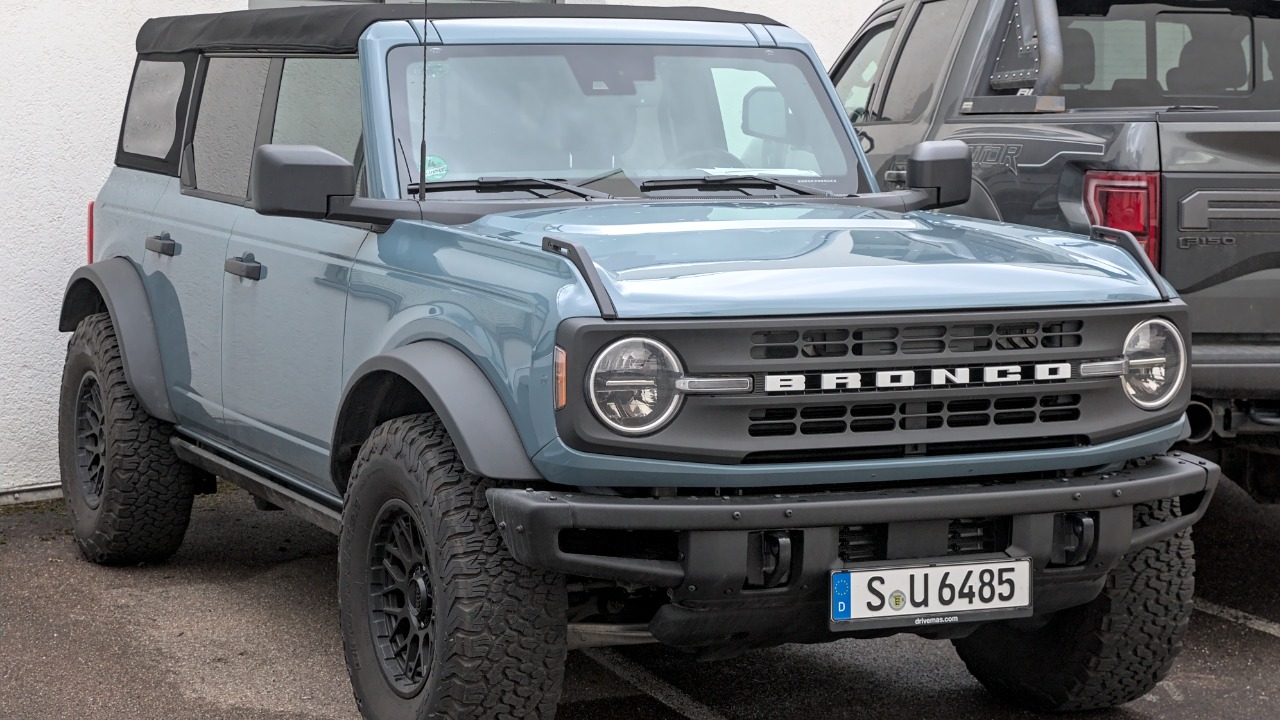
Born in 1965, the rugged Ford Bronco established itself as a go-anywhere off-roader before being discontinued near the close of the 1990s. Its long history and cult following kept the name alive in enthusiast circles even during the years it sat dormant.
Ford revived the badge in dramatic fashion with a boxy, trail-focused design aimed straight at the Jeep Wrangler. The comeback tapped decades of goodwill, proving that a heritage name can return with real demand rather than fading into a footnote of company history.
10. Lincoln Continental: The Luxury Flagship
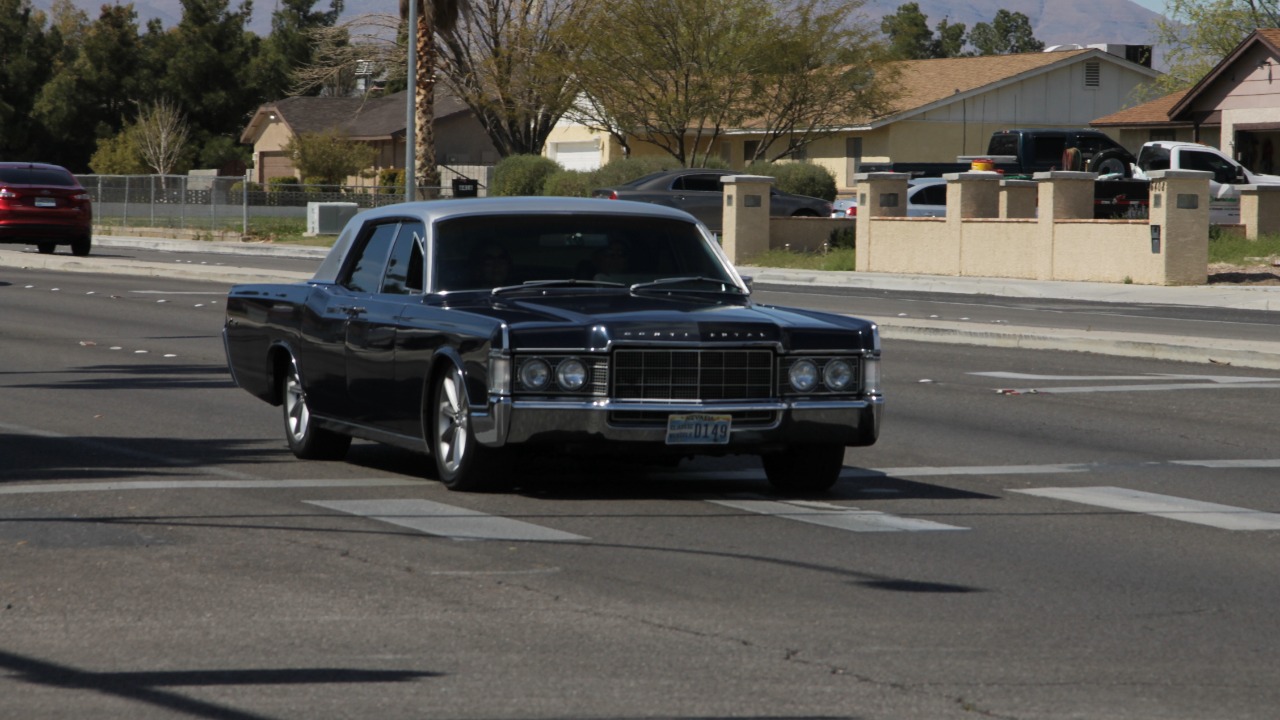
Reaching back to 1939, the stately Lincoln Continental served for decades as the brand’s luxury flagship. Its clean, formal styling and suicide-door sedans of the 1960s became enduring symbols of American prestige and executive travel.
The name appeared and vanished several times as luxury tastes evolved, yet Lincoln kept resurrecting it whenever a halo car was needed. Its most recent revival paid tribute to those celebrated older designs before the badge was retired again, closing out a run that spanned generations.
More from Morning Overview
