
Air-cooled engines skip the radiator and coolant entirely, leaning on finned cylinders and moving air to shed heat. That simplicity gave a generation of classics a distinctive clatter, a lighter nose, and a mechanical charm that keeps collectors hunting them down decades later. Here are ten air-cooled machines that enthusiasts still chase across auctions and classified listings.
1. Volkswagen Beetle: The People’s Car
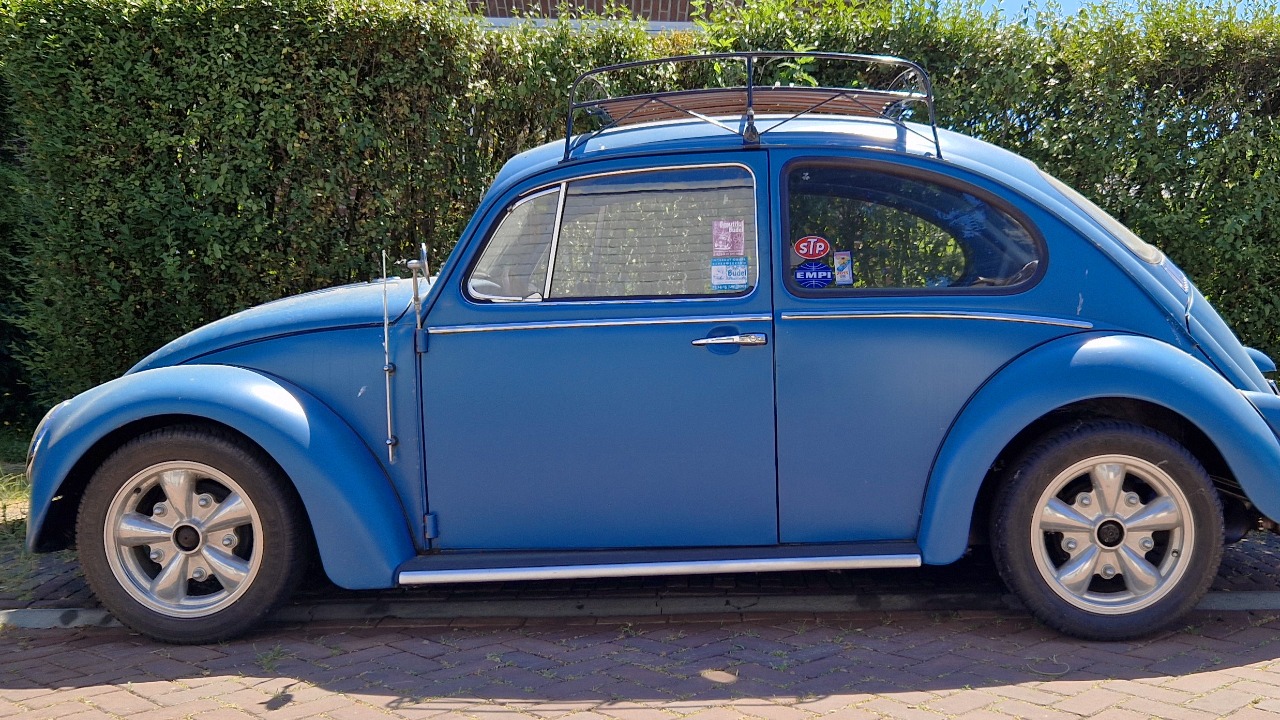
Few cars carry the cultural weight of the humble Beetle, whose rear-mounted air-cooled flat-four became one of the best-selling designs in automotive history. Production stretched across continents and generations, and the original Volkswagen Beetle sold in staggering numbers before the last examples rolled out of Mexico.
Enthusiasts prize the Beetle for its simplicity as much as its history. Parts remain plentiful and the flat-four is famously easy to service, which makes early models an accessible entry point for anyone chasing air-cooled character on a modest budget.
2. Porsche 911 (classic): The Air-Cooled Icon
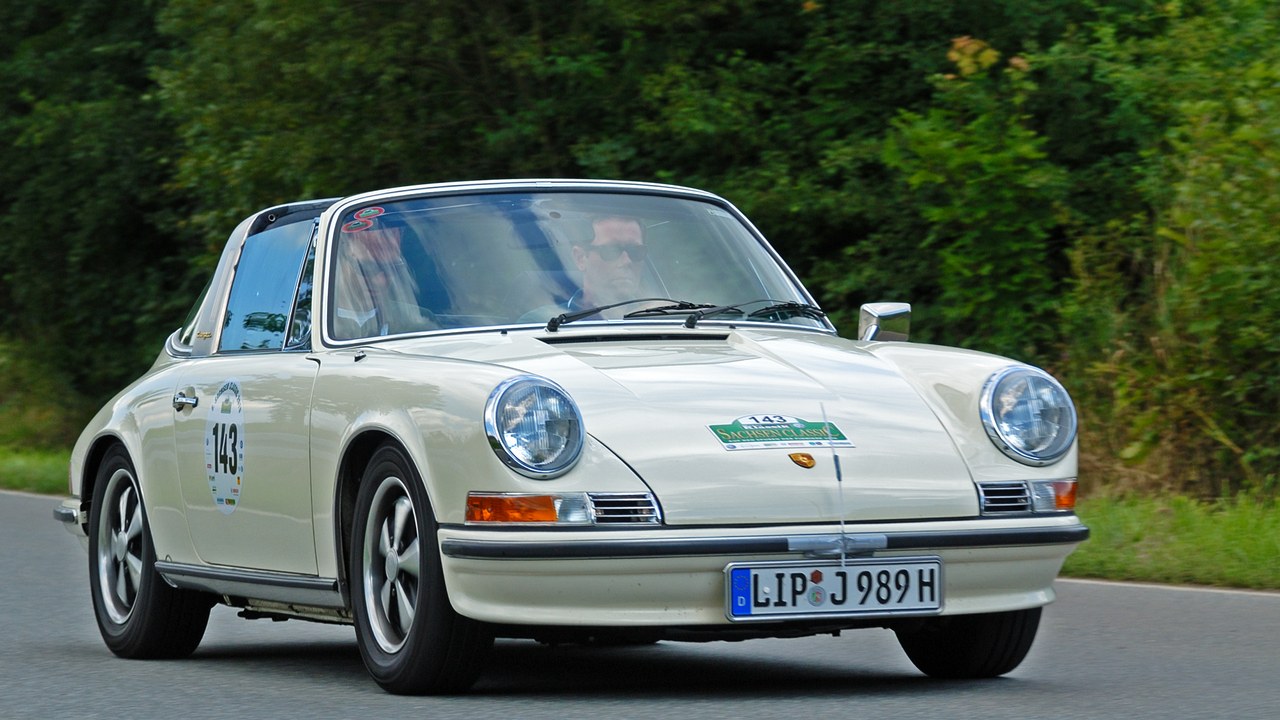
For many collectors, the air-cooled era peaked with the rear-engine sports car that came to define Porsche itself. The classic Porsche 911 paired a howling flat-six with balletic handling, and its instantly recognizable silhouette barely changed across decades of patient, continuous refinement.
Values for tidy early cars have climbed sharply in recent years as buyers seek the mechanical purity of the pre-water-cooled generations. The combination of deep motorsport pedigree, timeless styling, and that unmistakable air-cooled bark keeps the classic 911 near the very top of nearly every serious collector wish list.
3. Volkswagen Type 2: The Counterculture Bus
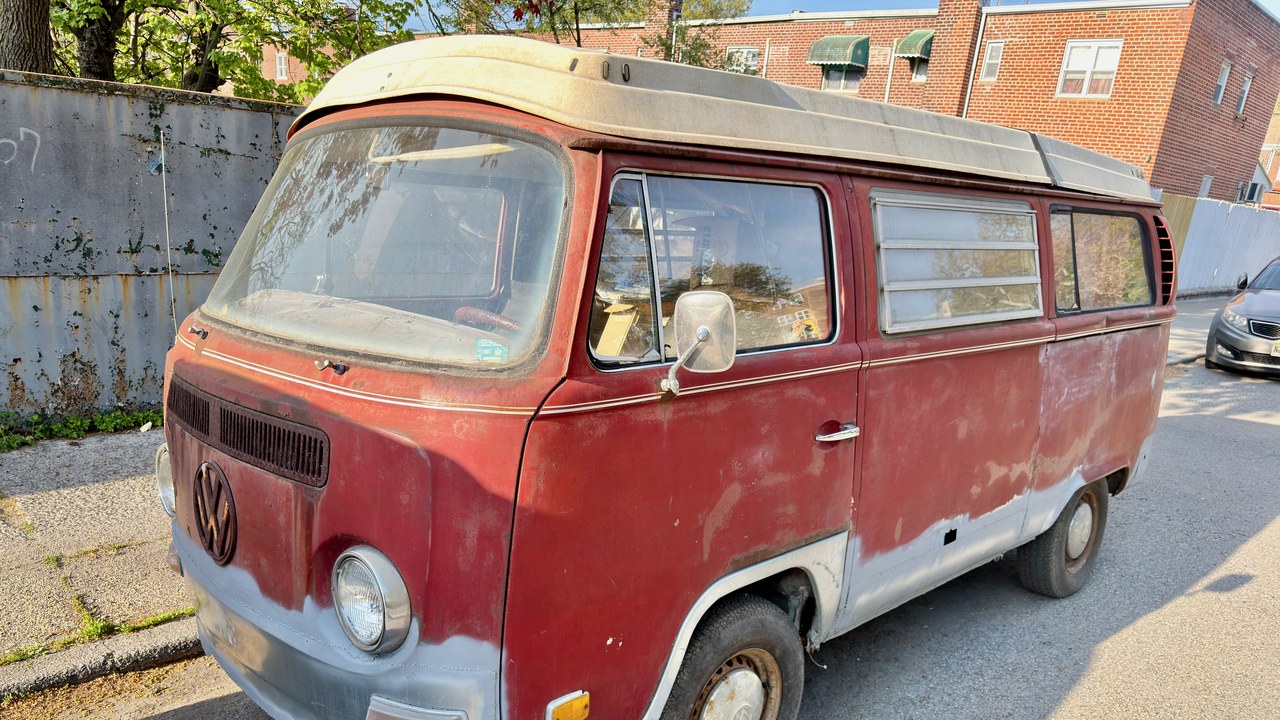
Built on the same rear-mounted air-cooled mechanicals as the Beetle, the boxy van widely known as the Microbus became a rolling symbol of the 1960s. The Volkswagen Type 2 cheerfully hauled families, surfboards, and an entire counterculture back and forth across the country.
Clean split-window and bay-window examples now command prices that once seemed unthinkable for a humble working van. Camper conversions and patient, expensive restorations have turned the Type 2 into a nostalgic centerpiece, coveted as much for the freewheeling mood it evokes as for its genuinely modest performance.
4. Porsche 356: Where Porsche Began
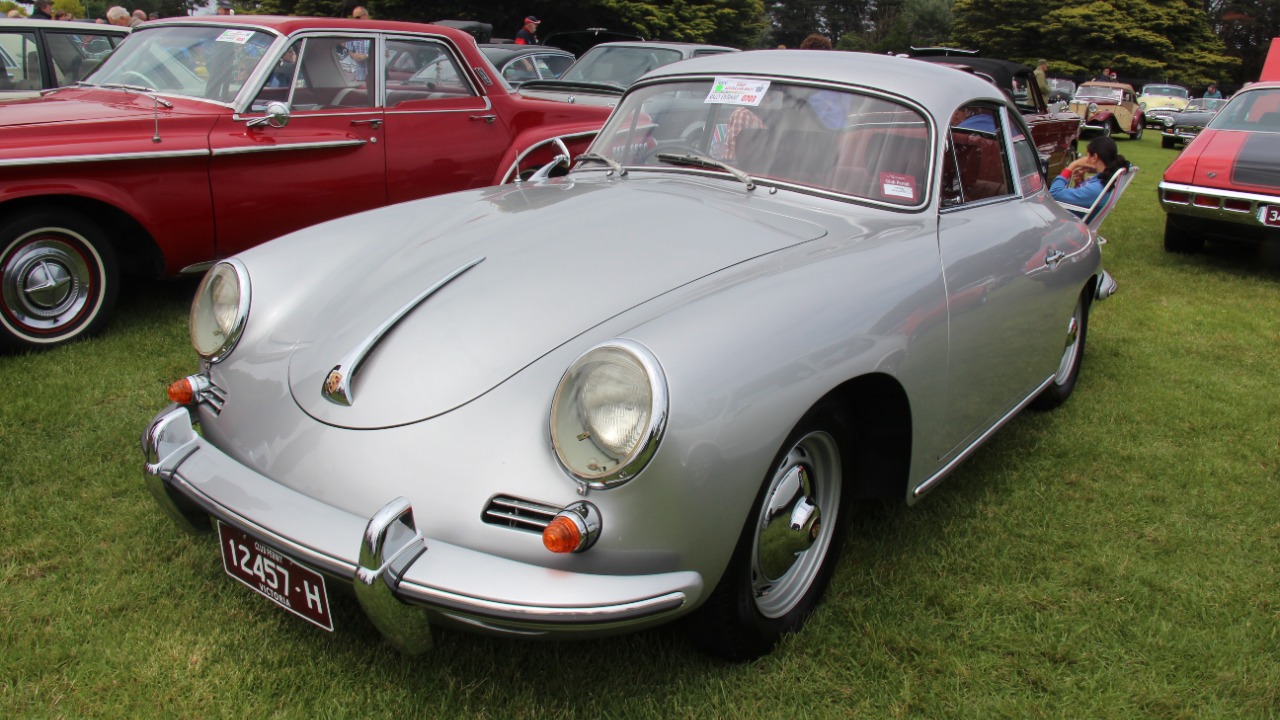
Before the 911 arrived there was the elegant, curvaceous little coupe that first launched the marque. The Porsche 356 borrowed humble Volkswagen underpinnings yet cleverly transformed them into a lightweight, nimble sports car with genuine finesse and surprising pace.
Its hand-formed bodies and delicate, wind-tunnel proportions have made surviving cars blue-chip collectibles today. Speedster variants in particular fetch eye-watering sums at auction, and enthusiasts treasure the 356 as the foundation stone of everything Porsche would eventually go on to become.
5. Chevrolet Corvair: Detroit’s Bold Gamble
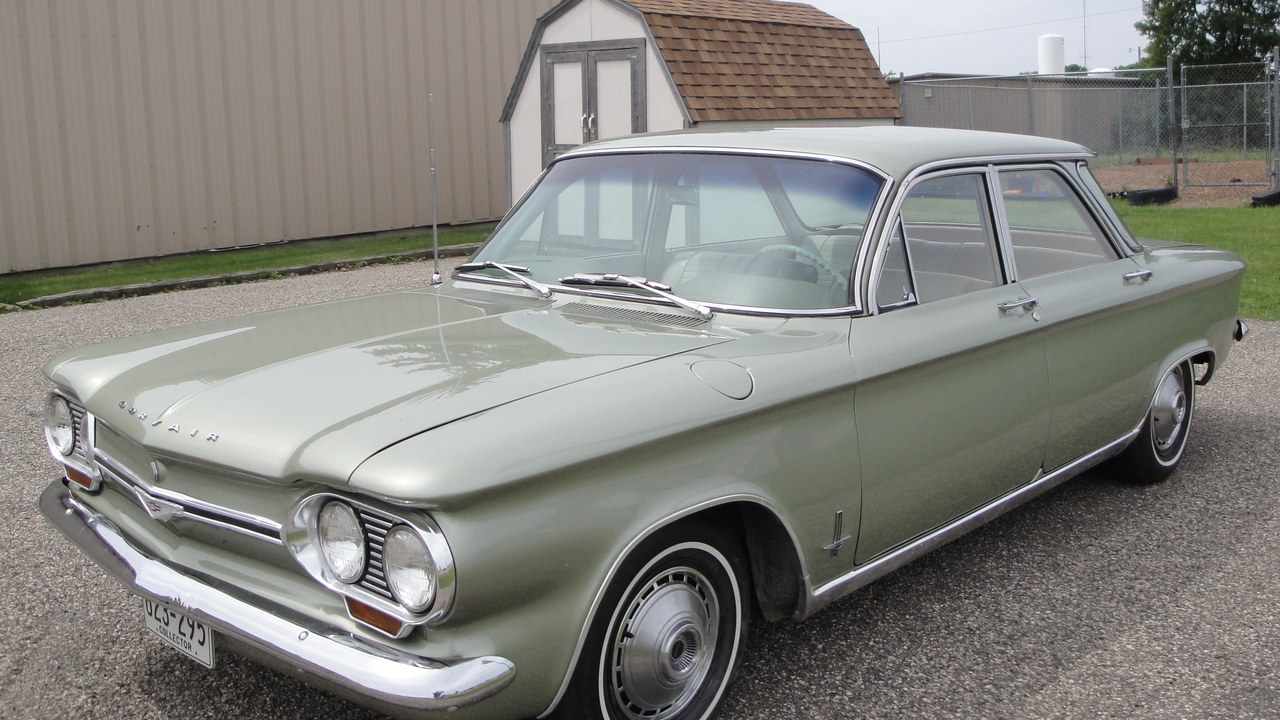
America only rarely embraced rear-engine, air-cooled layouts, which makes this particular Chevrolet a genuinely fascinating outlier. The Chevrolet Corvair packed an air-cooled flat-six behind the rear axle and offered everything from sporty coupes and convertibles to a decidedly quirky pickup.
Once dogged by an era-defining safety controversy, the Corvair has since been reappraised by a devoted following that openly celebrates its unconventional engineering. Affordable prices and a strong, active club network make it one of the more approachable air-cooled classics still on the collector hunt list.
6. Fiat 500: Italy On Two Cylinders
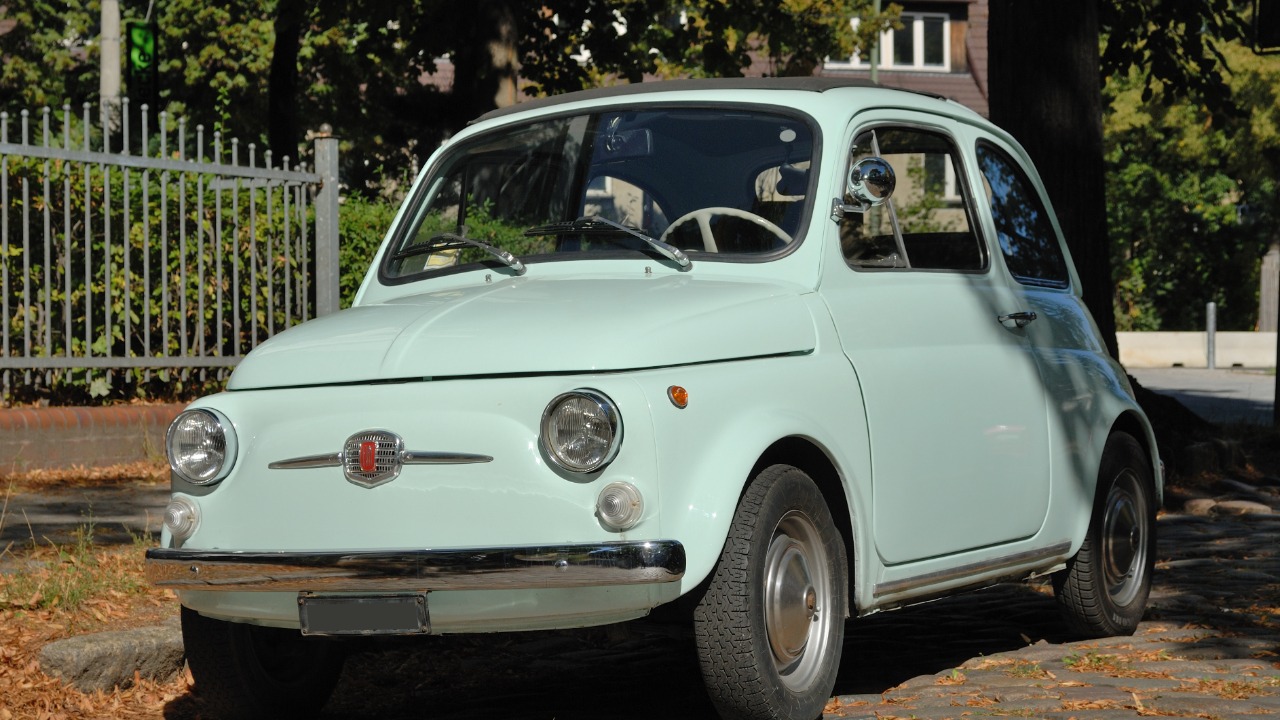
Tiny, cheerful, and almost impossibly charming, this little Italian runabout motorized an entire nation on a shoestring budget. The original Fiat 500 used a rear-mounted air-cooled two-cylinder engine, happily sipping fuel while squeezing through the narrowest medieval city lanes.
Its diminutive footprint and cartoonishly expressive face have turned the little 500 into a beloved and widely imitated design icon. Beautifully restored examples now appear at concours events and command famously loyal buyers, proof that sheer charisma can easily outweigh outright horsepower in the collector market.
7. Tatra 603: The Streamlined Czech
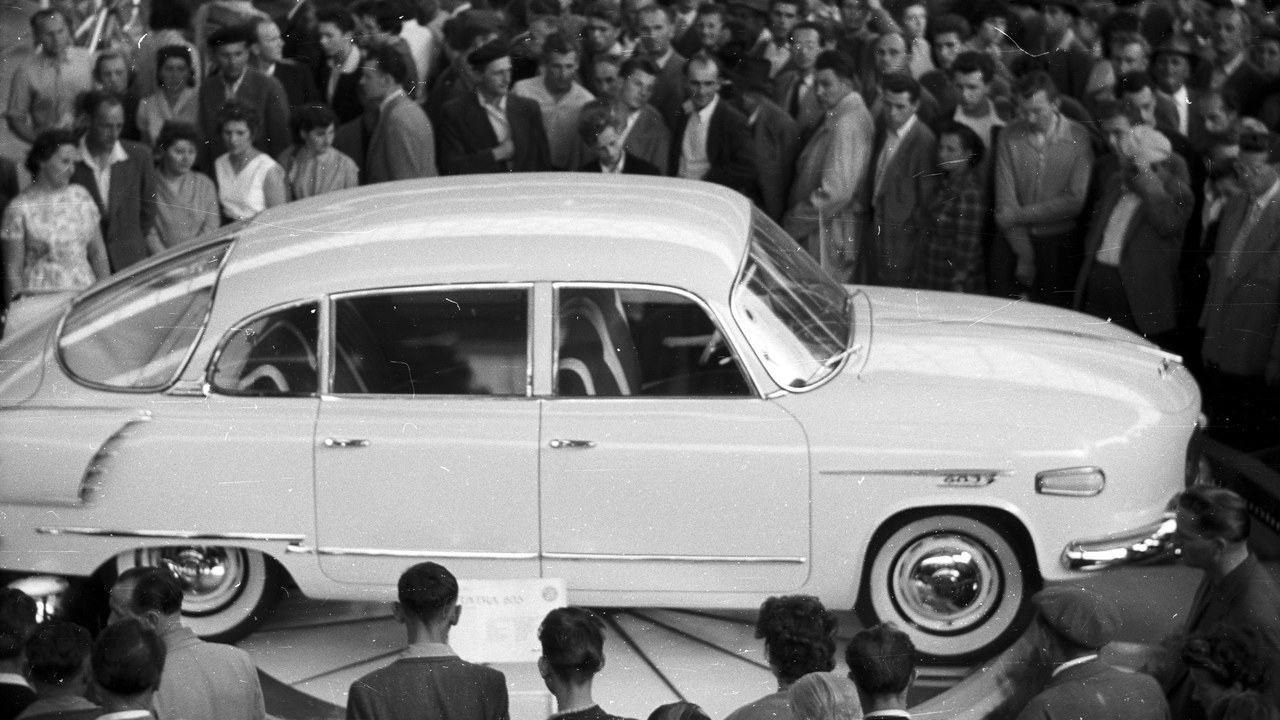
Deep behind the Iron Curtain, one Czech manufacturer pursued advanced aerodynamics with unusual and single-minded conviction. The Tatra 603 hid an air-cooled V8 in its tail and wrapped it in a slippery, distinctive teardrop body that looked like nothing else on the road.
Reserved largely for party officials and dignitaries, these cars were built in genuinely modest numbers, which gives surviving examples real rarity today. Collectors drawn to unconventional engineering actively seek the 603 for its otherworldly styling and its place in a fascinating chapter of automotive history.
8. Subaru 360: Japan Gets Rolling
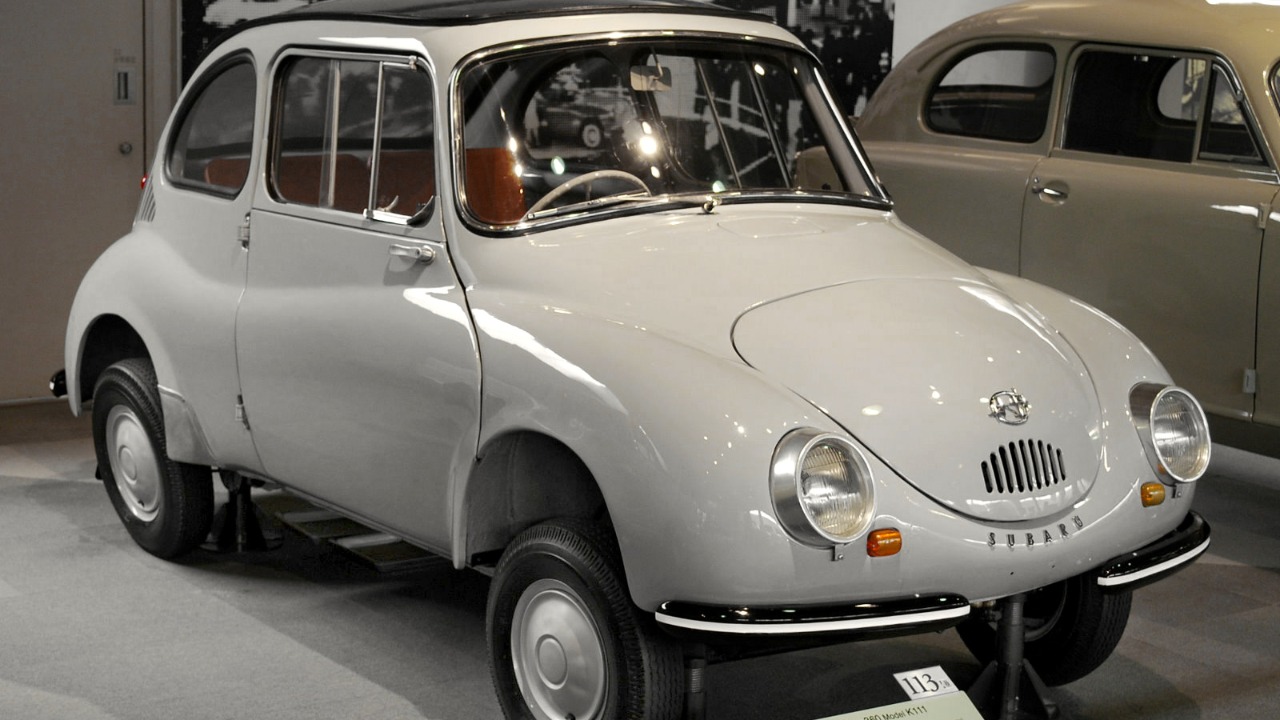
Long before all-wheel drive came to define the brand, a featherweight little microcar first put Subaru firmly on the map. The Subaru 360 used a small rear-mounted air-cooled engine and a tiny footprint to bring genuinely affordable motoring to postwar Japan.
Fondly nicknamed for its rounded ladybug shape, the 360 remains a charming rarity outside of its home market. Enthusiasts who appreciate early kei-car history patiently hunt down clean examples, valuing the little Subaru as a quirky, historic milestone rather than any kind of serious performer.
9. Volkswagen Karmann Ghia: Beauty On A Beetle
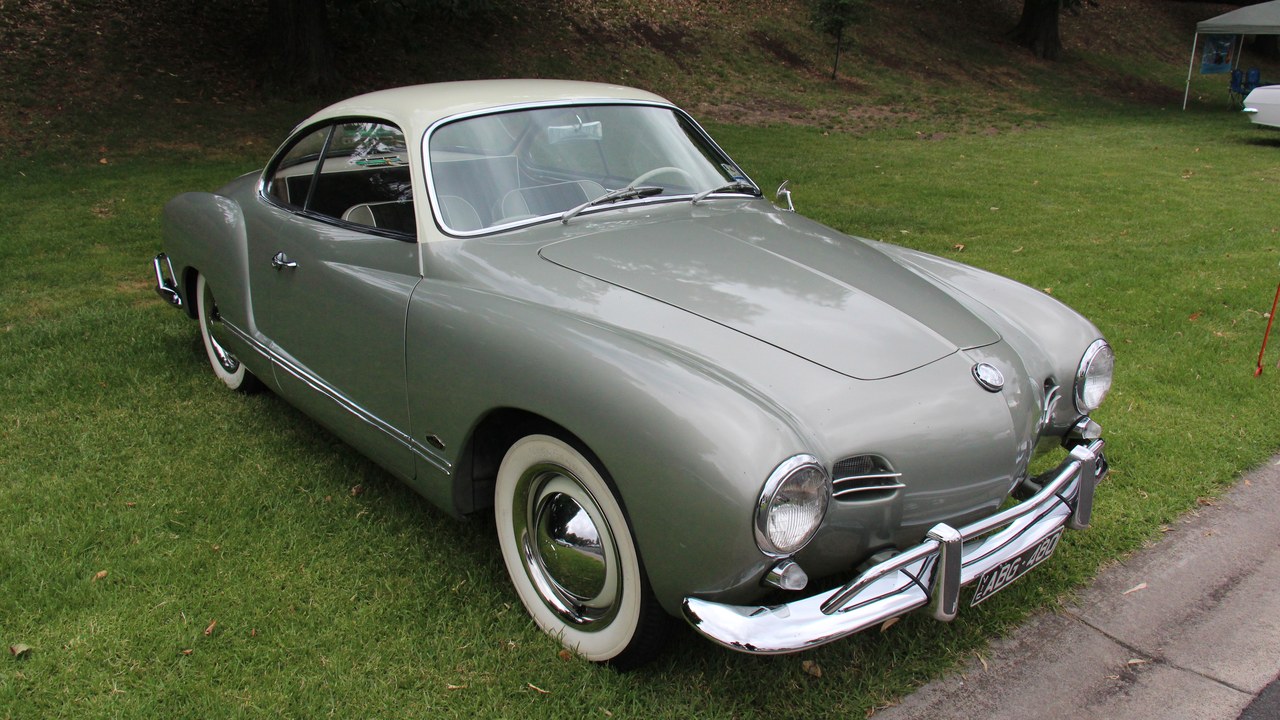
Take the Beetle’s humble mechanicals, drape them in flowing Italian styling, and the surprising result is pure understated elegance. The Volkswagen Karmann Ghia paired a gracefully hand-built body with the very same reliable air-cooled flat-four found beneath millions of ordinary Beetles.
Buyers happily loved its sports-car looks even though the actual performance stayed thoroughly modest, and that honesty is part of its enduring appeal. Well-preserved coupes and convertibles remain genuinely sought after, offering vintage style and reliability without the fragility or expense of a true exotic.
10. Volkswagen Type 3: The Pancake VW
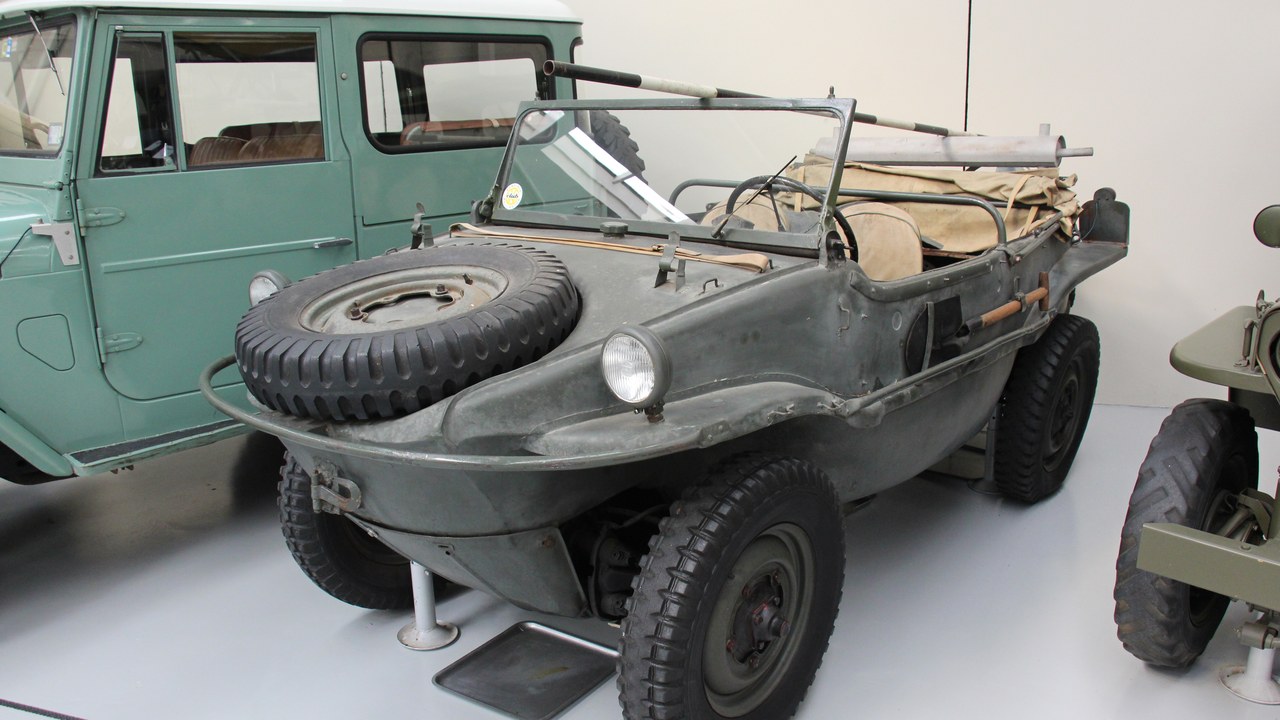
Volkswagen carefully stretched its proven air-cooled formula upmarket with a roomier, more modern-looking family car. The Volkswagen Type 3 used a clever low-profile flat-four nicknamed the pancake engine, freeing up genuine luggage space at both the front and rear ends of the body.
Offered as a trim notchback, a rakish fastback, and a practical squareback wagon, the Type 3 meaningfully broadened the brand beyond the Beetle. Enthusiasts favor it today for that added everyday practicality and its later fuel-injected versions, making tidy survivors a rewarding and slightly overlooked catch.
More from Morning Overview
