
In a bold proclamation, Mark Zuckerberg has declared that the era of smartphones is nearing its end, with smart glasses and augmented reality poised to take their place. This revelation marks a significant shift in how we perceive and interact with technology, hinting at a future where mobile phones may become relics of the past.
The Vision of a Post-Phone World

Mark Zuckerberg’s announcement about the impending obsolescence of smartphones has sparked considerable interest and debate. His vision centers on the rise of augmented reality (AR) and smart glasses, which he believes will take over as the principal means of communication and interaction with digital content. This transition aligns with Meta’s broader goals of creating a more immersive and interconnected digital ecosystem, often referred to as the metaverse.
Augmented reality and smart glasses are set to become the successors to smartphones, offering a seamless blend of digital and physical worlds. By overlaying digital information onto the real world, these technologies promise to enhance our daily interactions, making information more accessible and experiences more engaging. Zuckerberg’s vision is not just about technology for technology’s sake; it’s about creating a more fluid and natural interaction with our digital lives.
The Rise of Smart Glasses
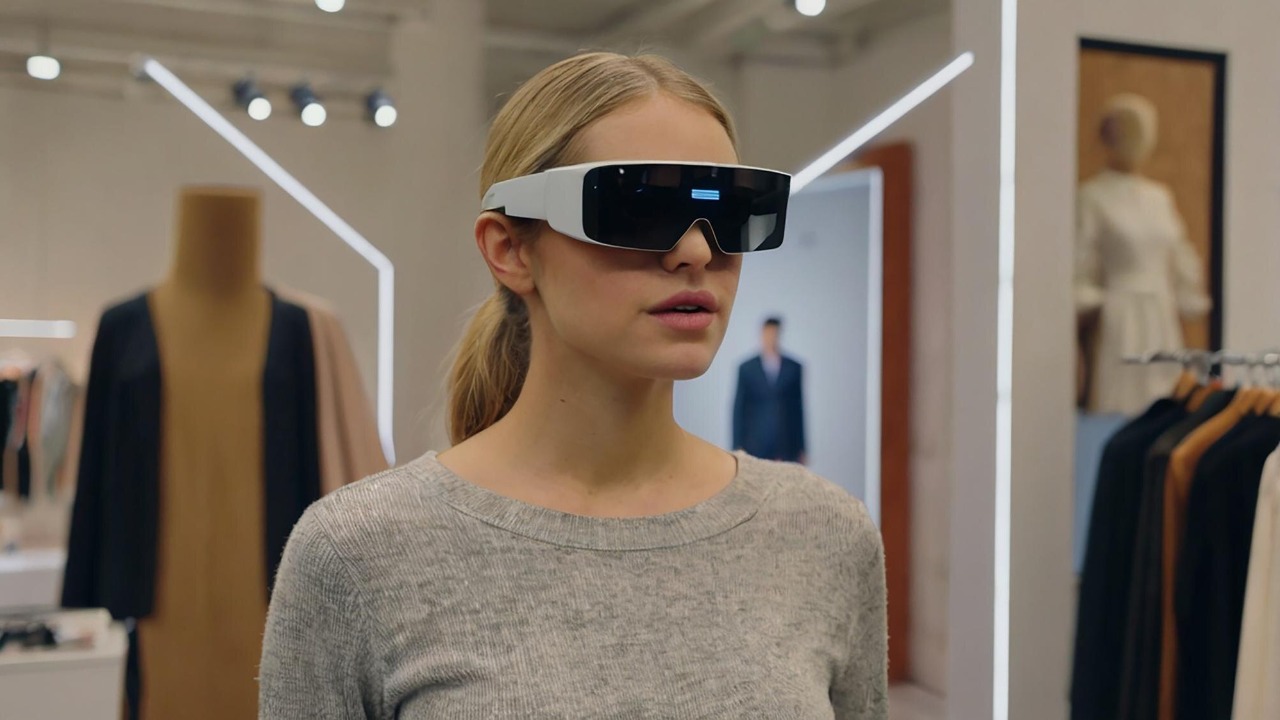
Technological advancements have made the concept of smart glasses not only feasible but also intriguing. Improvements in AR technology, battery life, and miniaturization of components are key factors driving this progress. Smart glasses are being designed to offer a hands-free experience, with features such as voice control, gesture recognition, and integrated AI, setting them apart from current mobile devices.
Despite the promising features, the adoption of smart glasses as mainstream technology faces several challenges. These include the need for significant improvements in display technology, battery efficiency, and user interface design. Moreover, ensuring a comfortable and stylish design that users are willing to wear daily is crucial for widespread adoption. However, the opportunities are immense, as smart glasses have the potential to revolutionize various sectors, from healthcare to retail.
Implications for Consumers
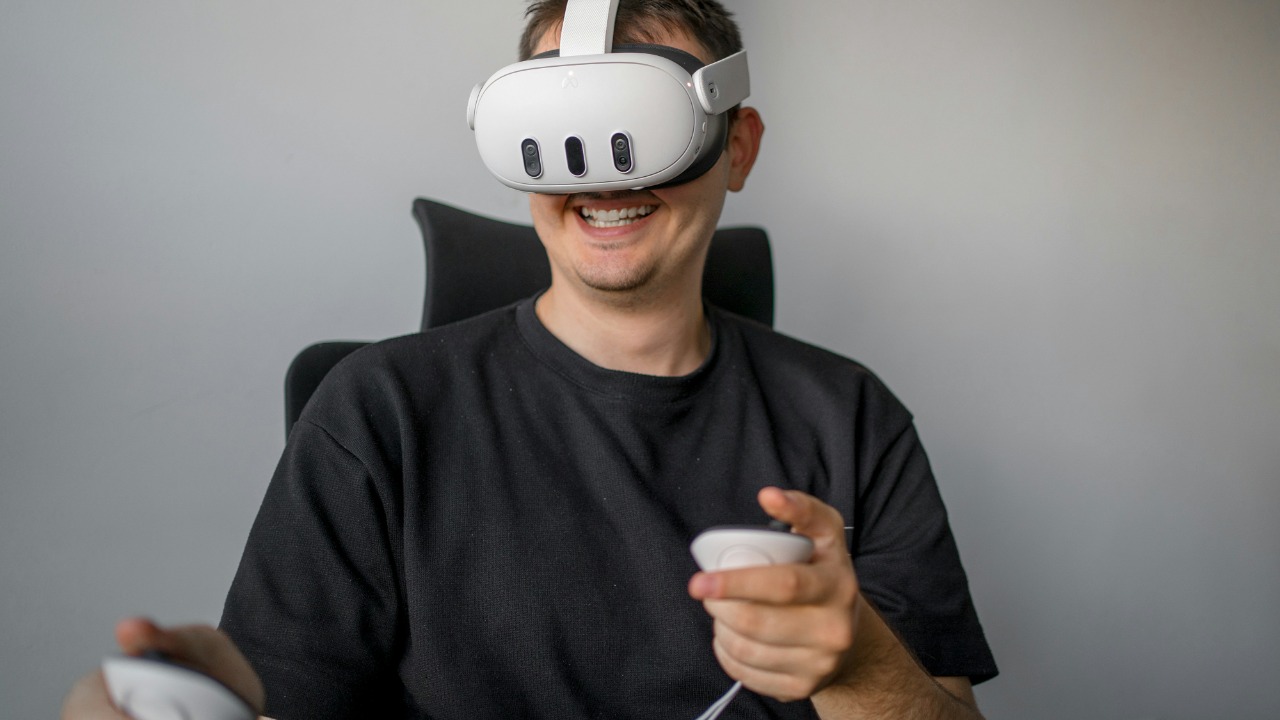
The transition from smartphones to smart glasses could have profound effects on daily life and social interactions. With information readily available in one’s field of view, tasks could become more efficient, and communication more immediate. This shift could also redefine social norms and etiquette, as the presence of wearable technology might change perceptions of privacy and attention in social settings.
For consumers, the benefits of embracing smart glasses include enhanced convenience and new forms of interaction with the digital world. However, there are potential drawbacks, such as concerns over privacy and security. The ability of smart glasses to record and analyze one’s surroundings raises significant privacy issues, necessitating robust security measures and clear guidelines to protect user data.
Impact on the Tech Industry

As the tech industry prepares for this paradigm shift, major companies, including Meta, are investing heavily in AR and smart glasses technology. This is not only a move to stay competitive but also to lead the charge in defining the next generation of personal technology. The competitive landscape is heating up, with other tech giants developing their own AR solutions, aiming to capture a share of this emerging market.
The potential economic implications for the smartphone manufacturing sector are significant. As consumer preferences shift, companies may need to pivot their strategies, invest in new technologies, and retool manufacturing processes. This evolution presents both risks and opportunities, as firms that adapt swiftly could gain a competitive advantage in the burgeoning AR market.
Sociocultural Shifts
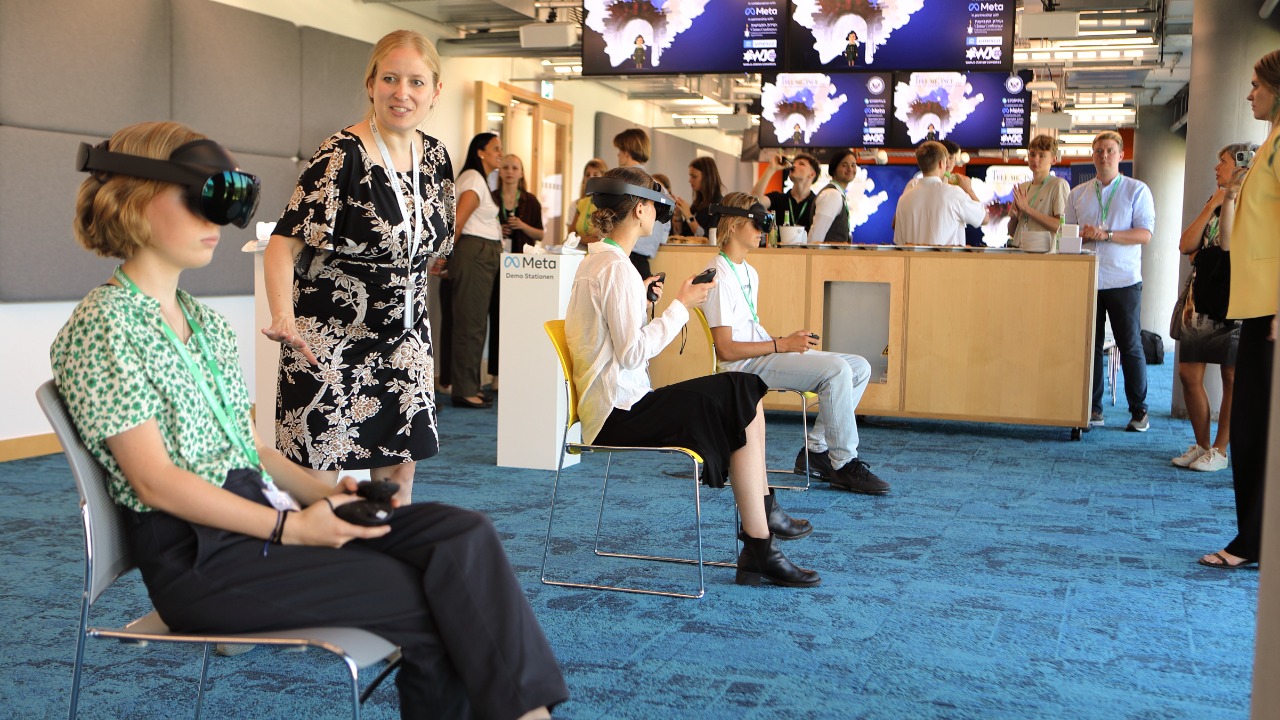
The advent of smart glasses is likely to impact communication habits and digital etiquette. As AR becomes more integrated into daily life, the way individuals interact with each other and their environment could change dramatically. This technology has the potential to reshape sectors such as entertainment, education, and work, offering new possibilities for immersive learning and collaboration.
However, sociocultural resistance and acceptance will play a crucial role in the adoption of smart glasses. As with any transformative technology, there will be those who embrace it enthusiastically and those who are more cautious, concerned about issues such as privacy, security, and the impact on human relationships. Understanding and addressing these concerns will be key to facilitating a smooth transition to a post-phone era.
Future Prospects and Challenges

While predicting the exact timeline for the widespread adoption of smart glasses is challenging, many experts believe it could happen within the next decade. For this technology to succeed, several key challenges must be addressed, including improving AR displays, ensuring long battery life, and creating intuitive user interfaces.
The role of developers, designers, and policymakers will be critical in shaping the future of wearable technology. Developers and designers must focus on creating compelling applications and experiences that leverage the unique capabilities of smart glasses. At the same time, policymakers need to establish regulations that safeguard user privacy and security while fostering innovation.
