The rise of smart home technology has introduced a new era of convenience and security for homeowners. However, with the prevalence of smart doorbells comes growing concern over privacy, particularly the possibility that these devices may share footage with law enforcement without user consent. This article delves into the implications of smart doorbell surveillance and what it means for homeowner privacy rights.
Understanding Smart Doorbell Technology
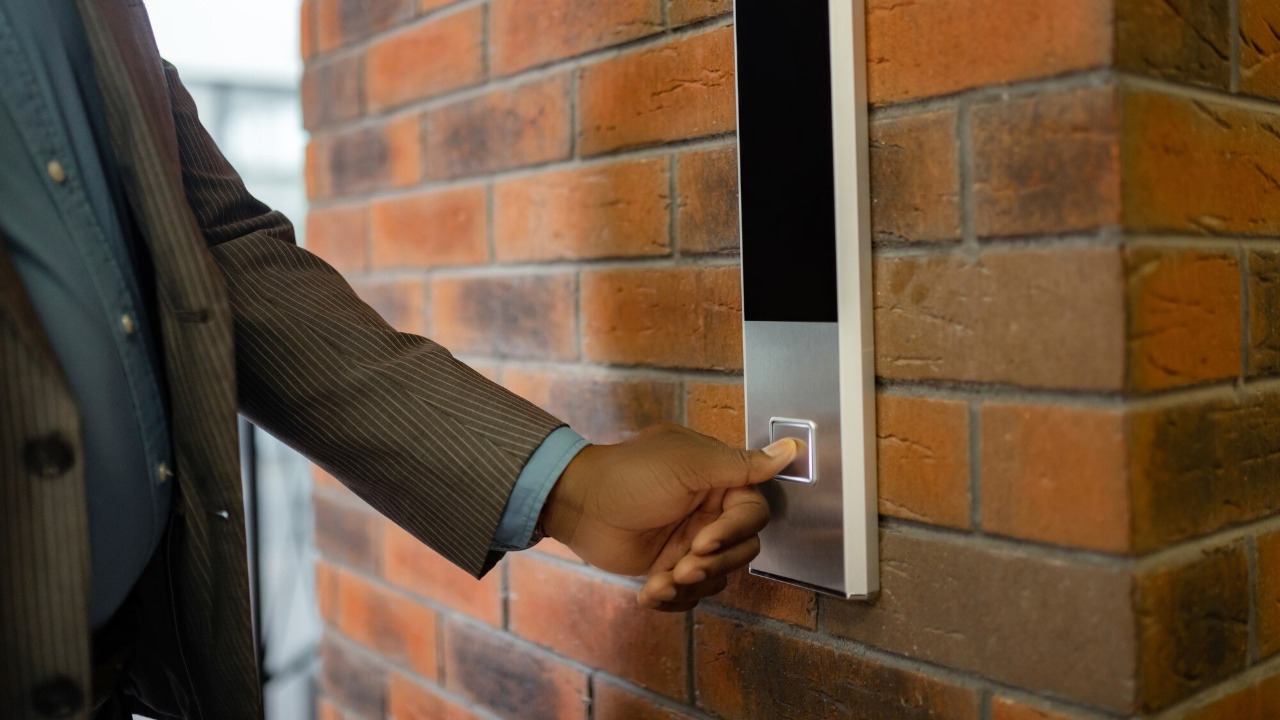
Smart doorbells have become a staple in modern home security systems, offering a combination of convenience and peace of mind. These devices typically come equipped with motion detection sensors, high-definition video recording capabilities, and connectivity features that allow homeowners to monitor their front doors remotely via smartphone apps. When someone approaches the door, the motion sensor triggers the camera to start recording, and the homeowner receives a notification, allowing them to view and communicate with visitors in real-time.
Despite their benefits, smart doorbells raise significant privacy concerns regarding data storage and user control. Footage is often stored in the cloud, and while some brands offer local storage options, not all users are aware of the extent of data collection. Control over who can access this footage remains a key issue, as users may not always have the final say. Popular brands like Ring and Nest have their own privacy policies, which vary in how they handle data sharing with third parties. For instance, Ring has faced scrutiny over its practices of sharing footage with law enforcement, often without user consent, sparking debates over privacy rights.
Legal Context and Privacy Rights

The legal landscape surrounding smart doorbell usage is complex, balancing technological advancements with homeowner privacy rights. Current laws governing surveillance and privacy rights can be murky, as they vary by jurisdiction. Generally, homeowners are allowed to record their property, but the legality of capturing footage of public areas or neighboring properties is less clear-cut. It’s essential for users to understand that while they own the device, there may be limitations on how they can use the footage it captures.
Homeowners must be aware of their rights and responsibilities when using smart doorbells. Recording incidents on one’s property is generally permissible, but sharing or using footage without consent can lead to legal complications. Recent legal cases have highlighted these issues, setting precedents in terms of law enforcement access to smart doorbell footage. For example, some courts have ruled that law enforcement must obtain a warrant to access private recordings, reinforcing the importance of user consent in the legal process. Understanding the legality of recording and sharing footage can help homeowners navigate potential legal challenges.
Law Enforcement and Smart Doorbell Footage

When it comes to accessing smart doorbell footage, law enforcement agencies typically need to follow specific protocols. Police may request access to footage for investigative purposes, but the process often involves legal requirements, such as obtaining a warrant or subpoena. However, there have been instances where footage has been shared without a warrant, raising questions about user consent and privacy rights.
User consent plays a crucial role in determining whether footage can be shared with police. Many smart doorbell companies have policies in place that require user notification when their footage is requested. However, there have been notable exceptions, such as Ring’s previous policy that allowed police to request footage directly from users without their explicit consent. This practice has since been revised, with Ring deciding to stop allowing police to request footage directly, reflecting a shift towards greater user control and transparency.
Privacy Concerns and Public Reaction

Public opinion on smart doorbell surveillance is divided, with recent surveys indicating a growing concern over privacy issues. While some homeowners appreciate the added security these devices provide, others are wary of the potential for unauthorized access to their footage. This apprehension is compounded by incidents where footage has been compromised, leading to privacy breaches that have garnered significant media attention.
Privacy advocates are actively working to address these concerns, pushing for stronger protections and regulations to limit law enforcement access to smart doorbell footage. They argue that without adequate safeguards, there is a risk of eroding civil liberties and privacy rights. Case studies of privacy breaches, such as unauthorized access by hackers or unconsented sharing with third parties, underscore the need for better security measures and user education. These incidents highlight the importance of informed consumer choices and the role of advocacy in shaping privacy policies.
Protecting Your Privacy
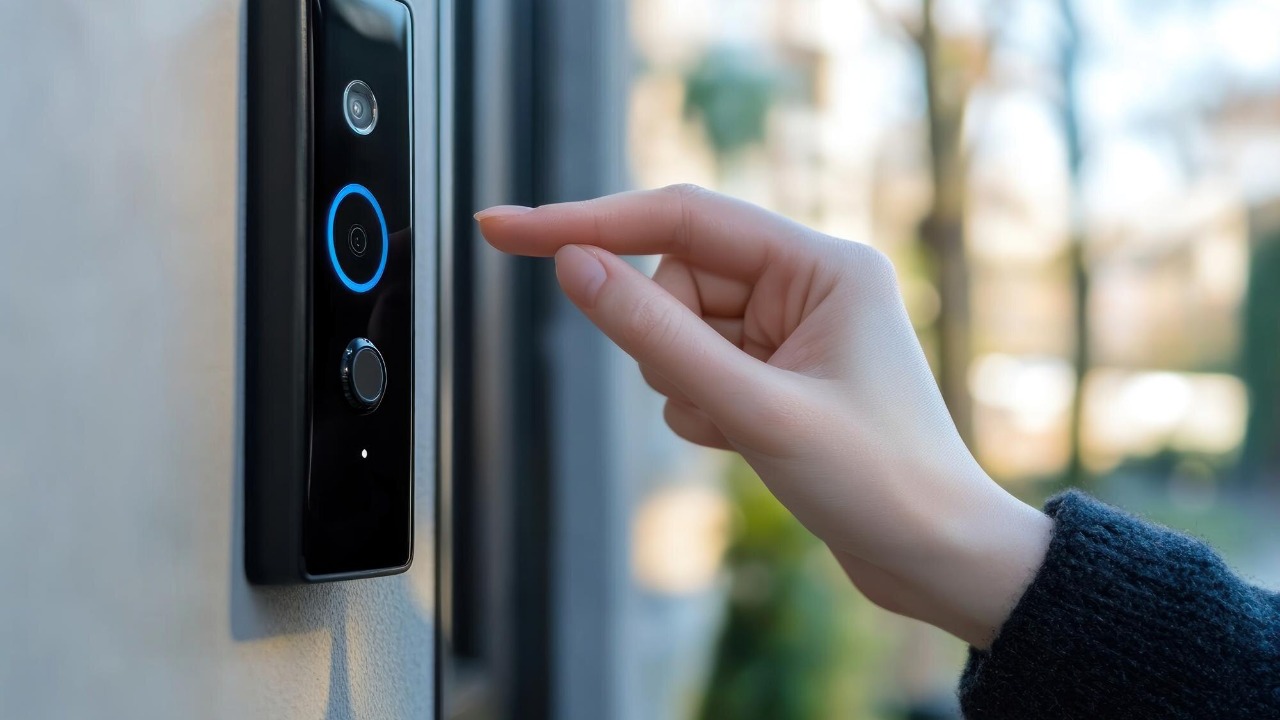
For homeowners looking to protect their privacy, there are several steps they can take to safeguard their smart doorbell footage. Regularly updating privacy settings and reviewing company policies is crucial to ensuring that personal data is not being shared without consent. Additionally, enabling two-factor authentication and using strong, unique passwords can help prevent unauthorized access to accounts.
Evaluating alternative security solutions is also a viable option for those concerned about privacy. Homeowners might consider traditional security systems or devices that offer local storage options, reducing reliance on cloud services. Staying informed about legal developments and privacy rights related to smart doorbell technology can empower users to make educated decisions about their home security.
Ultimately, being proactive and vigilant in monitoring the use of smart doorbell systems can help homeowners maintain control over their data and privacy. By understanding the potential risks and taking appropriate measures, users can enjoy the benefits of smart technology without compromising their privacy. For more detailed guidance on handling police requests for footage, you can visit Consumer Reports.
