
In today’s digital age, electronic waste is a growing concern, with old computers and printers often ending up in landfills. Fortunately, many options are available for recycling these items at no cost. This article explores various places where you can responsibly recycle your outdated electronics for free.
Why Recycling Electronics is Important

Electronic waste, or e-waste, poses significant environmental challenges. When old computers and printers are discarded improperly, they can release harmful substances such as lead, mercury, and cadmium into the environment. These toxic materials can contaminate soil and water, posing health risks to humans and wildlife. Recycling electronics helps mitigate these issues by safely extracting and reusing valuable materials, thereby conserving natural resources and reducing pollution.
In addition to environmental concerns, there are legal and ethical considerations when disposing of e-waste. Many regions have enacted regulations mandating proper e-waste disposal to prevent the harmful effects associated with landfilling. Ethically, we have a responsibility to minimize our electronic waste footprint, ensuring that obsolete devices are recycled or repurposed rather than contributing to environmental degradation.
Free Recycling Programs by Manufacturers
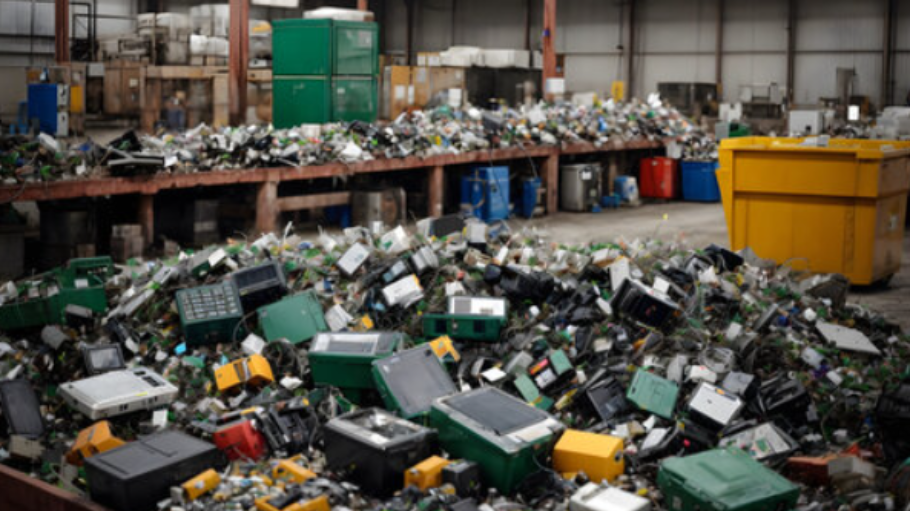
Several major manufacturers offer free recycling programs to help consumers dispose of their old electronics responsibly. Companies like Dell, HP, and Apple have established initiatives that allow customers to return outdated products for recycling. These programs often provide prepaid shipping labels, making it convenient for consumers to participate in sustainable practices without incurring additional costs.
Beyond recycling, some manufacturers offer trade-in opportunities, providing incentives or discounts for returning old equipment when purchasing new products. This not only encourages recycling but also makes upgrading to newer technology more affordable. For instance, trading in an old laptop for a discount on a new one can be an attractive option for those looking to upgrade while being environmentally conscious.
Retailer Take-Back Services
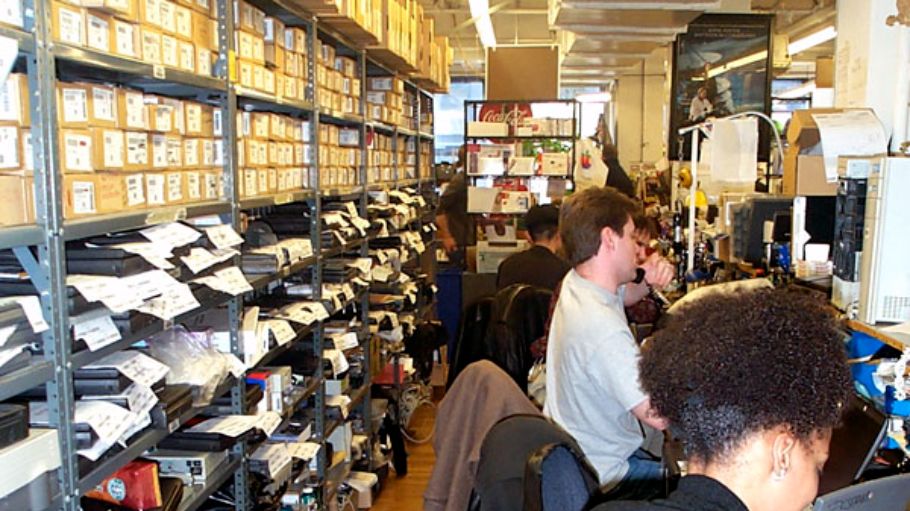
Many big-box retailers, such as Best Buy and Staples, have implemented take-back services to facilitate e-waste recycling. These retailers often accept a wide range of electronics, including computers and printers, at no charge. However, it’s essential to be aware of specific conditions or limitations, such as the maximum number of items accepted per visit or restrictions on certain types of devices.
Don’t overlook the potential of smaller, local electronic stores, which may host community recycling days or partner with recycling organizations. These local initiatives can provide convenient drop-off locations for residents, making it easier to dispose of old electronics responsibly. Checking with nearby stores for upcoming events can be a proactive way to engage with community-based recycling efforts.
Community and Non-Profit Recycling Options
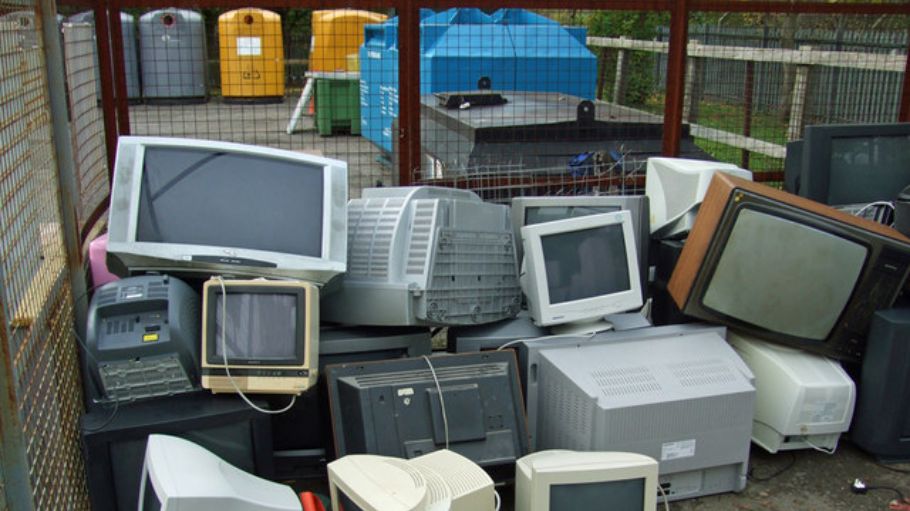
Local governments often organize municipal recycling programs, offering residents opportunities to dispose of e-waste safely. These programs may include scheduled e-waste collection events, typically held several times a year. Participating in these events not only helps keep electronic waste out of landfills but also supports community-driven sustainability initiatives.
Non-profit organizations, such as Goodwill and the National Cristina Foundation, also play a vital role in e-waste recycling. These charities accept usable electronics, which are then refurbished and distributed for educational or charitable purposes. By donating old computers and printers, individuals contribute to a circular economy, extending the life of electronic devices and supporting those in need.
Online Resources and Directories

Several online resources provide directories to help individuals locate nearby e-waste recycling centers. Websites like Earth911 offer searchable databases that list local recycling options, making it easy to find free services in your area. Utilizing these resources can streamline the process of finding convenient recycling locations, ensuring that old electronics are disposed of responsibly.
Social media platforms and community boards can also be valuable tools for discovering e-waste recycling events. Many communities have groups or pages dedicated to sustainability initiatives, where members share information about upcoming recycling opportunities. Engaging with these online communities not only keeps you informed but also fosters a sense of participation in local environmental efforts.
