Recent scientific breakthroughs have unveiled the potential of certain worm species in tackling the global plastic pollution problem. These “hungry worms”, including moth larvae and superworms, have demonstrated the ability to consume plastic, potentially offering a natural solution to our environmental crisis.
Understanding the Plastic Pollution Problem
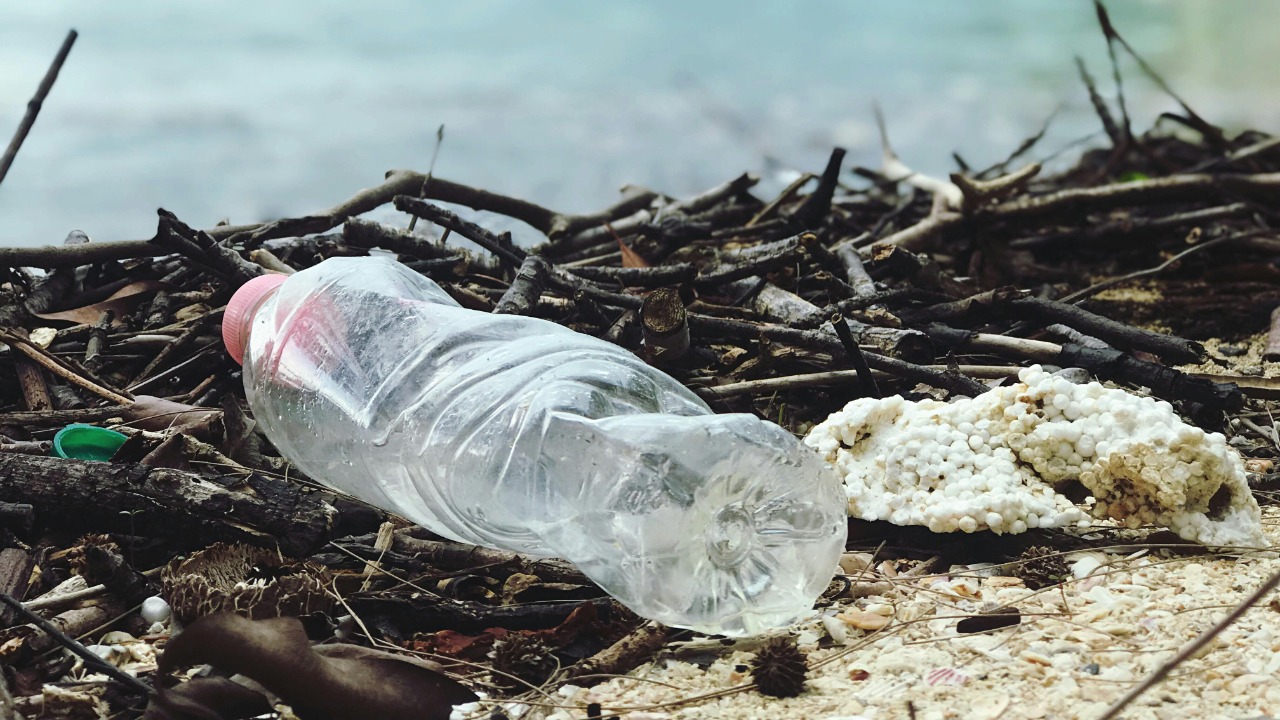
Plastic pollution has become a global crisis, with its environmental impact reaching alarming levels. The ubiquity of plastic waste, from the deepest oceans to the highest mountains, is a stark reminder of our reliance on this material and the urgent need for sustainable solutions. The environmental impact of plastic pollution is multifaceted, affecting wildlife, ecosystems, and potentially human health.
Given the scale of the problem, there is an urgent need for innovative and sustainable solutions for managing plastic waste. Traditional methods such as recycling and landfilling have proven insufficient, and the search for alternative solutions has become a priority. In this context, the discovery of plastic-eating worms offers a glimmer of hope.
According to a report by Wired, around 8.3 billion metric tons of plastic have been produced since the 1950s, and only 9% of this has been recycled. The rest has ended up in landfills or the natural environment, contributing to the plastic pollution problem. This staggering amount of plastic waste is not only a visual blight but also poses serious threats to biodiversity and ecosystems. Plastic debris in the ocean, for example, can entangle or be ingested by marine animals, leading to injury or death.
Furthermore, plastic pollution is not just a problem for wildlife. Microplastics, tiny particles of plastic less than 5mm in size, have been found in our food, drinking water, and even the air we breathe. The health implications of microplastic ingestion are not yet fully understood, but there is growing concern about potential effects on human health. The plastic pollution problem is therefore not only an environmental issue but also a potential public health crisis.
Discovery of Plastic-Eating Worms

The potential of moth larvae to consume plastic was first observed when researchers noticed that the larvae, which naturally feed on beeswax, were also capable of eating plastic. This discovery, reported by Wired, opened up new possibilities for biologically-based solutions to plastic pollution.
Another promising discovery is the ability of superworms to consume plastic. As reported by NPR, these worms, typically used as feed for reptiles, have shown a surprising ability to digest plastic. The implications of this discovery could be significant, potentially offering a new way to manage plastic waste.
Adding to the list of plastic-eating organisms, a species of caterpillar has also been found to consume plastic. According to Discover Magazine, this discovery further underscores the potential of using biological organisms to address the plastic crisis.
The Science Behind Worms Eating Plastic
The ability of these worms to digest plastic is believed to be linked to specific enzymes found in their saliva. As reported by The Cooldown, these enzymes, particularly those found in wax worm saliva, can break down the chemical bonds in plastic, effectively “eating” the material.
The development of this ability in worms raises intriguing questions about their evolution. It’s possible that the plastic-eating trait evolved as a response to the proliferation of plastic in the environment, although this remains a topic of ongoing research. Understanding the mechanisms behind this ability could provide valuable insights into how we can harness it to combat plastic pollution.
Research has shown that the plastic-eating ability of worms is due to the presence of certain bacteria in their gut or saliva. For example, the wax moth larvae, as reported by Wired, contain gut bacteria that produce enzymes capable of breaking down polyethylene, a common type of plastic. Similarly, superworms, according to NPR, have gut microbes that can degrade polystyrene, another widely used plastic.
These findings have sparked interest in the potential use of these enzymes in biotechnological applications. Scientists are now investigating whether these enzymes can be isolated and used on an industrial scale to break down plastic waste. However, this is a complex task, as the enzymes need to be effective under a wide range of conditions and able to degrade different types of plastic. Despite these challenges, the discovery of plastic-eating worms and the enzymes they produce represents a promising avenue of research in the fight against plastic pollution.
Potential and Challenges of Using Worms to Fight Plastic Pollution
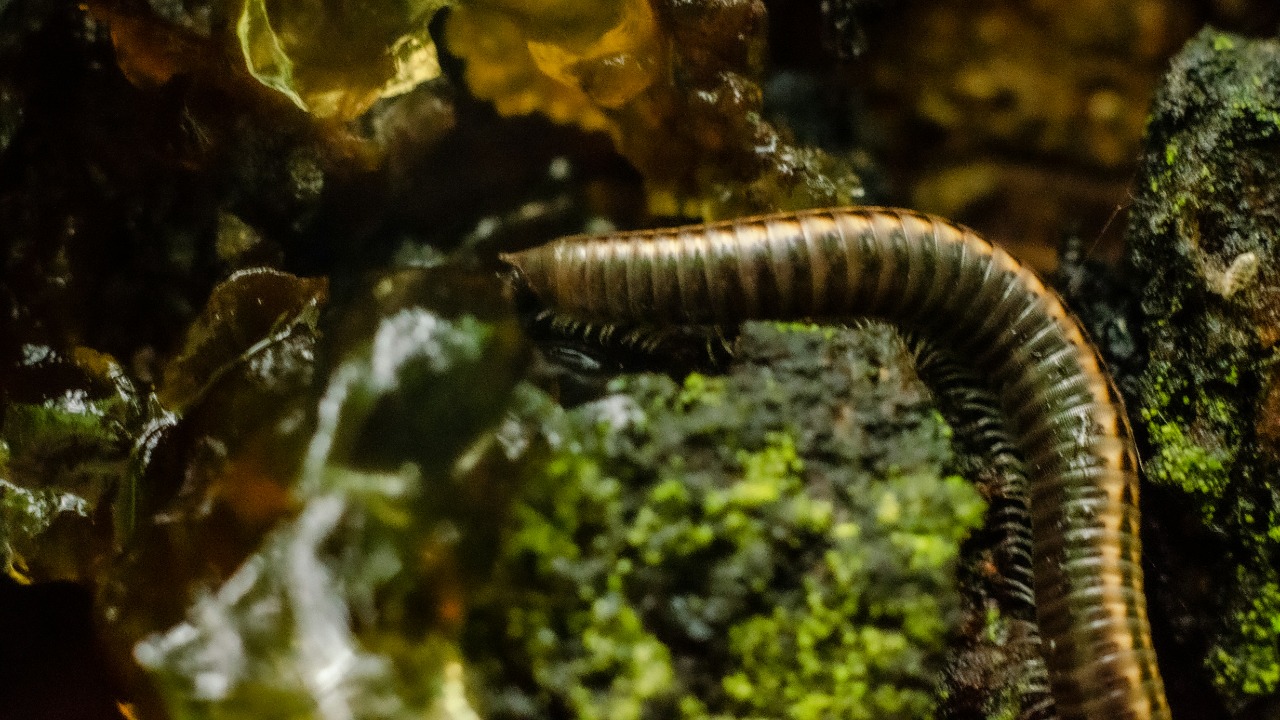
The potential benefits of using these worms to tackle plastic pollution are considerable. If scalable, this solution could offer a cost-effective and environmentally friendly way to manage plastic waste. However, it’s important to note that this is not a silver bullet solution. The sheer volume of plastic waste produced globally means that we cannot rely on worms alone to solve the problem.
There are also challenges and limitations to consider. As highlighted by CBC, there are ethical considerations around using living organisms for waste management. Additionally, further research is needed to fully understand the impact of plastic consumption on these worms and the environment. Practical implementation issues, such as how to collect and dispose of the plastic-eating worms after they’ve consumed the plastic, also need to be addressed.
