In a groundbreaking leap in military technology, China has developed the world’s first 6G-powered electronic warfare weapon capable of jamming the radar systems of advanced aircraft like the F-35 in mere seconds. This technological advancement has significant implications for global military strategy and electronic warfare capabilities.
The Evolution of Electronic Warfare

Electronic warfare has evolved significantly since its inception, tracing its roots back to World War II when jamming techniques were first employed to disrupt enemy communications. Over the decades, this domain has seen remarkable advancements, evolving from basic radio jamming to sophisticated systems capable of disrupting radar and navigating communications. The role of radar and communication jamming in military strategies has become increasingly vital, as nations strive to gain an edge in electronic warfare capabilities.
The transition from 5G to 6G technology marks a new era in warfare. As 5G technology laid the groundwork for faster and more reliable communications, 6G promises to take these capabilities even further. Not only does 6G offer increased speed and connectivity, but it also introduces new challenges and opportunities for military applications. Integrating 6G into military systems could revolutionize how information is transmitted and processed on the battlefield, potentially giving rise to more efficient and resilient electronic warfare strategies.
The Science Behind 6G Technology

Understanding 6G communication systems requires delving into the technical specifications that set it apart from its predecessors. 6G networks are expected to operate at frequencies far beyond those of 5G, utilizing advanced signal processing techniques to achieve unprecedented data rates and low latency. These technical capabilities of 6G networks open up a plethora of possibilities for enhancing electronic warfare systems.
The enhancement of electronic warfare capabilities through 6G technology is particularly noteworthy. The precision and effectiveness of jamming systems can be significantly improved, allowing for more targeted disruption of enemy systems. Beyond jamming, 6G technology holds promise in areas such as surveillance and data interception, potentially reshaping the landscape of military intelligence and operations.
China’s Strategic Advancements

China’s investment in military technology research and development is paying dividends, as evidenced by its recent advancements in electronic warfare systems. The nation has consistently prioritized the development of cutting-edge technologies, seeking to enhance its strategic position on the global stage. The unveiling of a 6G-powered electronic warfare weapon underscores China’s commitment to maintaining a competitive edge in military technology.
The implications of China’s advancements in 6G electronic warfare are profound, potentially reshaping global military dynamics. As China continues to enhance its capabilities, other nations may be compelled to respond with increased investments in defense and technology development. The global military balance could shift as nations adapt to the new challenges and opportunities posed by 6G electronic warfare systems.
Impact on Modern Air Combat

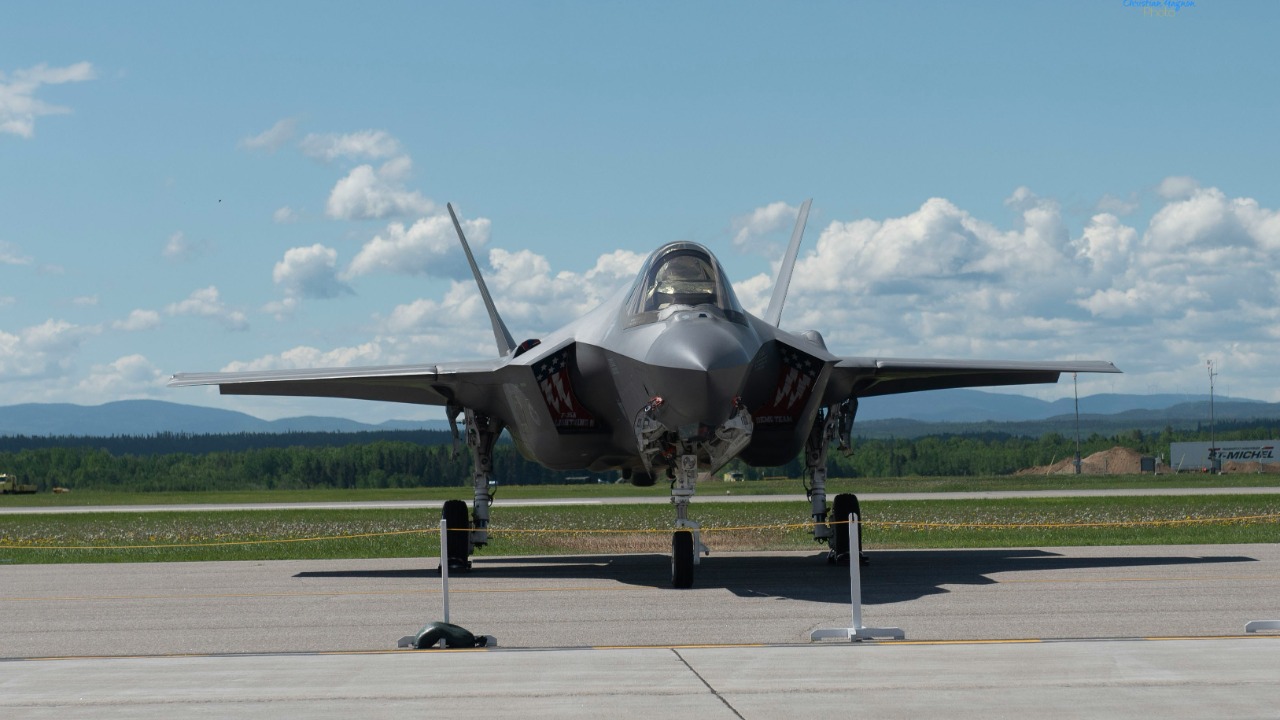
The development of 6G jamming technology poses a significant threat to advanced aircraft like the F-35, renowned for its sophisticated radar systems. These systems play a crucial role in modern air combat, providing pilots with critical situational awareness and targeting capabilities. The ability of a 6G-powered system to jam these radars in mere seconds could compromise the effectiveness of such aircraft, necessitating new strategies to counter these threats.
As nations grapple with the vulnerabilities exposed by 6G electronic warfare, potential countermeasures and technologies are being developed to mitigate the risks. International cooperation and policy discussions are essential in addressing these new threats, as nations work together to develop robust defense strategies and technological solutions.
Future Prospects and Concerns
The ethical and legal considerations surrounding advanced electronic warfare are complex and multifaceted. The use of sophisticated jamming technologies in warfare raises important ethical questions, as nations must balance the pursuit of strategic advantage with the potential consequences of escalating electronic conflicts. International laws and treaties related to electronic warfare will play a crucial role in shaping the future landscape of military engagement.
Looking ahead, the future of electronic warfare in a 6G world is filled with both promise and uncertainty. As technological advancements continue to unfold, new innovations are likely to emerge, further enhancing military capabilities and strategies. However, these developments also carry long-term implications for global security and military strategy, necessitating ongoing dialogue and cooperation among nations to ensure a stable and secure future.
