Scientists have recently developed a revolutionary type of wood that is stronger and more durable than steel. This breakthrough has the potential to transform multiple industries, offering a sustainable and lightweight alternative to traditional building materials.
The Science Behind Super Strong Wood
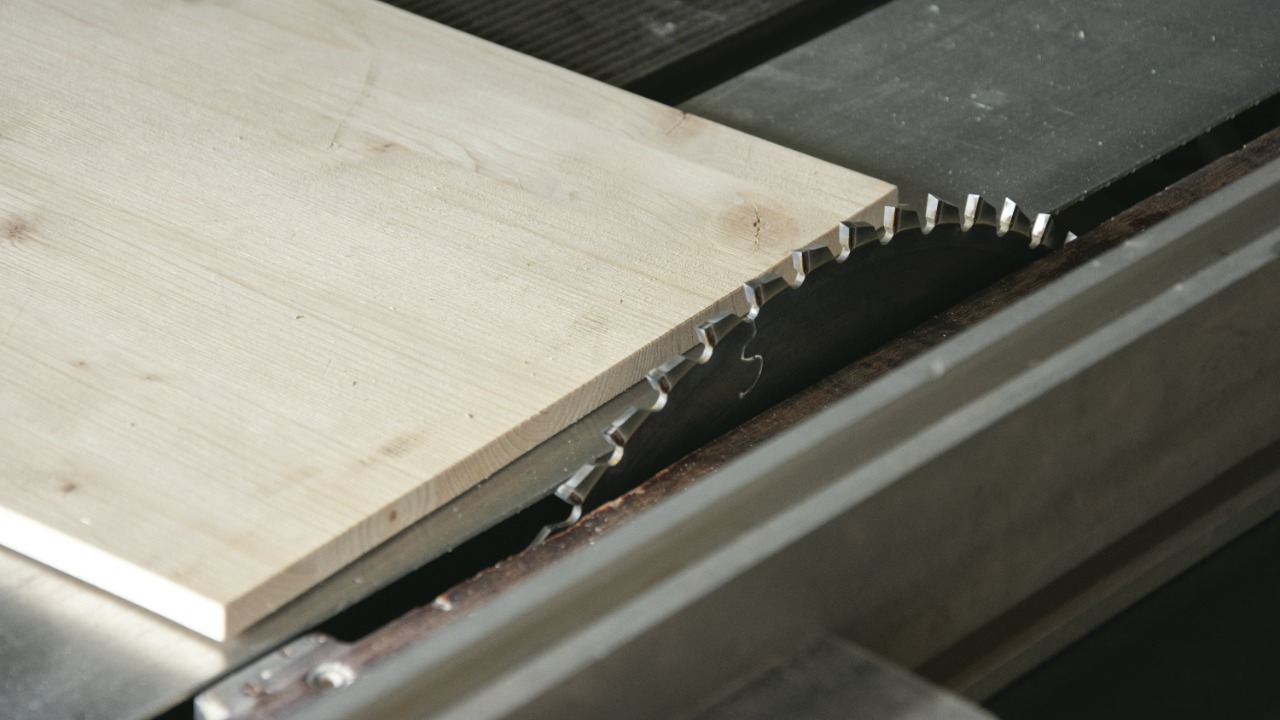
The development of this new wood begins with a unique chemical treatment process that significantly enhances its strength. Researchers have discovered that by boiling wood in a solution of sodium hydroxide and sodium sulfite, they can remove certain components, such as lignin and hemicellulose. This process not only makes the wood more pliable but also allows the remaining cellulose fibers to be compressed and bonded more tightly, resulting in a denser, stronger material.
Another key aspect of this innovation is the reinforcement of the cellulose structure. By altering the alignment of cellulose fibers, scientists have managed to create a material that is not only stronger but also more rigid and durable. This modification greatly enhances the wood’s ability to withstand stress and strain, making it comparable, if not superior, to steel in terms of tensile strength.
When comparing this engineered wood to traditional materials, the results are impressive. The tensile strength of this new wood is reportedly more than ten times that of natural wood. In contrast to steel, this wood offers a much lighter and more sustainable alternative without sacrificing durability. Such characteristics make it an ideal candidate for a wide range of industrial applications.
Potential Applications Across Industries

In the realm of construction and architecture, this new wood could bring about a significant change in building practices. The construction industry, which heavily relies on steel and concrete, could benefit from this sustainable alternative. This wood’s strength and lightweight nature allow for reduced structural weight and potentially lower building costs, while its renewability aligns with growing environmental awareness and the shift towards green building practices.
The automotive and aerospace industries are also likely to benefit from this innovation. By incorporating this engineered wood into vehicle and aircraft designs, manufacturers could potentially reduce the weight of these machines, leading to increased fuel efficiency and reduced emissions. For instance, using this wood in car chassis or airplane interiors could maintain safety standards while lowering fuel consumption.
Furthermore, the engineered wood shows promise for use in consumer goods and packaging. Its durability and eco-friendliness present a compelling case for replacing less sustainable materials in items such as furniture or packaging materials. This could address ongoing sustainability challenges and meet the increasing consumer demand for eco-friendly products.
Environmental and Economic Implications

The introduction of this super wood offers significant sustainability benefits. The wood’s production process results in a lower carbon footprint compared to that of steel or concrete. Additionally, since wood is a renewable resource, it reduces reliance on finite resources, thereby promoting a more sustainable cycle of production and consumption.
From an economic perspective, the adoption of this technology could have various implications. Industries that incorporate this wood into their production processes might initially face higher production costs due to the novelty and complexity of the technology. However, over time, these costs could decrease with advancements in production techniques and economies of scale. Furthermore, the demand for this innovative material could spur job creation in research, manufacturing, and construction sectors, potentially leading to market growth opportunities.
Nevertheless, there are challenges to consider. Production costs and scalability remain significant hurdles that need to be overcome to make this technology widely accessible. Additionally, regulatory challenges might arise as industries seek to integrate this new material into existing frameworks. Addressing these issues will be crucial for the successful implementation and widespread adoption of this groundbreaking technology.
