As the world increasingly embraces electric vehicles (EVs) in a bid to promote greener, more sustainable transport, the concept of wireless roads is gaining traction. This innovation presents a revolutionary way of charging EVs while they’re in motion, transforming urban landscapes across the globe.
Exploring the Concept of Wireless Roads
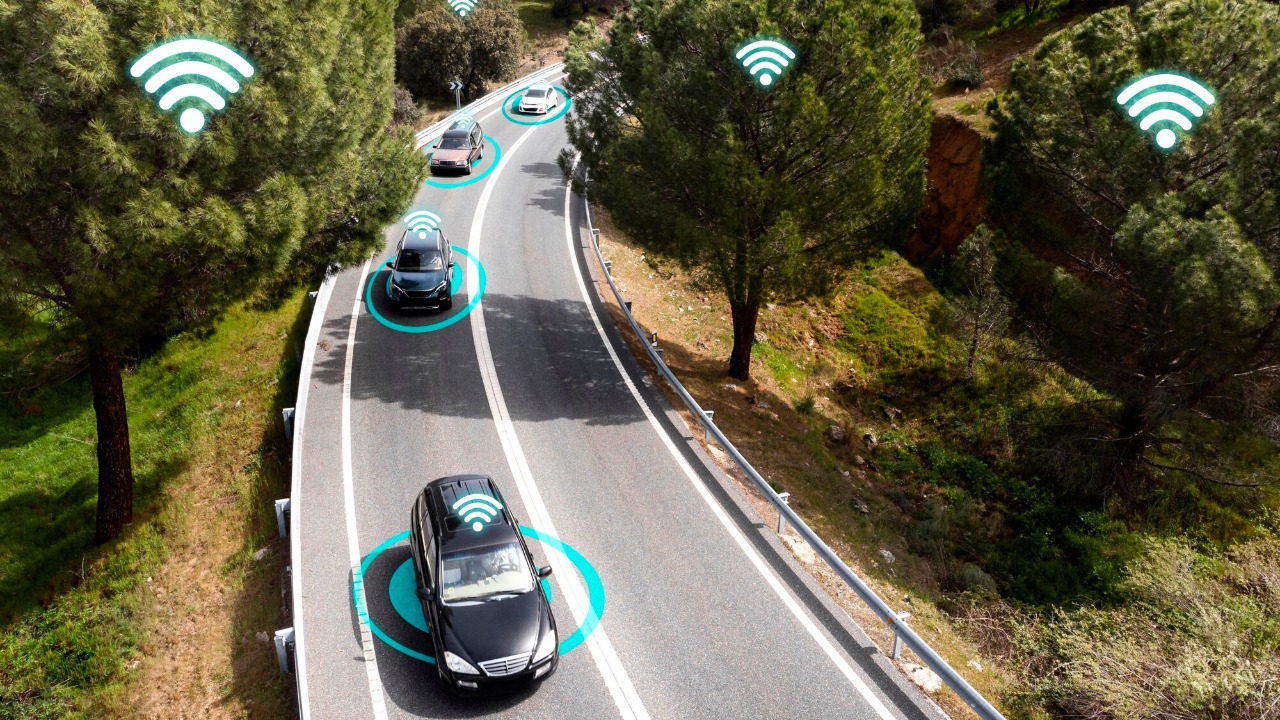
Wireless roads, or electric roads, are thoroughfares embedded with technology that wirelessly transfer power to EVs as they move. This technology leverages advancements in wireless power transfer that have been steadily evolving over the years. The principle behind this is inductive charging, where electromagnetic fields are used to transfer energy between two objects – in this case, the road and the EV.
Inductive charging played a critical role in the development of wireless roads. It involves an electricity source embedded in the road, creating an electromagnetic field. This field is picked up by a receiver in the EV, converting it back into electricity to power the vehicle. This seamless process, when integrated into our road systems, revolutionizes the way we view and use transportation.
The Impact on Electric Vehicles (EVs)
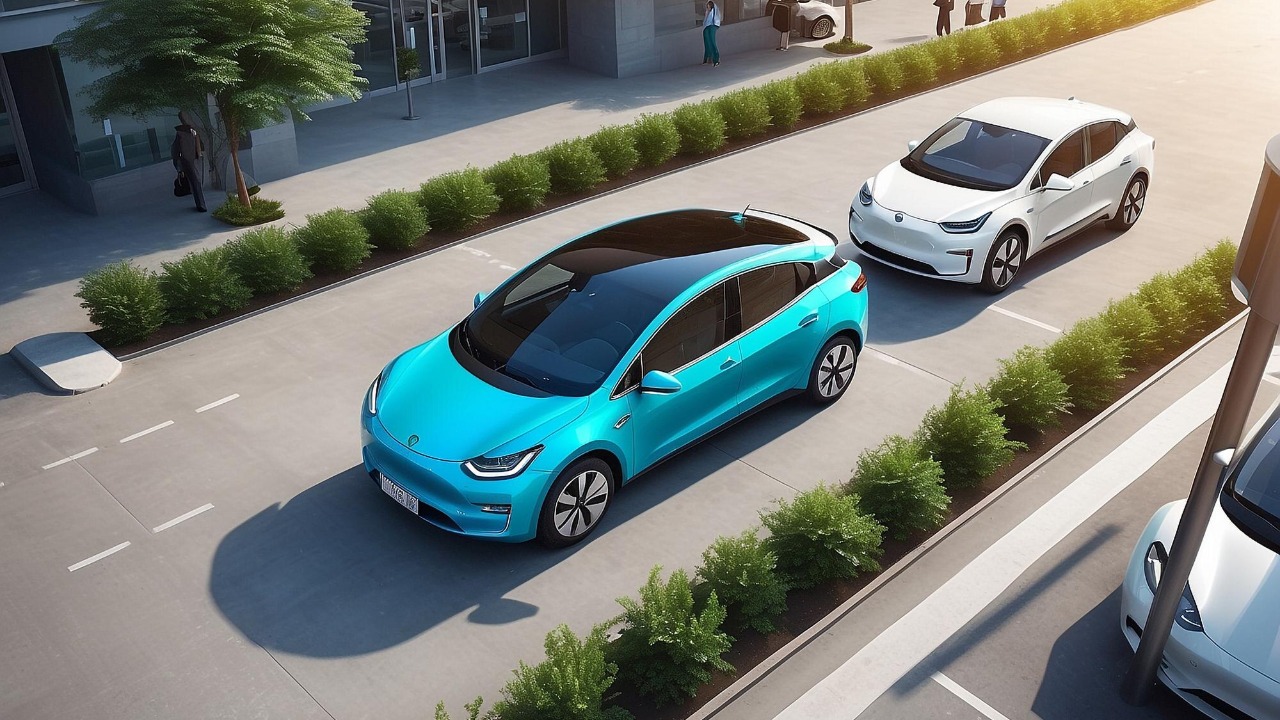
The promise of wireless roads has significant implications for EVs. Most notably, these roads can extend the range of EVs by providing a continuous source of power. This not only allows EVs to travel longer distances but also eliminates the need for regular stops to recharge, making electric transport more seamless and efficient.
Moreover, with the constant availability of charge, there’s potential for EVs to have smaller, lighter batteries. This could significantly reduce the manufacturing cost of EVs and make them more accessible to a larger population. Furthermore, a lighter battery could increase the energy efficiency of EVs, contributing to the overall sustainability of this transport mode.
Case Studies of Wireless Roads in Action
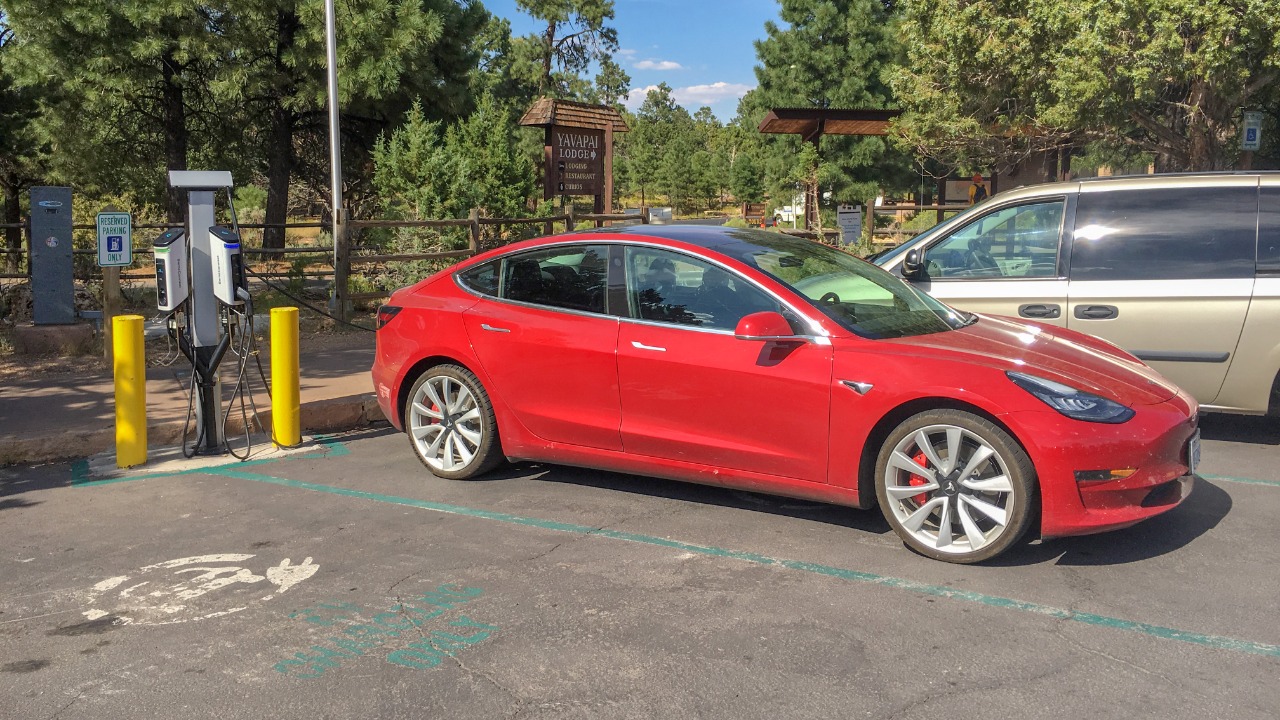
Several countries have started testing and implementing wireless roads. Norway, for example, is pioneering efforts in EV charging technology and is currently exploring the wireless charging of electric taxis.
South Korea, too, has made significant strides in this field with the Gumi Project – the world’s first wireless electric bus service. In Israel, a company named ElectReon has embarked on a mission to create a national network of wireless roads, demonstrating the feasibility and benefits of this technology in a real-world setting.
Challenges and Solutions

While the benefits of wireless roads are significant, implementing them is not without challenges. Technical hurdles, such as ensuring consistent power transfer to moving vehicles and integrating this technology into existing infrastructure, need to be overcome. Additionally, the initial infrastructure costs could be substantial, necessitating innovative financing solutions and potential public-private partnerships.
There are also potential health and safety concerns related to the electromagnetic fields generated by wireless roads. Research and development efforts are ongoing to ensure these fields are contained and pose no risk to pedestrians, wildlife, or the environment. Despite these challenges, the potential benefits of wireless roads make it a promising solution for sustainable urban transport.
The Future of Wireless Roads and EVs
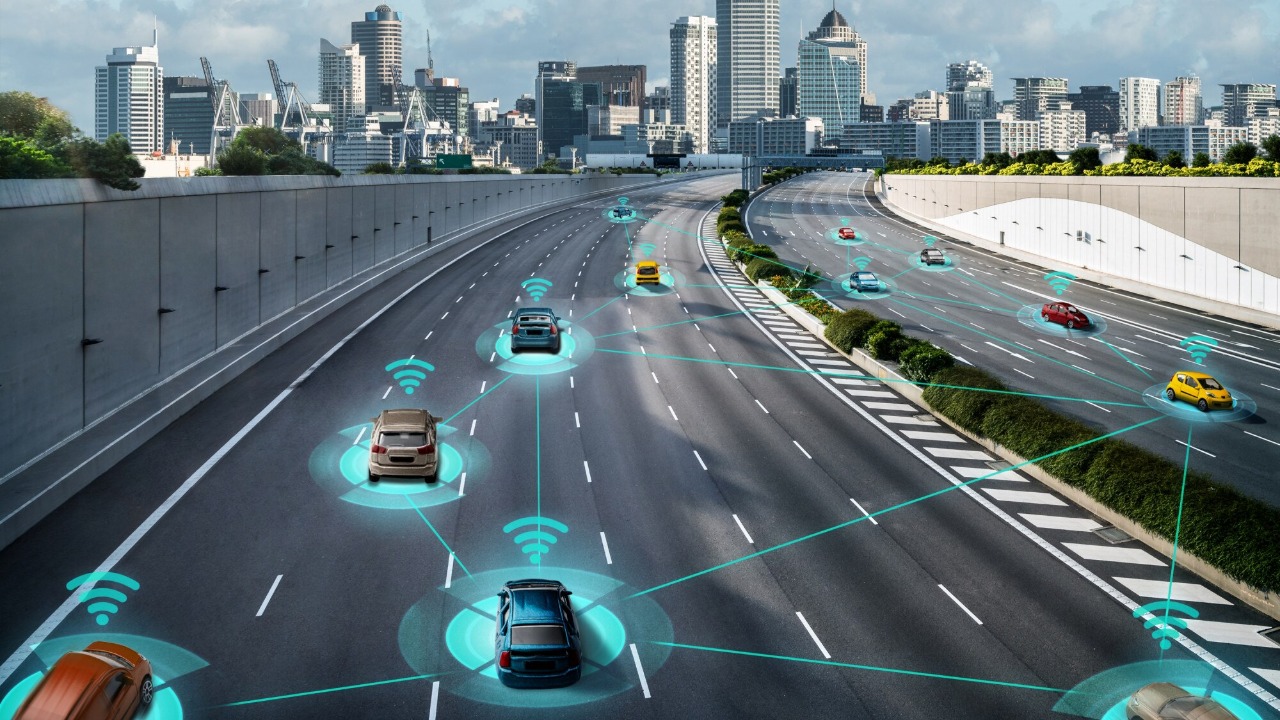
Looking ahead, analysts project that wireless road technology could become commonplace across the globe. As urban planning and transport evolve to accommodate this technology, we might see a radical transformation in our cities. Wireless roads could eliminate the need for charging stations, freeing up urban space for other uses and potentially reducing traffic congestion.
From an environmental standpoint, widespread use of EVs and wireless roads could significantly reduce greenhouse gas emissions. This aligns with global efforts to combat climate change and promote sustainable living. As this technology continues to evolve and its adoption increases, our vision of a cleaner, greener future becomes increasingly tangible.
For a deeper dive into the future of wireless roads and EVs, check out this comprehensive study on the subject here.
