Imagine satellites in space, perpetually powered by invisible beams of energy transmitted from Earth. This could soon be a reality with the emergence of wireless power beaming technology. This groundbreaking development offers a promising solution to the energy supply issues faced by satellites, and it is poised to redefine the dynamics of space exploration and satellite technology.
The Science Behind Wireless Power Beaming
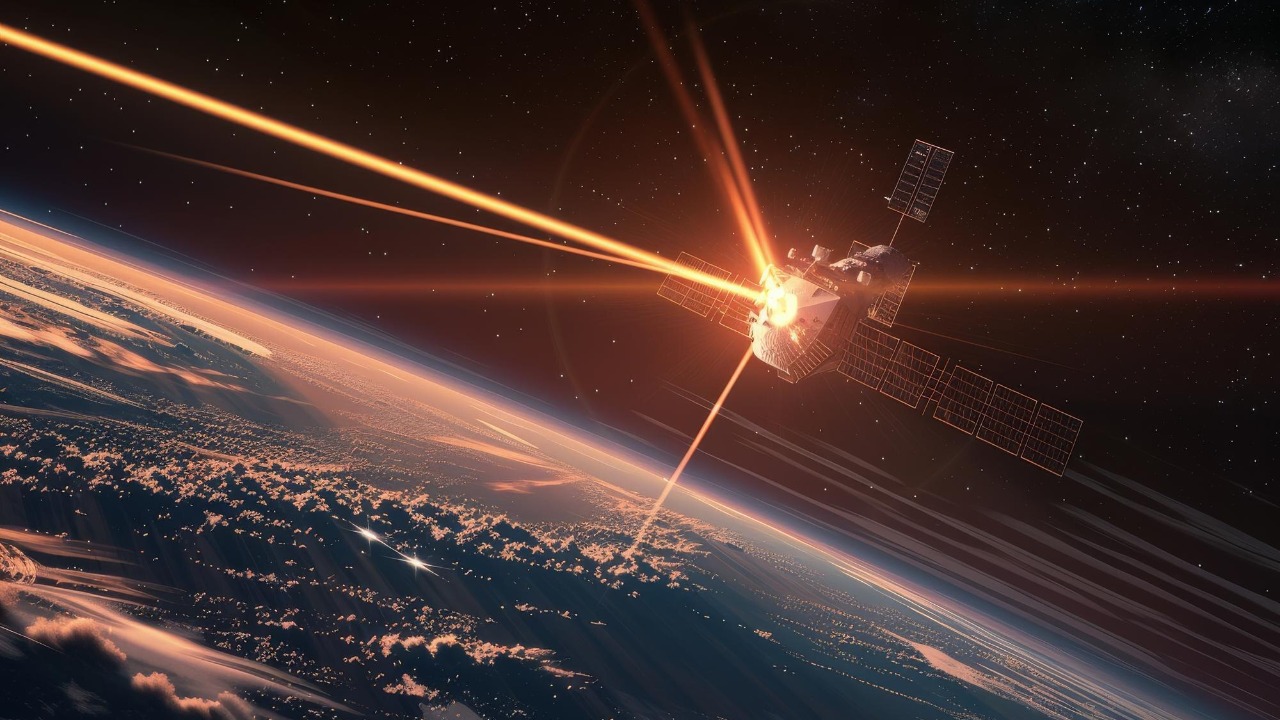
Wireless power transmission isn’t a new concept. It’s based on the principles of electromagnetic fields, which allows power to be transmitted over a distance without any physical connection. This process can use various methods, including the use of microwaves and lasers. The specific technology used in power beaming to satellites often involves the use of photovoltaic cells and rectennas. Rectennas, or rectifying antennas, convert microwave energy into direct current electricity. They are key to capturing and converting the beamed power into a form usable by the satellite.
Recent experiments and demonstrations have shown the feasibility of this concept. A prime example is the Space Solar Power Demonstrator by Caltech. This project successfully transmitted power wirelessly in space, marking a significant milestone in the development of this technology.
Benefits of Wireless Power Beaming for Satellites
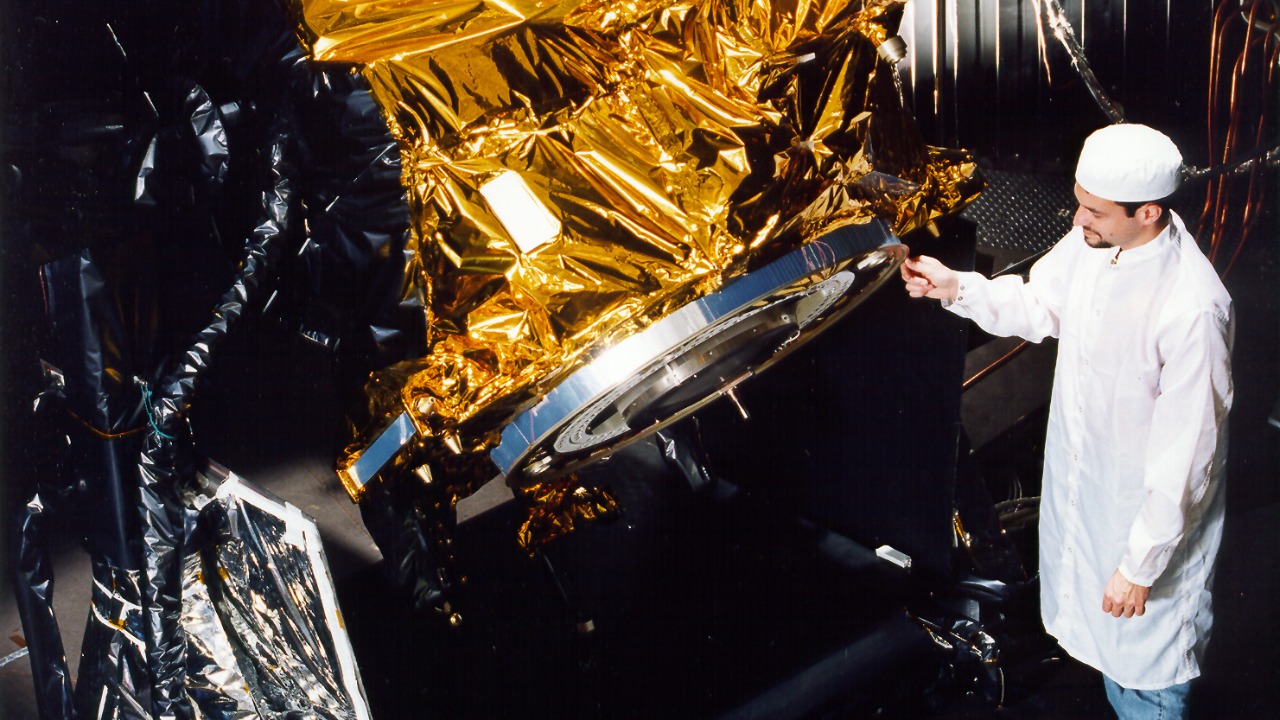
The potential benefits of wireless power beaming for satellites are immense. One of the most significant advantages is the possibility of a constant power supply. Satellites traditionally rely on onboard batteries and solar panels for power. However, this approach has limitations, especially for satellites in Earth’s shadow or during eclipses. Wireless power beaming could provide a constant power source, significantly enhancing satellite operability and lifespan.
Furthermore, wireless power beaming could also have considerable environmental benefits. The reduction of space debris from discarded batteries and fuel cells is a key advantage. Additionally, this technology could support longer satellite missions and even enable new types of missions. This could lead to unprecedented advancements in fields like climate monitoring, global communications, and scientific research.
Challenges and Limitations of Wireless Power Beaming

Despite its potential, wireless power beaming isn’t without its challenges. Power loss and interference are significant technical obstacles. Power beaming systems need to be highly efficient to ensure the transmitted energy isn’t wasted. At the same time, these systems must also ensure that they do not interfere with other satellites or terrestrial systems.
Regulatory and legal challenges could also arise with the use of this technology. The use of frequencies for power beaming needs to be coordinated internationally to prevent interference with other services. Additionally, there are potential risks and dangers. Concerns about the weaponization of this technology and the creation of additional space debris are real and need to be addressed.
Future Prospects for Wireless Power Beaming

Ongoing research and development into wireless power beaming hold exciting prospects. Institutions like NASA and Caltech are heavily invested in this field. For example, NASA’s Space Technology Mission Directorate is currently exploring the idea of robot-built solar satellites that could beam constant power from space.
The potential applications of wireless power beaming extend far beyond satellites. It could potentially provide power to space stations, lunar bases, and even deep space missions. This technology could significantly contribute to the future of space exploration and satellite technology, transforming how we perceive and interact with the cosmos.
As we continue to push the boundaries of scientific innovation, wireless power beaming stands as a testament to human ingenuity and our relentless pursuit of knowledge. The journey to mastering this technology is fraught with challenges, but the potential rewards are immense and could fundamentally alter the future of space exploration.
