As we delve into the realm of assistive technologies, the remarkable advancements of wireless brain implants in controlling prosthetics warrant our attention. These medical marvels are not only transforming the field of neuroprosthetics but also uplifting the lives of people with disabilities.
Understanding the Technology Behind Wireless Brain Implants
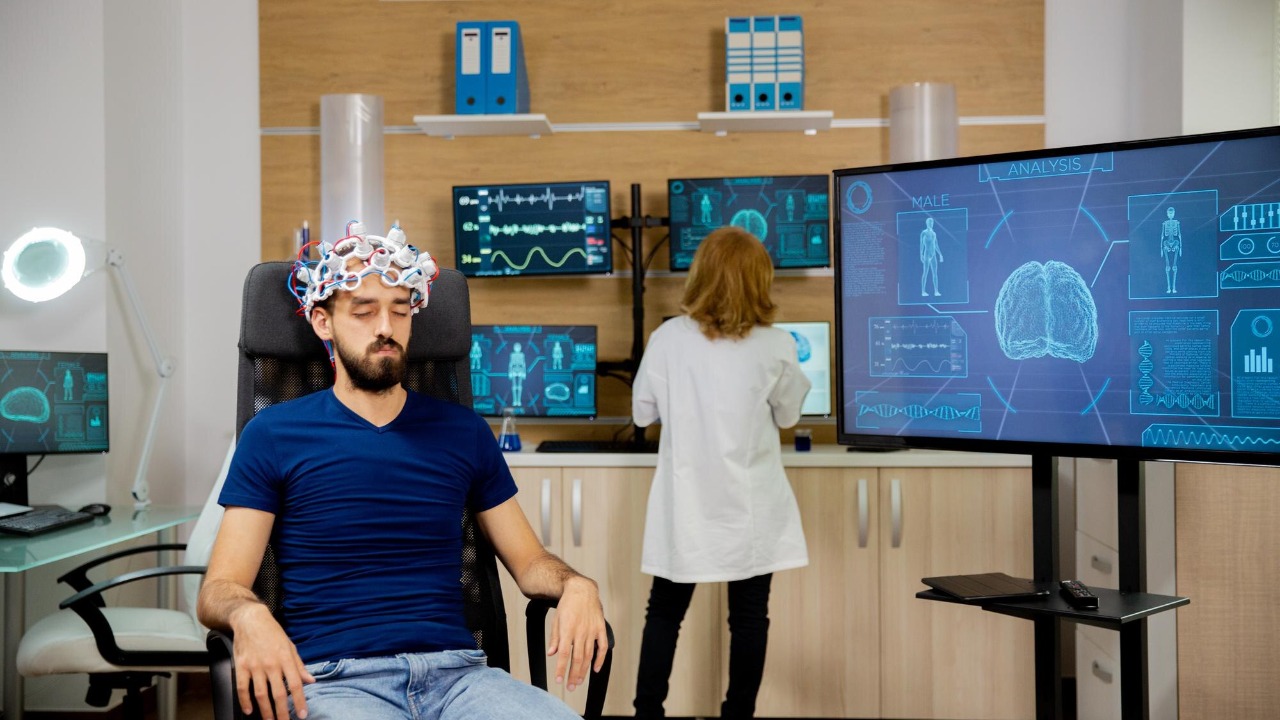
A wireless brain implant, as the name suggests, is a device implanted directly into the brain to facilitate communication between the brain and an external device. It works by decoding the brain signals associated with motor movements and transmitting them wirelessly to control a prosthetic limb. This technology is a form of neural interface, a bridge between the brain and an artificial device.
There are several types of wireless brain implants under research and development today. One such example is the implantable neural interface that can communicate wirelessly with wearable electronics. This is a significant milestone in neuroprosthetics, paving the way for seamless integration of artificial limbs with the human body.
The Process of Controlling Prosthetics Through Brain Implants
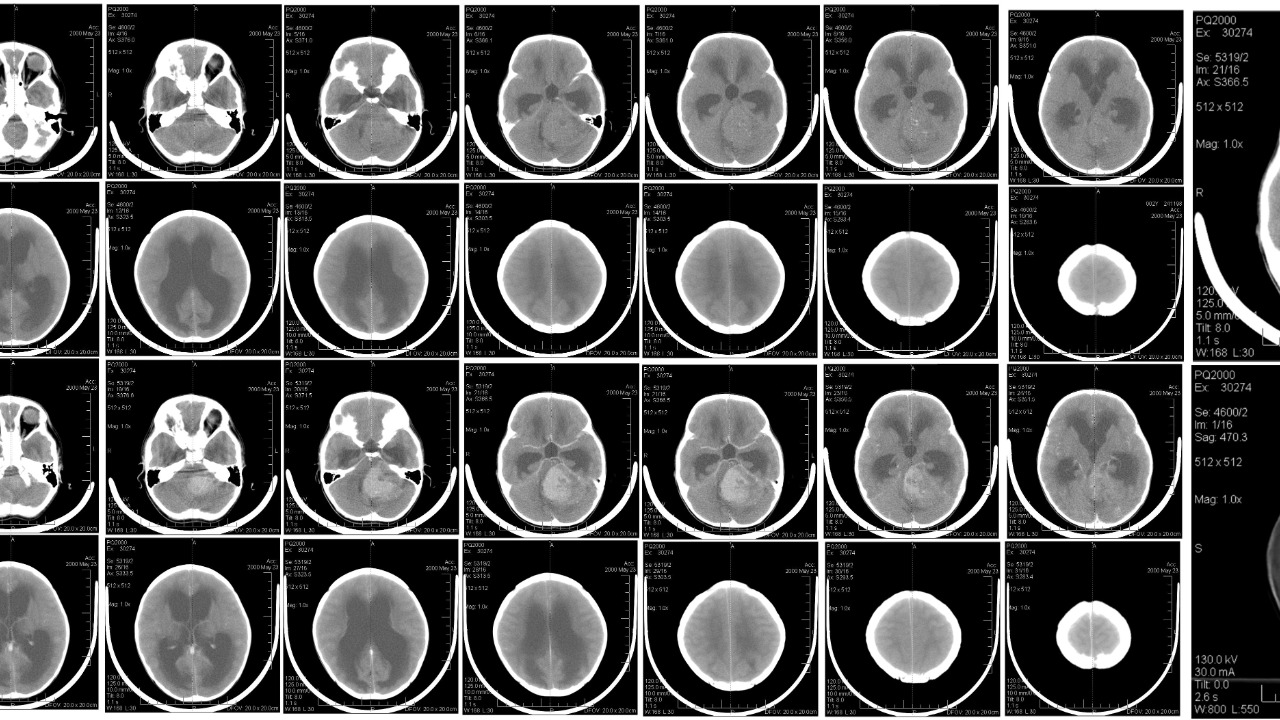
Controlling prosthetics through brain implants involves a complex yet fascinating process. It starts with the brain generating electrical signals for a specific movement. These signals are picked up by the brain implant, which then wirelessly transmits them to the prosthetic limb. The limb, designed to understand these signals, executes the desired movement.
The advanced process of bidirectional communication between the brain and the prosthetic is a recent innovation. This means that not only can the brain control the prosthetic, but the prosthetic can also provide sensory feedback to the brain, thereby creating a more natural and intuitive experience for the user. This is a significant improvement in the field of neuroprosthetics.
The Impact of This Technology on People with Disabilities
The advent of wireless brain implants has the potential to drastically improve the quality of life for individuals with mobility impairments. It offers a level of control and freedom that other assistive technologies may not provide. For instance, a person with a brain-implant-controlled prosthetic arm can perform complex tasks with relative ease, such as tying shoelaces or playing a musical instrument.
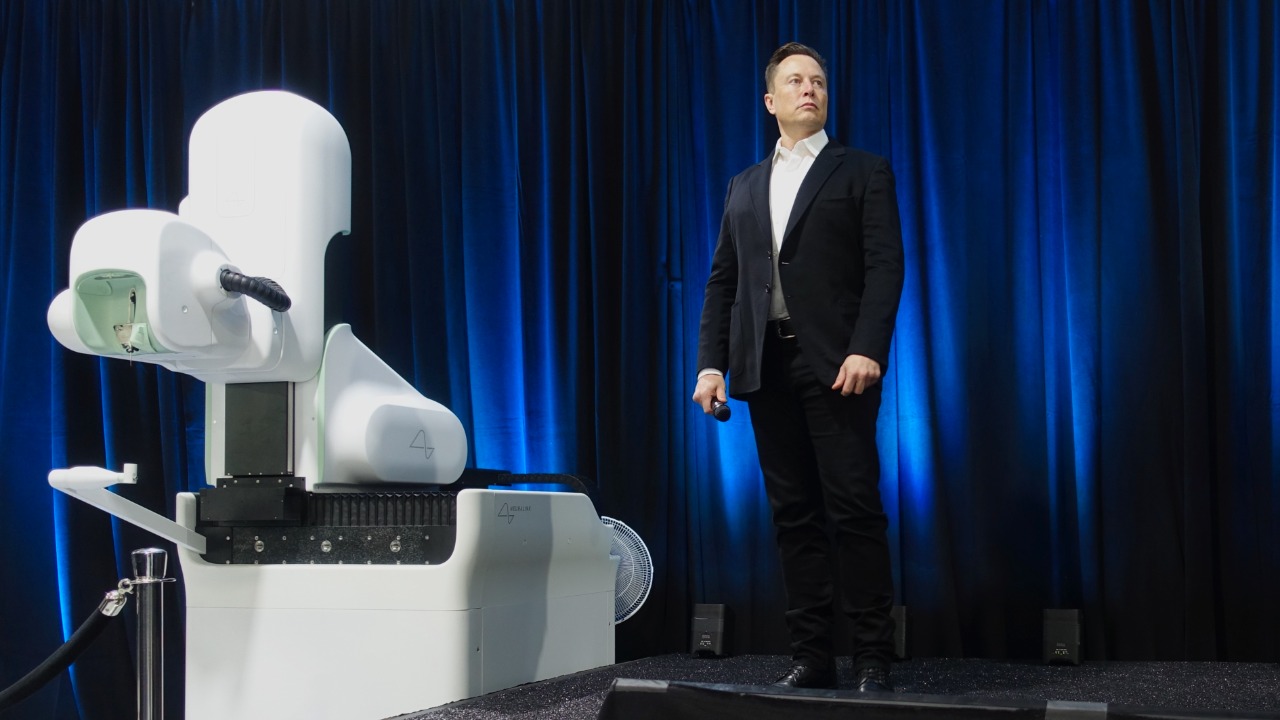
There are numerous individuals already benefiting from this technology. One notable example is a man who, using the Neuralink technology, was able to control a robotic arm with his mind. However, the journey is not always smooth, and users may face challenges such as adjusting to the new technology or dealing with potential health risks associated with brain implants.
Future Prospects and Challenges of Brain-Implant-Controlled Prosthetics
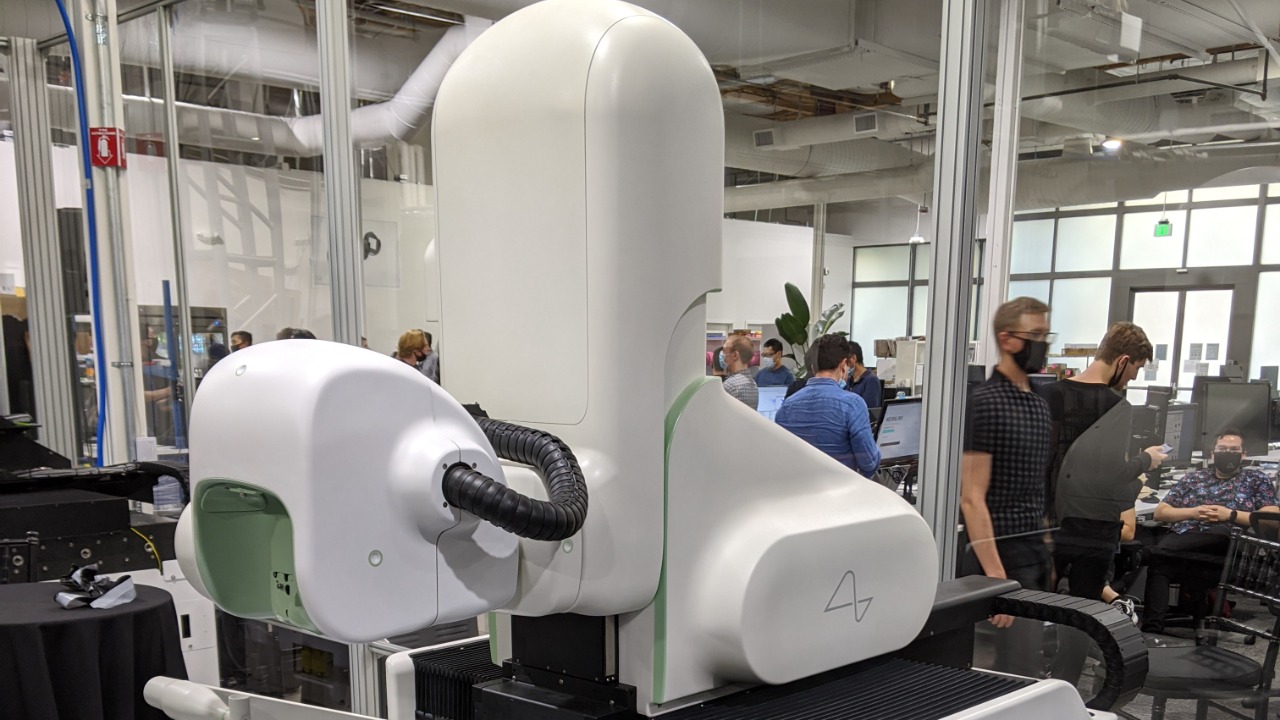
Research and development in the field of brain-implant-controlled prosthetics are ongoing, with scientists and engineers working tirelessly to improve the technology. Future developments may include improved signal quality, increased battery life, and smaller, less invasive implants. However, these potential advancements come with their own set of challenges.
One of the primary concerns is the ethical considerations associated with implanting devices in the brain. While the primary goal is to aid those with disabilities, there is potential for misuse if the technology falls into the wrong hands. Additionally, there are potential health risks that need to be thoroughly studied and addressed before widespread implementation.
Case Studies and Research Findings

Several studies have shown the efficacy and potential of wireless brain implants. For example, a study published in the Journal of NeuroEngineering and Rehabilitation demonstrated that wireless brain implants could provide reliable, long-term performance.
Companies like Neuralink are also doing groundbreaking work in this field. Neuralink’s development of a high-bandwidth brain-machine interface has the potential to facilitate communication between the brain and external devices with unprecedented speed and precision. Recent breakthroughs and advancements in this field are paving the way for a future where wireless brain implants can drastically improve the lives of individuals with mobility impairments.
