
The concept of mind uploading, where human consciousness could be transferred to a digital medium, has long been a staple of science fiction. However, recent technological advances have sparked serious discussions about the feasibility of this concept. Could we truly achieve digital immortality by uploading our minds to a computer or the internet?
The Science Behind Mind Uploading
Overview of Current Technological Capabilities
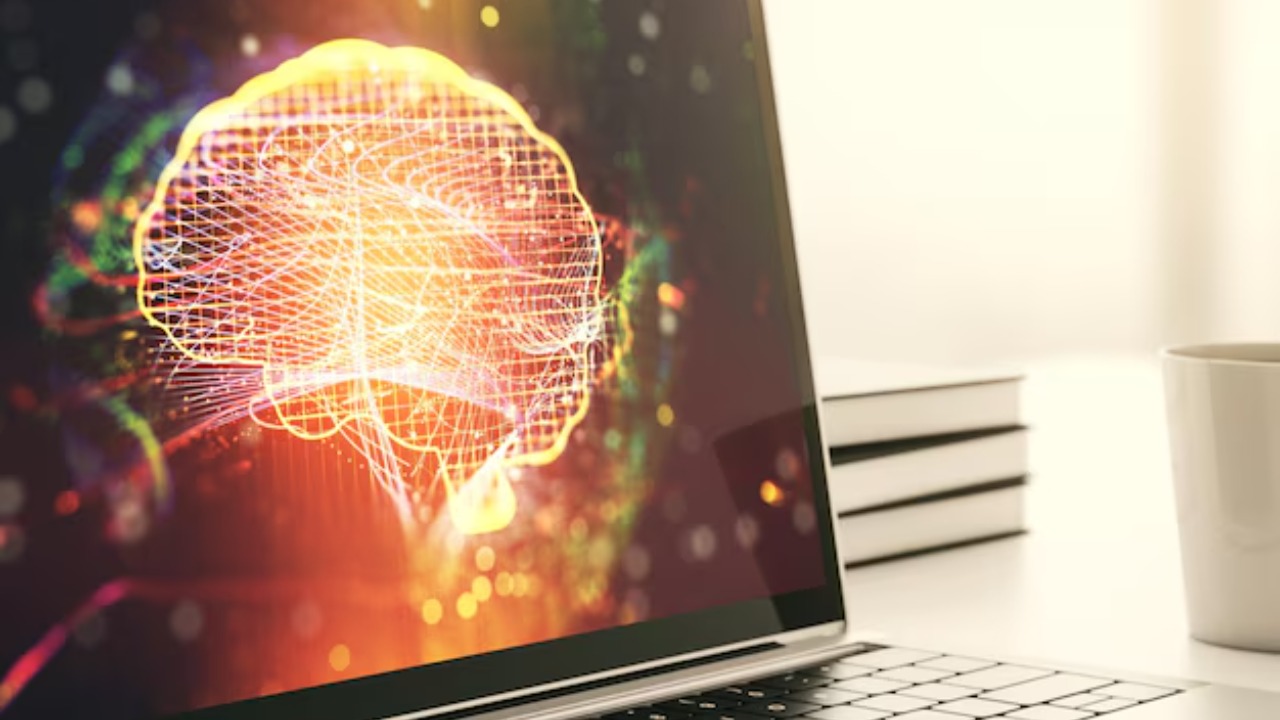
Current technologies have made significant strides in understanding the human brain, yet many challenges remain. Neuroscientists have mapped out some areas of the brain, but replicating its functionality in a digital format is still a daunting task. While computers can process data at incredible speeds, the human brain’s complexity, with its billions of neurons and synapses, presents a unique challenge. Understanding the neuroscientific groundwork is crucial for any future attempts at mind uploading.
Moreover, current digital technology can simulate specific brain activities, yet it lacks the capacity to emulate the richness of human consciousness. As we continue to explore these frontiers, the limitations of our current understanding become apparent. This gap between what is known and what is possible fuels both scientific curiosity and skepticism.
Brain-Computer Interfaces
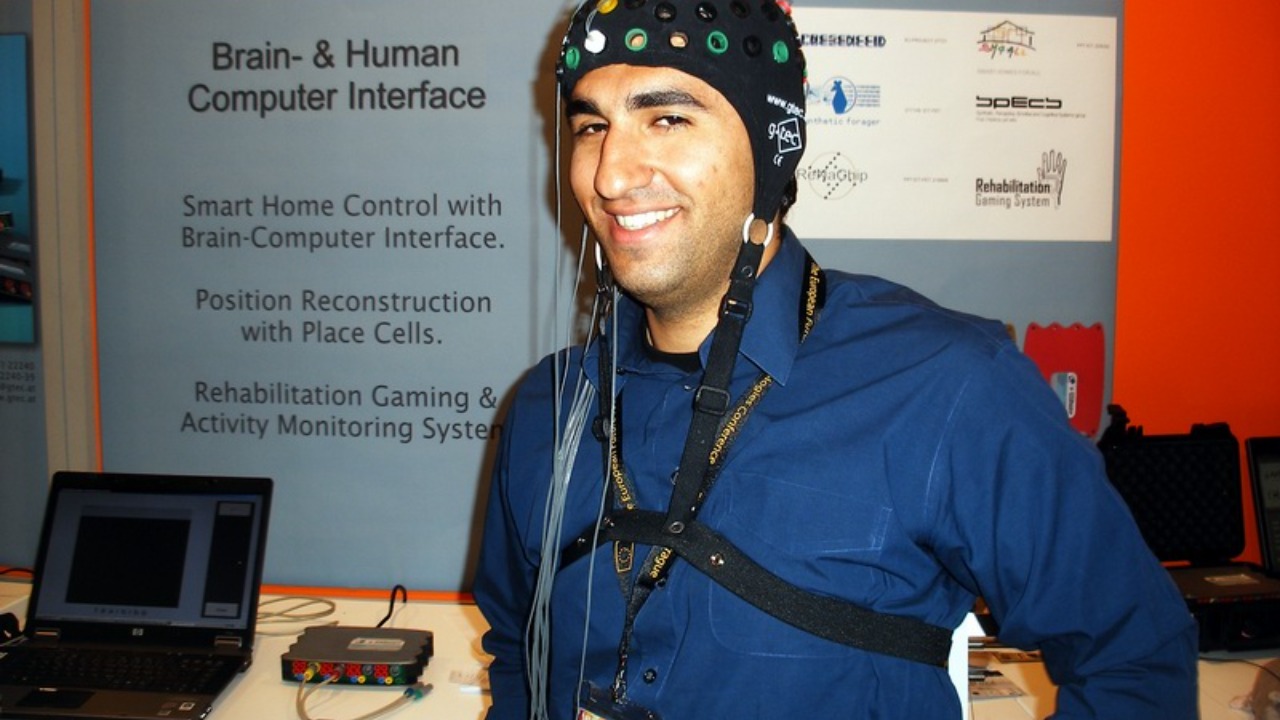
Brain-computer interfaces (BCIs) represent a significant area of research that could bridge the gap between humans and machines. These interfaces allow for direct communication between the brain and external devices, enabling the control of computers and prosthetics through thought alone. The development of BCIs could pave the way for more sophisticated mind-uploading technologies.
However, the current state of BCIs is primarily focused on assisting individuals with disabilities and improving quality of life. While promising, these technologies are still in their infancy regarding mind uploading. The progression from controlling external devices to fully replicating consciousness involves overcoming numerous technical and theoretical hurdles.
Challenges in Mapping Human Consciousness
The quest to map human consciousness is fraught with complexities. Consciousness is a deeply subjective experience, unique to each individual. The challenge lies in replicating not just the brain’s functional capabilities but also the intricate web of personal experiences, emotions, and thoughts that constitute consciousness.
Efforts to map consciousness involve interdisciplinary research, combining insights from neuroscience, psychology, and computer science. Despite these efforts, the mystery of consciousness remains an enigma, posing significant barriers to the practical implementation of mind uploading.
Ethical and Philosophical Considerations
Identity and Self
The idea of mind uploading raises profound philosophical questions about identity and self. If an individual’s consciousness could be uploaded, would that digital entity still be “you”? The notion of identity is deeply tied to the physical and temporal continuity of our bodies and experiences.
Philosophers and ethicists debate whether a digital copy of a mind would possess the same identity as its biological counterpart. This discussion touches on the essence of what it means to be human and challenges our understanding of consciousness as a unique attribute of the human experience.
The Ethics of Digital Immortality
Digital immortality presents a host of ethical dilemmas. While the prospect of living indefinitely in a digital realm may seem appealing, it raises questions about the value of life and death. Would extending life indefinitely diminish the meaning attached to our mortality?
Moreover, the societal implications of digital immortality could be vast. Issues surrounding consent, the potential for exploitation, and the preservation of personal autonomy are critical considerations. As we move closer to this reality, ethical frameworks will be essential in guiding the development and implementation of mind-uploading technologies.
Access and Inequality
One of the most pressing concerns about mind uploading is the potential for inequality in access to these technologies. If mind uploading becomes a reality, it could exacerbate existing social and economic disparities. Access to digital immortality might be limited to those who can afford it, creating a new class divide.
Addressing these disparities requires proactive policies and regulations to ensure equitable access. The societal impact of such technologies necessitates a comprehensive examination of how they can be integrated into a fair and just society.
Potential Benefits and Applications
Extending Life and Overcoming Limitations
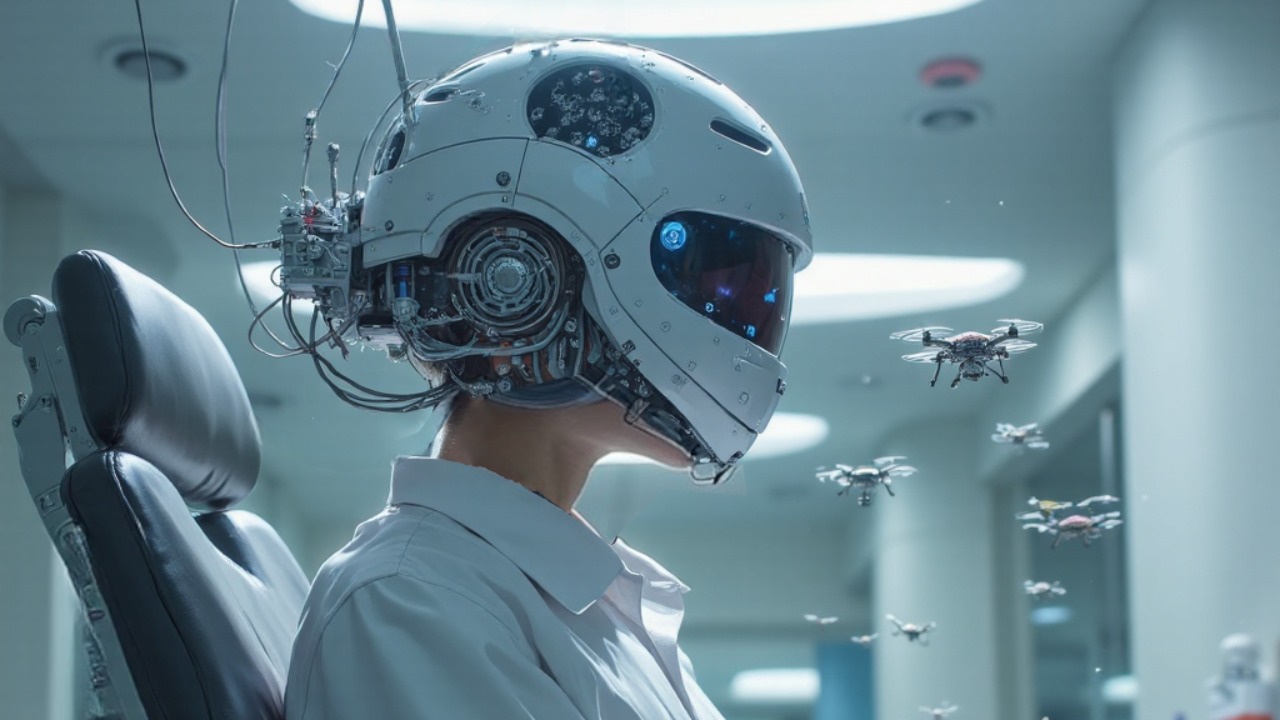
Mind uploading offers the tantalizing possibility of extending human life beyond biological constraints. By transferring consciousness to a digital medium, individuals could potentially overcome physical limitations and experience life in new, unprecedented ways.
This prospect also opens avenues for those with debilitating conditions to experience life without the constraints of their physical bodies. The potential to enhance quality of life and provide new experiences is a compelling argument for the pursuit of mind-uploading technologies.
Contributions to Science and Knowledge
Digital minds could revolutionize the way we conduct research and advance knowledge. With the ability to process and analyze vast amounts of data, uploaded minds could contribute to scientific breakthroughs at an accelerated pace. The potential for collaborative research across digital platforms could enhance our understanding of complex issues.
Moreover, the preservation of intellectual contributions beyond an individual’s biological lifespan could lead to a continuous accumulation of knowledge, benefiting future generations.
Virtual Worlds and the Metaverse
The integration of mind-uploading technologies into virtual worlds could transform our interactions within digital spaces. The concept of the metaverse, a fully immersive digital environment, offers exciting possibilities for social interaction, entertainment, and education.
Such advancements could enable individuals to explore virtual worlds with the same depth and richness as physical reality. The potential for creativity and innovation in these spaces is vast, offering new frontiers for human experience.
Technological and Practical Barriers
Data Storage and Processing
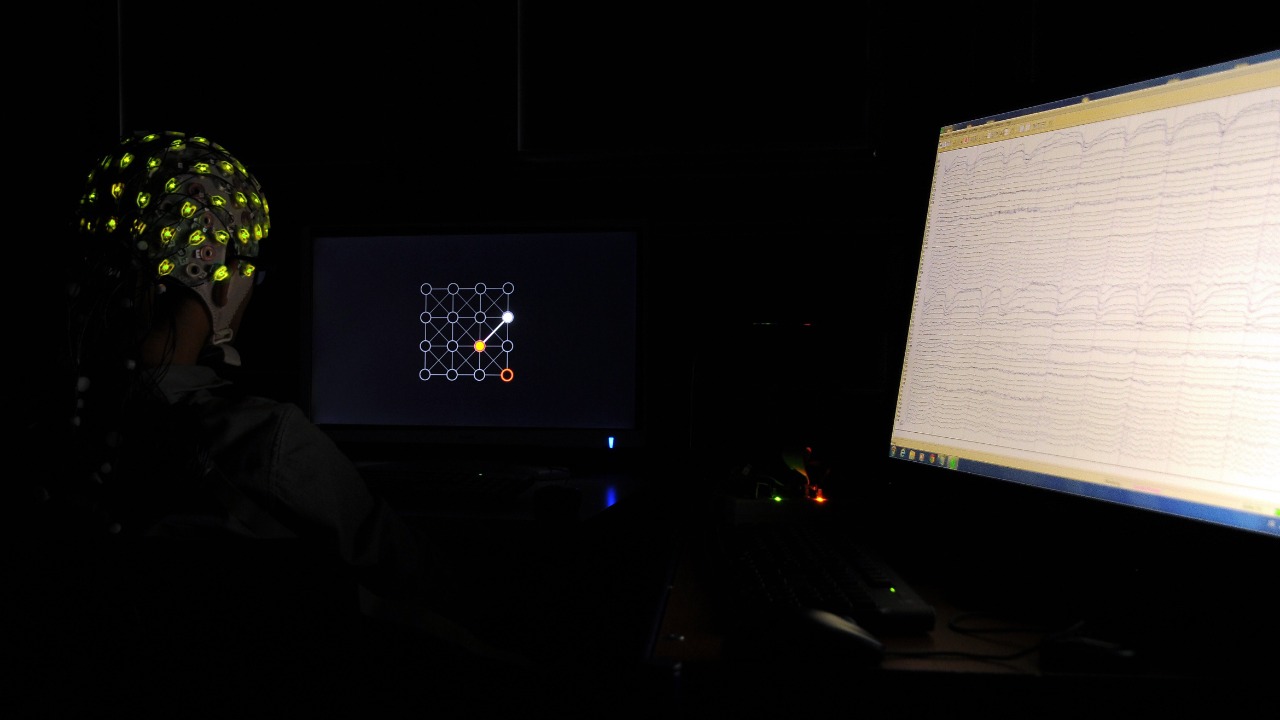
One of the most significant technological barriers to mind uploading is the immense data storage and processing power required to host digital consciousness. The human brain’s complexity necessitates vast amounts of computational resources, far beyond current capabilities.
Advances in data storage and processing technologies will be essential to make mind uploading feasible. As technology progresses, addressing these challenges will be crucial in determining the timeline and viability of digital consciousness.
Security and Privacy Concerns
With the prospect of mind uploading comes significant concerns about security and privacy. Digital consciousness would be vulnerable to hacking, data breaches, and unauthorized access. Safeguarding digital minds will require robust security measures to ensure the integrity and privacy of personal experiences.
Establishing regulations and protocols to protect digital consciousness will be paramount as we move toward the possibility of mind uploading. Addressing these concerns is essential to build trust and ensure the ethical implementation of such technologies.
Technical Feasibility Timelines
Predicting when mind uploading might become a reality is challenging. While current technological trajectories offer hope, significant breakthroughs are required to make digital consciousness feasible. Experts remain cautious, acknowledging the complexities and uncertainties involved.
Ongoing research and development in neuroscience, computer science, and related fields will shape the timeline for mind uploading. While the future holds promise, the realization of digital consciousness remains an ambitious goal.
Cultural and Societal Impacts
Shifts in Human Experience
The advent of mind-uploading technologies could fundamentally alter our understanding of life and death. As digital consciousness becomes a possibility, traditional notions of mortality and the human experience may evolve. This shift could lead to new perspectives on what it means to live a meaningful life.
Exploring these changes involves reimagining our relationship with technology and the boundaries of human existence. As we navigate this new landscape, the integration of digital consciousness will challenge our perceptions and values.
Redefining Relationships and Community
In a world where minds can exist in digital spaces, relationships and community dynamics could undergo significant transformations. The ability to interact within virtual environments offers new opportunities for connection and collaboration, transcending geographical and physical limitations.
However, these changes also raise questions about the nature of human interactions and the potential for isolation in digital spaces. Balancing the benefits and challenges of digital relationships will be essential in fostering meaningful connections.
Legal and Policy Implications
The emergence of digital consciousness presents substantial legal and policy challenges. Establishing rights and regulations for digital entities will be crucial in ensuring their protection and autonomy. Legal frameworks will need to address issues such as ownership, consent, and accountability.
Policymakers must engage with these complex issues to create an equitable and just environment for digital consciousness. As we move toward this future, proactive measures will be essential in navigating the legal and ethical landscape of mind uploading.
