
With advances in technology, smart clothing is emerging as a promising tool for health tracking. These innovative garments are equipped with sensors and electronics that monitor various health metrics, potentially revolutionizing how individuals manage their well-being. Smart clothes hold the promise of transforming personal health management while offering new insights into our physical and emotional states.
The Evolution of Smart Clothing
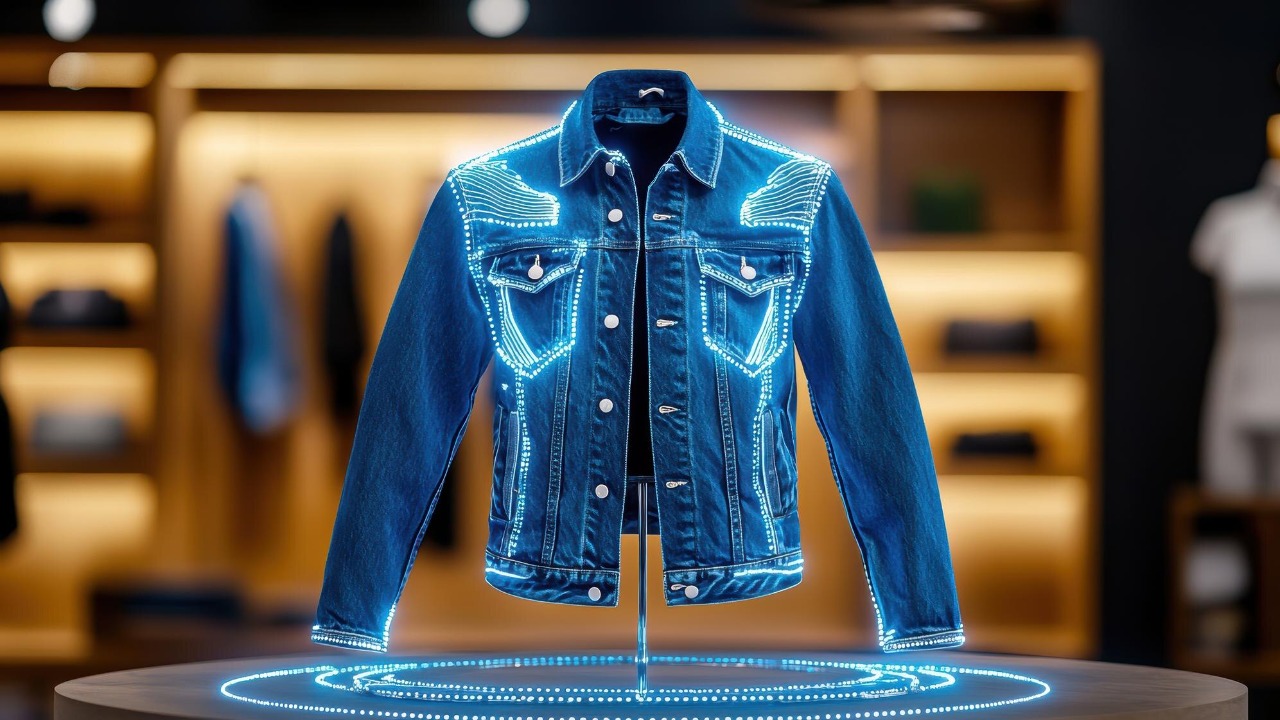
The concept of smart clothing has evolved significantly over the years. Initially, it was more of a futuristic idea, often depicted in sci-fi movies rather than a feasible innovation. However, with the advent of flexible electronics and the Internet of Things (IoT), smart clothing has become a tangible reality. Early developments in this field focused on embedding simple sensors into textiles, but today’s smart clothes are far more advanced, integrating a range of complex electronics and sensors seamlessly into the fabric.
Technological advancements have been pivotal in this evolution. Modern smart fabrics are designed to be both functional and comfortable, incorporating sensors that can measure various physiological parameters without hindering the wearer’s movements. The integration of sensors and electronics in fabric has opened up new possibilities for continuous health monitoring, making it easier for individuals to track their health metrics without the need for bulky external devices.
The market for smart apparel is experiencing significant growth, driven by increased consumer interest and investment in health technology. Companies are pouring resources into research and development to create more accurate, reliable, and aesthetically pleasing smart clothing options. This interest is reflected in the rising number of collaborations between the tech and fashion industries, aiming to push the boundaries of what smart clothes can achieve.
Health Metrics Monitored by Smart Clothes

One of the key features of smart clothing is its ability to monitor vital signs. These garments can track heart rate, respiration, and body temperature, providing users with real-time data about their physiological state. Such continuous monitoring can be crucial for individuals needing to keep a close eye on their health, such as those with chronic conditions or athletes looking to optimize their performance.
Smart clothing also excels in analyzing movement and posture. By incorporating accelerometers and gyroscopes, these garments can detect physical activity levels, providing insights into daily exercise routines and sedentary behavior. This capability allows users to receive feedback on their posture, which can be beneficial for those looking to avoid musculoskeletal issues caused by poor alignment.
Moreover, there is growing interest in using smart clothing to monitor stress and emotional indicators. By measuring physiological responses like heart rate variability and skin conductivity, smart clothes can potentially provide insights into a person’s stress levels and emotional state. This aspect of health monitoring could be a game-changer in managing mental health, offering a non-intrusive way to keep track of emotional well-being.
Benefits of Smart Clothing in Health Tracking
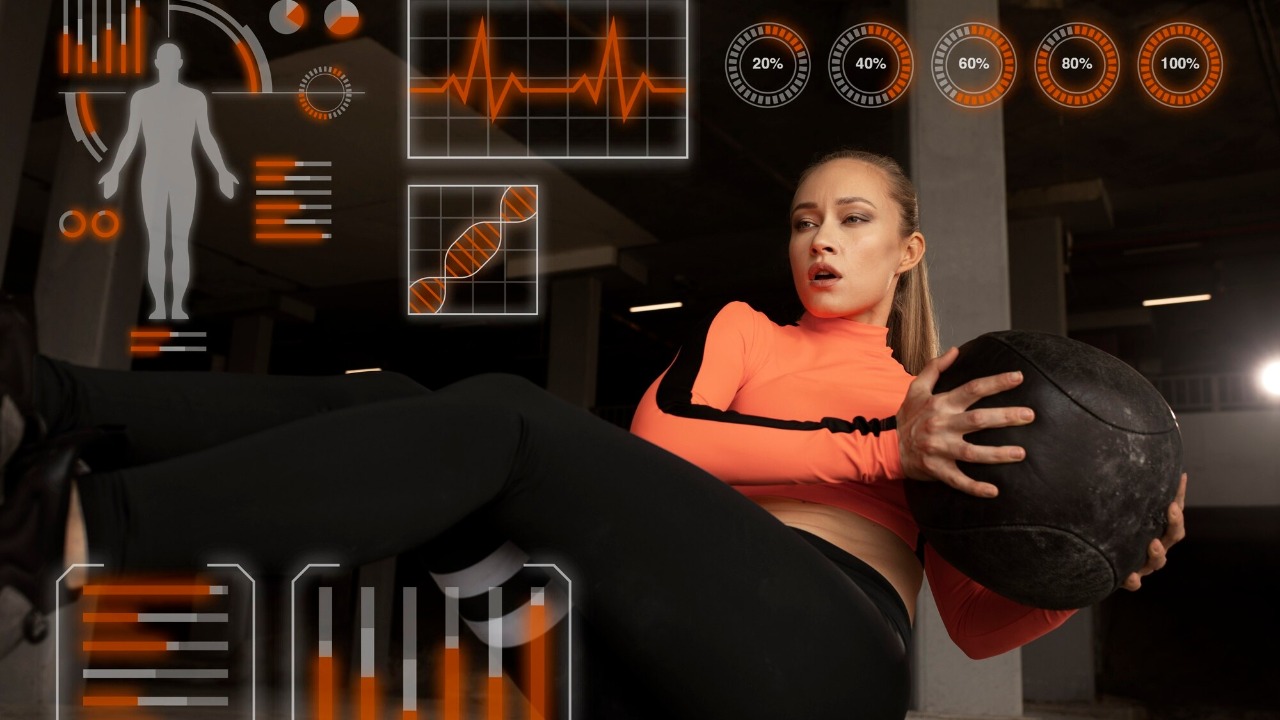
One of the most significant benefits of smart clothing is the ability to provide personalized health insights. By continuously collecting and analyzing data, these garments can offer tailored feedback to users, helping them understand their unique health patterns. This personalized approach enables individuals to make informed decisions about their health and wellness strategies.
Another advantage of smart clothing is the convenience of continuous monitoring. Unlike traditional health tracking devices that need to be worn or carried separately, smart clothes allow for real-time health tracking without additional gadgets. This seamless integration into daily life ensures that users can maintain health monitoring with minimal effort.
Smart clothing also plays a crucial role in enhancing user engagement and motivation. By providing immediate feedback and insights, these garments encourage users to adopt healthier lifestyles. The novelty and innovation of wearing smart clothes can also make health tracking more appealing, increasing adherence to wellness goals and routines.
Challenges and Limitations
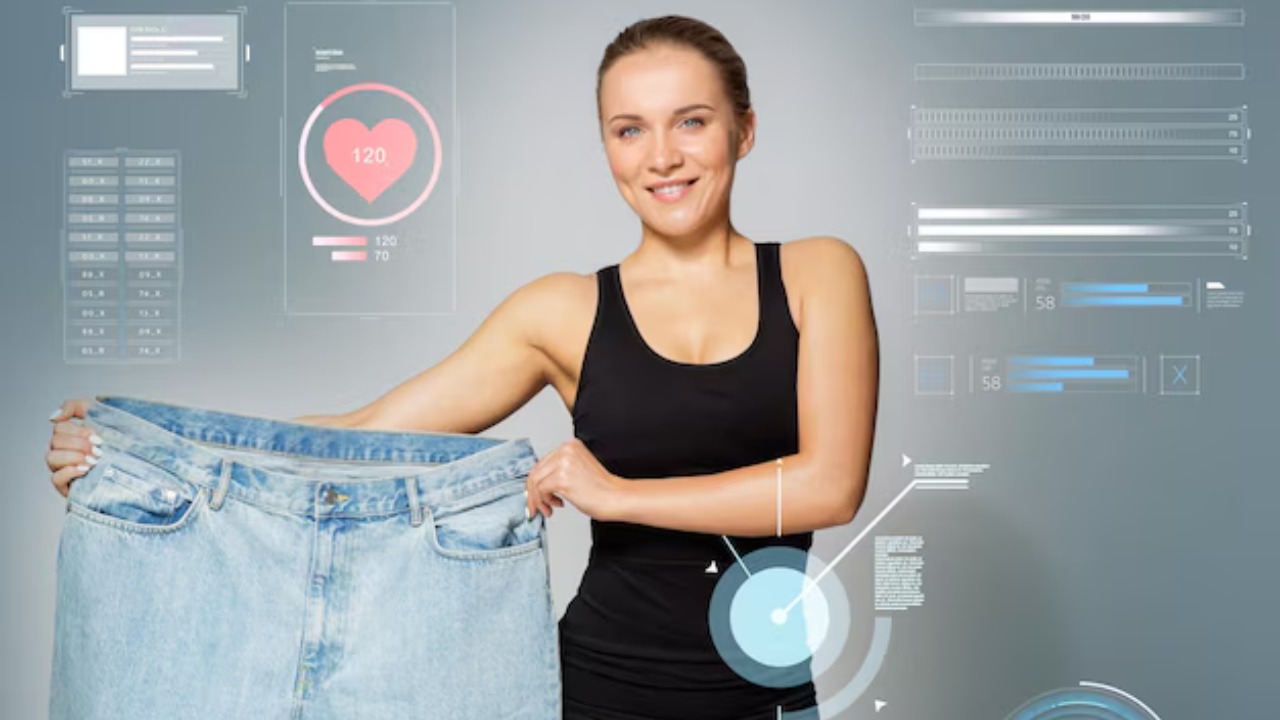
Despite the promising potential of smart clothing, there are several challenges and limitations to consider. Data privacy is a significant concern, as the sensitive health information collected by these garments needs to be protected from unauthorized access. Ensuring the security and privacy of health data is crucial for gaining consumer trust and encouraging widespread adoption of this technology.
Another challenge is ensuring the accuracy and reliability of the health metrics provided by smart clothing. While technology has advanced, there is still work to be done to enhance the precision and consistency of the data collected. Users need to trust that the insights provided are accurate to rely on them for health management.
Cost and accessibility are also barriers to the widespread adoption of smart clothing. The technology required to produce these garments is sophisticated and often expensive, making it less accessible to the average consumer. To overcome this hurdle, manufacturers will need to find ways to reduce costs and make smart clothing more affordable for a broader audience.
Future Prospects and Innovations

The future of smart clothing is bright, with numerous opportunities for integration into healthcare systems. By interfacing with medical devices and health records, smart clothes could provide valuable data to healthcare professionals, aiding in diagnosis and treatment. This integration could lead to more personalized and effective medical care, enhancing patient outcomes.
Emerging technologies are set to further enhance the capabilities of smart clothing. Innovations such as advanced biometric sensors and improved power solutions will allow for even more sophisticated health monitoring. As these technologies develop, smart clothing is likely to become an integral part of everyday health management.
For smart clothing to reach its full potential, consumer adoption and education are essential. Public awareness campaigns and educational initiatives can help demystify the technology and highlight its benefits, encouraging more people to embrace smart clothing as a valuable tool for health tracking. As consumers become more informed, the demand for smart apparel is expected to grow, driving further innovation in the field.
