
As technology progresses at an unprecedented pace, we are left to wonder if traditional phones will eventually become obsolete. This transformation could be driven by emerging technologies and changing societal needs. Let’s explore the potential evolution of communication devices and the implications of living in a phone-less world.
Historical Evolution of Communication Devices

From the telegraph to the smartphone, communication devices have undergone a significant evolution. Initially, communication required physical presence or written correspondence, but technological advancements have bridged these gaps. In the late 20th century, mobile phones revolutionized connectivity. The digital age further transformed phones into multi-functional devices, integrating internet access, photography, and social media.
As our reliance on smartphones grows, the question arises: what comes next? While smartphones have been pivotal in reshaping communication, continual advancements suggest we might be on the cusp of another technological leap that could render traditional phones obsolete.
The Rise of Augmented Reality (AR) and Virtual Reality (VR)

Augmented Reality (AR) and Virtual Reality (VR) are emerging technologies with the potential to redefine how we communicate. These technologies can create immersive experiences, allowing users to interact in virtual environments without the need for traditional screens. As these technologies become more accessible, they could replace phones as the primary communication medium.
The integration of AR and VR into everyday life is already evident, with applications in education, gaming, and remote work. However, further advancements are needed before they can replace the convenience and portability of smartphones. The ongoing development in this field suggests a promising future for communication technologies.
Implantable Technology: The Next Frontier

Implantable technology is being explored as a futuristic alternative to phones. These devices, embedded under the skin, could provide seamless connectivity, allowing users to communicate and access information without external gadgets. Such innovations could revolutionize how we interact with technology and each other.
Challenges remain, such as privacy concerns and public resistance to new technologies. However, the potential for connectivity without physical devices is intriguing. As research continues, implantable technology may become a viable replacement for traditional phones in the not-so-distant future.
The Role of Artificial Intelligence in Future Communication
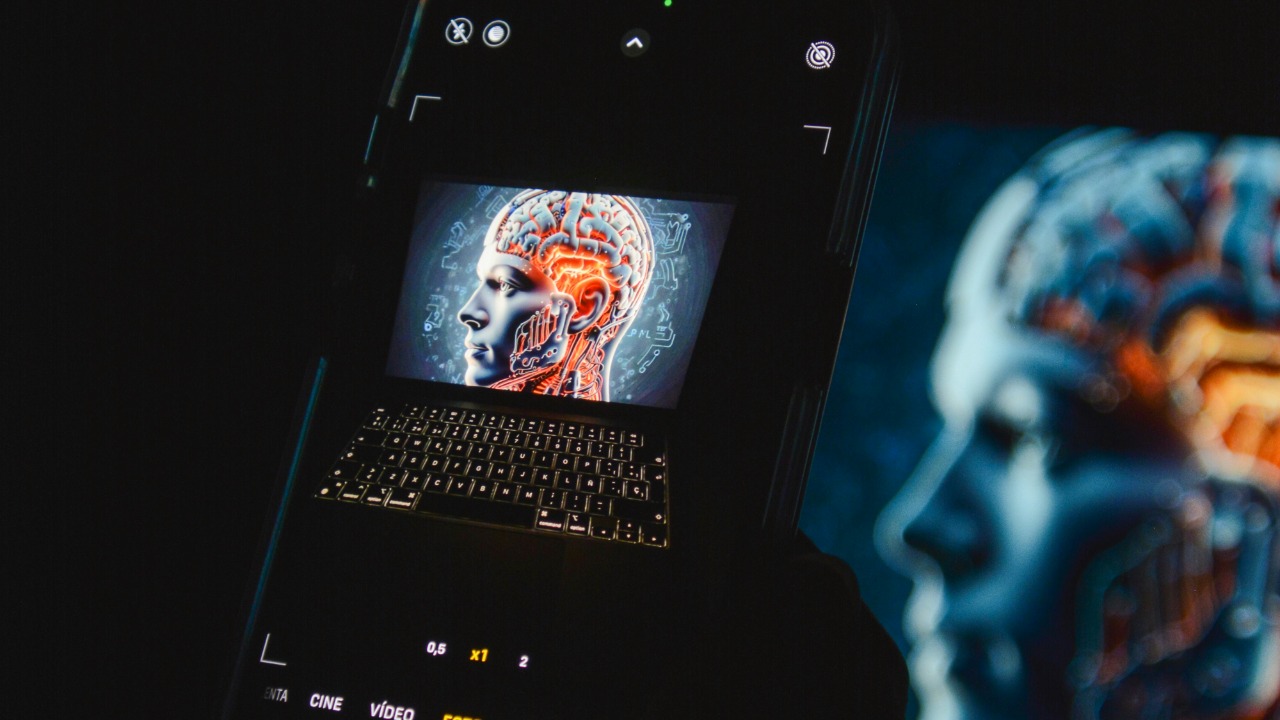
Artificial Intelligence (AI) is poised to play a central role in the evolution of communication. By automating tasks and providing personalized experiences, AI could streamline interactions and make communication more efficient. As AI systems become more sophisticated, they might eliminate the need for traditional phones altogether.
AI-powered assistants and chatbots already offer a glimpse of this future. They can manage tasks, provide information, and facilitate communication across multiple platforms. The integration of AI in communication could lead to more intuitive and efficient interactions without relying on physical devices.
Societal Implications of a Phone-less World

The transition to a phone-less world would have profound societal implications. While it could enhance connectivity and efficiency, it might also pose challenges related to privacy, security, and digital literacy. The shift could reshape social dynamics, with new norms emerging around communication and technology use.
As we navigate this potential future, it’s crucial to consider how these changes might impact different segments of society. Ensuring equitable access to new technologies and addressing potential ethical concerns will be key to realizing the benefits of a phone-less world without exacerbating existing inequalities.
