
In today’s connected world, your car may be sharing your location data without your explicit consent. As technology in vehicles advances, the risk of unintended data sharing increases, leaving many drivers unaware of the potential privacy implications. Understanding how and why this happens is crucial to safeguarding your personal information.
Understanding Vehicle Data Collection

The evolution of vehicle technology has been remarkable, with modern vehicles now equipped with sophisticated data collection systems that can track a wide range of metrics, including location. As cars become more connected, they gather vast amounts of data from various sensors and onboard systems. This data is often used to improve vehicle performance, enhance user experience, and provide valuable insights to manufacturers.
Built-in telematics systems play a crucial role in gathering and transmitting this data, sometimes without the driver’s knowledge. These systems are designed to monitor vehicle health, provide navigation services, and even assist in emergency situations. However, they also collect and transmit location data to automakers and potentially other third parties. The regulatory landscape around vehicle data collection is still evolving, with significant gaps that allow for potential misuse. Current regulations may not adequately address the privacy concerns associated with advanced data collection technologies.
How Your Location Data is Shared
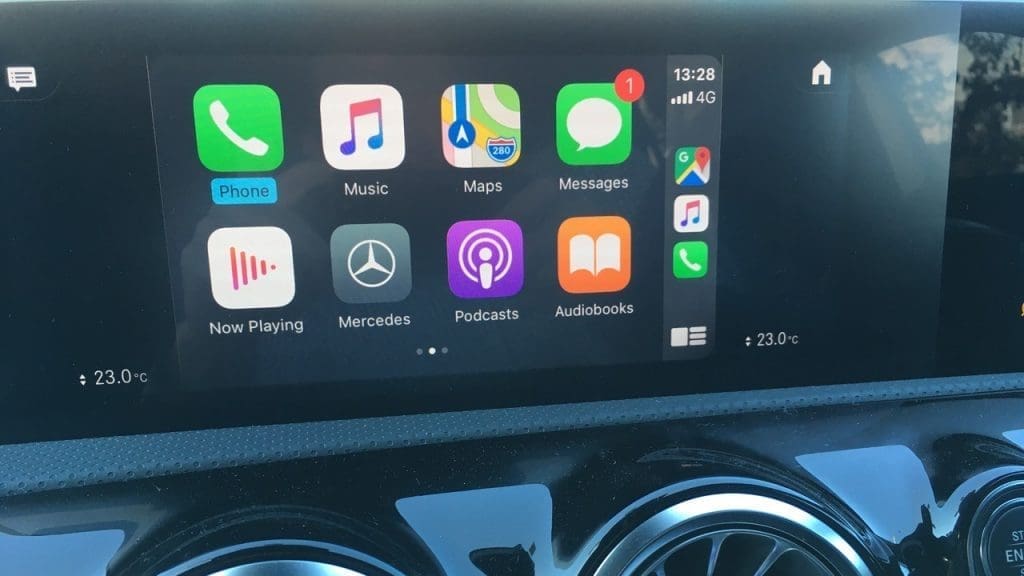
Third-party apps and services connected to your car’s system can access and share location data, often without explicit consent. Many drivers use apps for navigation, car maintenance, or entertainment, which may require access to location information. These third-party applications could potentially share this data with other entities, leading to privacy concerns.
Automaker data practices also play a significant role in how location data is shared. Many automakers have partnerships with businesses and service providers, which may involve sharing location data. While consumer agreements often outline these practices, they may implicitly permit data sharing without explicit user consent. It’s essential for consumers to read and understand these agreements to know how their data is being used.
Privacy Risks and Concerns
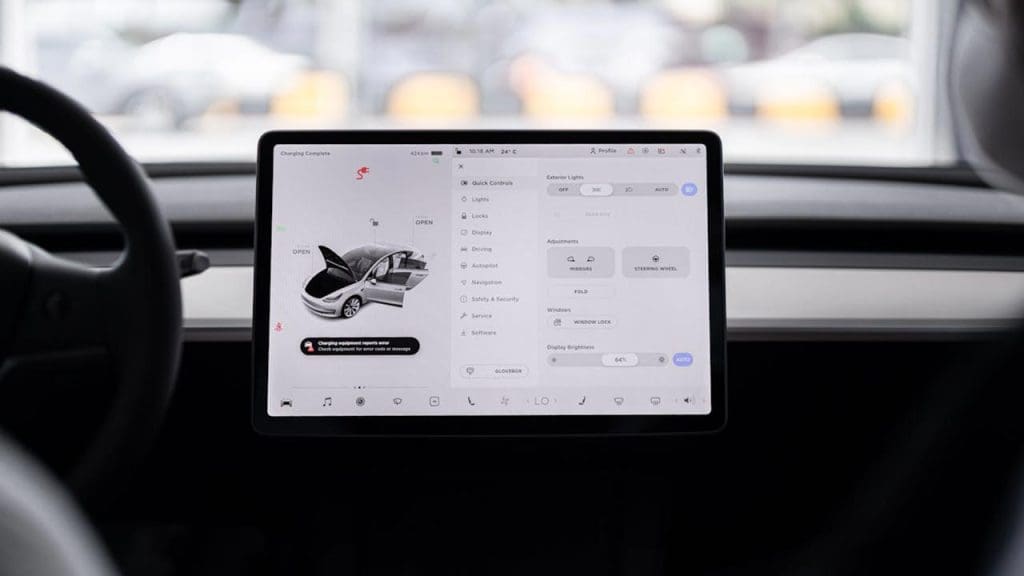
The sharing of location data without consent poses significant personal security implications. If sensitive information falls into the wrong hands, it could lead to stalking, theft, or other criminal activities. Additionally, data breaches are a real threat, with unauthorized parties potentially gaining access to your location history. This misuse of location information can have severe consequences for individuals, compromising their privacy and security.
Moreover, the impact on consumer trust is profound. When drivers learn that their data is being shared without their knowledge, it can lead to a loss of confidence in automakers and their products. This erosion of trust can have significant implications for the automotive industry, as consumers may become more cautious about adopting new technologies that could compromise their privacy.
Protecting Your Location Data
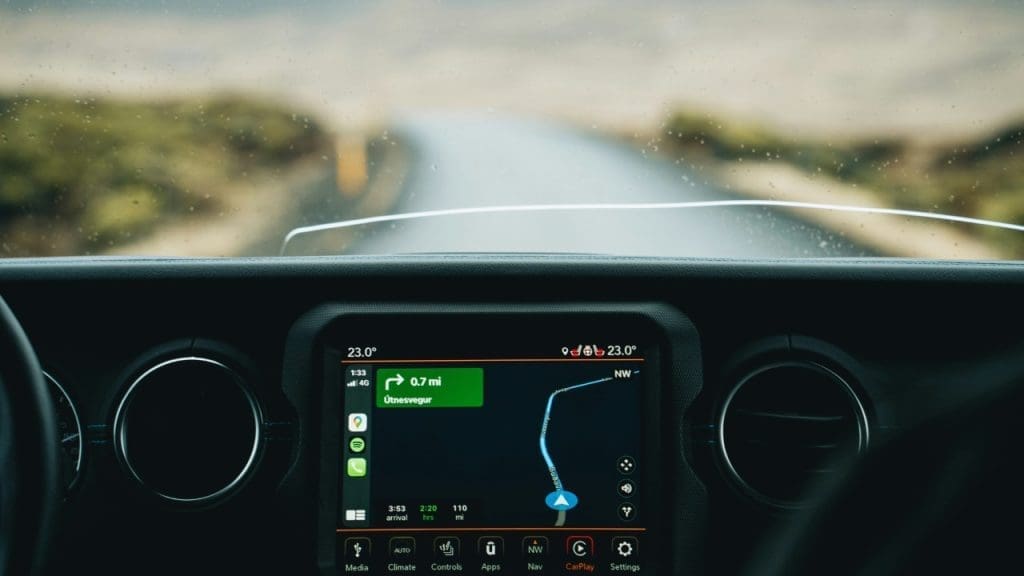
To protect your location data, it’s crucial to be proactive in managing your vehicle’s settings. Disabling location-sharing features in your car’s system settings can help prevent unauthorized data sharing. Many vehicles offer options to turn off tracking features, so it’s worth exploring your car’s manual or settings menu to find these controls.
Managing app permissions is another effective way to safeguard your data. By regularly reviewing the permissions granted to apps connected to your vehicle, you can ensure that only trusted applications have access to your location information. Additionally, consumers can advocate for stronger regulations and greater transparency in data-sharing practices, pushing for reforms that protect their privacy rights.
Technological and Ethical Considerations

As vehicle technology continues to advance, it will undoubtedly influence future data collection and sharing practices. New technologies, such as autonomous driving and enhanced connectivity, will likely increase the volume and complexity of data being collected. Automakers must stay ahead of these developments and consider the ethical implications of their data practices.
The ethical responsibility of automakers in protecting consumer data and ensuring transparency cannot be overstated. Companies must prioritize consumer privacy and implement robust measures to safeguard data. At the same time, consumers play a vital role in this ecosystem. By staying informed and taking proactive measures to protect their data, individuals can contribute to a safer and more secure environment for all drivers.
