The United States is taking giant leaps towards investing in space-based solar power. This move carries with it a wealth of potential benefits, as well as a set of challenges, and could potentially transform the energy sector as we know it.
Understanding Space-Based Solar Power
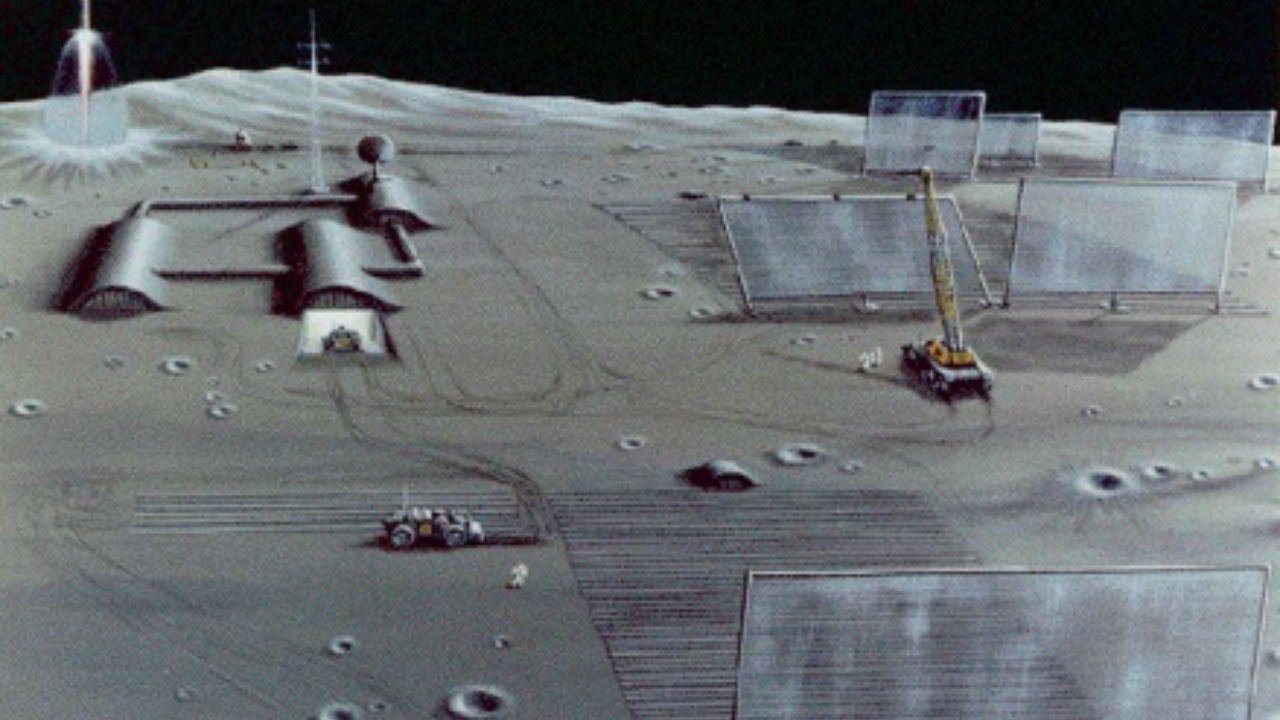
Space-based solar power (SBSP) refers to the concept of collecting solar power in outer space and distributing it on Earth via microwaves or lasers. The idea is to take advantage of the unobstructed sunlight in space, which can generate power twenty-four hours a day, unlike terrestrial solar power systems that rely on daytime and clear weather conditions.
The concept of SBSP isn’t new. It was first proposed by science fiction author Isaac Asimov in the 1940s and was later studied by NASA and the U.S. Department of Energy in the 1970s and 1990s. However, it is only recently that technological advancements have made it possible to consider this form of energy generation seriously. For a more detailed historical background of SBSP, you can visit The Space Review.
Reasons for U.S. Investment in Space-Based Solar Power

The increasing demand for renewable and efficient energy sources is one of the major drivers behind the U.S.’s investment in SBSP. With traditional energy sources like fossil fuels depleting and their environmental impact becoming more evident, the search for clean, renewable energy has become more urgent than ever.
Beyond its renewable nature, SBSP also offers the promise of energy security and independence. This form of power generation allows the U.S. to decrease its dependence on foreign energy resources, potentially reducing political tensions and promoting national security. Furthermore, the development of SBSP technology could spur innovation and technological advancements, further strengthening the U.S. position as a global leader in space and energy technologies.
Benefits of Space-Based Solar Power
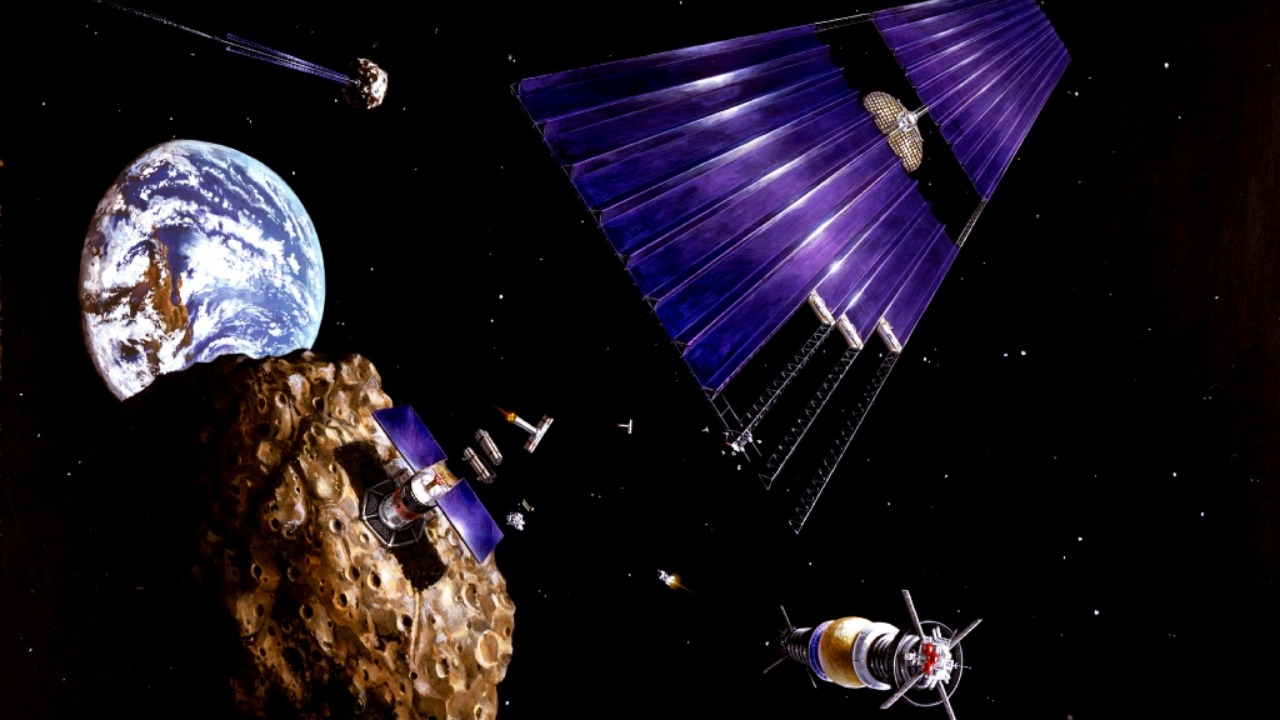
One of the most significant advantages of SBSP is its ability to provide a constant power supply. Unlike terrestrial solar power, SBSP is not affected by the Earth’s rotation or weather conditions, which means it can generate power continuously. This feature could prove particularly beneficial for areas prone to power outages or those that require a stable energy supply, like hospitals and data centers.
In addition to its reliability, SBSP also presents notable environmental benefits. It could significantly reduce carbon emissions compared to traditional energy sources, contributing to the fight against climate change. Moreover, since SBSP systems are located in space, they require less land compared to traditional power plants, preserving natural habitats on Earth. Lastly, SBSP could potentially deliver power to remote or inaccessible areas, a feat that would be challenging using traditional power infrastructure.
Challenges and Solutions in Implementing Space-Based Solar Power

Despite its potential benefits, implementing SBSP is not without its hurdles. Technologically, it requires advanced systems to harness and transmit energy from space, which are currently still being developed. Economically, the upfront costs of launching and installing SBSP systems are high. However, potential solutions are being explored, such as the use of reusable rockets to reduce launch costs or the development of cost-effective energy transmission technologies. For more on this topic, check out this Springer chapter.
Regulatory, safety, and security issues also need to be addressed. This includes ensuring the safe transmission of energy from space to Earth and dealing with potential threats to the SBSP systems, such as space debris or cyberattacks. Working out these details will require cooperation between various stakeholders, including governments, private companies, and international organizations.
The Future of Space-Based Solar Power
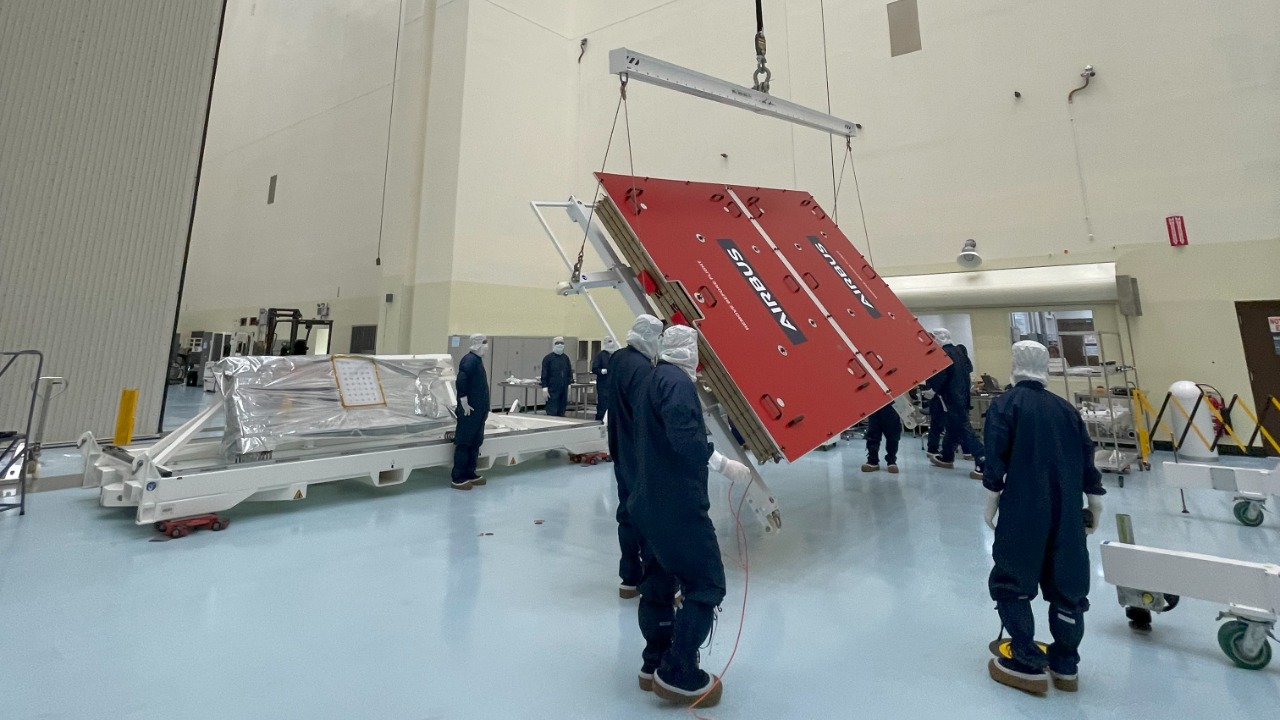
Ongoing research and developments in SBSP are promising. From technological innovations to potential applications, the field is rapidly evolving. The involvement of private companies, such as SpaceX and Blue Origin, in space technologies could also boost the development of SBSP.
At the international level, cooperation is essential. Countries can pool resources and expertise to overcome the technical and economic challenges of SBSP. In addition, the potential impacts of SBSP on the U.S. economy and the global energy landscape are considerable. It could create new jobs, stimulate economic growth, and contribute to a more sustainable and secure energy future. For a glimpse at the future of SBSP, visit NCSC.
