The F-15 Eagle, despite its age, continues to outperform many of its newer counterparts in the skies. With its combination of speed, agility, and advanced technology, this fighter jet remains a formidable force in modern air combat. Exploring the reasons behind the F-15’s enduring success reveals its significant impact on contemporary military aviation.
Proven Combat Record
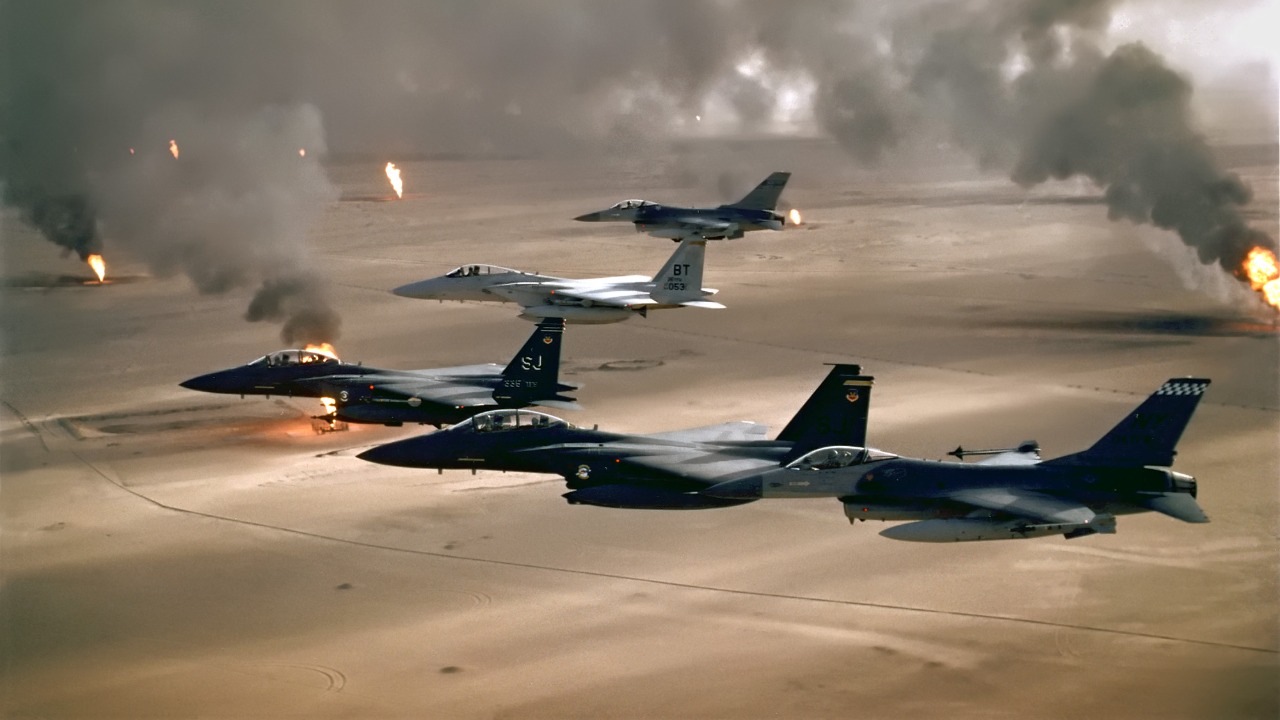
The F-15 Eagle has an unparalleled combat record with over 100 confirmed air-to-air victories and no losses, a testament to its design and effectiveness. This remarkable history of success has not only solidified the F-15’s reputation as a dominant force in air superiority but also provided invaluable psychological advantages. The aircraft’s legacy instills confidence among pilots and allies while effectively deterring adversaries who recognize its proven capabilities in combat.
The reliability and longevity of the F-15 are key factors in its continued operational effectiveness. Its robust design, coupled with continuous upgrades, has allowed it to remain a relevant player in the modern aerial battlefield for decades. This reliability ensures that the F-15 is always ready to meet the demands of various missions, further enhancing its status as a formidable aerial combatant.
Technological Evolution
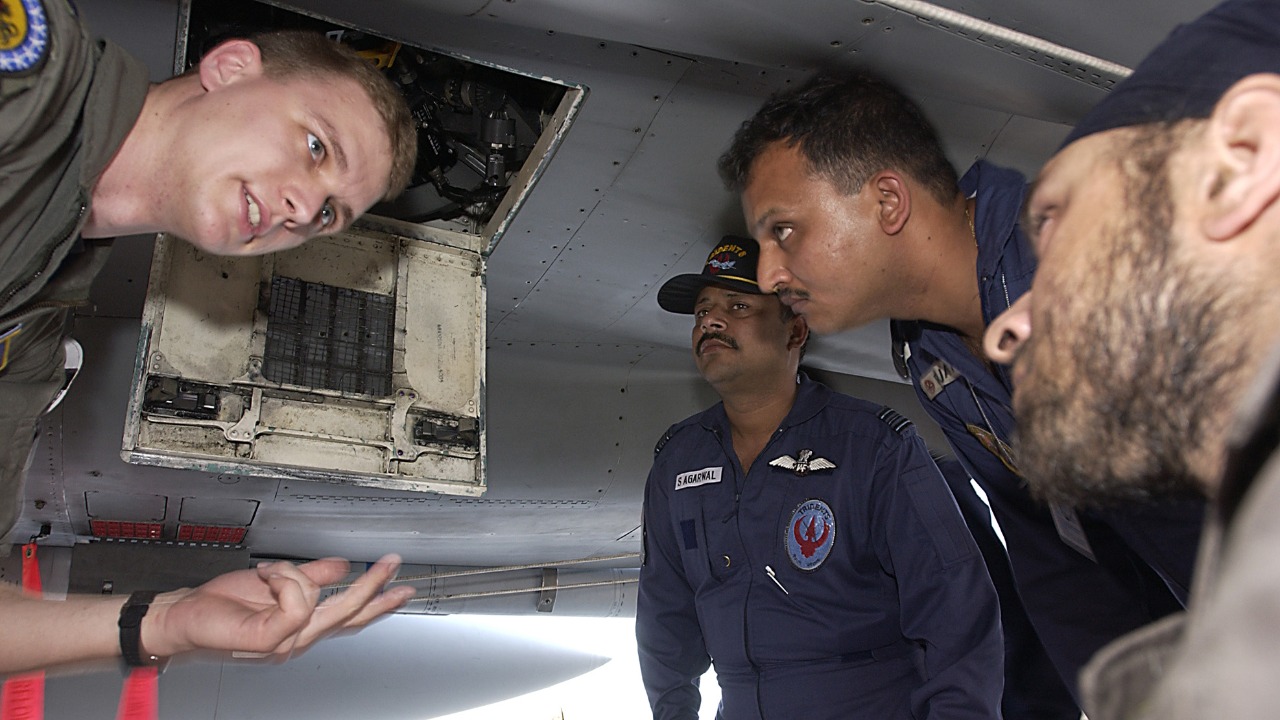
Continuous upgrades have kept the F-15 relevant against newer jets. The integration of advanced avionics, radar systems, and weaponry has allowed the aircraft to maintain its edge in the skies. By constantly incorporating cutting-edge technology, the F-15 adapts to evolving threats and challenges, ensuring its performance and mission capabilities remain at the forefront of military aviation.
The adaptability of the F-15’s design plays a crucial role in its enduring success. This flexibility allows for the seamless incorporation of new technologies, enhancing its performance and expanding its mission capabilities. As a multirole fighter, the F-15 can perform various missions, from air superiority to ground attacks, making it a versatile and valuable asset to any military force.
Cost-Effectiveness
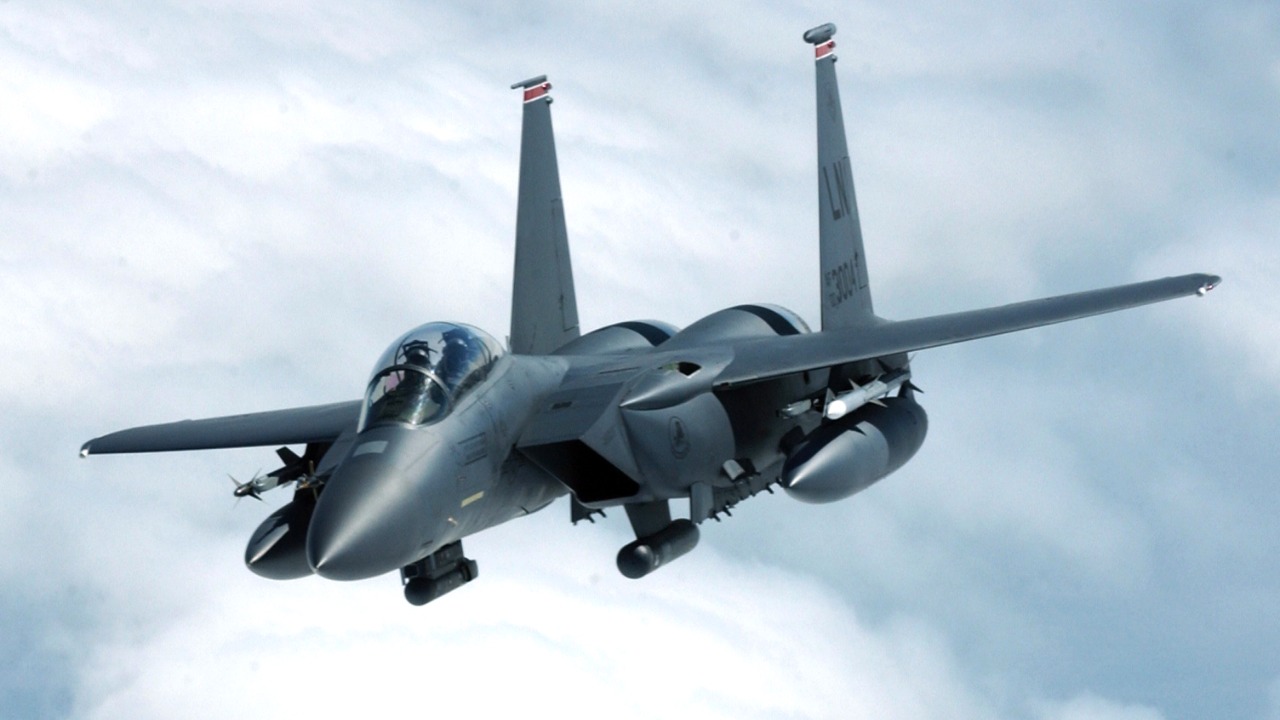
From a financial perspective, the F-15 offers significant advantages through economical upgrades. The cost of updating existing F-15s is considerably lower than developing new aircraft, offering substantial budgetary savings. This cost-effectiveness is a crucial factor for military planners who must balance performance with fiscal responsibility.
Additionally, the F-15 benefits from an established supply chain and maintenance protocols, which reduce operational costs and downtime. This efficiency not only ensures the aircraft’s readiness but also contributes to its overall value as a long-term investment. The longevity and sustained performance of the F-15 provide a significant return on investment, making it an attractive option for military budgets.
Pilot Preference
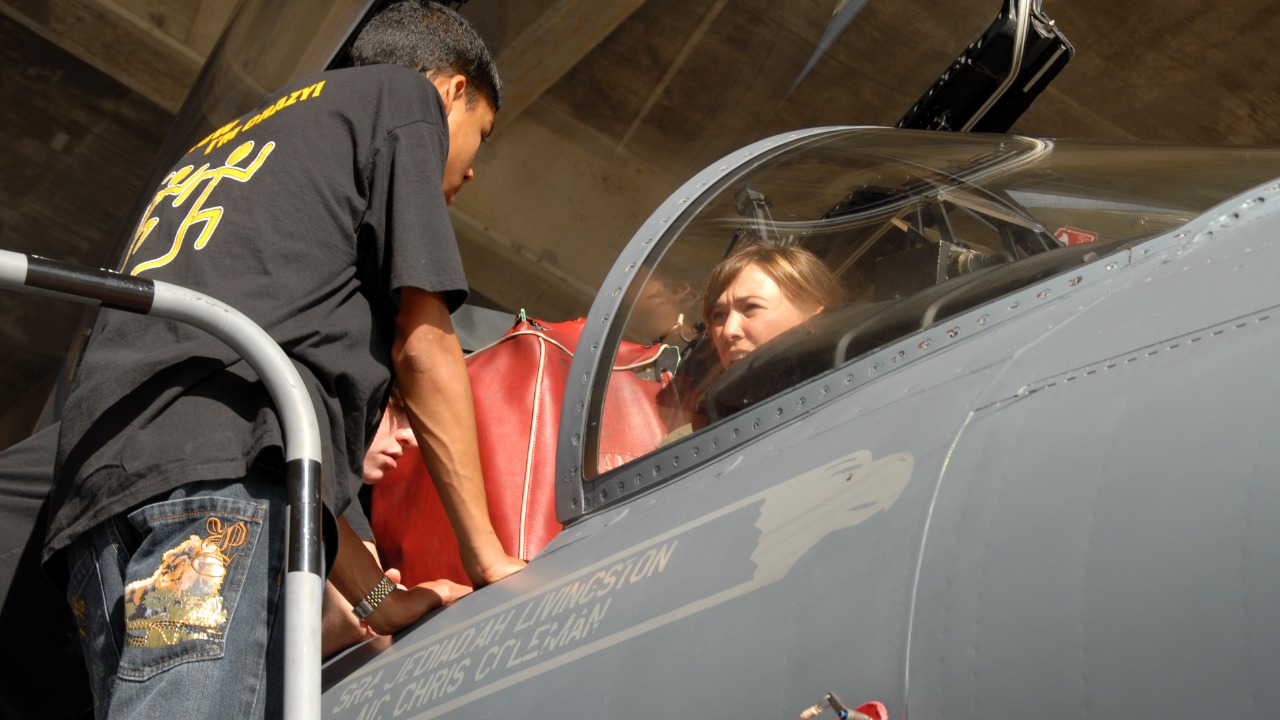
Pilots often express a strong preference for the F-15 due to its superior handling characteristics. The aircraft’s agility and responsiveness contribute significantly to its combat effectiveness, allowing pilots to execute complex maneuvers with confidence. This preference is further enhanced by modernized cockpits and systems that provide critical information, improving situational awareness and decision-making in high-stress situations.
The F-15’s user-friendly design also accelerates pilot training and skill acquisition. This efficiency reduces the time required for pilots to become proficient, ensuring high levels of proficiency across the board. The combination of these factors makes the F-15 a favorite among pilots, further contributing to its enduring success in military operations.
Strategic Implications
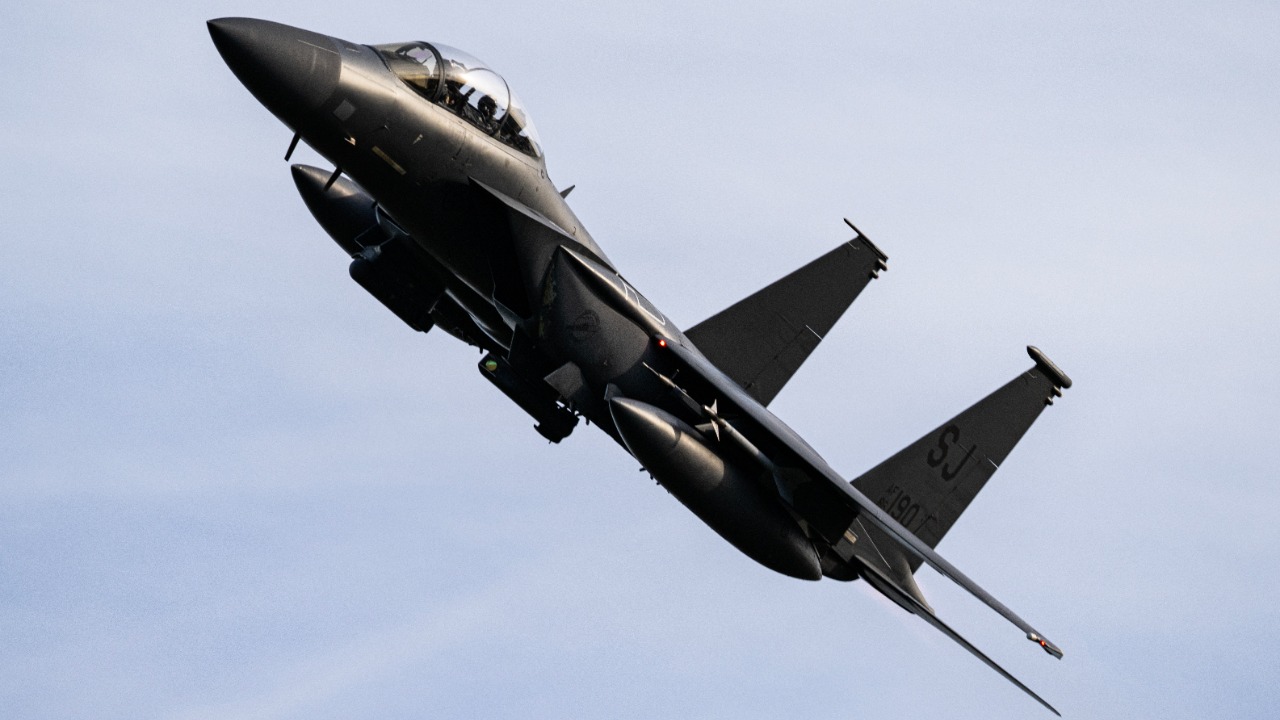
The F-15 serves as a force multiplier, enhancing the overall effectiveness of air operations and supporting strategic objectives. Its capabilities allow it to integrate seamlessly into diverse mission profiles, providing crucial support to broader military strategies. The presence of the F-15 in a military arsenal serves as a powerful deterrent to potential adversaries, underscoring its strategic significance.
As the global security landscape evolves, the F-15’s adaptability ensures its continued relevance in future conflicts and defense strategies. Its ability to incorporate new technologies and adapt to changing threats ensures that it will remain a cornerstone of military aviation for years to come, continuing to play a vital role in securing air superiority and supporting national defense objectives.
