Tesla’s Supercharging network is often touted as one of the company’s most significant competitive advantages in the electric vehicle market. By offering fast, reliable, and widespread charging options, Tesla has addressed one of the major concerns of electric vehicle owners: range anxiety. Let’s dive into the intricacies of Tesla’s Supercharging system and explore why it remains a pivotal factor in Tesla’s dominance in the EV industry.
The Evolution of Tesla’s Supercharging Network
Early Beginnings and Expansion
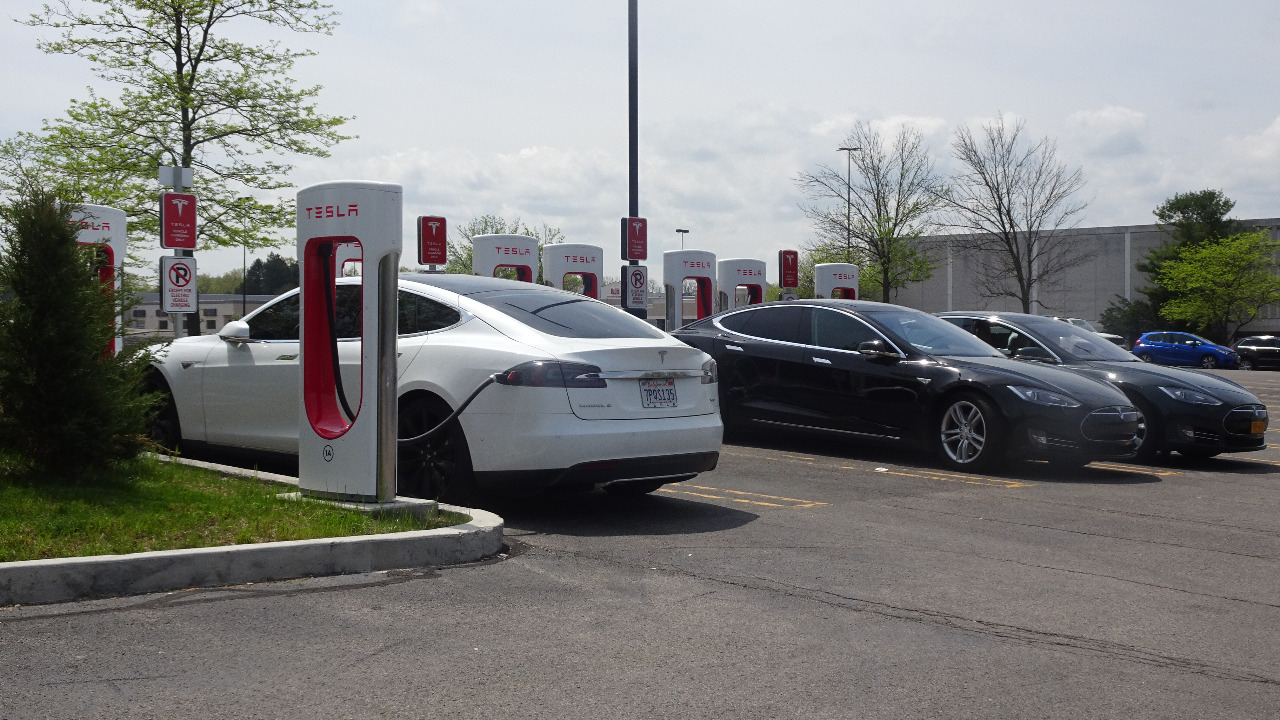
The inception of Tesla’s Supercharging network marked a pivotal moment for the brand and the EV industry as a whole. The first Supercharger stations were launched in 2012, strategically placed to facilitate long-distance travel for Tesla owners. These initial stations were primarily located along major highways in the United States, ensuring that early adopters of Tesla vehicles could travel without the fear of running out of charge.
Since then, Tesla has significantly expanded its network globally. The company’s expansion efforts have been relentless, with thousands of Supercharger stations now spread across North America, Europe, and Asia. Tesla’s strategy of increasing the density and reach of its network has been instrumental in maintaining its lead in the EV market, making it easier for Tesla owners to find a Supercharger no matter where their journey takes them.
Technological Advancements
Tesla’s Superchargers have come a long way since their introduction, thanks to continuous technological innovation. The evolution from the early Supercharger models to the latest V3 Superchargers has been a game-changer. V3 Superchargers can deliver charging rates of up to 250 kW, reducing the time it takes to charge a vehicle significantly. This advancement means that a Tesla Model 3, for example, can gain up to 75 miles of range in just five minutes.
Furthermore, Tesla has also focused on software advancements to enhance charging efficiency. Over-the-air updates have optimized charging speeds and improved energy management, allowing for shorter charging sessions and increasing the overall throughput of the network. These technological strides underscore Tesla’s commitment to maintaining its leadership in the EV charging space.
The Strategic Importance of Superchargers
Addressing Range Anxiety
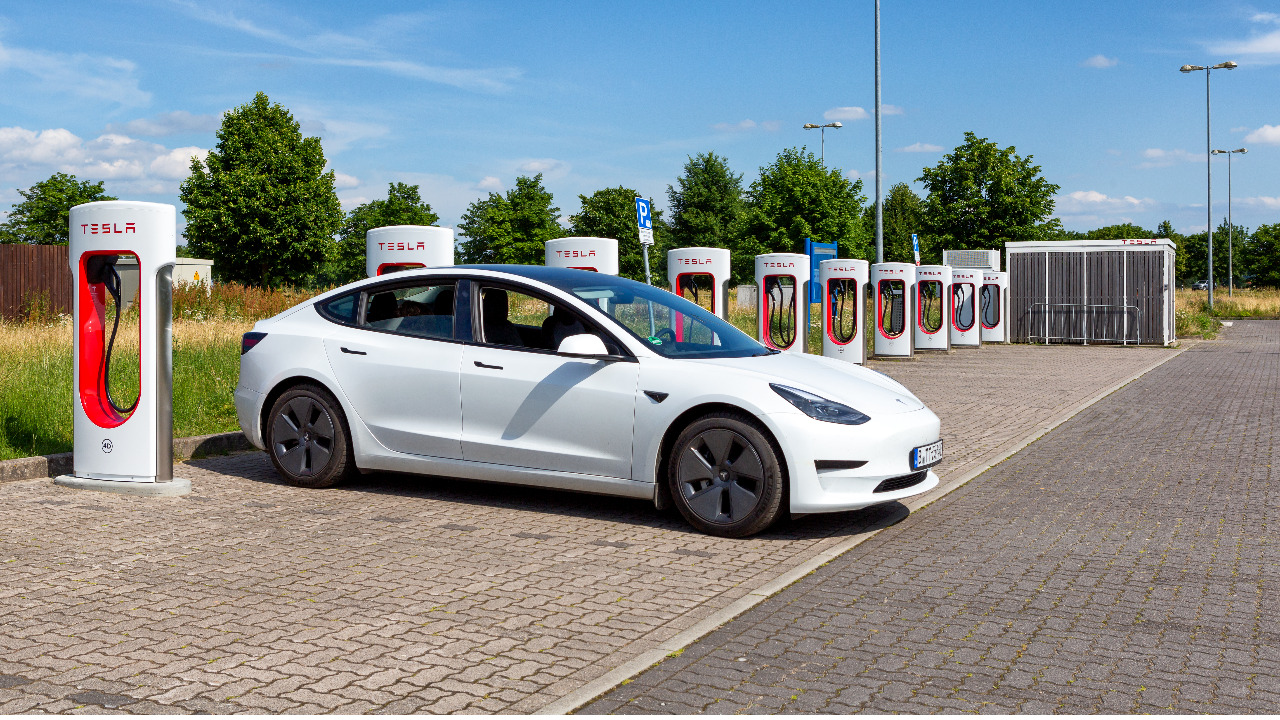
One of the primary concerns for potential electric vehicle buyers is range anxiety, the fear of running out of power before reaching a charging station. Tesla’s Supercharging network effectively addresses this concern by providing a reliable and convenient charging solution. The psychological impact of having an extensive and accessible charging network cannot be overstated, as it reassures potential buyers of the feasibility of long-distance travel in an EV.
When comparing Tesla’s charging infrastructure to that of its competitors, the difference in availability and convenience becomes apparent. While other manufacturers are working to develop their networks, Tesla’s head start and ongoing investment in Superchargers give it a substantial advantage. This advantage is evident in the widespread adoption and customer satisfaction among Tesla owners, who appreciate the ease of access to charging facilities.
Market Differentiation and Brand Loyalty
Tesla’s Superchargers are not just a practical utility; they play a crucial role in enhancing the brand’s appeal and customer loyalty. The convenience and reliability of the Supercharging network contribute significantly to customer satisfaction, ensuring that Tesla owners are more likely to remain loyal to the brand when considering future vehicle purchases.
In a competitive EV market, the Supercharging network serves as a unique selling proposition for Tesla. While other automakers are working to develop their charging solutions, Tesla’s established network and ongoing improvements make it a standout choice for EV buyers. This differentiation helps Tesla maintain its position as a leader in the electric vehicle industry.
Challenges and Criticisms of the Supercharging Network
Compatibility and Interoperability Issues
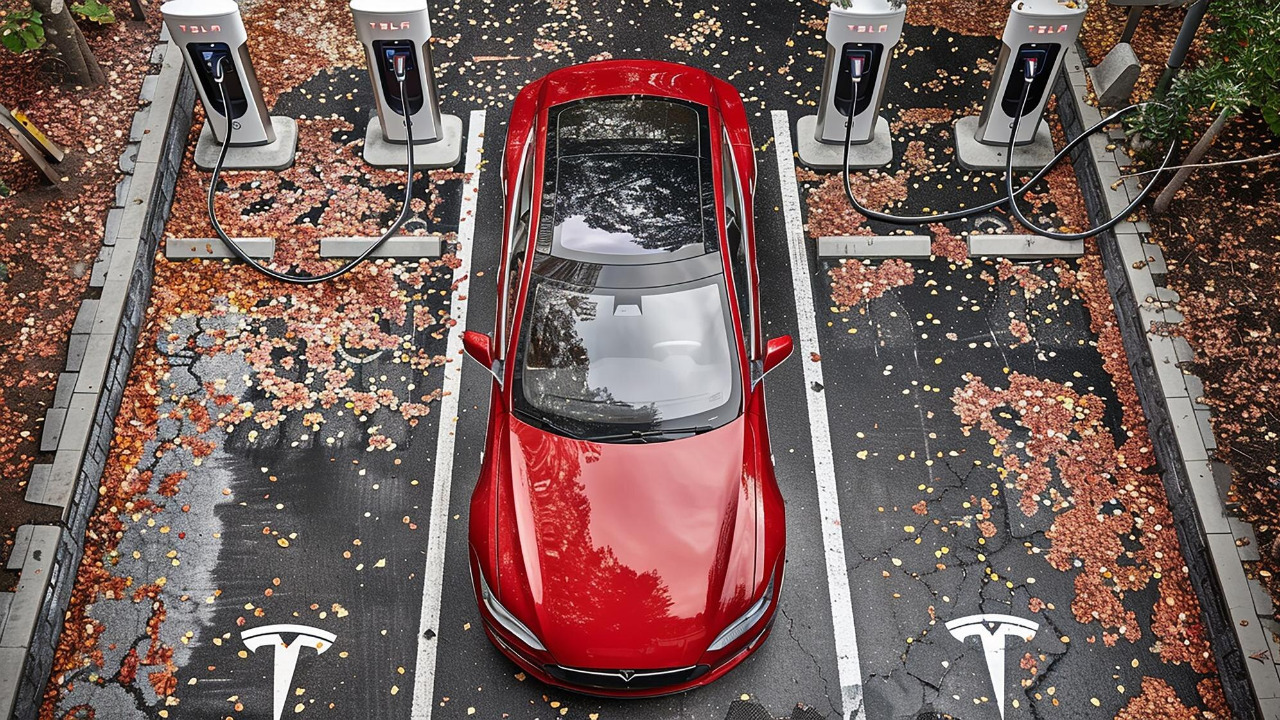
Despite its many advantages, Tesla’s Supercharging network is not without its challenges. One notable issue is the compatibility and interoperability with non-Tesla electric vehicles. For years, Tesla’s proprietary charging connector limited access to its Superchargers, leaving owners of other EV brands in the lurch. However, Tesla has announced plans to open its network to non-Tesla vehicles, which could help address these compatibility concerns.
The use of adapters may provide a temporary solution, but it comes with its own set of complexities and inconveniences. According to reports, some non-Tesla owners have experienced difficulties using adapters at Supercharger stations, highlighting the need for industry-wide standards in charging technology.
Infrastructure and Capacity Concerns
As the number of Tesla vehicles on the road continues to grow, the Supercharging network faces logistical and operational challenges. Popular Supercharger stations often experience congestion and wait times, particularly during peak travel periods. This strain on the network can frustrate users and diminish the overall experience.
Tesla is aware of these challenges and is actively working on solutions to mitigate them. The company has plans to expand its network further and increase the capacity of existing stations. Additionally, Tesla’s investments in renewable energy and grid technologies could play a role in reducing congestion and ensuring the network can handle increased demand in the future.
Future Prospects and Innovations
Ongoing and Planned Developments
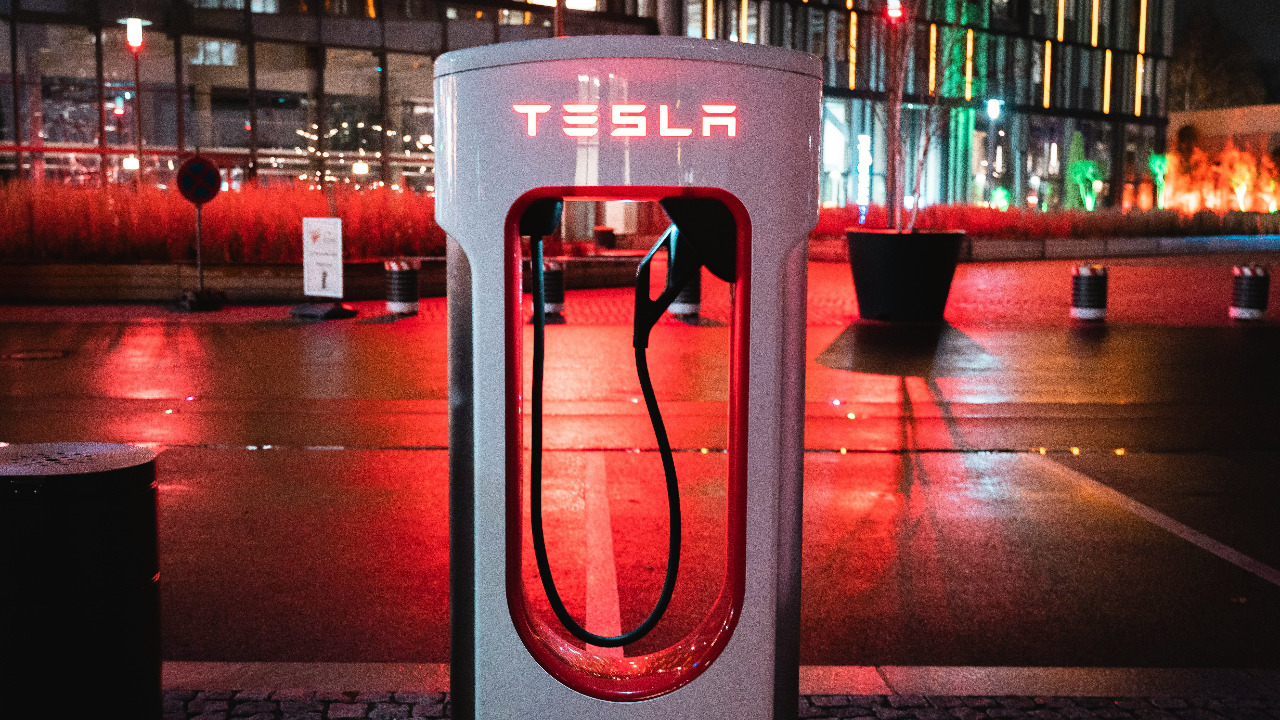
Looking ahead, Tesla’s Supercharging network is poised for continued growth and innovation. The company has ambitious plans to expand its network, with a focus on increasing the number of stations and enhancing charging speeds. These efforts are crucial to maintaining its competitive edge and ensuring that Tesla remains the top choice for EV buyers.
Regulatory changes and policies, such as those discussed in the Reuters article, may influence the future of Tesla’s Supercharging network. However, Tesla’s adaptability and commitment to innovation suggest that it will continue to thrive and evolve in response to changing market conditions.
Integration with Renewable Energy and Grid Technologies
Tesla’s vision for the future includes integrating its Supercharger stations with sustainable energy solutions. The company has already started installing solar panels and battery storage systems at some Supercharger locations, with the goal of making them energy self-sufficient. This integration not only aligns with Tesla’s environmental goals but also reduces the strain on the electrical grid.
Moreover, Tesla’s exploration of vehicle-to-grid technologies could revolutionize energy usage and further enhance the sustainability of its Supercharging network. By allowing vehicles to return energy to the grid when not in use, Tesla could create a more efficient and balanced energy ecosystem, benefiting both consumers and utility providers.
