Tesla’s ambitious plan to introduce a $25,000 electric vehicle (EV) has the potential to revolutionize the automotive industry. This affordable model could make electric cars accessible to a broader audience and significantly impact global markets, driving the transition toward sustainable transportation.
Tesla’s Vision for Affordable EVs
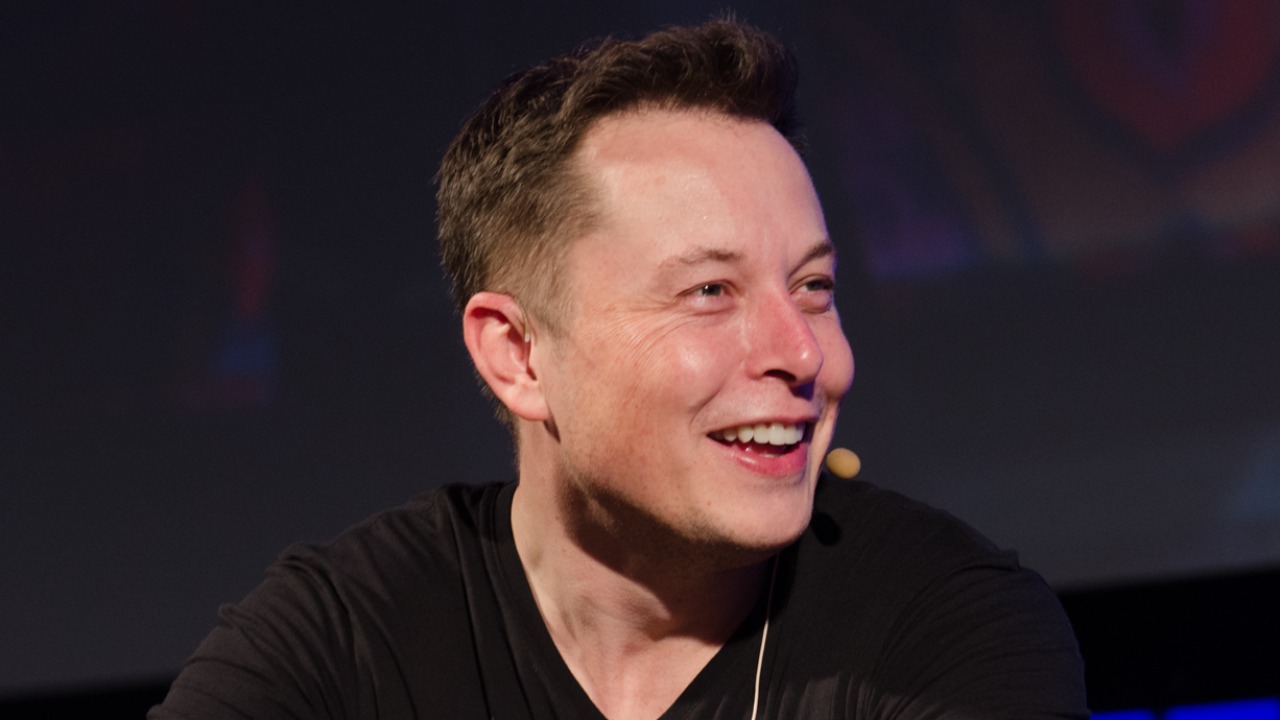
Breaking the cost barrier in the EV market is no small feat, but Tesla’s strategy focuses on reducing manufacturing costs to introduce a more affordable model. For years, Tesla has been working on refining its production processes, including optimizing its Gigafactories to increase efficiency and reduce waste. By focusing on economies of scale and leveraging advanced automation, Tesla aims to lower production costs significantly. The introduction of a $25,000 model aligns with Elon Musk’s long-term vision of making electric vehicles affordable for the masses, accelerating the world’s transition to sustainable energy.
Innovative manufacturing techniques are central to Tesla’s plan to achieve this price point. The company is investing heavily in advancements in battery technology, such as its new 4680 battery cells, which promise higher energy density and lower production costs. These efforts are complemented by streamlined production processes that reduce the complexity of vehicle assembly. By simplifying vehicle design and utilizing cutting-edge technology, Tesla aims to produce more vehicles at a lower cost, making the $25,000 model a reality. Moreover, these innovations could set a new standard in the industry, pushing competitors to rethink their production strategies.
The potential market expansion for a $25K Tesla is immense. This price point opens up new demographics and markets, making electric vehicles a viable option for consumers who previously found them unaffordable. As more people gain access to EVs, the demand for traditional internal combustion engine vehicles is expected to decline, further driving the global shift toward sustainable transportation. In regions where affordability is a major barrier to EV adoption, Tesla’s new model could catalyze significant changes in consumer behavior and market dynamics.
Impact on the Automotive Industry
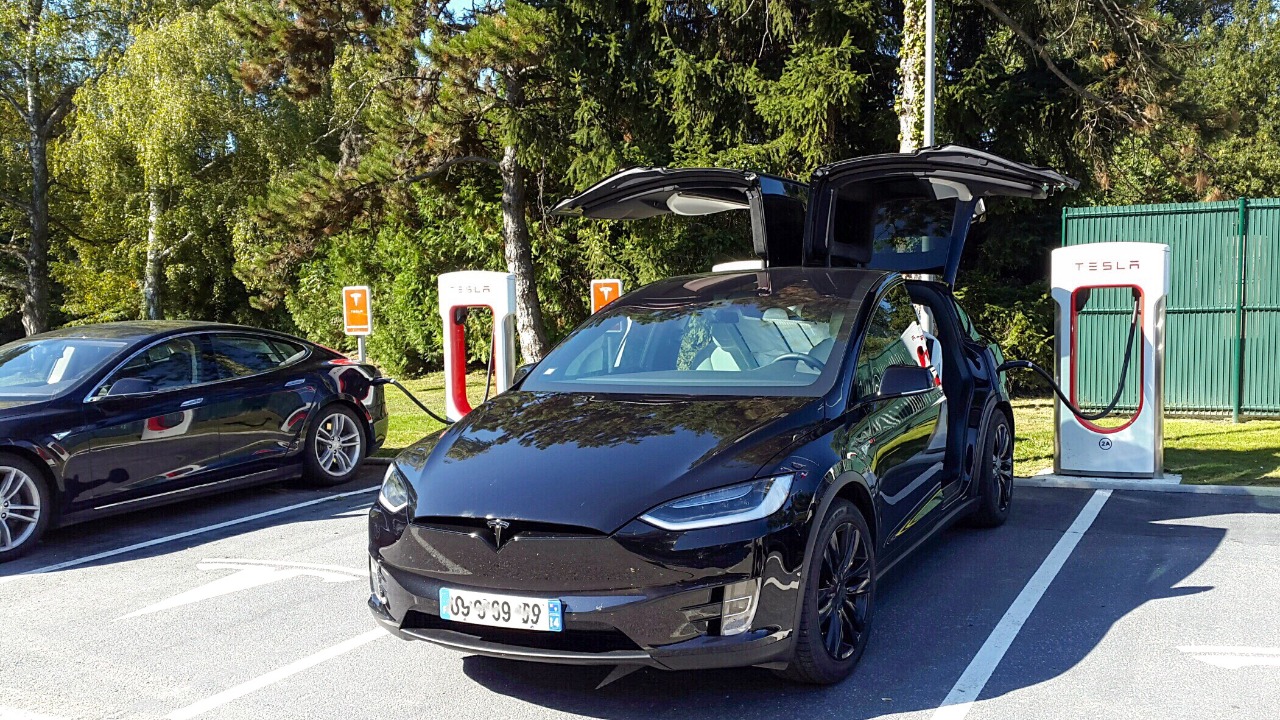
The introduction of a low-cost Tesla is likely to exert considerable competitive pressure on other automakers. As Tesla sets a new benchmark for affordability in the EV market, traditional automotive companies may be forced to lower their prices and innovate to keep pace. This could lead to a wave of advancements in vehicle technology and a reduction in the overall cost of electric vehicles. As automakers strive to remain competitive, consumers stand to benefit from increased choice and better value for their money.
Supply chain dynamics are also expected to shift in response to the growing demand for affordable EV components. Suppliers will need to adapt to meet the needs of manufacturers like Tesla, who require high-quality materials and components at lower prices. This could lead to increased investment in research and development, as suppliers seek to innovate and differentiate themselves in a rapidly evolving market. Furthermore, the push for more affordable EVs could drive collaboration between companies across the supply chain, fostering a more integrated and efficient industry.
Regulatory influence is another area where Tesla’s move could have a significant impact. Governments around the world are implementing policies and regulations aimed at reducing carbon emissions, and the introduction of a $25K Tesla aligns well with these goals. As more affordable EVs become available, governments may intensify efforts to promote their adoption through incentives and subsidies. Tesla’s initiative could also encourage policymakers to update infrastructure and regulatory frameworks to support the growing number of electric vehicles on the roads.
Environmental and Social Implications
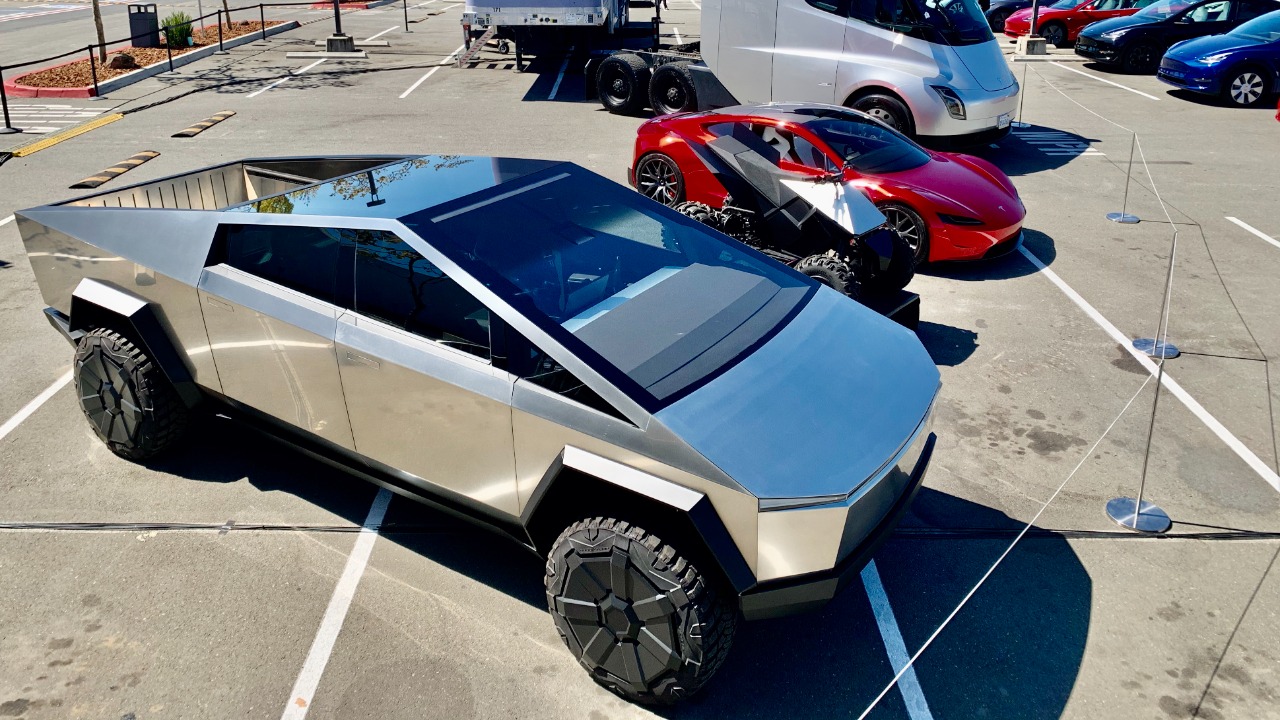
By offering a more affordable EV, Tesla could accelerate the adoption curve of electric vehicles, hastening the transition from internal combustion engines to more sustainable alternatives. This shift not only supports global efforts to combat climate change but also has the potential to transform the automotive landscape. With greater access to affordable EVs, consumers can make environmentally conscious choices without compromising on budget, contributing to a cleaner, greener future.
Reducing the carbon footprint is a key advantage of increased EV adoption. As more consumers switch from gasoline-powered vehicles to electric ones, the potential impact on global carbon emissions and air quality could be profound. By lowering the barrier to entry for EVs, Tesla is enabling broader participation in the fight against climate change, potentially leading to significant improvements in urban air quality and public health.
The economic opportunities associated with the growth of the EV sector are also worth noting. As demand for electric vehicles rises, so too does the potential for job creation and economic growth. From manufacturing to infrastructure development, the expansion of the EV market could stimulate investment and innovation, creating new jobs and driving economic progress. The ripple effects of a thriving EV industry could benefit not only automakers and suppliers but also local economies and communities.
Challenges and Controversies
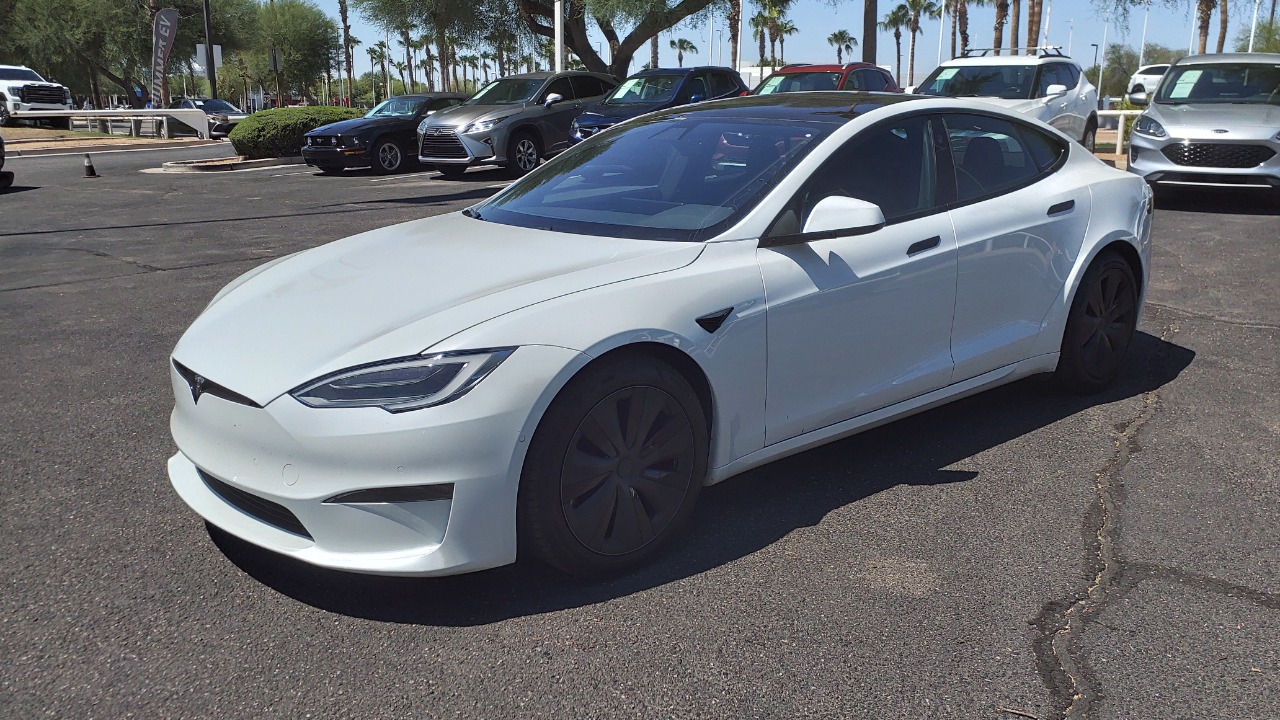
Despite the potential benefits, there are challenges and controversies surrounding Tesla’s ability to deliver a quality product at the $25,000 price point. Market skepticism persists, with some questioning whether Tesla can maintain its reputation for high-performance vehicles while lowering costs. Critics argue that achieving this balance may require compromises in quality or features, potentially affecting customer satisfaction and brand perception. However, Tesla’s track record of overcoming production challenges and delivering innovative products suggests that the company is well-equipped to address these concerns.
Infrastructure and support are critical components of the EV ecosystem, and the expansion of Tesla’s affordable model could highlight the need for enhanced charging infrastructure and service networks. As more consumers adopt electric vehicles, the demand for convenient and reliable charging options will grow. Tesla and other stakeholders will need to invest in expanding charging infrastructure to ensure that the growing fleet of affordable EVs can be adequately supported. Additionally, service networks will need to be scaled to accommodate the increased number of vehicles on the road.
Potential regulatory hurdles could also pose challenges for Tesla. As seen in the recent California sales dispute, legal and regulatory challenges can impact Tesla’s operations and market access. Navigating these hurdles will require careful strategic planning and collaboration with policymakers to ensure compliance with evolving regulations. Tesla’s ability to adapt to these challenges will be crucial to the success of its $25,000 model.
Future Prospects and Innovations

Looking ahead, technological breakthroughs in autonomous driving and connectivity features could further enhance the appeal of Tesla’s more affordable models. As the company continues to innovate, features like advanced driver assistance systems and seamless connectivity may become standard in lower-priced vehicles, offering consumers an attractive blend of affordability and cutting-edge technology. These advancements could redefine consumer expectations and set new standards in the automotive industry.
Tesla’s long-term strategy is centered on sustainability, and the introduction of a $25K car fits into this vision by making electric vehicles more accessible to a wider audience. This move aligns with the company’s broader goals of promoting sustainable energy and reducing reliance on fossil fuels. As Tesla continues to expand its product lineup, the affordable model could play a key role in achieving these objectives, contributing to a more sustainable future.
Consumer expectations and feedback will also play a critical role in shaping the future of Tesla’s affordable model. Early consumer reactions and reviews, particularly concerning features and performance, will provide valuable insights into the market’s reception of the new model. As seen with Tesla’s robotaxi initiative, understanding consumer preferences and addressing areas for improvement will be essential to maintaining Tesla’s competitive edge and ensuring the success of its $25,000 vehicle.
