As electric vehicles (EVs) continue to gain popularity, one unexpected issue has come to light: the accelerated wear of EV tires, sometimes occurring in as little as 10,000 miles. This phenomenon raises questions about the unique demands of EVs and the design of traditional tires, prompting a deeper exploration into what contributes to such rapid tire degradation.
Understanding the Unique Demands of EVs
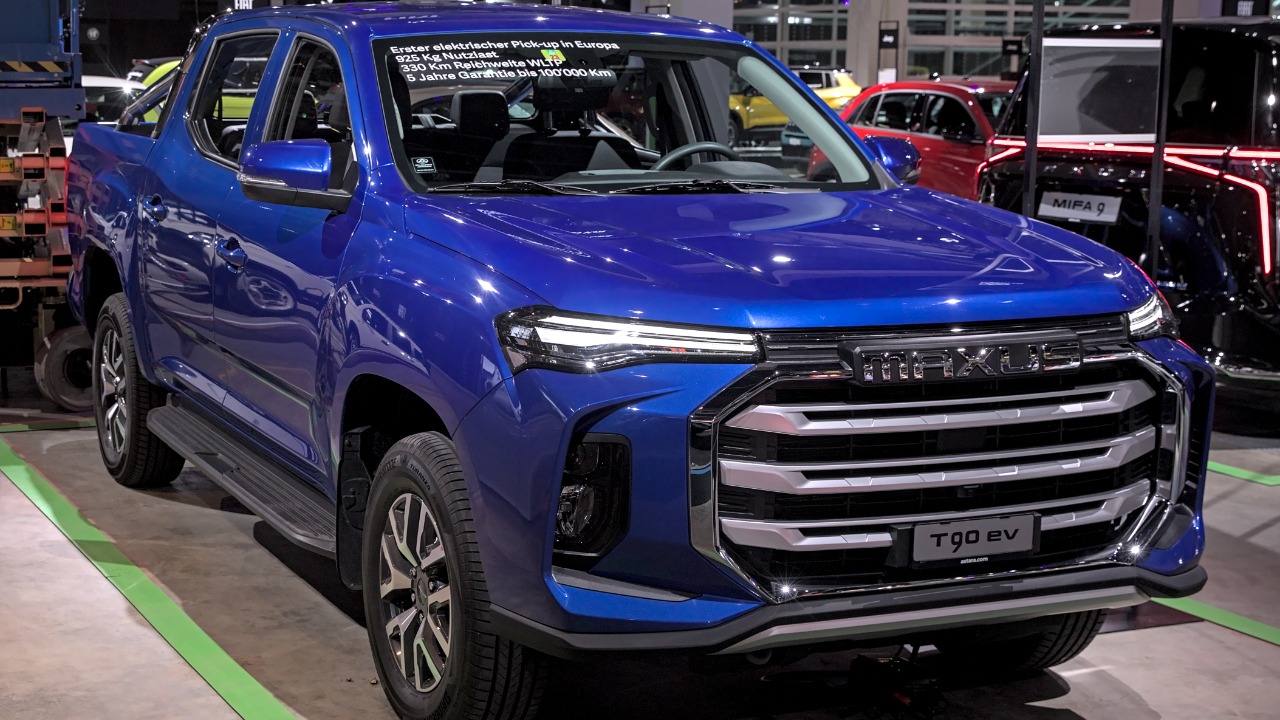
EVs typically weigh more than their internal combustion engine counterparts due to the heavy battery packs, leading to increased stress on tires. The additional weight results in higher rolling resistance and greater friction during acceleration and braking. This can significantly amplify the wear and tear on tires, demanding more from their construction and composition. As a result, tires on EVs can degrade faster, sometimes reaching the end of their useful life in just 10,000 miles.
In addition to weight, EVs provide immediate torque delivery, which can lead to more aggressive tire wear as the tires struggle to maintain grip and traction. The consistent and powerful acceleration of EVs places additional strain on tire tread, a factor that is not as pronounced in traditional vehicles. This instant torque demands tires that can withstand the intense forces of rapid acceleration and deceleration, a challenge that many traditional tires may not be equipped to handle.
Tire Composition and Design Challenges

Many tires are not designed specifically for EVs and may lack the durability required to withstand the unique pressures exerted by electric vehicles. The composition of traditional tires may not effectively dissipate the heat generated by the increased friction in EVs, leading to faster degradation. This presents a significant design challenge, as the materials and construction techniques used in traditional tires may not be up to the task of handling the distinctive demands of EVs.
To address these challenges, some manufacturers are developing tires specifically for EVs, using advanced materials and tread patterns to enhance longevity. These specialized tires aim to balance performance, efficiency, and wear, but may come at a higher cost. The potential for increased expenses has implications for consumers, as the need for these specialized solutions could affect the long-term economic appeal of EVs.
Driving Habits and Their Impact
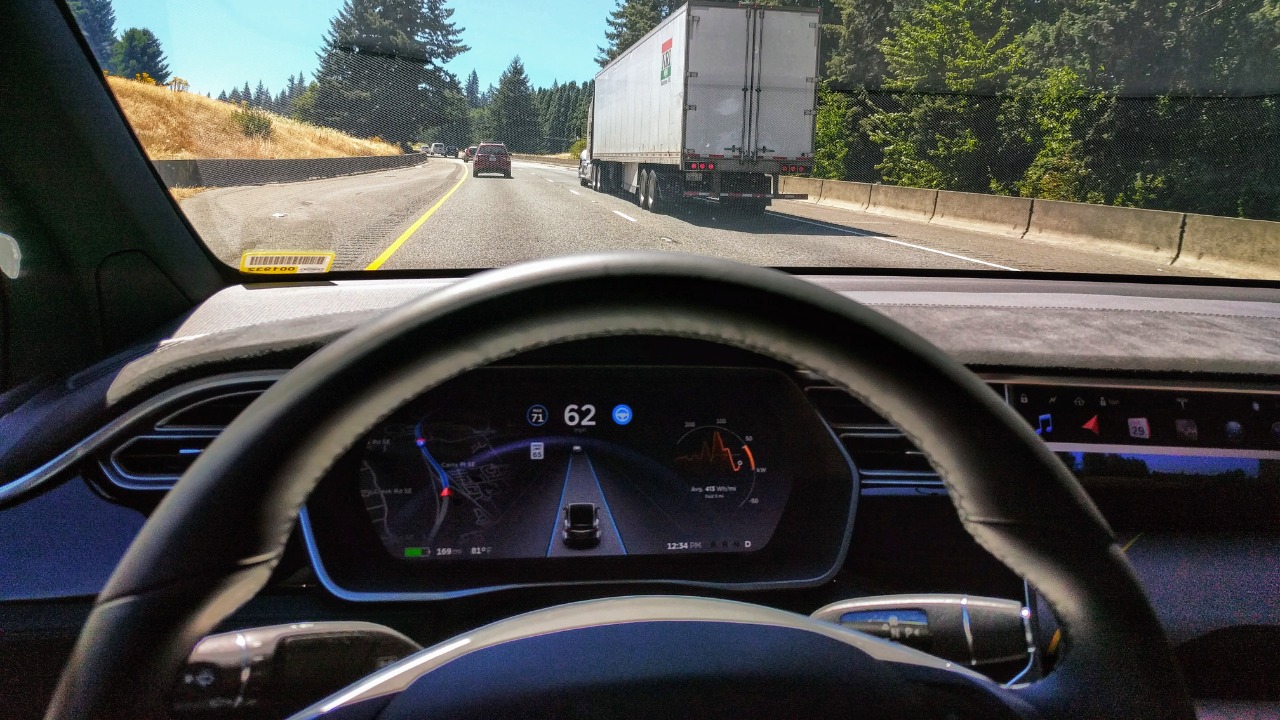
Drivers accustomed to the powerful acceleration of EVs may develop aggressive driving habits, further contributing to tire wear. Frequent rapid starts and hard braking can significantly reduce tire life, necessitating more frequent replacements. This driving behavior can exacerbate the natural wear and tear on tires, leading to premature balding and the need for earlier replacement.
Proper tire maintenance, including regular rotation, alignment, and pressure checks, is crucial for maximizing tire lifespan. Many drivers may not yet be aware of the increased maintenance demands of EV tires, leading to neglect and premature wear. Educating EV owners about proper tire care and encouraging regular monitoring can help mitigate some of these issues, prolonging the life of their tires and maintaining optimal performance.
Environmental and Economic Considerations

Rapid tire wear in EVs contributes to more frequent replacements, resulting in increased tire waste and environmental impact. Recycling and sustainable disposal of worn tires remain a challenge that needs addressing as EV adoption grows. The environmental implications of increased tire waste underscore the importance of developing more durable tire solutions that align with the sustainability goals of the EV movement.
The need for more frequent tire replacements can increase the overall cost of EV ownership, potentially offsetting savings from fuel and maintenance. Consumers may face higher expenses if specialized EV tires are required, which could affect the long-term economic appeal of EVs. As the market for EVs continues to expand, addressing these cost implications will be crucial for maintaining consumer interest and satisfaction.
Future Innovations and Solutions
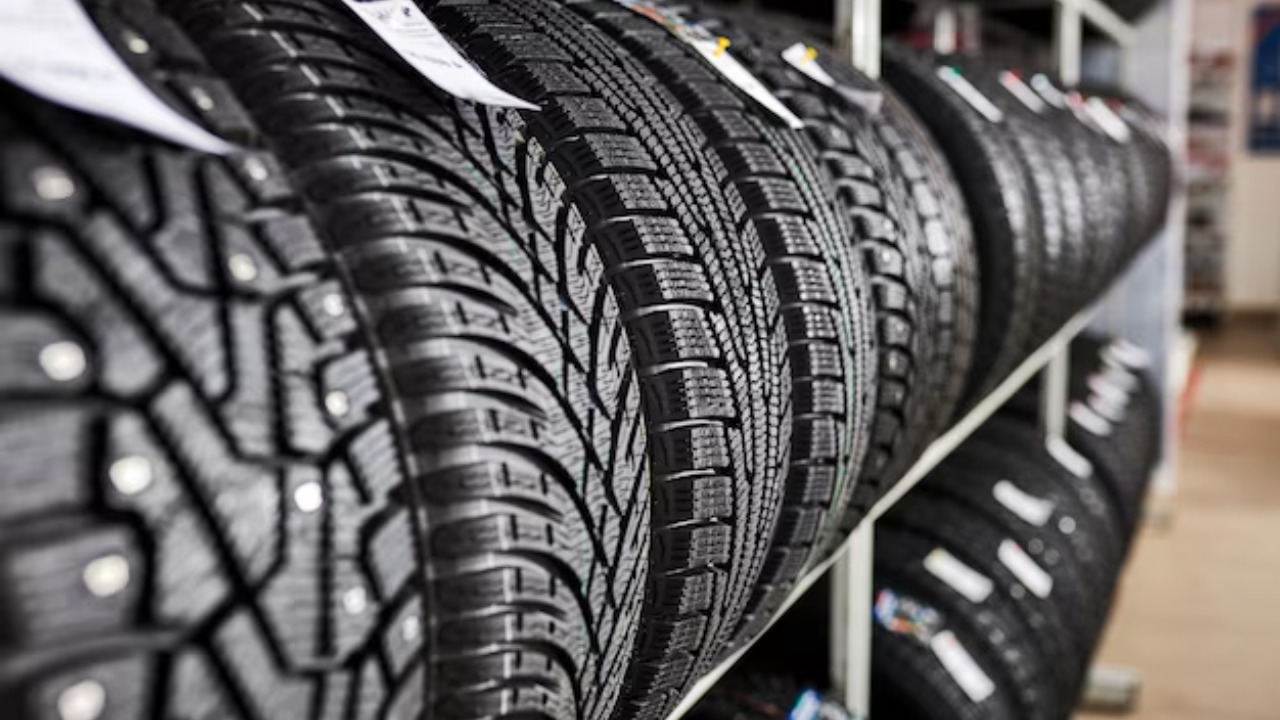
Ongoing research into new materials and tire technologies aims to improve durability and performance for EV-specific applications. Innovations such as self-healing tires and enhanced tread compounds could provide solutions to current wear issues. These advancements have the potential to significantly enhance the lifespan and resilience of EV tires, making them more economical and environmentally friendly.
Collaboration between tire manufacturers, automotive companies, and regulatory bodies is crucial for developing standardized solutions. Establishing industry-wide standards for EV tires can help drive innovation and ensure consistent quality and performance across the market. By fostering a cooperative approach to tire development, the industry can work towards more sustainable and cost-effective solutions that meet the unique demands of electric vehicles.
