The vast expanse of the open ocean presents unique challenges for maritime navigation. One common misconception is that ships can anchor anywhere in the ocean to maintain their position. However, due to the incredible depths and dynamic nature of the ocean, this is not feasible. Instead, ships rely on alternative methods to stay stationary or maintain course.
The Science Behind Anchoring
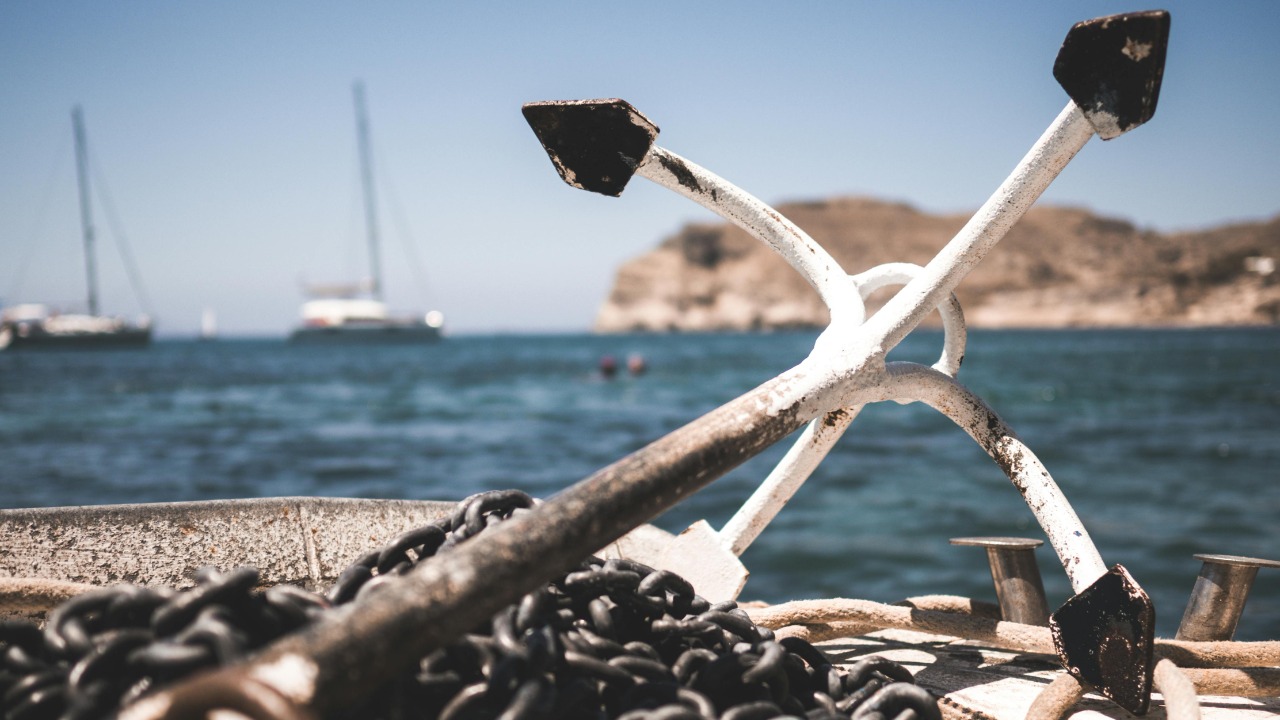
One of the main reasons ships cannot anchor in the middle of the ocean is the staggering depth. The ocean’s depth often exceeds the length of anchor chains available on most ships, making it impractical to anchor. Typical anchor chains on commercial vessels range from a few hundred to a couple of thousand feet, but the depth of the ocean can reach over 36,000 feet in places like the Mariana Trench. This discrepancy renders traditional anchoring impossible in such deep waters.
Anchors are also designed for specific seabed conditions, which are not present in the open ocean. Most anchors are intended to dig into the seabed, whether it’s sand, mud, or gravel, to hold a ship in place. However, in the open ocean, the seabed is often too deep and composed of materials that are not conducive to anchoring. The ocean floor’s composition, varying from rocky to soft sediment, impacts anchoring capabilities significantly. Without the right conditions, even the strongest anchor cannot provide the necessary grip.
Technological Alternatives to Anchoring
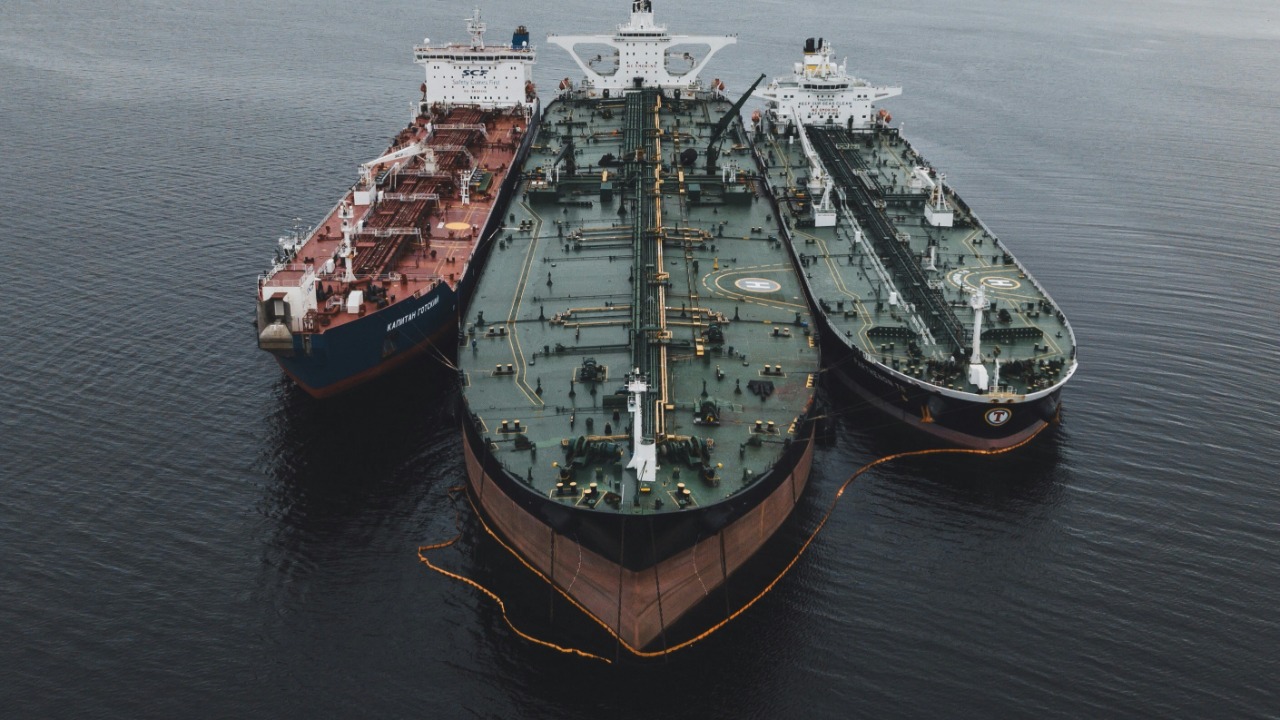
With traditional anchoring methods off the table, modern ships turn to technological solutions like Dynamic Positioning Systems (DPS). Using GPS and thrusters, these systems allow ships to maintain their position without traditional anchors. DPS is particularly useful for vessels like oil rigs or research ships that need to stay stationary in deep waters for extended periods.
Another method utilized by ships is the use of sea anchors and drogues. Sea anchors are devices deployed into the water to create drag and keep the ship stabilized in open waters. Unlike traditional anchors, they do not hold the ship in place but help reduce drift and maintain a steady position. Additionally, navigational techniques such as station-keeping maneuvers allow ships to manage their location using propulsion systems effectively.
Challenges of Open Ocean Navigation
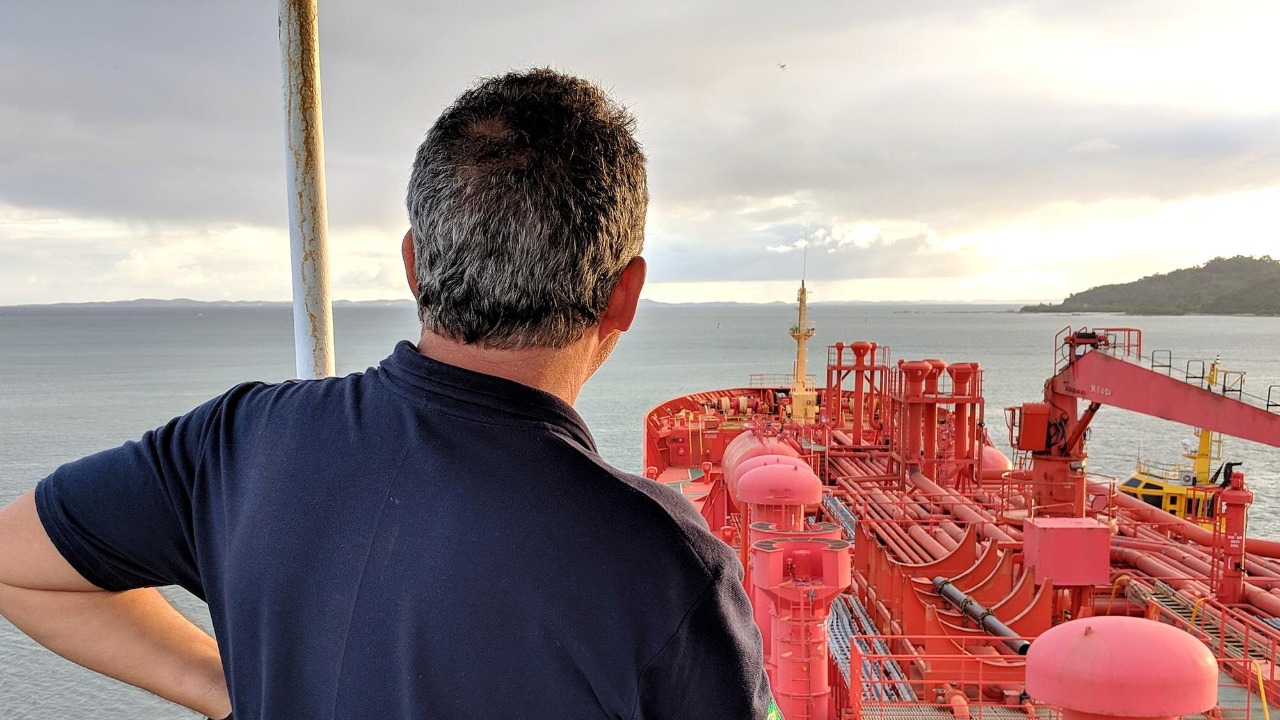
The open ocean presents numerous challenges for navigation, primarily due to weather and environmental factors. Winds, currents, and waves can significantly affect a ship’s ability to remain stationary. Ships must constantly adjust their position to counteract these elements, which can be unpredictable and powerful.
Using technological alternatives to traditional anchoring comes with its own set of challenges, such as energy consumption. Maintaining position using Dynamic Positioning Systems requires significant fuel, which can have an environmental impact. Moreover, communication and coordination are crucial when navigating busy shipping lanes without anchoring. Ships must rely on advanced communication systems to ensure safe passage and avoid collisions.
Historical Context and Nautical Traditions
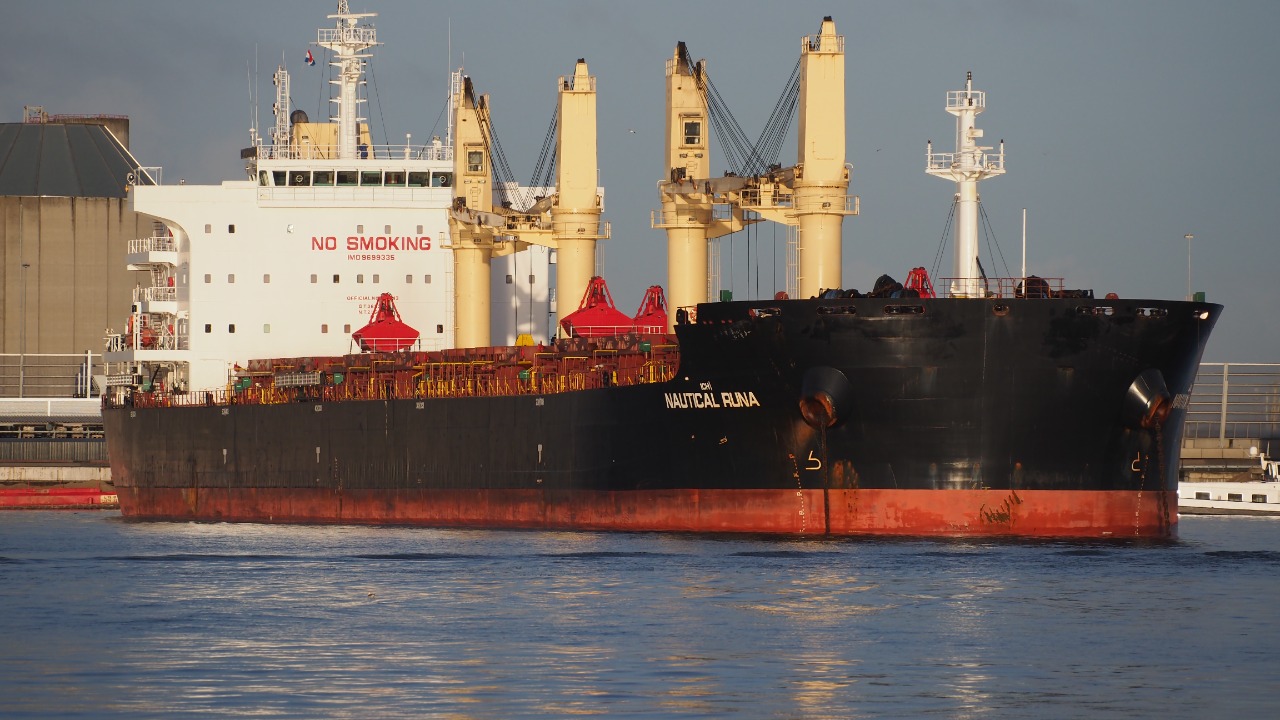
Anchoring practices have evolved significantly over the centuries. In ancient times, ships relied on simple stone anchors or large wooden structures to keep them in place. With advancements in technology, modern anchors have become more sophisticated, designed for specific seabed conditions and ship sizes. The evolution of anchoring techniques highlights the maritime industry’s adaptability and innovation.
Interestingly, many everyday phrases have nautical origins. Terms like “anchor’s aweigh,” which signifies the anchor is clear of the seabed, have worked their way into common vernacular. These phrases reflect the deep cultural and historical significance of anchoring in maritime traditions, symbolizing safety, security, and preparedness.
Case Studies and Real-World Applications
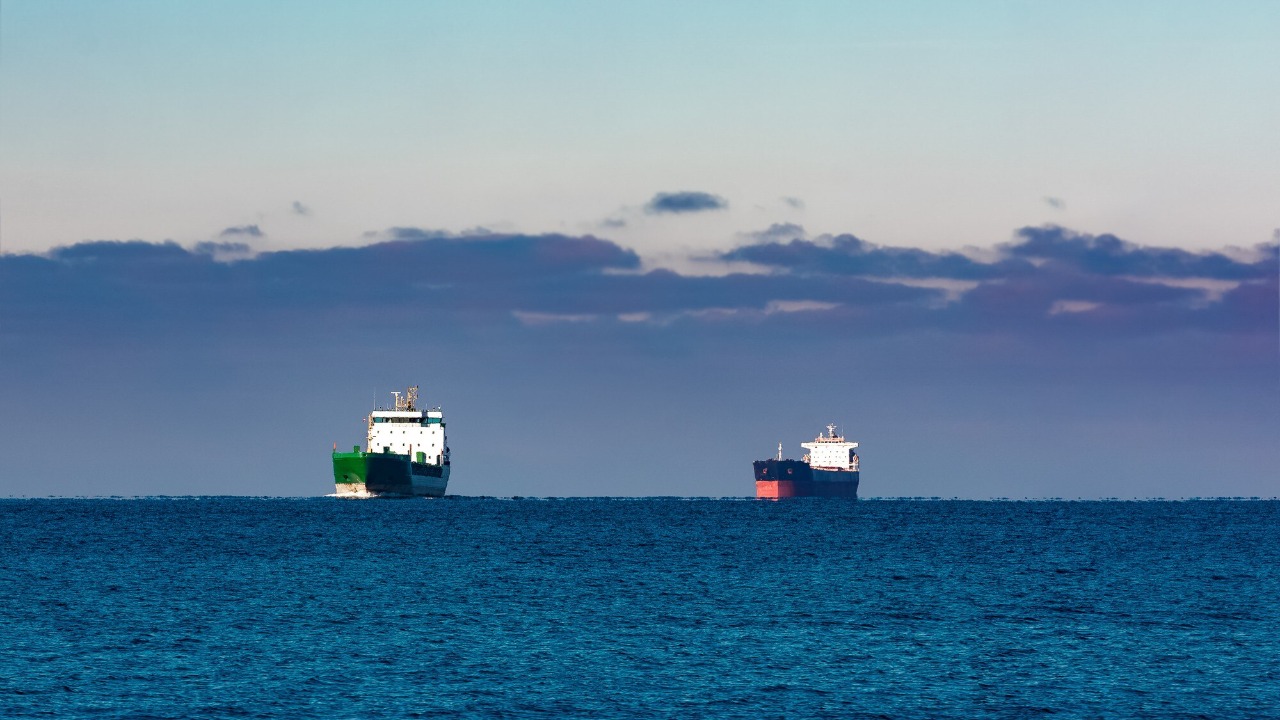
The challenges of managing a ship’s position without anchoring are well illustrated in events like the Vendée Globe. This solo, non-stop yacht race around the world requires sailors to navigate the open ocean without the ability to anchor. Competitors rely heavily on technology and skill to maintain their course and manage their vessels in the vast expanse of the sea.
In the modern shipping industry, commercial vessels also face the challenge of maintaining position in the open ocean. Innovations in maritime technology, such as advanced navigation systems and eco-friendly propulsion methods, are changing how ships manage their routes and maintain position at sea. These technologies not only improve efficiency but also aim to reduce the environmental impact of maritime operations.
Overall, while ships cannot anchor in the middle of the ocean, they have developed advanced methods and technologies to overcome this limitation. From Dynamic Positioning Systems to sea anchors, the maritime industry continues to innovate and adapt to the challenges of open ocean navigation.
