The advent of self-driving cars promises a future where transportation is more efficient and less reliant on human input. Yet, despite the technological advancements, significant safety concerns persist that might prevent these vehicles from ever being completely safe. As the industry evolves, the debate over the safety and practicality of autonomous vehicles continues to grow, presenting challenges that cannot be ignored.
Technological Limitations
Sensor and Software Reliability
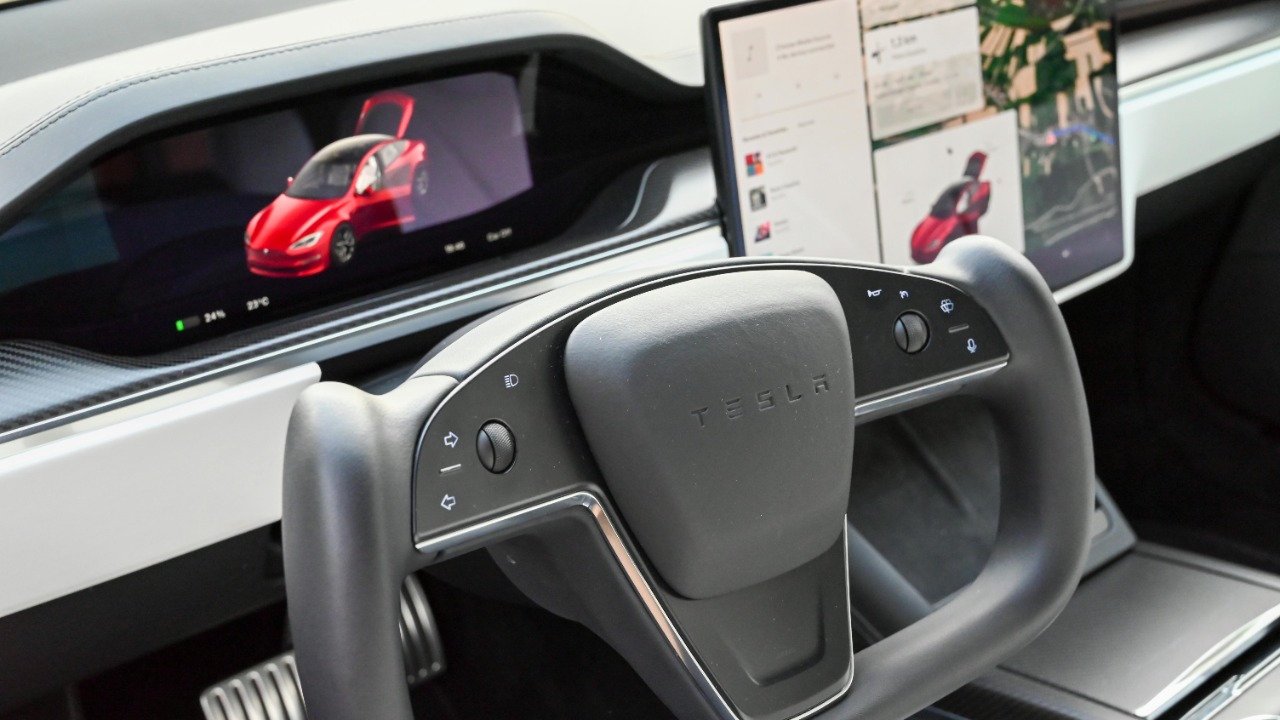
One of the most significant hurdles for self-driving cars is ensuring the reliability of their sensors and software. These vehicles rely heavily on a suite of sensors, cameras, radar, and LiDAR to navigate. However, software glitches and sensor malfunctions could lead to catastrophic failures. A sensor failure might cause a vehicle to misinterpret its surroundings, potentially resulting in accidents. Software updates are meant to fix these issues, but they can also introduce new bugs, creating a cycle of constant maintenance.
Adverse Weather Conditions
Adverse weather conditions pose another serious challenge. Rain, snow, and fog can severely impair sensors, making it difficult for self-driving cars to perform optimally. For instance, heavy rain can obscure cameras, while snow can cover road markings that the vehicle relies on for navigation. In foggy conditions, the range of LiDAR and radar systems might be limited, affecting the vehicle’s ability to detect obstacles. These limitations question the practicality of autonomous vehicles in regions prone to harsh weather.
Complex Urban Environments
Navigating complex urban environments is another significant challenge. Cities are bustling with unpredictable elements, from jaywalking pedestrians to cyclists maneuvering through traffic. Self-driving cars must interpret a myriad of inputs and make split-second decisions. The complexity of urban driving requires not only technological prowess but also an understanding of social cues and informal rules that human drivers often rely upon. Even advanced systems like Waymo’s autonomous vehicles have faced difficulties in these environments, highlighting the gap between theory and real-world application.
Ethical and Moral Dilemmas
Decision-Making in Crisis Situations
Autonomous vehicles are also at the center of ethical and moral dilemmas. In unavoidable accident scenarios, how should a self-driving car decide whom to protect? These vehicles are programmed using algorithms that make decisions based on pre-defined criteria. However, programming a car to make ethical decisions is a daunting task. For example, should a car prioritize the safety of its passengers over pedestrians? These questions raise ethical concerns that are difficult to address.
Liability and Accountability
Liability and accountability in the event of an accident involving a self-driving car is another contentious issue. If an autonomous vehicle causes an accident, who is responsible? The car manufacturer, the software developer, or the vehicle owner? Current legal frameworks are not equipped to handle such complexities. In 2018, a self-driving Uber vehicle struck and killed a pedestrian in Arizona, highlighting the urgent need to address liability issues in the realm of autonomous vehicles.
Privacy Concerns
Privacy concerns are also a significant issue as self-driving cars collect vast amounts of data. This data is essential for the vehicle’s operation but raises questions about how it is used and stored. There is a risk of this data being used for surveillance or falling into the wrong hands. The potential for misuse of data collected by autonomous vehicles remains a significant barrier to public acceptance and trust.
Regulatory and Legal Challenges

Inconsistent Legislation
The regulatory landscape for self-driving cars is fragmented, with inconsistent legislation across different regions. This inconsistency complicates the deployment of autonomous vehicles, as manufacturers must navigate a patchwork of laws and regulations. In the United States, for example, some states have embraced self-driving technology, while others remain cautious, creating a disjointed regulatory environment that hinders progress.
Safety Standards and Testing
Current safety standards and testing protocols for autonomous vehicles are also under scrutiny. While there are guidelines in place, they vary widely, leading to concerns about whether these vehicles are being adequately tested before hitting the roads. Critics argue that more rigorous testing and universal safety standards are needed to ensure the safety of self-driving cars. The admission by industry leaders of limitations in current self-driving technologies further underscores the importance of stringent safety measures.
Insurance and Risk Assessment
The insurance industry is also grappling with the risks associated with self-driving technology. Traditional insurance models are based on the assumption that human error is the primary cause of accidents. With autonomous vehicles, this changes the dynamic significantly. Insurers are developing new models to assess risk and determine liability, but this is a complex process that requires careful consideration and adaptation.
Human Factors and Public Perception
Trust and Acceptance
The public’s skepticism and fear regarding the safety of autonomous vehicles are significant barriers to widespread adoption. Trust in the technology is paramount, yet incidents involving self-driving cars have only heightened public concerns. Building public trust requires transparency and stringent safety measures to demonstrate the reliability of autonomous vehicles.
Transition Period Challenges
The transition period, where self-driving cars and human-driven vehicles coexist, presents its own set of challenges. This mixed-traffic environment can lead to confusion and accidents, as human drivers may not always anticipate the actions of autonomous vehicles. Effective communication between human drivers and self-driving cars is essential to ensure safety during this transitional phase.
Overreliance on Technology
Another concern is the potential for drivers to become overly dependent on autonomous systems, leading to complacency and a lack of attentiveness. This overreliance on technology could have severe safety implications, as drivers may not be prepared to take over in emergency situations. Ensuring that drivers remain engaged and attentive is crucial for the safe deployment of self-driving cars.
Economic and Infrastructural Implications
Cost of Implementation
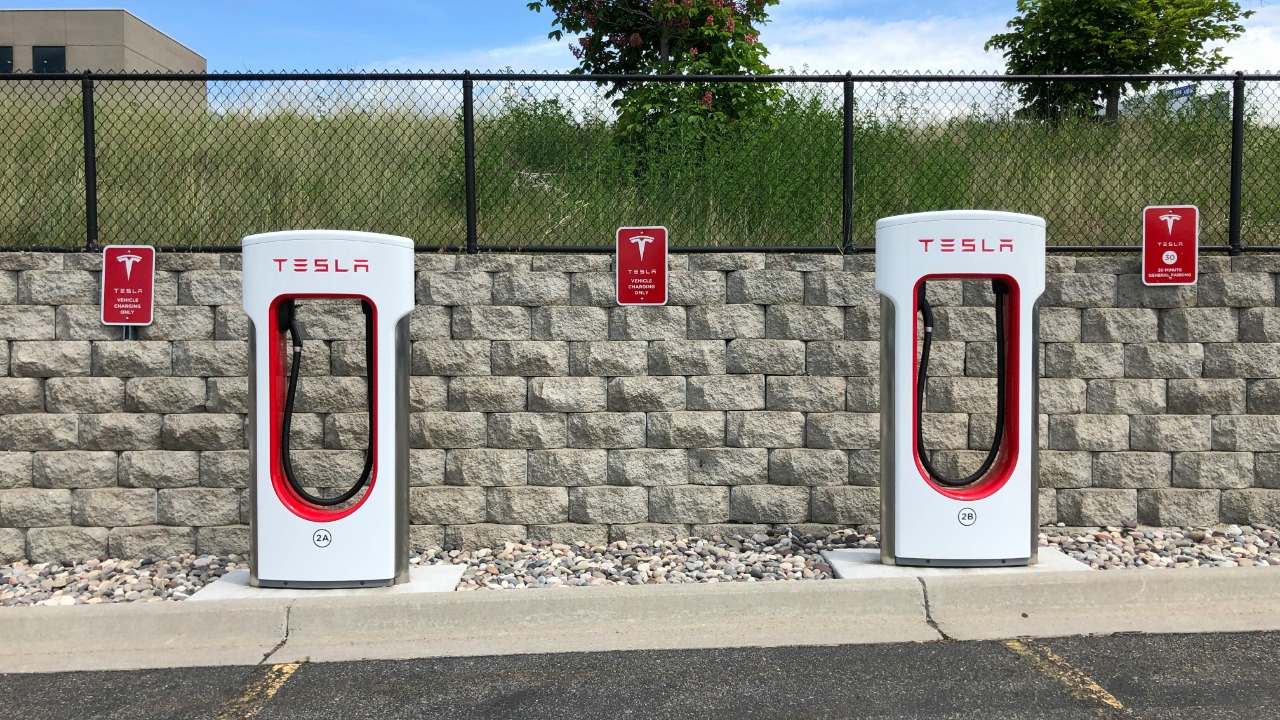
The financial burden of developing and maintaining the infrastructure required for autonomous vehicles is significant. The cost of implementing self-driving technology is high, and this financial aspect cannot be overlooked. Building the necessary infrastructure, such as smart roads and communication networks, requires substantial investment, which poses a challenge for cities and municipalities.
Impact on Employment
The rise of self-driving technology also has implications for employment, particularly in driving-related sectors. Jobs in trucking, taxi services, and delivery could be impacted as autonomous vehicles become more prevalent. This shift could lead to job losses, requiring workers to retrain and adapt to new roles in a changing economy.
Infrastructure Readiness
Finally, the readiness of existing infrastructure to support widespread adoption of self-driving cars is a concern. Many roads and urban environments are not equipped to handle autonomous vehicles, necessitating upgrades and modifications. The pace of infrastructure development will play a critical role in determining how quickly self-driving cars can be integrated into everyday life.
