Porsche is facing a unique challenge in integrating wireless charging into its Macan and Taycan electric vehicles. Despite developing an innovative 11 kW wireless charging pad, the company cannot implement this technology due to a seemingly minor yet significant issue: the inductive plate simply doesn’t fit. This limitation highlights the ongoing reliance on wired charging for models like the 2025 Porsche Macan Electric, as noted in an Australian first drive review.
The Inductive Plate Fitment Issue
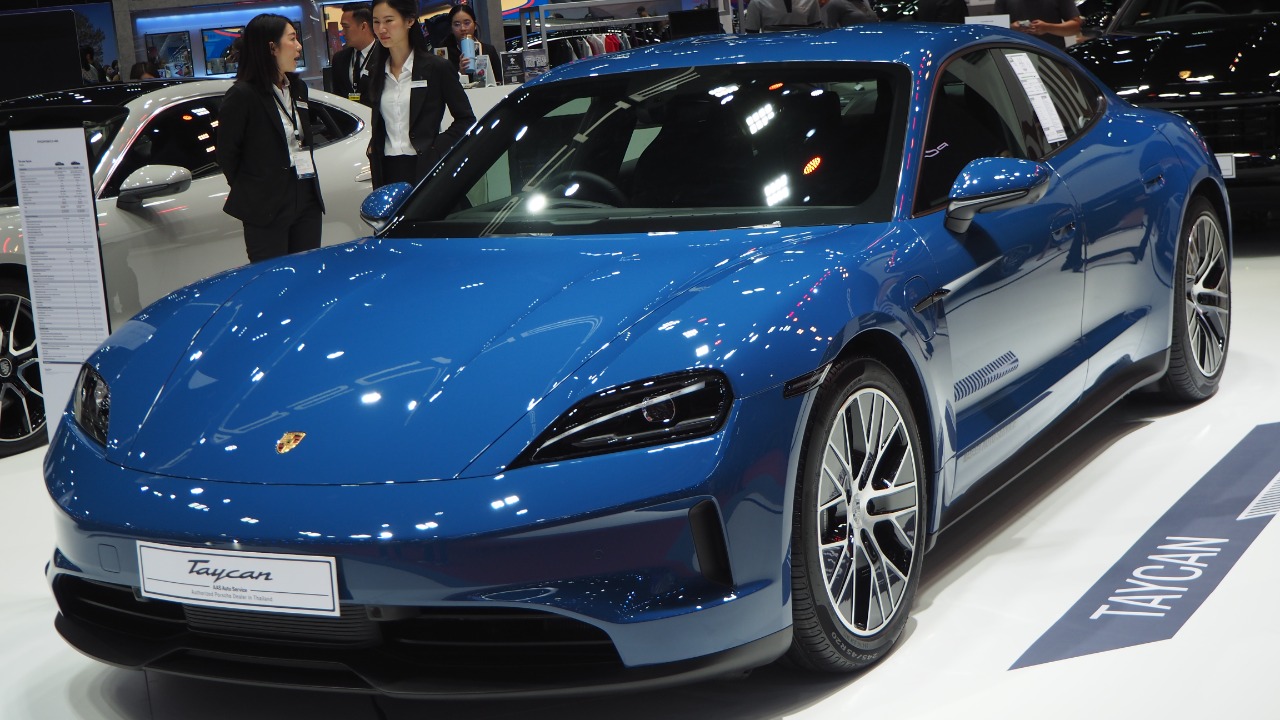
The primary obstacle preventing Porsche from adding wireless charging to the Macan and Taycan EVs is the size of the inductive plate. According to The Drive, the plate doesn’t fit within the existing design constraints of these vehicles. This physical limitation affects the underbody design, requiring significant modifications to accommodate the necessary inductive components. The challenge lies in the plate’s dimensions and placement requirements, which clash with the current chassis design, making it a “silly reason” that nonetheless poses a real engineering hurdle.
To integrate the wireless charging system, Porsche would need to undertake major redesigns of the Macan and Taycan models. The inductive plate’s fitment issue underscores the complexity of adapting new technologies to existing vehicle architectures. While the problem might seem trivial, it highlights the intricate balance between innovation and practicality in automotive design.
Porsche’s 11 kW Wireless Charging Development
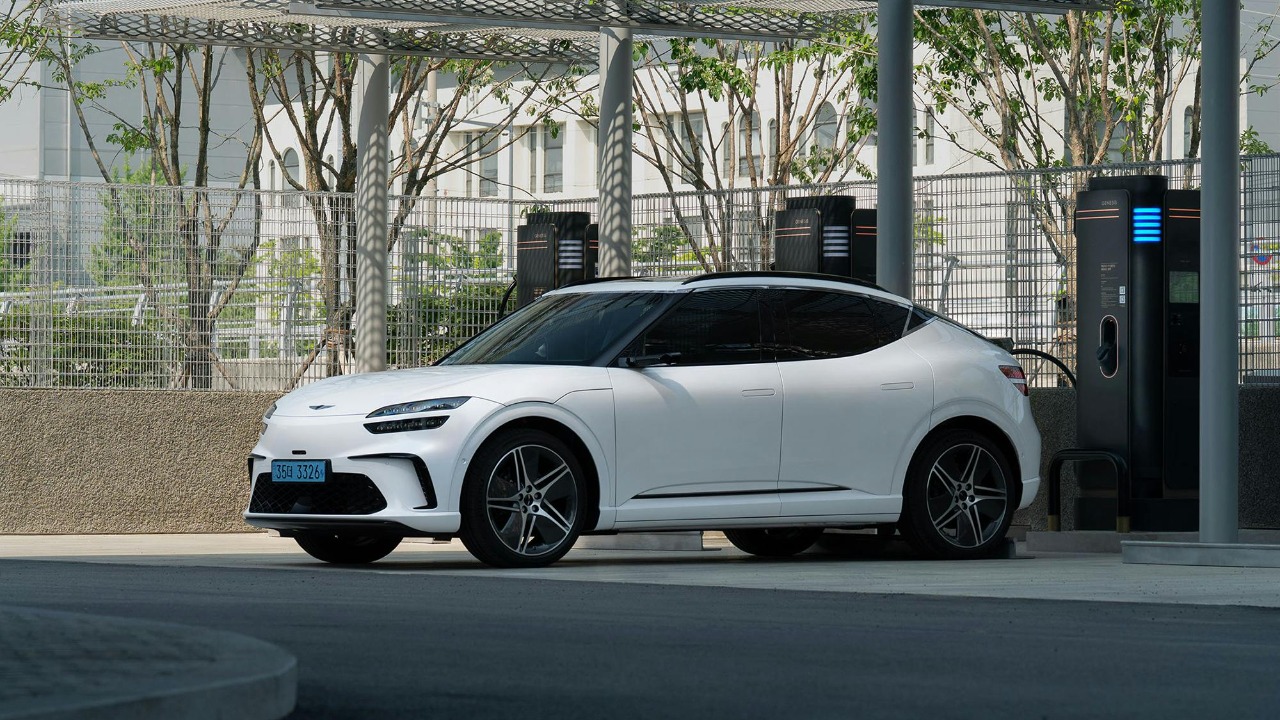
Porsche’s new 11 kW wireless charging pad represents a significant advancement in EV infrastructure, designed to eliminate the need for cables. As reported by TS2, this game-changing solution utilizes inductive technology to deliver high power output efficiently. The pad’s development marks a step forward in standardizing wireless charging across Porsche’s lineup, offering a glimpse into the future of EV convenience.
Announced on September 4, 2025, the wireless charging pad aims to revolutionize how EVs are powered, providing a seamless charging experience. Its introduction reflects Porsche’s commitment to enhancing user convenience and reducing reliance on traditional charging cables. As the company continues to innovate, the 11 kW pad is poised to become a cornerstone of its future EV offerings.
The development of the 11 kW wireless charging pad is part of Porsche’s broader strategy to enhance the electric vehicle (EV) ecosystem. This technology not only promises to simplify the charging process but also aims to increase the adoption of EVs by reducing the barriers associated with charging infrastructure. According to TS2, the pad’s high power output is designed to match the efficiency of traditional wired charging, ensuring that users do not compromise on charging speed or convenience. This innovation is expected to set a new standard in the industry, encouraging other manufacturers to explore similar solutions.
Moreover, Porsche’s commitment to sustainability is reflected in this development. The wireless charging pad is engineered to be compatible with renewable energy sources, aligning with global efforts to reduce carbon footprints. By integrating such advanced technology, Porsche not only enhances user experience but also contributes to a more sustainable future. The company’s focus on wireless charging is indicative of its vision to lead in the EV market by offering cutting-edge solutions that cater to modern consumer needs.
Current Charging in the 2025 Macan Electric
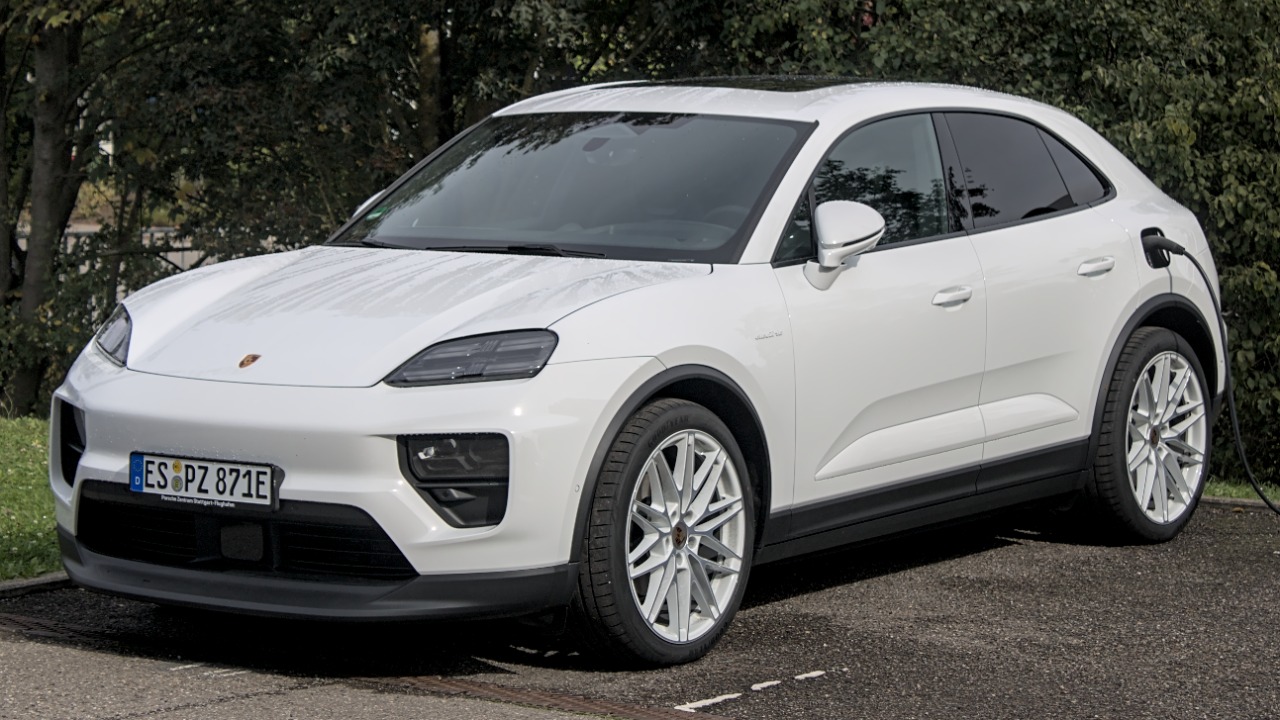
The 2025 Porsche Macan Electric, as detailed in an Australian first drive review, currently relies on wired charging solutions. This setup includes various performance metrics that highlight the vehicle’s capabilities, such as its range and acceleration. The review, dated December 4, 2024, provides insights into the Macan’s daily usability in an Australian context, emphasizing its practicality despite the lack of wireless charging.
Owners of the Macan Electric experience the convenience of wired charging options, yet the absence of wireless compatibility remains a notable gap. The inductive plate limitation directly impacts the ease of charging, underscoring the need for future solutions that can integrate wireless technology without compromising the vehicle’s design.
The 2025 Macan Electric’s reliance on wired charging is a testament to the current technological limitations and the challenges faced in integrating new systems. As highlighted in the Australian first drive review, the vehicle’s charging infrastructure is robust, supporting fast charging capabilities that allow for quick energy replenishment. This feature is particularly beneficial for users who require rapid turnaround times, making the Macan Electric a practical choice for daily commutes and long-distance travel.
Despite the absence of wireless charging, the Macan Electric offers a comprehensive suite of features that enhance its appeal. The vehicle’s advanced battery management system optimizes charging efficiency, ensuring longevity and performance. Additionally, Porsche’s network of charging stations provides extensive coverage, facilitating easy access to charging facilities. These aspects underscore the Macan Electric’s readiness to meet the demands of modern drivers, even as the company works towards integrating wireless solutions in the future.
Implications for Taycan and Future EV Models
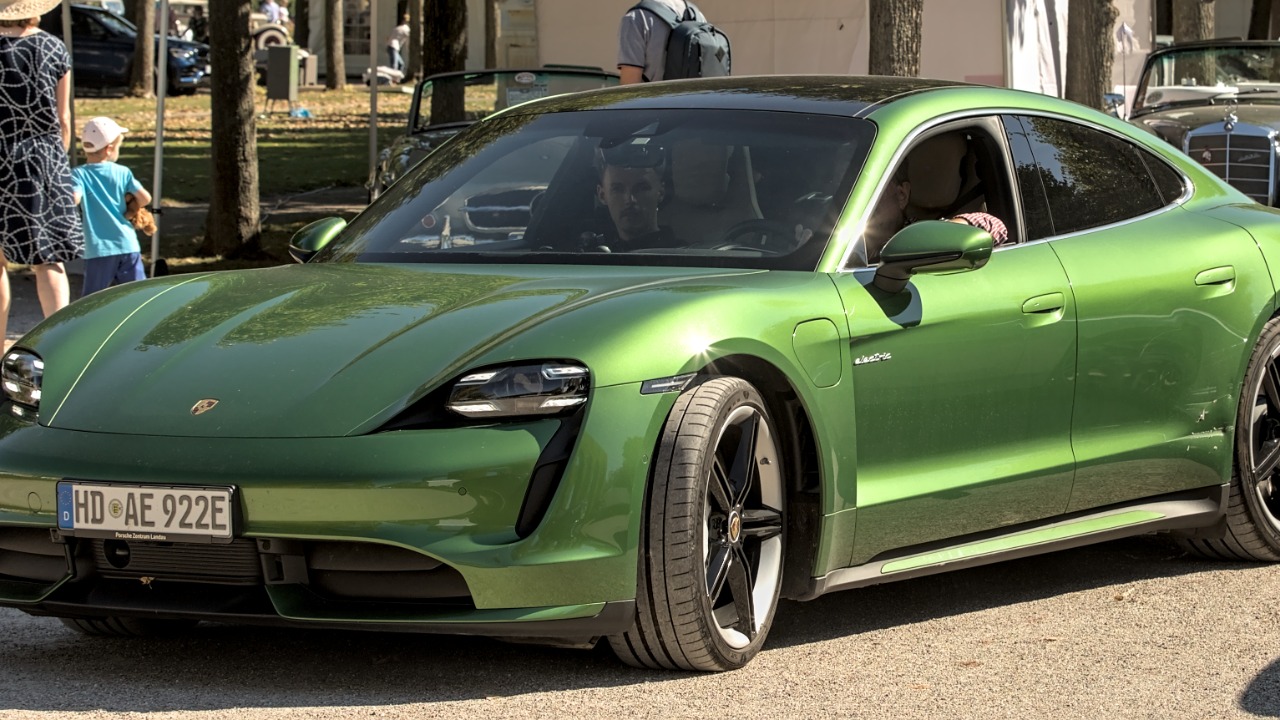
The Taycan EV faces similar challenges as the Macan, with the inductive plate fitment issue hindering the adoption of wireless charging. As noted by The Drive, this obstacle affects both current and future models, prompting Porsche to explore potential retrofits or updates for existing owners. The compatibility of the 11 kW pad with these vehicles remains a key consideration as the company navigates these challenges.
Looking ahead, Porsche’s roadmap may involve redesigns to enable wireless features in upcoming EV iterations. As the company continues to innovate, addressing the inductive plate issue will be crucial to fully realizing the potential of its wireless charging technology. The ongoing development efforts reflect Porsche’s dedication to overcoming engineering hurdles and enhancing the EV ownership experience.
