The F-14 Tomcat, an iconic symbol of American air superiority, has long been retired from active service, yet it continues to hold a special place in the hearts of many pilots. The combination of its unique design, advanced technologies, and combat capabilities made it a favorite among aviators. This enduring affection is not just a matter of nostalgia; the F-14 set standards that still influence modern aviation.
Design and Performance Excellence
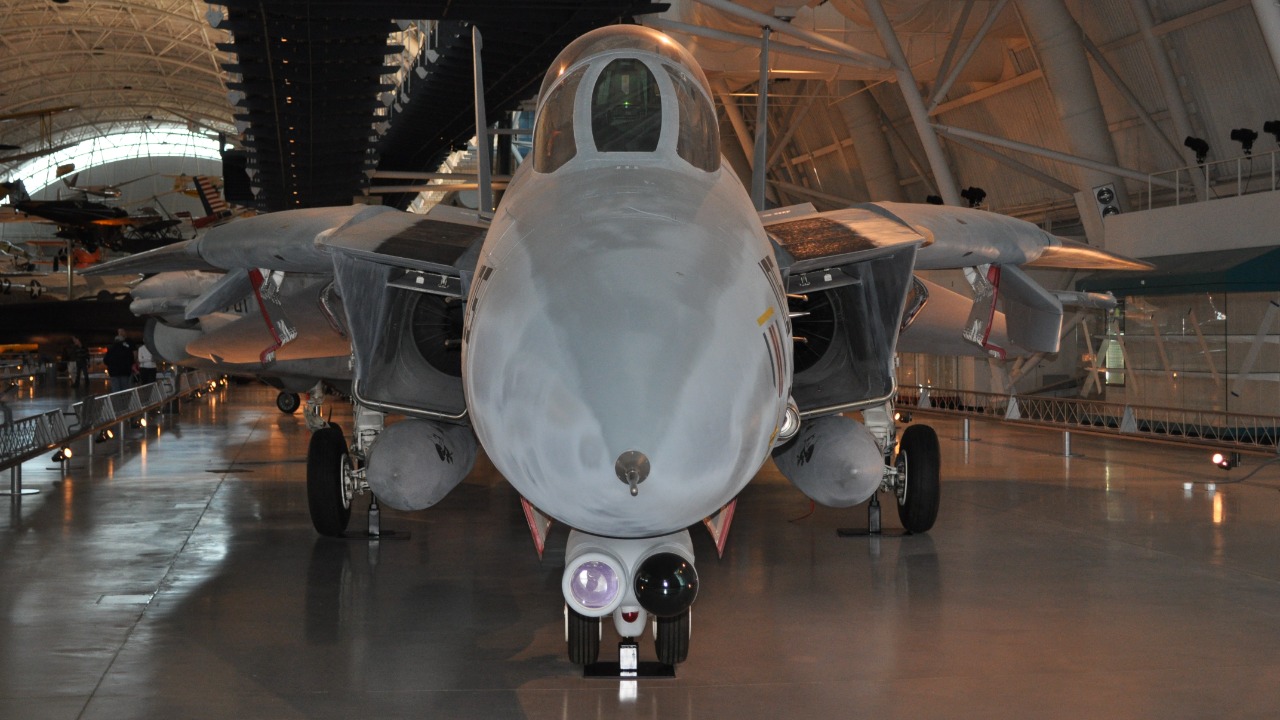
Variable-Sweep Wing Design
The F-14 Tomcat was revolutionary, thanks to its variable-sweep wing design. This technology allowed pilots to adjust the wing configuration in flight, providing superior maneuverability and versatility. In high-speed engagements, the wings could be swept back for reduced drag, while for slower speeds, they could extend outward for improved lift and control. This adaptability was crucial during combat scenarios, affording pilots the agility to engage with enemy aircraft effectively.
Advanced Avionics
The F-14 was equipped with cutting-edge avionics that set new standards for fighter jets. Its radar systems were advanced for their time, enabling long-range tracking and engagement of multiple targets. This technology significantly enhanced pilot situational awareness and mission effectiveness, providing a tactical edge in complex combat environments. The integration of these systems represented a leap forward in fighter jet capabilities, influencing subsequent aircraft designs.
Powerful Engine Capabilities
At the heart of the F-14’s performance were its powerful engines, which provided both thrust and speed advantages. These engines allowed the Tomcat to achieve exceptional performance in combat scenarios, enabling rapid acceleration and sustained high-speed flight. The power plant’s capabilities were instrumental in the F-14’s success during various military operations, contributing to its reputation as a formidable fighter aircraft.
Combat Prowess and Versatility
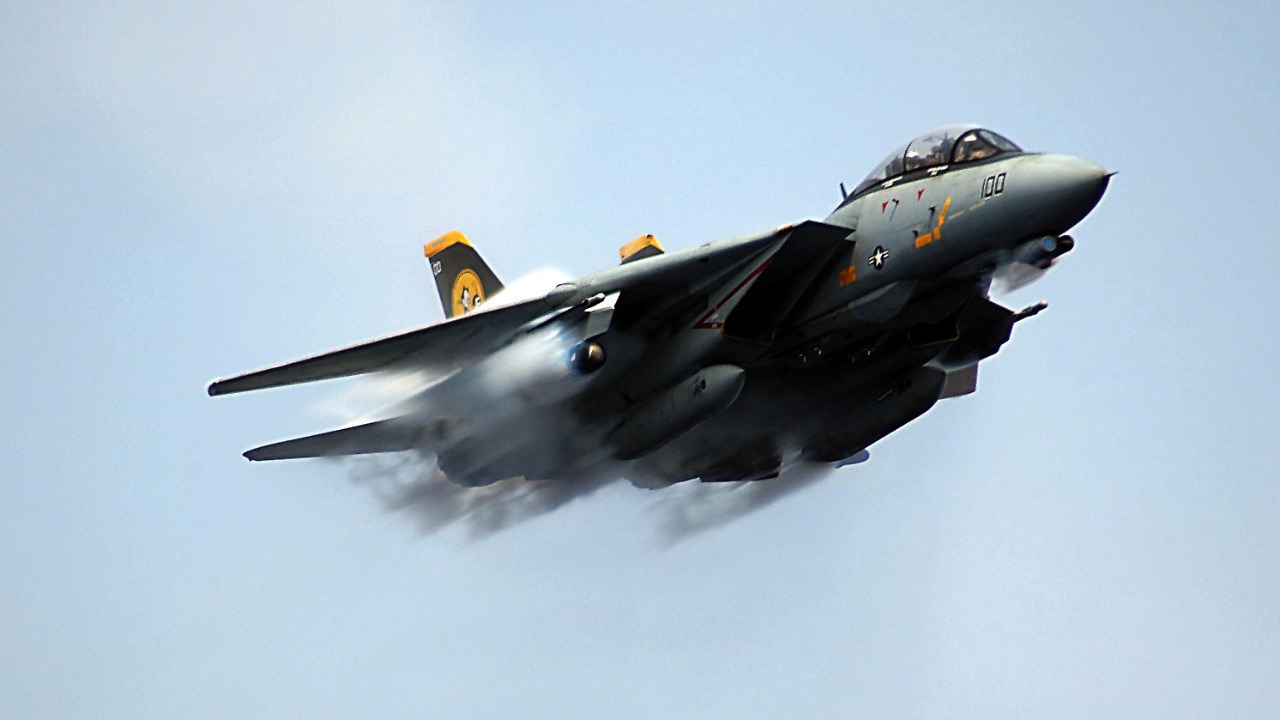
Air Superiority Missions
The F-14 played a crucial role in achieving air superiority during critical military operations, such as those in the Gulf War. Its ability to engage enemy aircraft at long distances and with precision made it a key asset in the U.S. Navy’s arsenal. The Tomcat’s presence in the skies often served as a deterrent, underscoring its effectiveness in maintaining air dominance.
Multi-role Capability
The F-14 was not just a fighter; it was a multi-role aircraft capable of performing a variety of missions. From air-to-air combat to reconnaissance missions, its versatility made it an invaluable asset to the fleet. This adaptability allowed the F-14 to support a wide range of military objectives, showcasing its importance beyond traditional fighter roles.
Legendary Weaponry
The F-14’s fearsome reputation was bolstered by its armament, particularly the AIM-54 Phoenix missile. This long-range missile allowed the Tomcat to engage multiple targets simultaneously at great distances, reshaping air combat strategies. The integration of such weaponry demonstrated the F-14’s capacity to influence the outcome of aerial engagements significantly.
Cultural Impact and Legacy
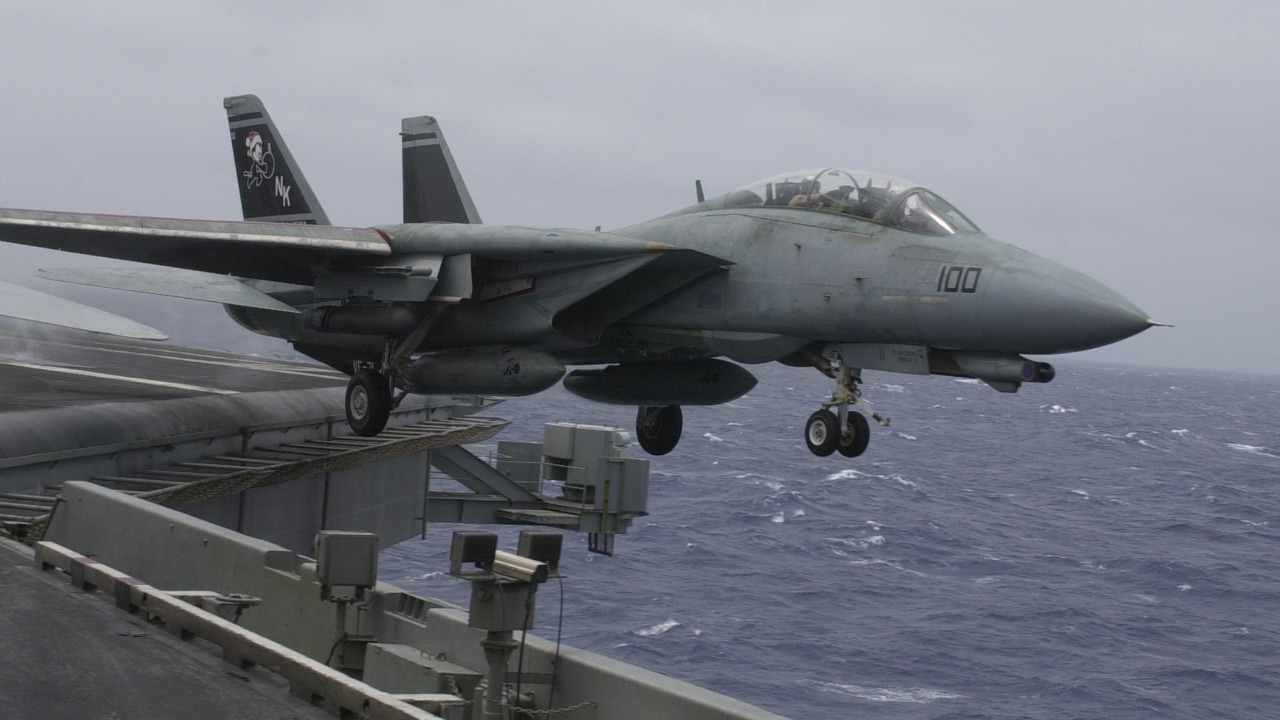
Pop Culture Iconography
The F-14’s influence extended beyond the battlefield into popular culture, most notably through the film “Top Gun.” This movie transformed the Tomcat into a symbol of military prowess, capturing the public’s imagination and securing its place as a cultural icon. The film’s success highlighted the F-14’s allure and enduring appeal.
Pilot Nostalgia
For many former pilots, the F-14 holds a special place in their hearts. Personal anecdotes often reveal a deep connection and pride in having flown this aircraft. The sentiment is not merely nostalgic; it reflects the profound impact the Tomcat had on their careers and lives. Pilots often speak of the intense camaraderie and sense of achievement associated with mastering the F-14.
Enduring Influence on Modern Aviation
The F-14’s legacy continues to inform modern aviation. The lessons learned from its service, including its design and operational strategies, influence contemporary fighter jet development. The F-14’s impact is evident in the technologies and tactics employed by today’s military aircraft, underscoring its enduring significance. Insights from its service have contributed to the strategic evolution of naval aviation, as discussed in various analyses.
Pilot Experience and Training
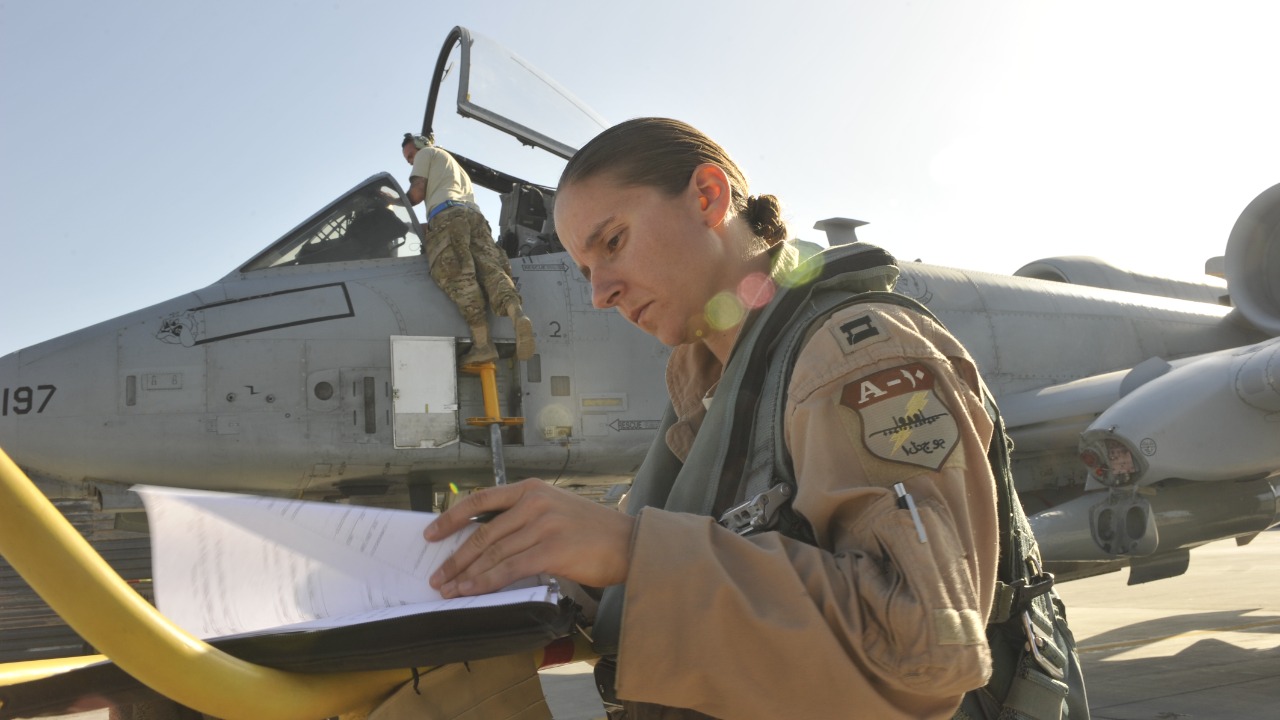
Cockpit Design and Ergonomics
The F-14’s cockpit was designed with pilot comfort and control in mind. The layout facilitated ease of use, allowing pilots to focus on their missions without unnecessary distractions. This attention to ergonomics contributed to a positive flying experience, enhancing pilot performance during high-pressure situations.
Rigorous Training Programs
Pilots of the F-14 underwent comprehensive training programs that were rigorous and demanding. This training fostered a strong sense of camaraderie and skill among aviators. The shared experience of mastering the complex systems of the F-14 was a source of pride and a testament to the dedication required to operate such an advanced aircraft.
Adapting to Technological Evolution
Mastering the F-14’s complex systems was both challenging and rewarding. Pilots viewed this accomplishment as a badge of honor, representing their ability to adapt to the technological evolution of fighter aircraft. The experience of flying the F-14 provided aviators with a unique perspective on the intersection of skill and technology in military aviation.
Challenges and Lessons Learned
Maintenance Requirements
The F-14 was known for its maintenance-intensive nature, a reputation that taught valuable lessons in aircraft upkeep and reliability. The demands of sustaining the Tomcat highlighted the importance of meticulous maintenance practices, which continue to inform modern aircraft operations. The experience underscored the balance between technological advancement and practical maintenance considerations.
Transition to New Aircraft
The transition from the F-14 to newer aircraft, such as the F/A-18 Hornet, presented both emotional and operational challenges for pilots. Many aviators experienced a sense of loss leaving behind an aircraft they loved, while also adapting to the advanced features of newer models. This transition period was a significant moment in their careers, reflecting the evolution of military aviation.
Strategic and Tactical Insights
The strategic value the F-14 provided during its service was significant. The aircraft’s capabilities offered tactical lessons that continue to influence naval aviation strategies. Its role in various military operations demonstrated the importance of versatility, technological integration, and pilot proficiency in achieving mission success.
