The advent of artificial intelligence (AI) has ushered in a new era across various industries, particularly in the realm of photography. Photo editing apps are transforming into AI-powered labs, significantly altering the photography landscape and creating profound implications for photographers and users alike.
The Evolution of Photo Editing Apps
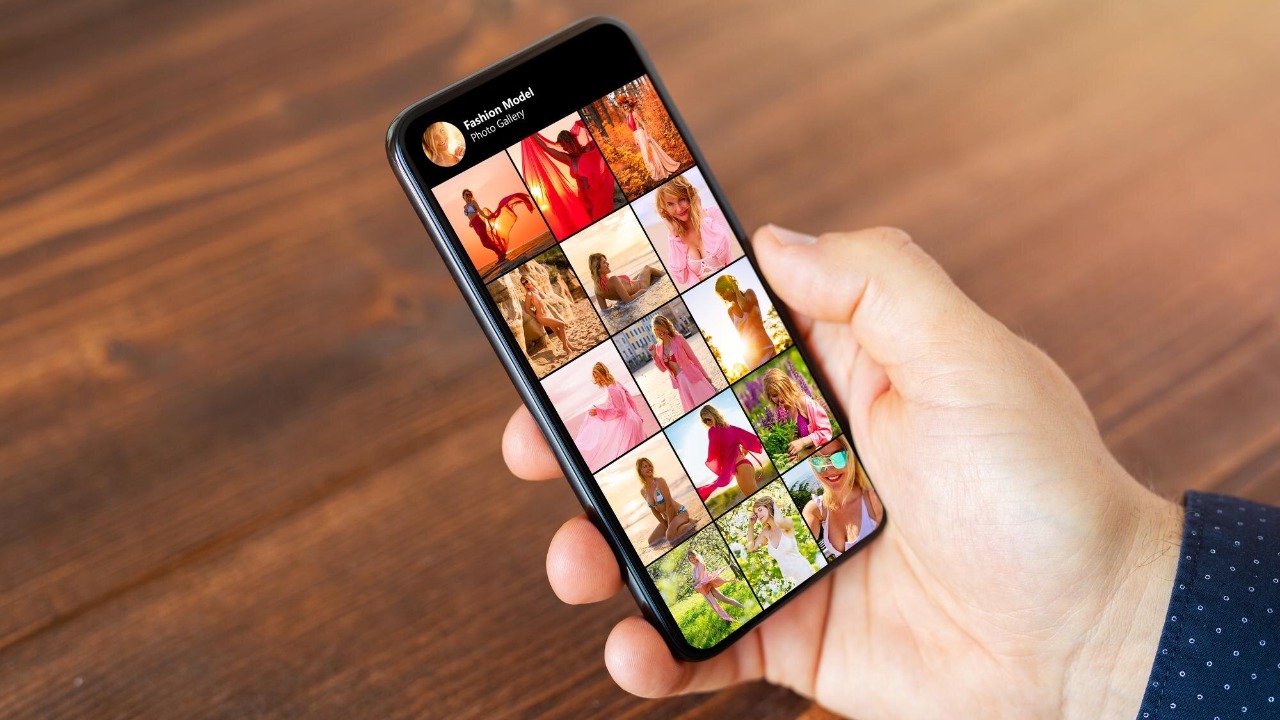
Traditionally, photo editing apps were primarily used to adjust basic parameters such as brightness, contrast, and saturation. These apps certainly had their value, but they were not without their limitations. Tasks such as object removal, background changing, and complex touch-ups required professional software and considerable editing skills.
However, the integration of AI into these apps has unlocked a whole new world of possibilities. AI-powered features reduce the need for manual editing, allowing even novice users to achieve professional-grade results. The shift from manual editing tools to AI-powered features is a monumental leap in the photography industry, making complex editing tasks accessible to the masses.
How AI Powers Photo Editing Apps

Various AI technologies are now being used in photo editing apps, including deep learning and computer vision. Deep learning allows apps to ‘learn’ from vast amounts of data, improving their performance over time. On the other hand, computer vision enables apps to ‘understand’ and interpret images, allowing for enhanced image quality and creative effects. For instance, the app Prisma uses AI to transform images into artistic renditions in the style of famous painters.
AI’s role in photo editing apps extends beyond image enhancement. It also aids in creating user-friendly features like automatic adjustments and suggestions. For example, Google Photos uses AI to automatically categorize photos, create albums, and even suggest edits, making photo management and editing a breeze for users.
Benefits of AI-powered Photo Editing Apps

AI has transformed the photo editing process, offering a wide range of benefits. One of the key advantages is speed and efficiency. Tasks that used to take hours to complete can now be done in minutes, thanks to AI. Adobe’s Sensei AI, for instance, can automatically select subjects in an image, significantly reducing the time spent on manual selection and masking.
Another advantage is the ability to perform more complex and creative edits that were once only feasible for professionals. AI-powered apps such as Luminar AI utilize AI to replace skies, enhance faces, and create stunning compositions effortlessly. These advancements democratize photo editing, making advanced tools accessible to non-professionals and expanding the creative potential for all.
The Role of 5G in AI-powered Photo Editing
The emergence of 5G technology plays a crucial role in enhancing the capabilities of AI-powered photo editing apps. The high data processing speeds and low latency of 5G allow for real-time editing and sharing of high-resolution images. This means users can apply complex AI-powered edits and share their creations instantly, providing a seamless user experience.
As 5G networks become increasingly available, we can expect the capabilities of AI-powered photo editing apps to continue expanding. For example, apps could leverage 5G to perform sophisticated edits that require high computational power directly on the cloud, reducing the load on the device and further enhancing the user experience.
The Future of AI in Photo Editing

The future holds exciting possibilities for AI-powered photo editing apps. We can expect to see even more advanced features and capabilities, such as AI that can understand and replicate an individual’s unique editing style. There could also be increased integration with other technologies, such as augmented reality (AR), to provide even more immersive and interactive experiences. However, as with any technology, there will be challenges to overcome, including ethical considerations around the use of AI in photo editing. For instance, the potential for AI to create highly realistic fake images raises concerns about misinformation and privacy.
Despite these challenges, the potential for AI to revolutionize professional photography and digital art is immense. AI could enable photographers and artists to push the boundaries of creativity, opening up new possibilities for visual storytelling. As Thomson Media Agency points out, the fusion of AI and photography could lead to an entirely new genre of art.
With benefits such as increased efficiency, enhanced creativity, and democratization of advanced tools, it’s clear why photo editing apps are transforming into AI-powered labs. As technology continues to advance, we can look forward to even more innovative and exciting developments in the world of photo editing.
