
Many car owners are frustrated by the rapid deterioration of their car’s paint job, which often begins to show signs of wear and tear within just a few years. This premature failure can be attributed to several factors, including environmental influences, manufacturing processes, and the materials used. Understanding these causes can help car owners take preventive measures to extend the life of their vehicle’s finish.
The Impact of Environmental Factors

Environmental conditions play a significant role in the degradation of car paint. One of the primary culprits is UV radiation from the sun. Prolonged exposure to sunlight causes the paint to fade and degrade, as UV rays break down the chemical bonds in the paint. Additionally, extreme weather conditions like hail, snow, and rain can inflict physical damage on the car’s surface, further accelerating the deterioration process.
Pollution and contaminants also contribute to the decline of car paint quality. Industrial pollution, bird droppings, and road salt create chemical reactions with the paint, leading to corrosion and other forms of damage. These substances can be highly acidic or alkaline, causing the paint to lose its integrity and shine over time.
Manufacturing and Application Processes
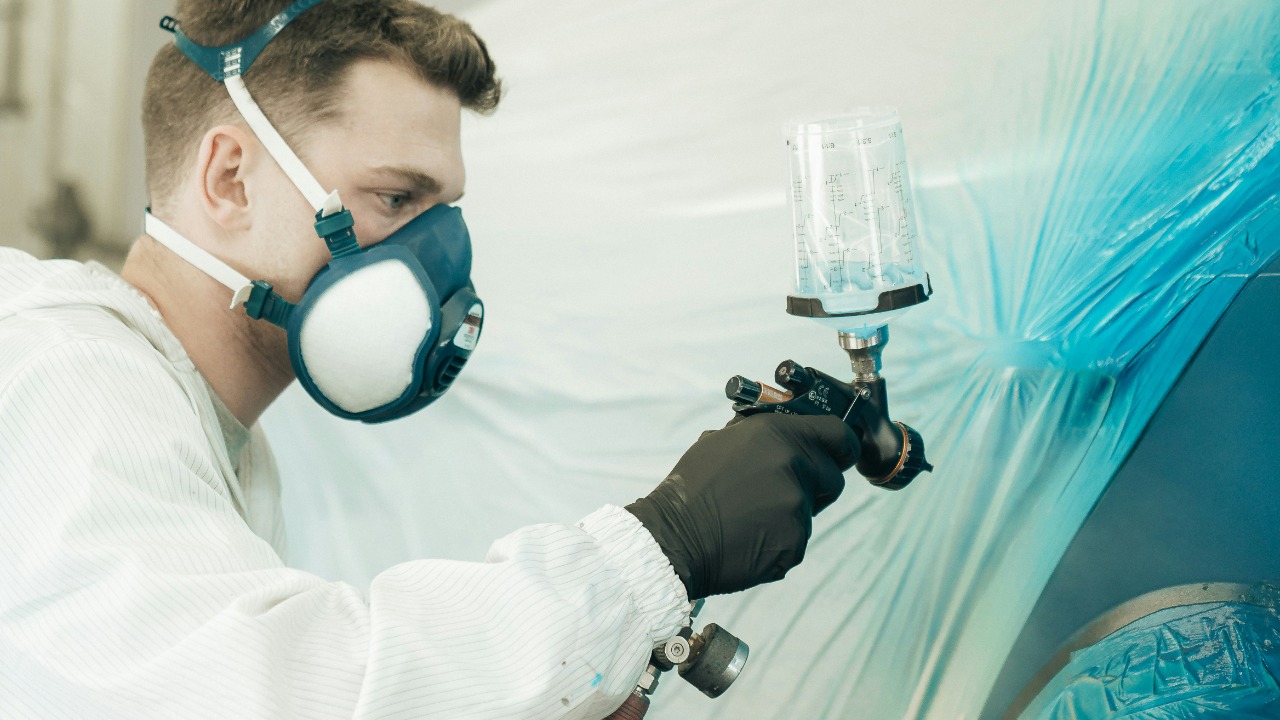
The shift towards more eco-friendly, water-based paints has impacted the durability of car paint. While these paints are better for the environment, they sometimes lack the robustness of older solvent-based paints. The quality of the paint materials used in manufacturing plays a crucial role in determining how well a paint job will endure over time.
Inconsistencies in the paint application process can also lead to premature failure. Uneven layers or improper curing during the application phase can compromise the paint’s longevity. If not executed correctly, these steps can result in a finish that is prone to chipping and peeling, leaving the car vulnerable to the elements.
The Role of Clear Coats
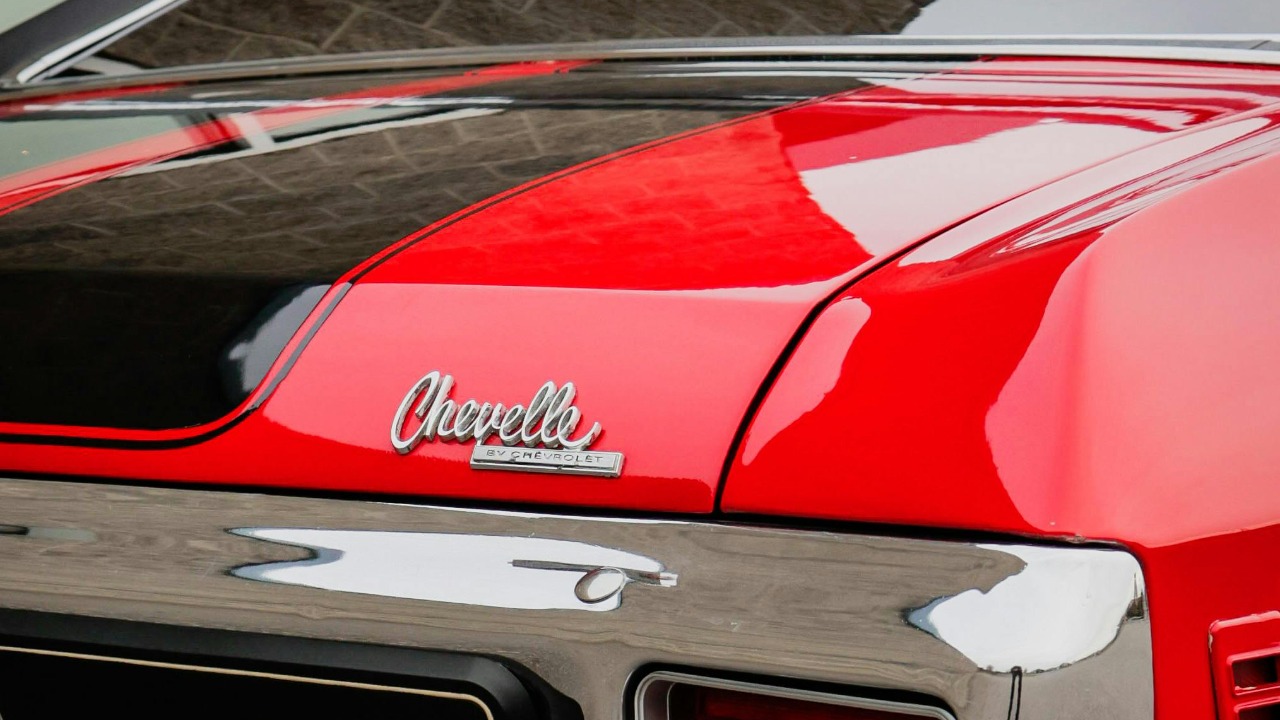
Clear coats serve as a protective layer over the colored paint, enhancing its shine and offering some degree of protection. However, they can also be vulnerable to peeling if not applied correctly or exposed to harsh conditions. The application and maintenance of clear coats are critical to ensuring their effectiveness in protecting the underlying paint.
Maintenance is key to preserving the integrity of clear coats. Regular cleaning and waxing can help maintain their protective properties. Neglecting this maintenance can lead to diminished protection, allowing environmental factors to erode both the clear coat and the paint beneath it.
Economic and Industry Pressures
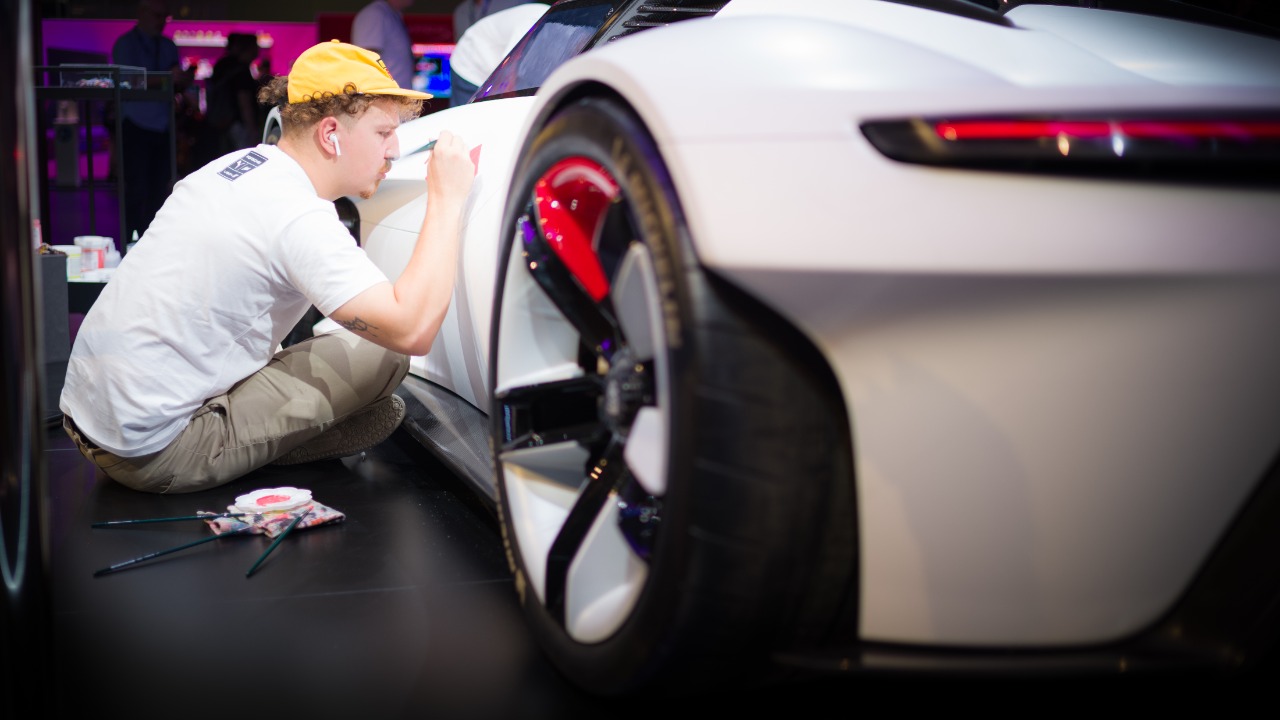
Economic pressures often drive manufacturers to cut costs in the production process. This can result in the use of cheaper paint materials or rushed application processes, both of which can negatively affect paint longevity. The pressure to produce vehicles quickly can also compromise quality control, leading to inconsistencies and defects in the paint job.
Additionally, the automotive industry is under constant pressure to innovate and meet consumer demands. This can lead to high production demands and, at times, a compromise in the quality of materials and processes. Balancing cost, quality, and environmental concerns is a complex challenge faced by manufacturers in today’s competitive market.
Preventive Measures for Car Owners
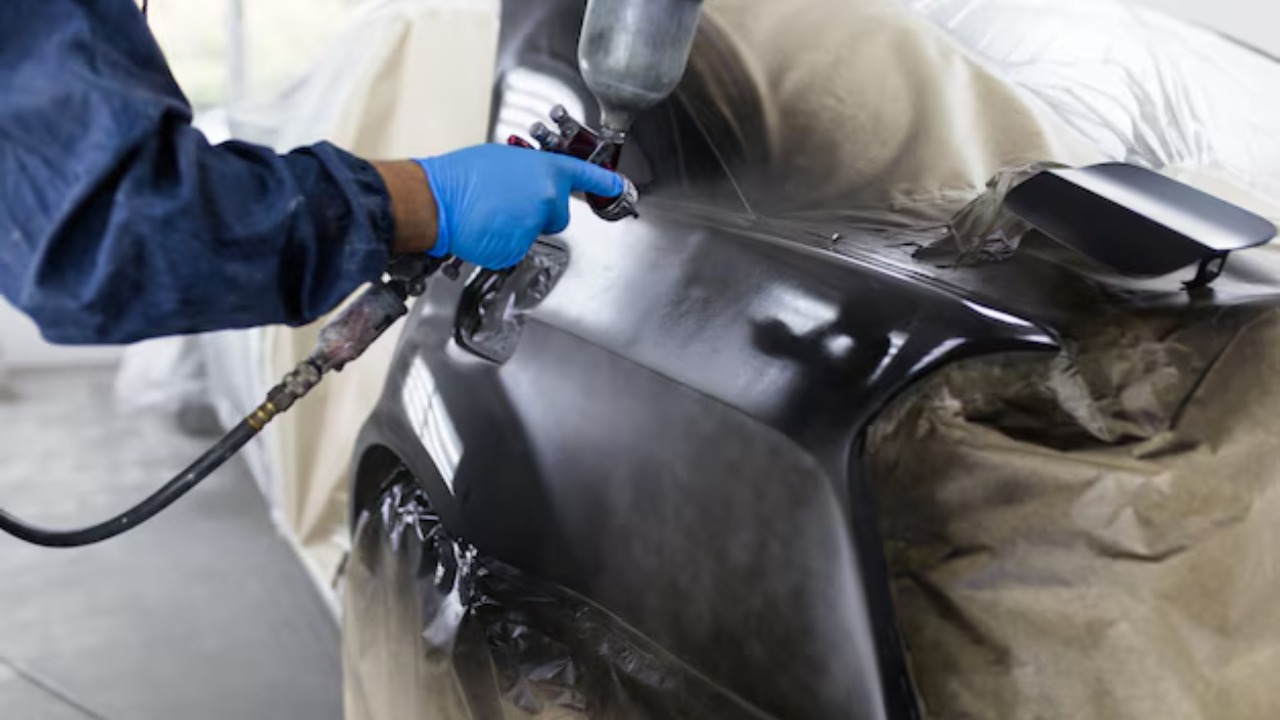
Car owners can take proactive steps to protect their vehicle’s paint. Routine washing and waxing are essential to shield the paint from environmental damage and contaminants. Regular maintenance helps remove harmful substances before they can cause significant damage.
Another effective measure is the application of protective films or ceramic coatings. These products provide an additional layer of protection, enhancing the durability of the car’s paint job. By investing in these protective measures, car owners can significantly extend the life of their vehicle’s finish.
Industry Innovations and Future Trends
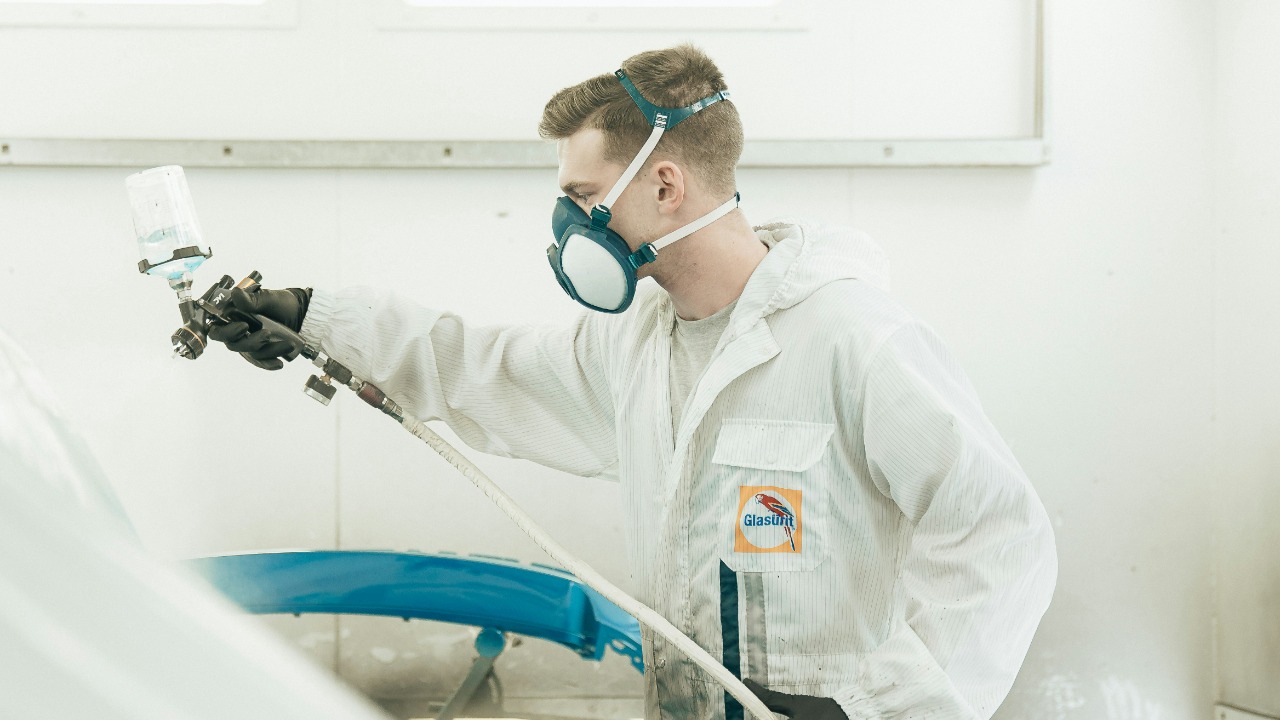
Advancements in paint technology are underway, promising more durable and environmentally friendly solutions. Researchers are exploring new materials and formulations that could offer longer-lasting finishes, balancing the need for sustainability with durability.
The automotive industry is also adopting novel application methods and materials to revolutionize car paint jobs. These innovations could lead to significant improvements in how vehicles are painted and maintained, reducing the frequency of premature paint failures and enhancing the overall quality of car finishes.
