NASA’s involvement with military jet designs might seem unusual at first glance, but it serves crucial purposes for both aeronautics and national defense. By testing military jets, NASA contributes to technological advancements, safety improvements, and the development of next-generation aerospace capabilities.
The Historical Relationship Between NASA and Military Aviation
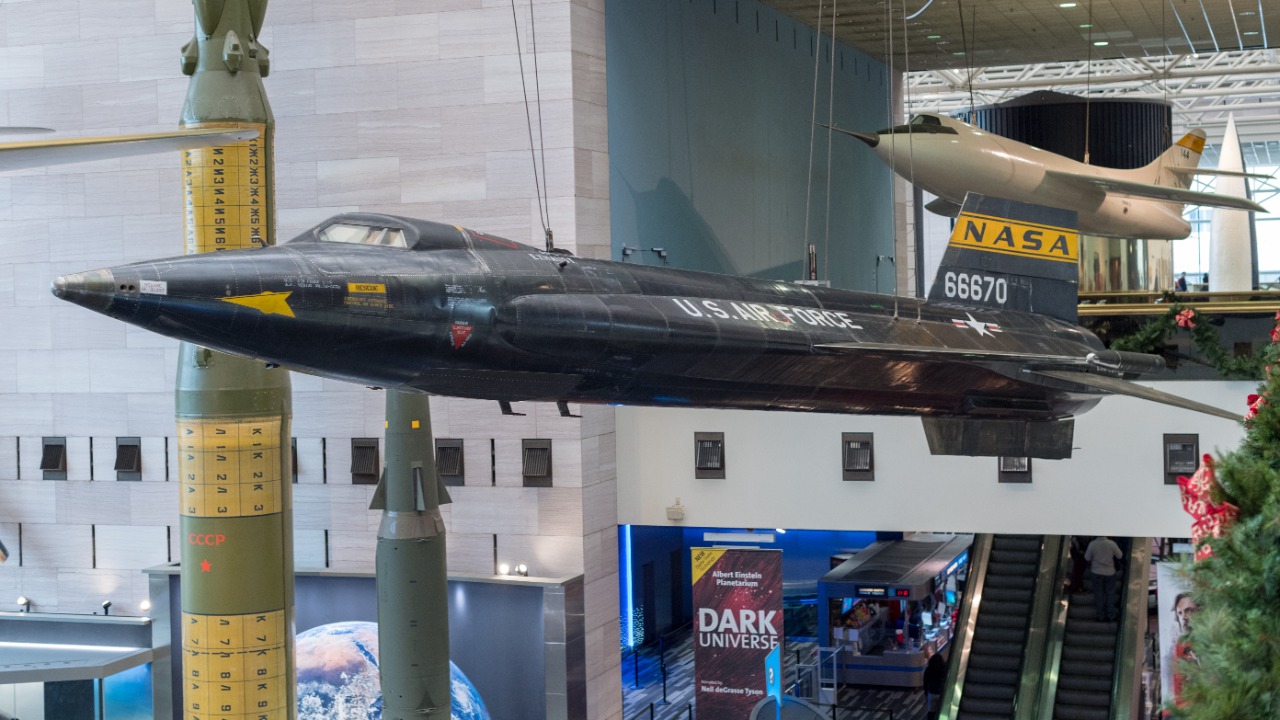
NASA’s collaboration with military aviation projects dates back to its inception in 1958. From the beginning, NASA has worked closely with military agencies, driven by the shared goal of advancing aeronautical technology. During the Cold War, this collaboration became even more pronounced as the United States sought to maintain its technological edge in a rapidly evolving global landscape.
One of the most significant early collaborations was the X-15 program, which played a critical role in laying the groundwork for modern aerospace capabilities. This program not only pushed the boundaries of high-speed flight but also provided invaluable data that informed the development of future military aircraft. Through these early projects, NASA and military agencies established a symbiotic relationship, leveraging each other’s strengths to achieve common objectives.
Technological Advancements and Innovations
NASA’s testing of military jets is pivotal in refining and enhancing performance characteristics such as speed and maneuverability. By conducting rigorous flight tests and simulations, NASA helps optimize aircraft designs, leading to jets that are faster, more agile, and better suited to modern combat scenarios. These advancements are not limited to performance metrics; they also include improvements in pilot safety and comfort.
One area where NASA has made significant contributions is in the development of advanced life support systems for fighter pilots. These systems are crucial for ensuring safety in extreme environments, allowing pilots to operate effectively at high altitudes and speeds. NASA’s research in this area has led to innovations that benefit both military and civilian aviation sectors, demonstrating the dual-use nature of many aerospace technologies.
Improving Safety and Reducing Risks
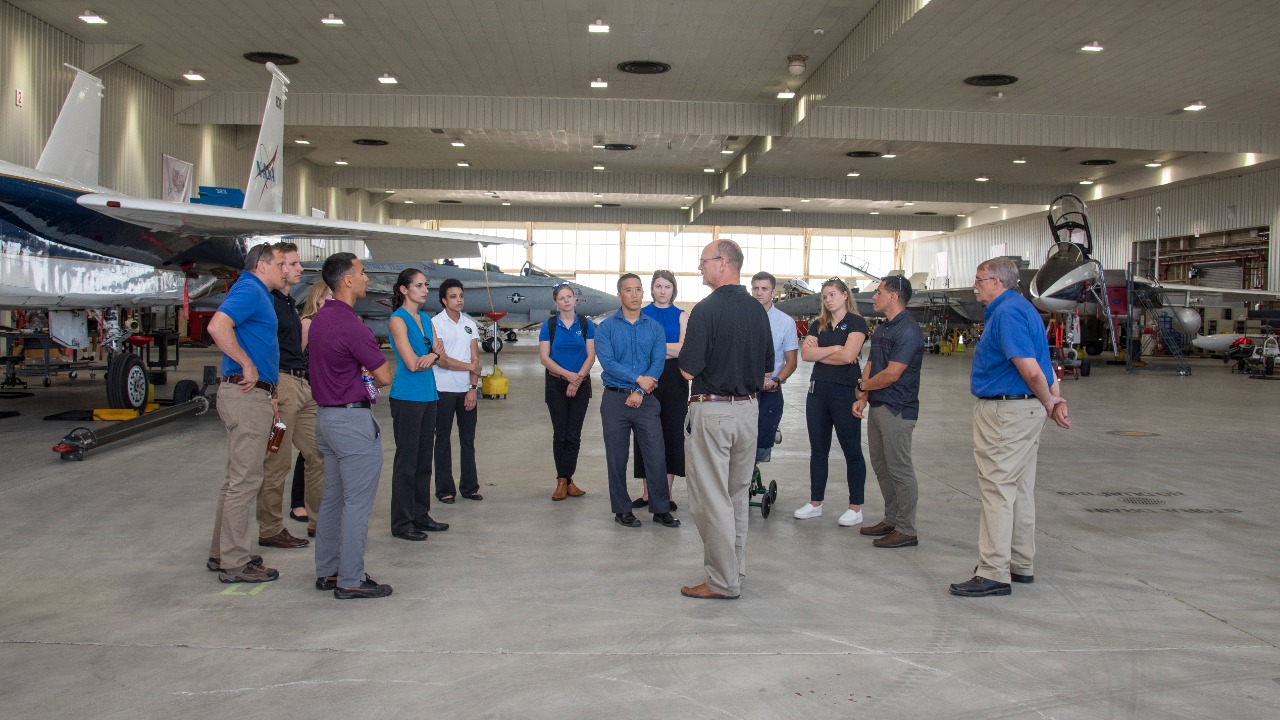
Safety is a paramount concern in military aviation, and NASA’s testing protocols play a crucial role in identifying potential design flaws before they become critical issues. By subjecting aircraft to a wide range of tests, NASA helps ensure that jets meet stringent safety standards, reducing the risk of accidents and enhancing overall reliability.
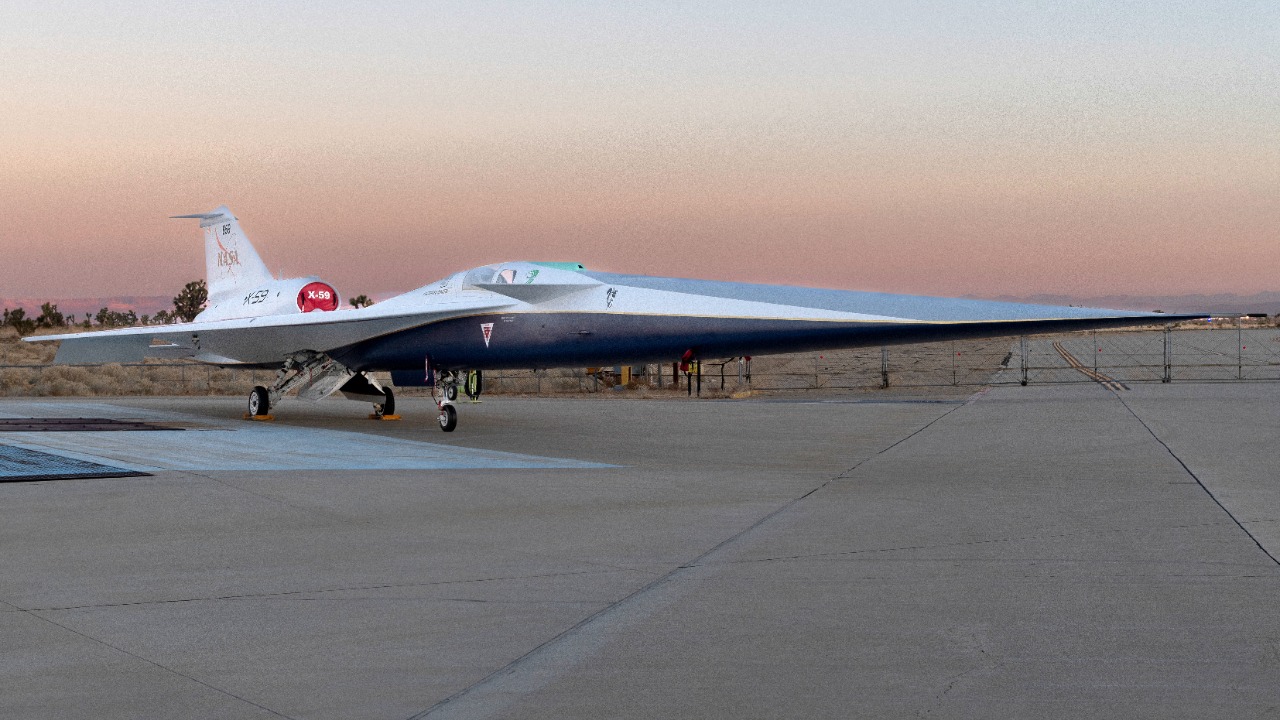
NASA’s involvement in developing quieter supersonic technology, such as the X-59, aims to minimize noise pollution associated with supersonic flights. This initiative not only benefits military operations by enabling stealthier missions but also has implications for commercial aviation by paving the way for supersonic passenger travel. Case studies have shown that NASA’s research can directly lead to safety improvements in military aviation, highlighting the importance of its role in this field.
Collaboration with Defense Agencies and Private Sector
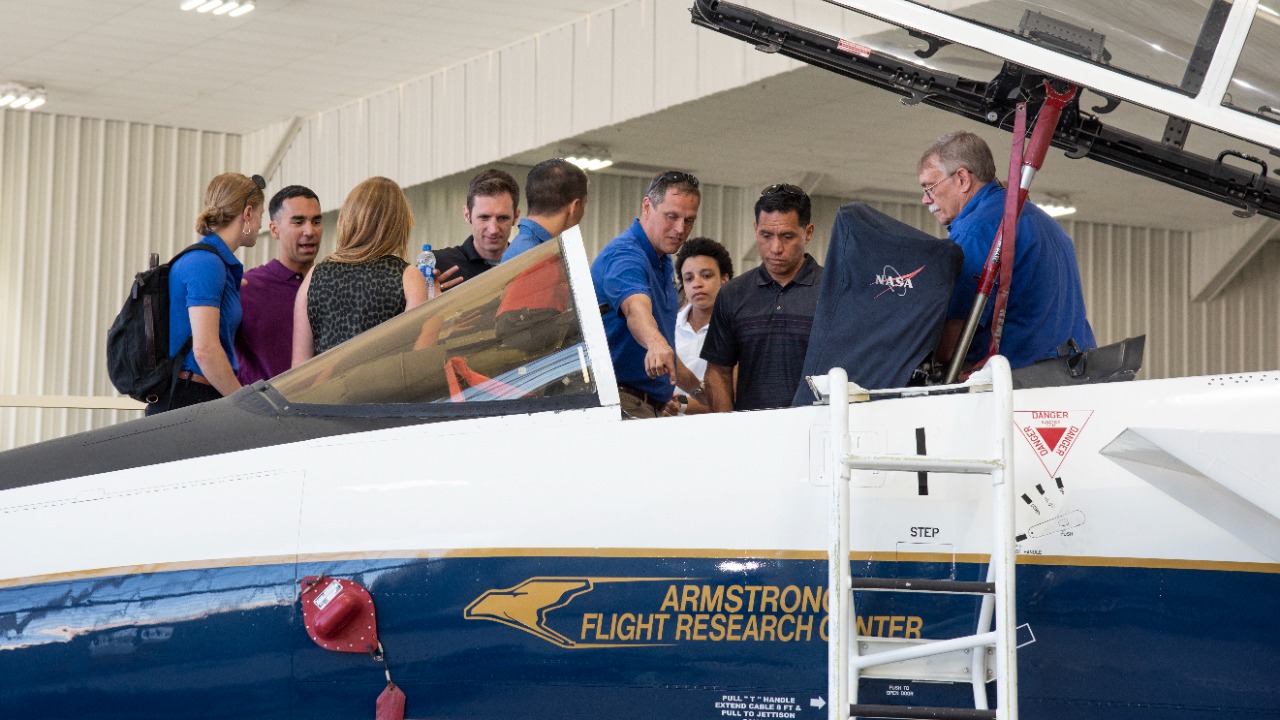
NASA’s partnerships with defense agencies and private sector companies are instrumental in advancing aerospace technology. Collaborations with agencies like DARPA on projects such as the experimental space plane underscore the importance of these joint efforts in pushing the boundaries of what is possible in aviation.
Similarly, NASA’s work with aerospace companies like Lockheed Martin facilitates the creation of cutting-edge aircraft. By pooling resources and expertise, these partnerships accelerate technological advancements and ensure that new innovations are quickly integrated into operational capabilities. This collaborative approach not only benefits the military but also has far-reaching implications for the broader aerospace industry.
The Future of Aeronautical Research and Military Applications
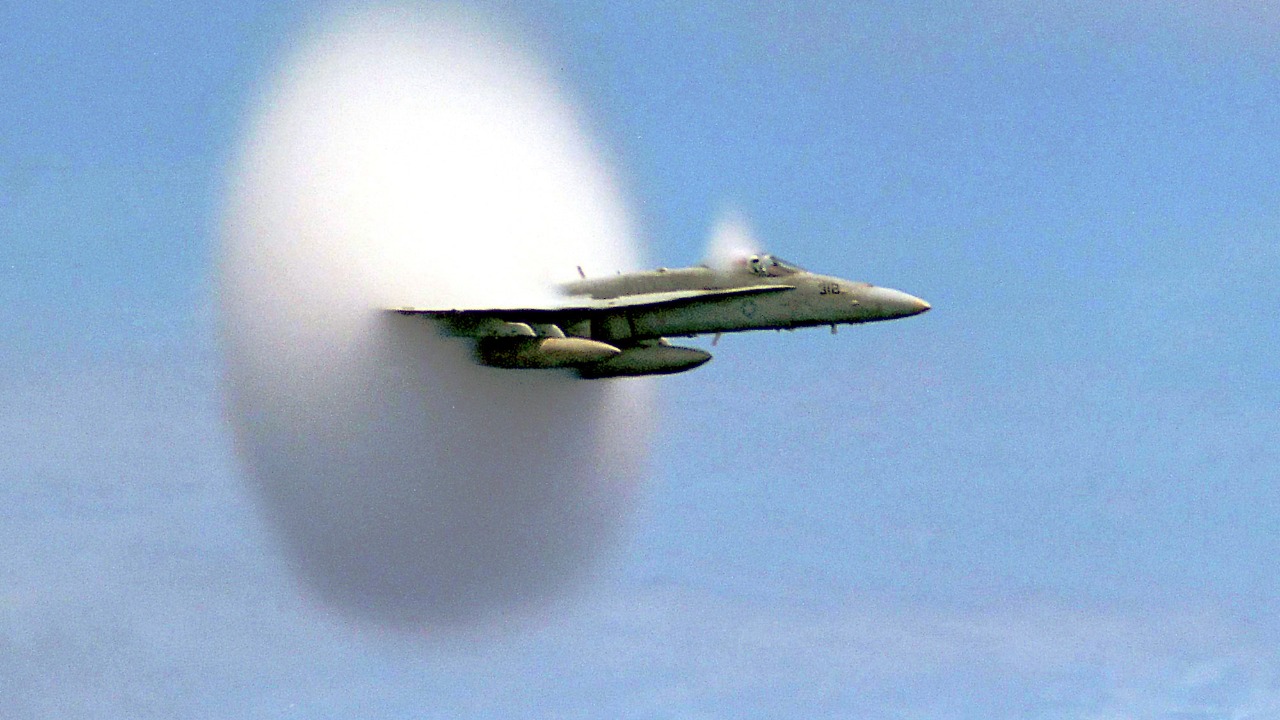
Looking ahead, NASA’s ongoing research and testing of military jet designs are likely to yield exciting new projects and breakthroughs. Advancements in stealth technology and hypersonic flight are areas of particular interest, with the potential to redefine military aviation and alter the balance of global security.
The implications of these advancements for the aerospace industry are profound. As new technologies emerge, they will shape industry trends and influence the development of future aircraft. These innovations will not only enhance military capabilities but will also have civilian applications, potentially leading to transformative changes in how we travel and conduct commerce in the skies.
