
For decades, Mars has been at the forefront of NASA’s and SpaceX’s space exploration ambitions. However, recent discussions have sparked interest in Venus as a potential alternative for human colonization and scientific research. The unique challenges and opportunities each planet presents lead us to question whether efforts should be redirected from Mars to Venus.
The Case for Venus Exploration
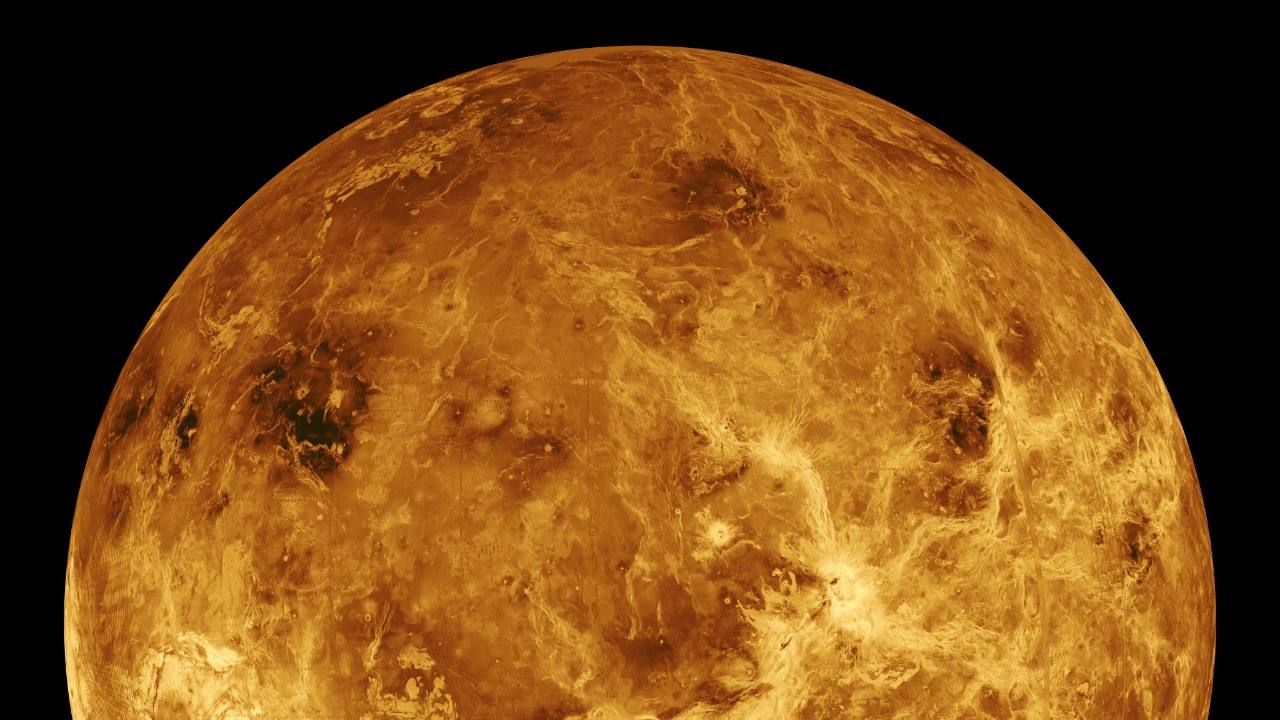
One of the primary advantages of Venus over Mars is its proximity to Earth. Venus is significantly closer, with an average distance of about 38 million kilometers compared to Mars’ average distance of 225 million kilometers. This proximity means that travel time to Venus could be as short as a few months, compared to the years it might take to reach Mars. Such a reduction in travel time not only lowers the cost of missions but also allows for more frequent trips, enhancing opportunities for data collection and research.
Venus’ atmosphere presents unique benefits. Its thick atmosphere, composed primarily of carbon dioxide, acts as a shield against cosmic rays, a major concern for Mars missions where the atmosphere is thin and offers little protection. The potential to utilize Venus’ atmosphere for experiments related to Earth’s own atmospheric challenges is another compelling reason to explore. Understanding the dynamics of Venus’ atmosphere could provide insights into climate change and atmospheric processes on Earth.
Technological and Logistical Challenges

Despite its proximity, Venus presents formidable challenges. The planet’s surface conditions are harsh, with temperatures soaring above 460°C and atmospheric pressure over 90 times that of Earth. These extreme conditions pose significant engineering challenges for any landing or operation attempts. Advanced technology is necessary to withstand the corrosive sulfuric acid clouds and maintain functionality over time. The development of materials and systems that can endure these conditions is a critical hurdle.
Infrastructure development on Venus is another challenge. Establishing a research station or floating habitats in Venus’ atmosphere is a concept that raises questions about feasibility and cost. While floating habitats could potentially avoid the extreme conditions on the surface, sustaining human life in orbit or within the Venusian atmosphere is complex. Comparatively, Mars’ surface, although barren and cold, is more stable, presenting a different set of challenges for life support and infrastructure development.
Scientific Opportunities on Venus

Venus offers exciting scientific opportunities, particularly in understanding planetary evolution. Despite being similar in size and composition to Earth, Venus has evolved into a planet with vastly different environmental conditions. Studying these differences can provide insights into why Earth has remained habitable while Venus has not. Additionally, Venus’ volcanic activity offers a chance to study geological processes that could inform our understanding of Earth’s own volcanic systems.
The recent discovery of phosphine gas in Venus’ atmosphere has sparked debates about the possibility of life. Some scientists suggest that this could indicate microbial life, a discovery that would redefine our understanding of life’s adaptability. Exploring Venus for unique life forms adapted to its harsh conditions could offer new perspectives on the potential for life elsewhere in the universe, making it a valuable target for astrobiology.
Comparative Analysis: Mars vs. Venus
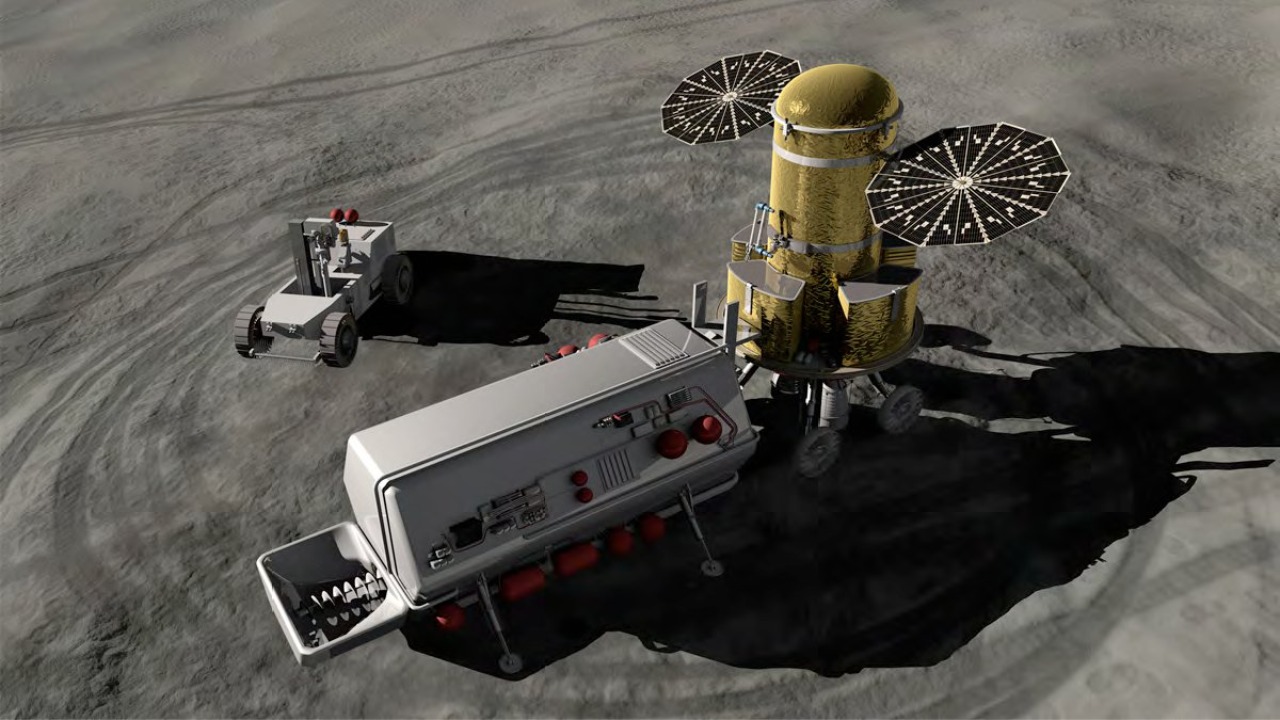
When examining the habitability potential, it’s crucial to compare Mars’ surface with the concept of floating habitats in Venus’ atmosphere. Mars presents a solid surface for potential colonization, albeit with challenges such as low temperatures and high radiation levels. Venus, on the other hand, offers a unique opportunity to explore floating habitats at altitudes with Earth-like pressures and temperatures. Evaluating the long-term sustainability of human presence on both planets involves assessing these factors alongside the engineering solutions required for each environment.
Resource utilization is another critical factor. Mars is believed to have water ice, which could be used to support human life and produce fuel, making it a compelling candidate for in-situ resource utilization (ISRU). Venus’ atmosphere contains elements like sulfuric acid and carbon dioxide, which could potentially be harnessed for chemical processes. The prospects for ISRU on both planets are vital to reducing dependency on Earth for supplies, a key consideration for sustainable colonization efforts.
Strategic Considerations for NASA and SpaceX
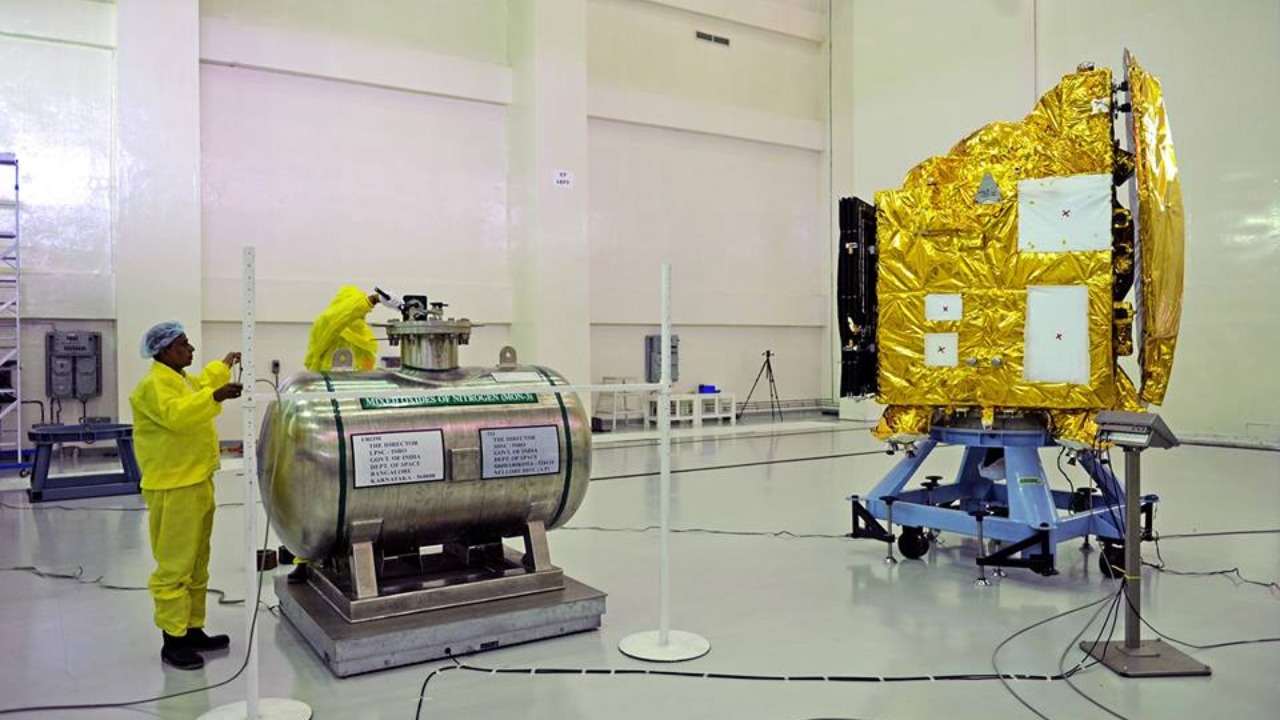
For NASA and SpaceX, mission objectives and priorities play a crucial role in determining the focus of future exploration. Venus missions could align with goals to understand planetary environments and life’s adaptability, complementing efforts on Mars. Collaborative international efforts, similar to those seen in the International Space Station, could enhance the exploration of Venus by leveraging global resources and expertise.
Public and scientific interest is another consideration. While Mars has captivated imaginations for decades, the intrigue surrounding Venus is growing. Gauging public opinion and scientific community interest is essential in determining the direction of future missions. Private companies, like SpaceX, play a pivotal role in driving innovation and exploration. Their involvement in Venus missions could accelerate technological advancements and open new frontiers in space exploration. A recent article discusses the potential for such collaborative efforts.
