
Technological advancements are continually shaping our world, including the field of military operations. A new phase in warfare is emerging, marked by the rise of autonomous AI swarms. These advancements offer great potential, but also carry profound implications for future warfare and international security.
The Concept of Autonomous AI Swarms in Military Operations
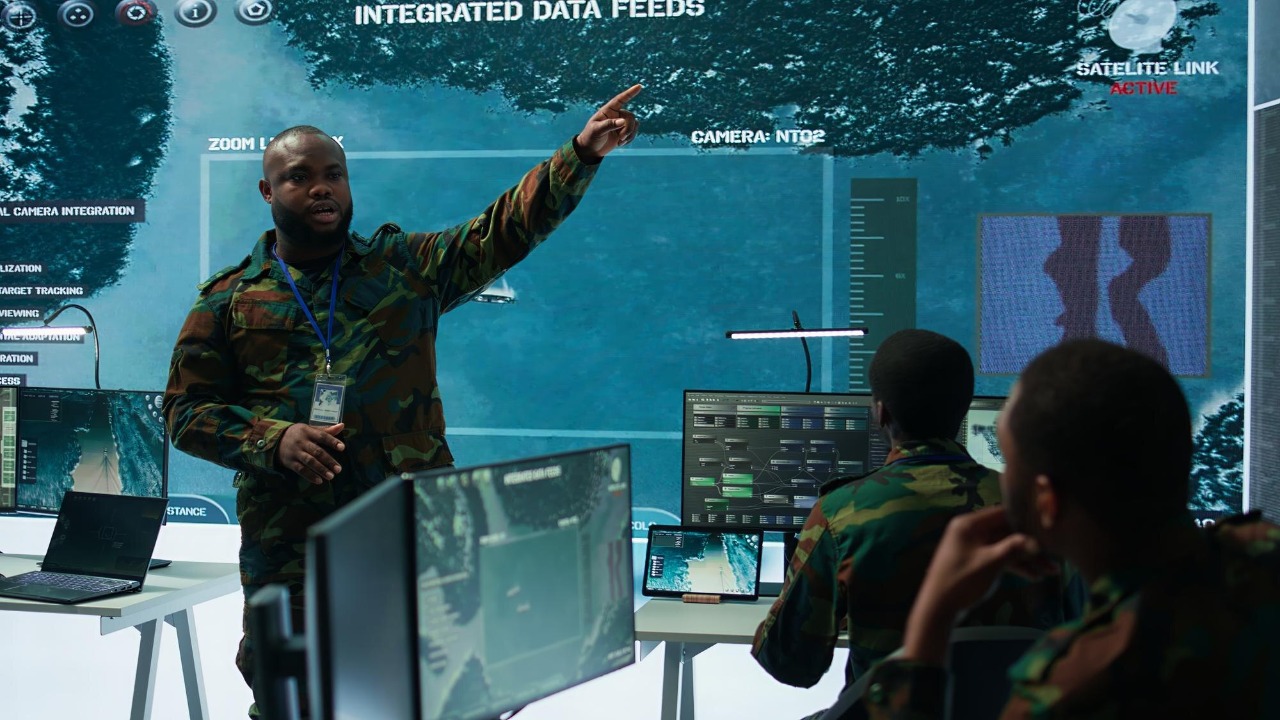
Autonomous AI swarms refer to groups of AI-powered systems that can operate independently, make decisions, and execute tasks without human intervention. These swarms, often comprising drones or robots, are capable of coordinating their actions to achieve a common goal. This concept has evolved from the increasing role of AI in military operations, where AI has been used for tasks ranging from data analysis to direct combat.
The shift from traditional warfare to AI-assisted combat is driven by the capabilities of AI to quickly process vast amounts of data and make real-time decisions. For instance, AI can identify targets, assess threats, and execute strategic maneuvers faster than human operators. Whether it’s AI’s growing role in analyzing intelligence data or its use in autonomous weapons, AI is becoming a crucial component of military operations.
Why Militaries are Investing in Autonomous AI Swarms
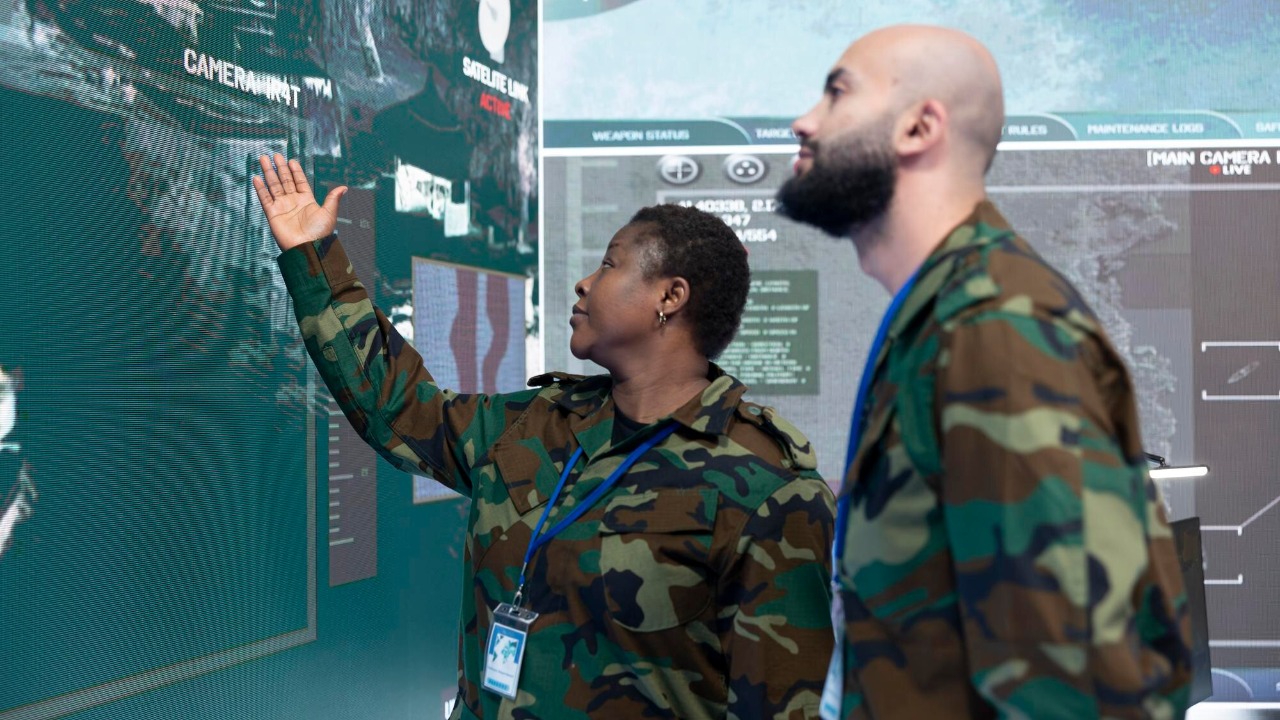
One of the primary reasons militaries are investing in autonomous AI swarms is their strategic advantages in warfare. AI swarms offer speed, efficiency, and scalability that traditional human-operated systems cannot match. For instance, a swarm of drones can cover a larger area faster and more efficiently than a single drone, making them ideal for surveillance and reconnaissance operations.
Moreover, autonomous AI swarms can enhance military capabilities in various ways. They can be used in defensive operations, for instance, to intercept incoming missiles or to provide cover for ground troops. AI swarms also offer potential for cost-effective warfare as they can be produced and operated at a fraction of the cost of traditional military assets, such as manned aircraft or tanks.
Real-World Applications and Experimentations
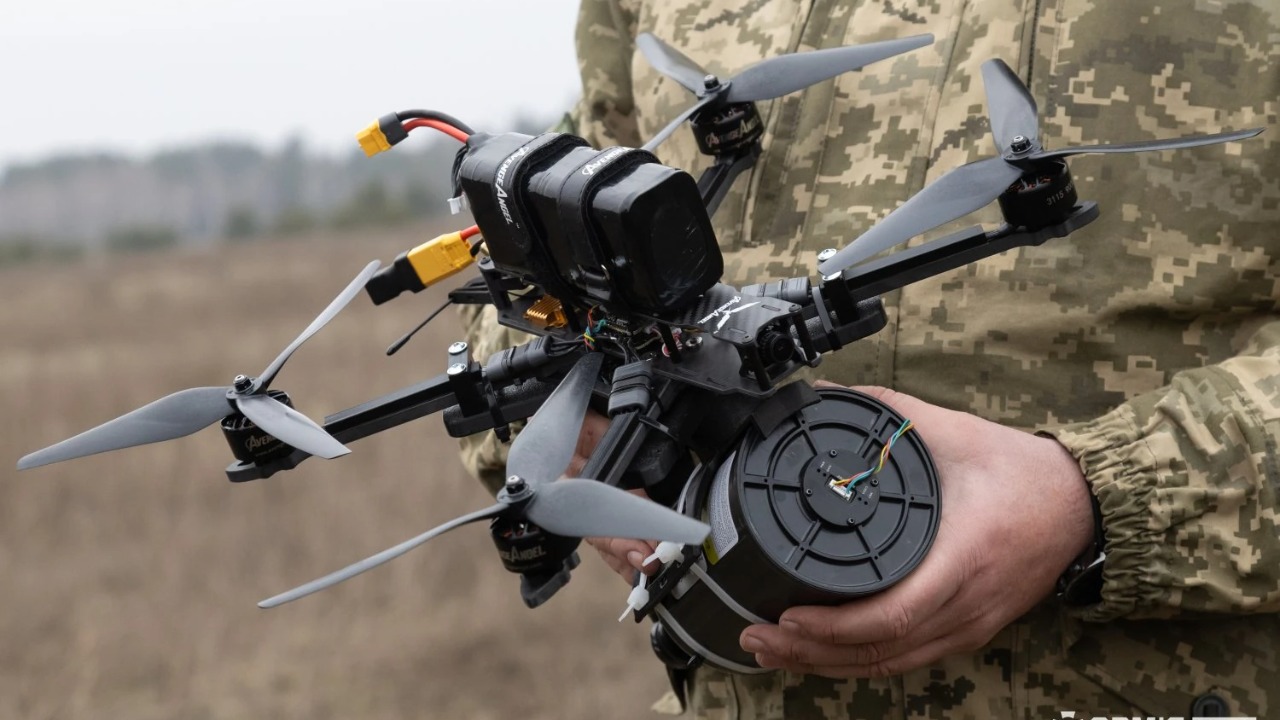
Several militaries around the world have started to experiment with autonomous AI swarms. For example, the US military has conducted exercises with AI-powered drone swarms, demonstrating their potential for real-world applications. These drones were able to autonomously navigate and coordinate their actions, showcasing the potential use of AI swarms in various military fields including surveillance, reconnaissance, and combat.
However, the use of AI swarms in real-world situations also presents several challenges. Ensuring reliable communication between swarm members, preventing malfunctions, and maintaining control over autonomous systems are some of the issues that need to be addressed. A detailed analysis of the success and challenges of AI swarms in real-world situations can provide valuable insights for future developments.
Implications for Future Warfare and International Security
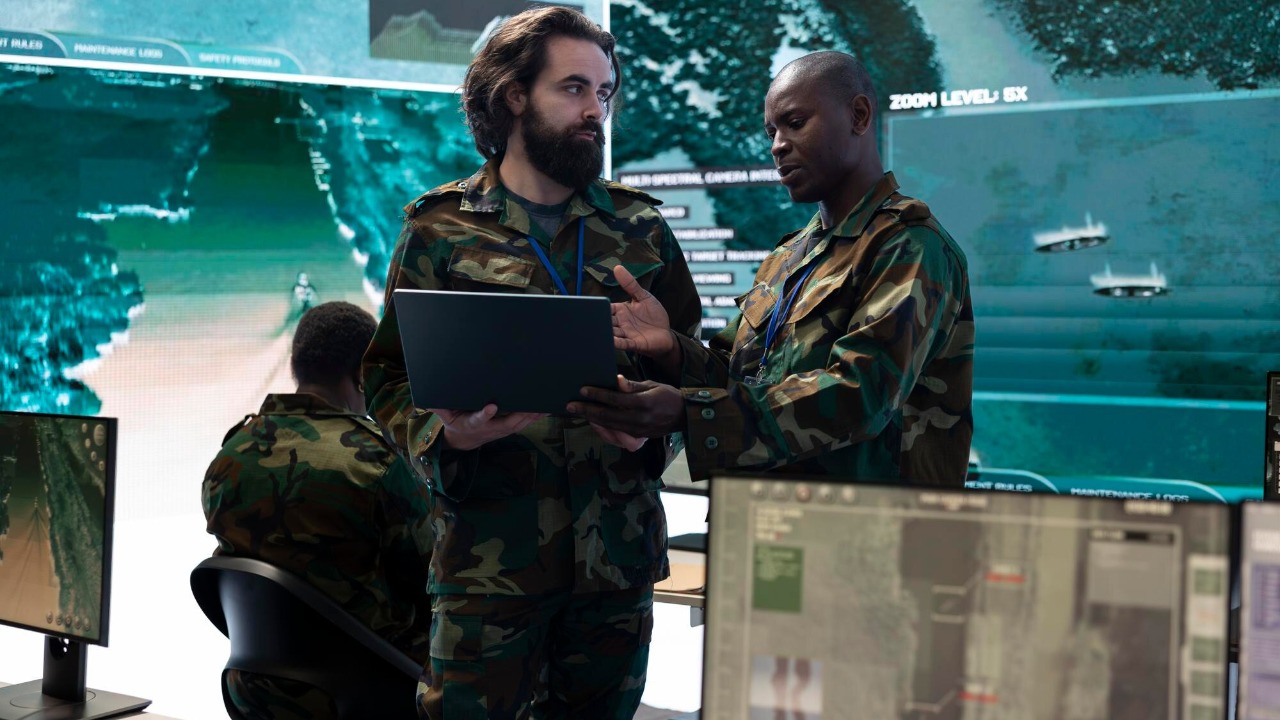
Autonomous AI swarms have the potential to transform future warfare. They could change the dynamics of the battlefield, making warfare faster, more efficient, and potentially less reliant on human soldiers. However, this transformation also raises several ethical, legal, and policy challenges.
The use of AI swarms in warfare could potentially lead to an autonomous arms race, with nations striving to develop more advanced AI weapons. This could escalate conflicts and pose significant risks to international security. The continuing autonomous arms race and its implications for international security is a critical area of concern.
Regulating the Use of Autonomous AI Swarms

Given the potential risks associated with autonomous AI swarms, there is a pressing need for international laws and standards on AI warfare. These regulations should provide clear guidelines on the use of autonomous weapons, define accountability for their use, and establish mechanisms for enforcing compliance.
Several efforts are already underway to regulate AI and autonomous arms. However, these efforts face significant challenges, including the rapid pace of technological advancements and the difficulty of enforcing compliance. Maintaining peace in an era of AI warfare will require concerted international cooperation and robust regulatory frameworks. For further reading on this topic, this journal article provides a comprehensive overview of the challenges and potential solutions in regulating the use of autonomous AI swarms.
