As we confront the pressing issue of climate change, the transportation sector stands out as a key contributor to greenhouse gas emissions. In the quest for environmentally friendly transport solutions, hydrogen trucks could potentially outpace their electric counterparts.
Understanding Hydrogen and Electric Trucks
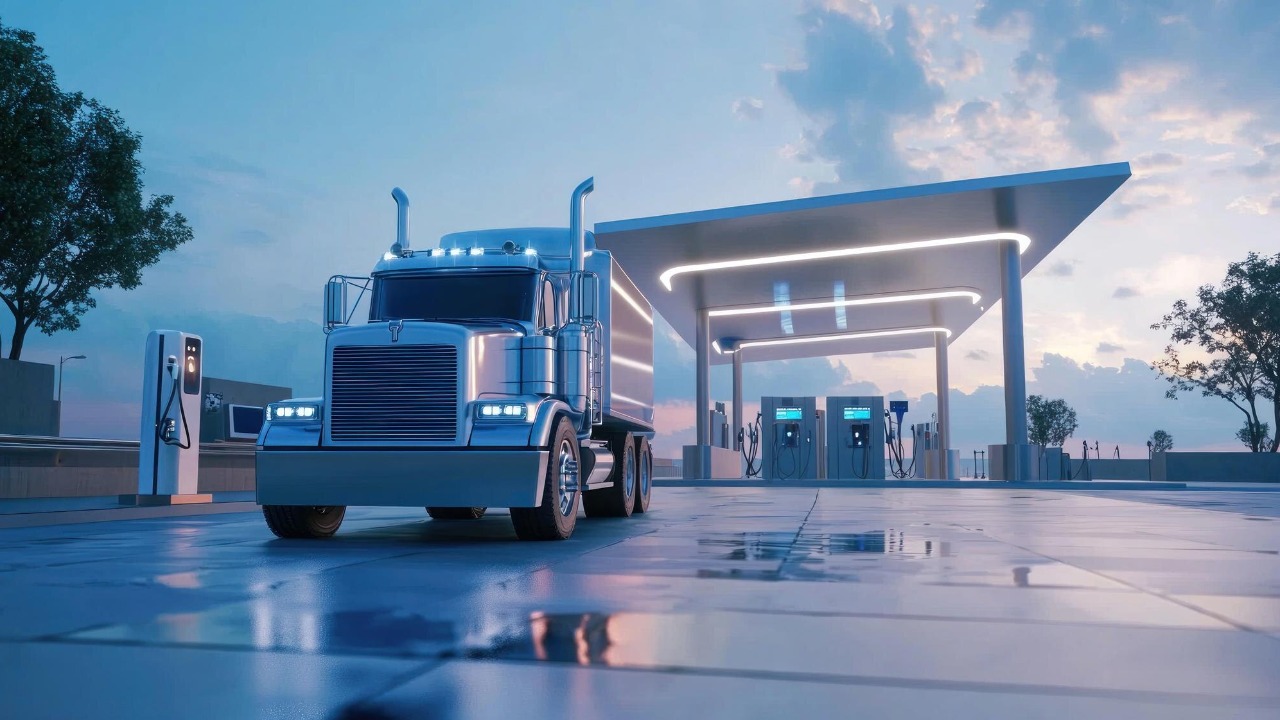
Hydrogen and electric trucks represent promising solutions to reduce emissions in the freight industry. Hydrogen trucks run on fuel cells that combine hydrogen and oxygen to produce electricity, which powers the vehicle’s motor. On the other hand, electric trucks rely on rechargeable batteries to store and deliver power for propulsion.
The two technologies differ notably on energy efficiency and range. While battery-electric vehicles are typically more energy-efficient, hydrogen fuel cell trucks can have a significantly longer range, making them more suitable for long-distance transport. Currently, the market share for both hydrogen and electric trucks is relatively small, but it is rapidly increasing as companies and governments strive to reduce carbon footprints. For a more detailed comparison, you can visit this Reddit discussion.
The Potential of Hydrogen Energy

One of the key benefits of hydrogen as a fuel source is its abundance and renewability. Hydrogen can be produced from a variety of resources, including water, natural gas, and even renewable energy sources like solar and wind. Furthermore, when hydrogen is used in a fuel cell, it only produces water as a byproduct, making it an extremely clean energy source.
Hydrogen has the potential to revolutionize long-haul trucking due to its high energy density and quick refueling times. Recent advancements in hydrogen fuel cell technology have led to improved efficiency and durability, further enhancing its potential for long-distance freight transport. You can learn more about this topic by reading the article “Hydrogen-Powered Trucks: Revolutionizing the Future of Long-Haul Trucking”.
Challenges Facing Electric Trucks
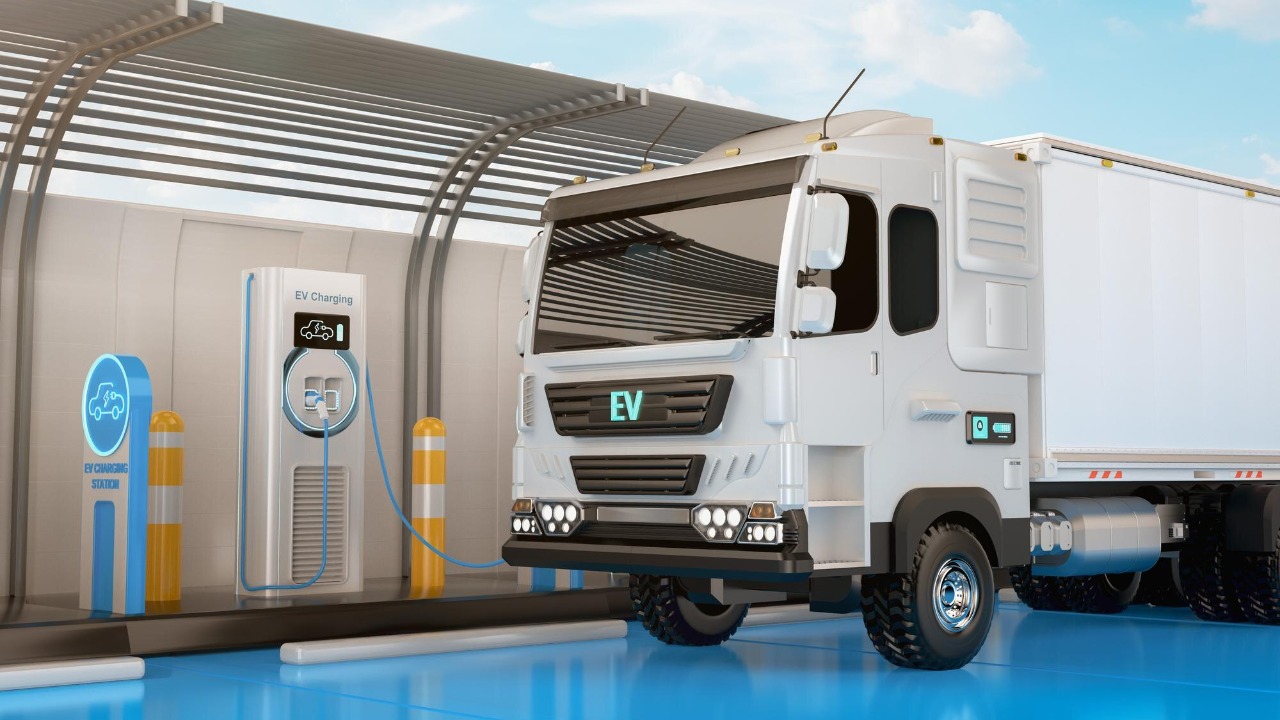
While electric trucks offer many benefits, they also face significant challenges. Battery technology, in particular, presents issues such as long charging times and the heavy weight of batteries, which can limit the payload capacity of the truck. Additionally, the widespread adoption of electric trucks requires the development of an extensive charging infrastructure, a task that can be costly and time-consuming.
There are also environmental considerations to take into account. The mining and disposal of materials used in batteries can have significant environmental impacts. This LinkedIn article provides a detailed analysis of the challenges and triumphs of hydrogen and electric trucks.
The Prospects for Hydrogen Trucks

Hydrogen trucks require a different kind of infrastructure than electric trucks, including refueling stations and hydrogen production facilities. While the development of this infrastructure can be challenging, it also presents opportunities for job creation and economic growth.
Hydrogen trucks offer several advantages over electric ones. Their faster refueling times can increase operational efficiency, and their potentially lower total cost of ownership could make them a more economical choice for businesses in the long run. According to this Quora discussion, many industry experts believe that hydrogen power will play a significant role in the future of semi-trucks.
Obstacles and Solutions for Hydrogen Adoption

Despite its potential, the widespread adoption of hydrogen trucks faces several obstacles. These include high production costs and safety concerns related to the storage and transportation of hydrogen. However, strategies are being developed to overcome these barriers, such as government incentives and collaboration among industry stakeholders.
Policy and regulation also play a critical role in promoting hydrogen trucks. Governments around the world are implementing policies to encourage the use of hydrogen vehicles and to support the development of hydrogen infrastructure. You can find a detailed analysis of the role of policy in promoting hydrogen energy in this research article.
