
Ford’s decision to discontinue its most iconic inline-six engine, the Ford Boss 300, left many automotive enthusiasts puzzled and nostalgic. This article delves into the factors behind Ford’s choice, exploring the evolution of automotive technology, changing consumer preferences, and regulatory pressures that shaped this pivotal decision.
The Legacy of Ford’s Inline-Six Engine

The Ford inline-six engine has a storied history, tracing back to its introduction in the early 20th century. Its development marked a significant advancement in engine technology, offering a combination of power and reliability that helped establish Ford as a household name in the automotive industry. Over the decades, this engine powered a range of vehicles, becoming synonymous with durability and high performance.
The cultural impact of the Ford Boss 300 is undeniable. It became a favorite among car enthusiasts, symbolizing the ruggedness and reliability that Ford represented. The engine’s reputation for performance and longevity fostered a loyal customer base, with many fans sharing their experiences in online communities like the Ford inline-six enthusiast group. This cultural significance contributed to Ford’s brand identity and cemented the engine’s place in automotive history.
Technological Advancements and Changing Trends
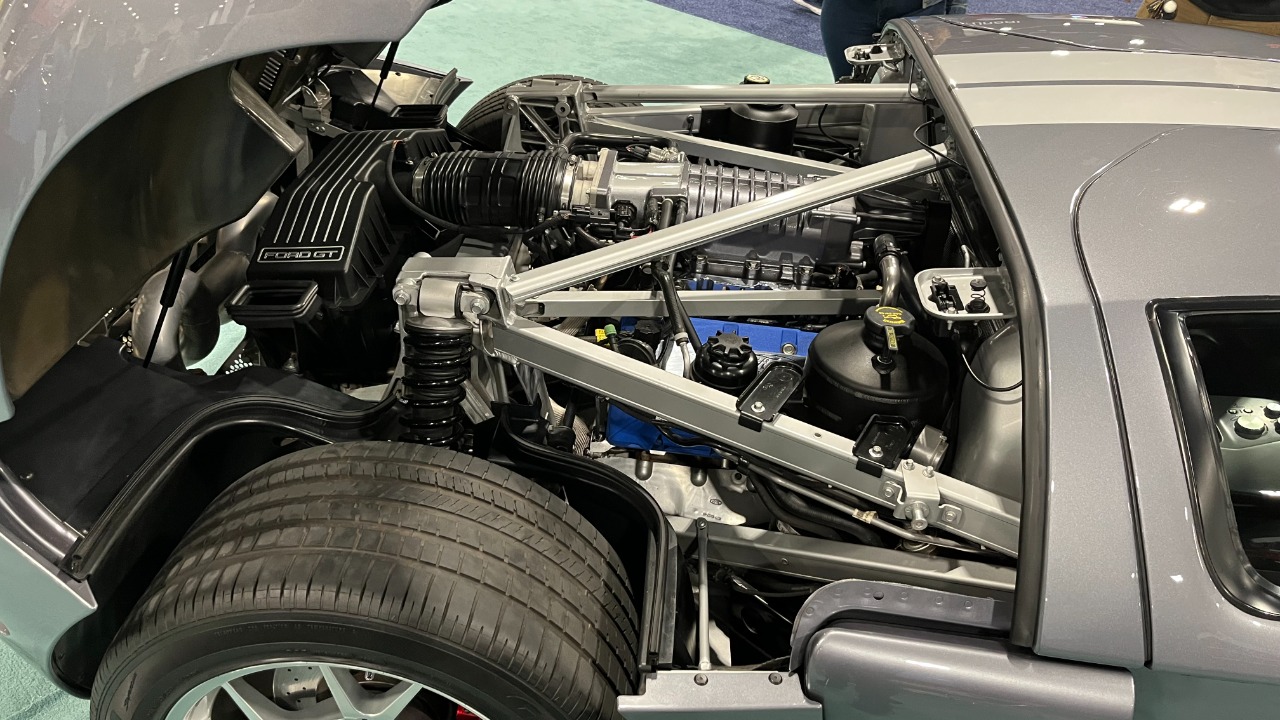
In recent years, the automotive industry has witnessed a shift towards smaller, turbocharged engines. These modern engines offer similar power outputs to the traditional inline-six while delivering improved fuel efficiency and reduced emissions. As a result, many automakers, including Ford, have embraced this trend to stay competitive in a rapidly evolving market.
The rise of hybrid and electric vehicles has further influenced automakers’ decisions to phase out traditional internal combustion engines. Advances in engine technology have made inline-six engines less competitive compared to newer alternatives. The push towards electrification is reshaping the industry, with manufacturers focusing on sustainable solutions that meet growing consumer demand for eco-friendly vehicles.
Regulatory and Environmental Considerations

Stringent global emission standards have placed significant pressure on automakers to develop cleaner and more efficient engines. Inline-six engines, despite their storied past, struggle to meet these increasingly rigorous requirements. As governments worldwide continue to tighten emission regulations, automakers are forced to innovate and adapt their engine designs to comply with these standards.
Consumer demand for fuel-efficient vehicles has further driven manufacturers to prioritize engine designs that maximize miles per gallon. Ford, in line with its commitment to sustainability, has aligned its strategy with the broader industry trend towards reducing carbon footprints. This shift is evident in Ford’s strategic decisions to focus on electrification and other sustainable technologies.
Market Dynamics and Consumer Preferences
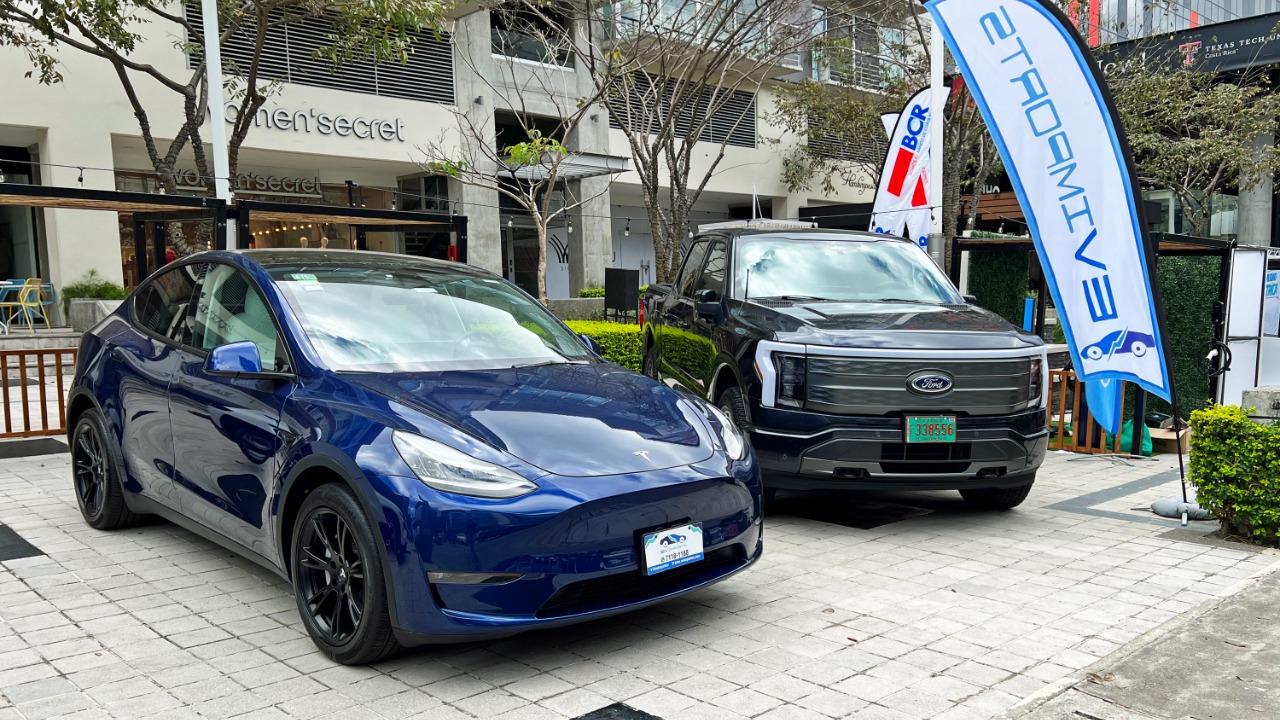
The automotive market has evolved significantly in recent years, with consumers increasingly gravitating towards SUVs and crossovers. This shift in consumer preferences has impacted the demand for traditional inline-six engines, as these larger vehicles often require different powertrain configurations to meet performance and efficiency expectations.
Competitive pressures from other automakers, who have adapted more swiftly to market demands, have also played a role in Ford’s decision to discontinue the inline-six engine. The financial implications of continuing to produce an engine that may no longer meet market needs were likely a significant factor in Ford’s strategic pivot towards other powertrain options.
The Future of Ford’s Engine Lineup
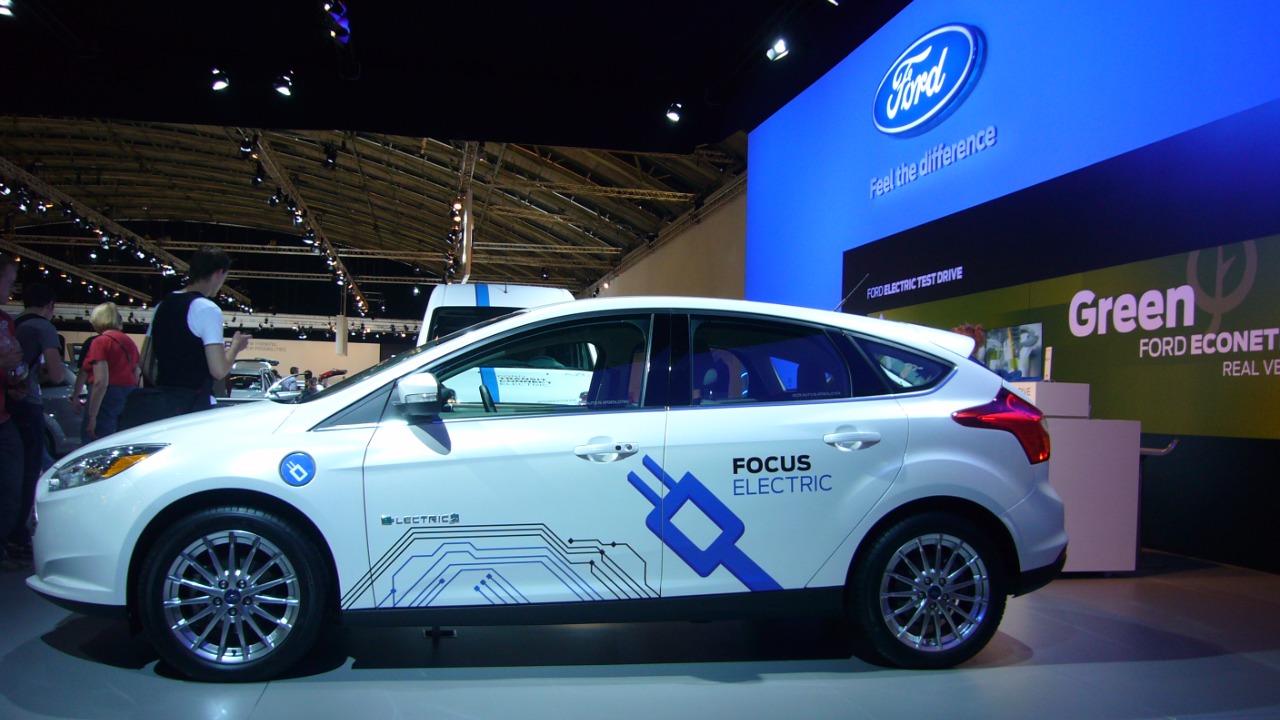
As Ford continues to focus on electrification, the company is investing heavily in hybrid and electric vehicles as part of its future engine strategy. This shift aligns with industry trends and positions Ford to meet the evolving demands of consumers and regulatory bodies alike. The discontinuation of the inline-six engine is a testament to Ford’s adaptability and commitment to innovation.
While the inline-six engine may be a thing of the past, there remains a possibility that Ford could revisit the concept with modern technology adaptations. Lessons learned from the legacy of the Ford Boss 300 could inform future designs, ensuring that Ford continues to deliver engines that resonate with consumers and meet the challenges of tomorrow’s automotive landscape.
