Electric vehicles (EVs) have become the poster children of sustainable transportation, promising a future free from fossil fuels. However, the longevity of EV batteries remains a concern for many consumers and experts alike. Why do EV batteries sometimes fail sooner than expected, challenging the optimistic narratives surrounding their lifespan?
The Reality of EV Battery Lifespan

Complex Chemistry
At the heart of every EV is a lithium-ion battery, a marvel of modern chemistry. These batteries are complex systems where numerous factors, including temperature and the number of charge cycles, significantly impact their performance and longevity. The chemistry within these batteries involves intricate reactions that can be sensitive to external conditions. For instance, frequent exposure to high temperatures can accelerate the chemical reactions, leading to quicker battery degradation. On the flip side, cold temperatures can reduce a battery’s ability to deliver power, which might lead to a perception of reduced performance.
Manufacturing Variability
Manufacturing processes play a crucial role in the quality and lifespan of EV batteries. Variability in production can lead to differences in battery quality, even among units of the same model. This variability can result from material inconsistencies, differences in assembly processes, or even human error. Such discrepancies can have a ripple effect, causing some batteries to age faster than others. As a result, two batteries, seemingly identical, may exhibit different lifespans and performance levels over time.
Degradation Over Time
Natural degradation is an inevitable outcome for all batteries, including those in EVs. As batteries age, their capacity to hold charge diminishes, which translates to reduced driving range over time. This degradation is a result of various factors, including repeated charge and discharge cycles, and can be exacerbated by poor maintenance practices. Understanding and managing this degradation is key to prolonging the effective lifespan of EV batteries.
External Factors Affecting Battery Life

Environmental Conditions
Environmental factors, particularly temperature extremes, can significantly impact battery life. Both hot and cold temperatures can accelerate the wear and tear of batteries. High temperatures can increase the rate of degradation and cause thermal runaway, a dangerous scenario where a battery can overheat and potentially catch fire. Meanwhile, cold temperatures can reduce a battery’s efficiency and range, making it less reliable in colder climates.
Usage Patterns
The way an EV is used can greatly influence the longevity of its battery. Frequent fast charging, for instance, can generate heat and stress the battery, leading to faster degradation. Similarly, high-speed driving and aggressive acceleration can strain the battery, reducing its lifespan. It’s essential for EV owners to be mindful of their driving habits to maximize battery life.
Maintenance Practices
Proper maintenance is critical to prolong the life of EV batteries. Regular software updates can optimize battery performance by adjusting charging protocols and managing power usage more efficiently. Additionally, maintaining optimal charging levels, avoiding full discharges, and keeping the battery within a moderate temperature range can help extend its lifespan.
Technological Limitations and Advancements
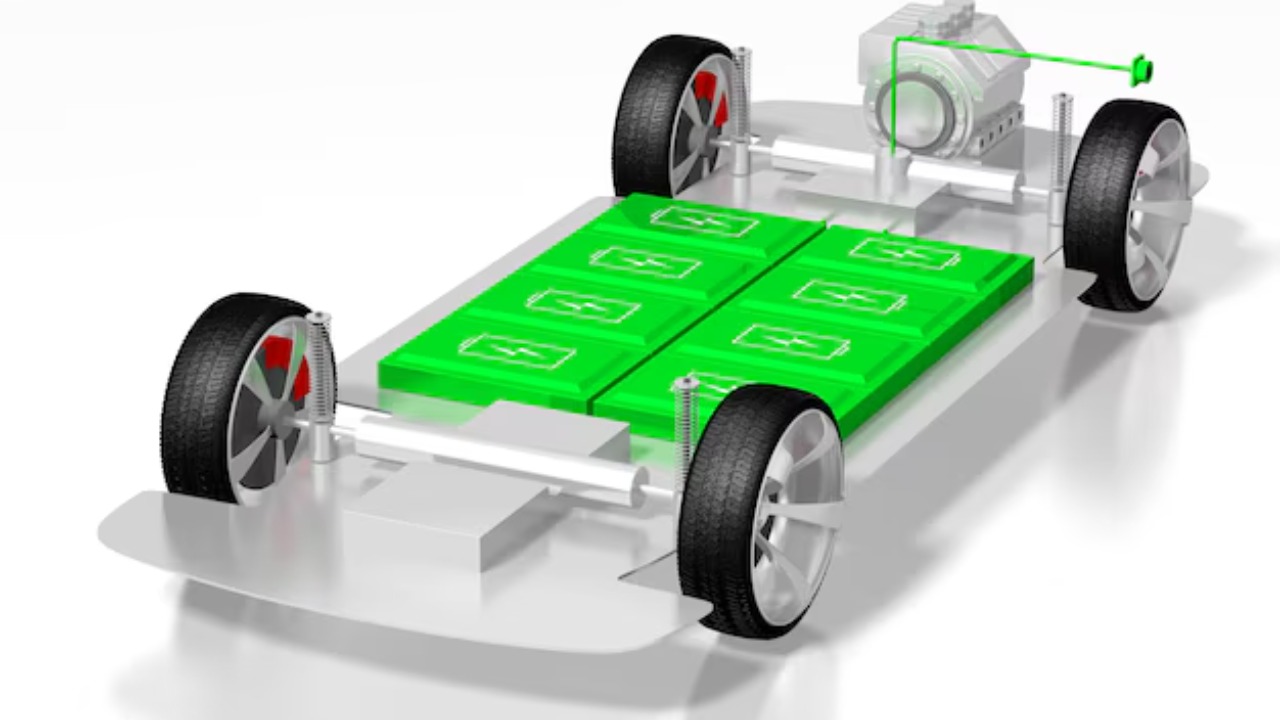
Current Technology Constraints
Today’s battery technology, while advanced, still has its limitations. The energy density of lithium-ion batteries is not yet at a level where it can meet all consumer expectations. Many current battery systems require frequent charging and have limited range capabilities, which can be seen as drawbacks by consumers expecting more from their EVs.
Innovations in Battery Tech
Despite current limitations, the future of battery technology is promising. Research is underway to develop batteries with higher energy densities and longer lifespans. Innovations such as solid-state batteries and improved battery management systems are being explored to address these issues. A recent study suggests that advancements in battery technology could lead to batteries that outlast the vehicles they power.
The Role of Software
Software management systems are playing an increasingly important role in optimizing battery health and efficiency. By monitoring battery conditions and adjusting charging and discharging cycles, these systems can help extend battery life. They provide insights into the state of the battery, allowing for more informed maintenance decisions and enhancing overall vehicle performance.
Economic and Environmental Implications
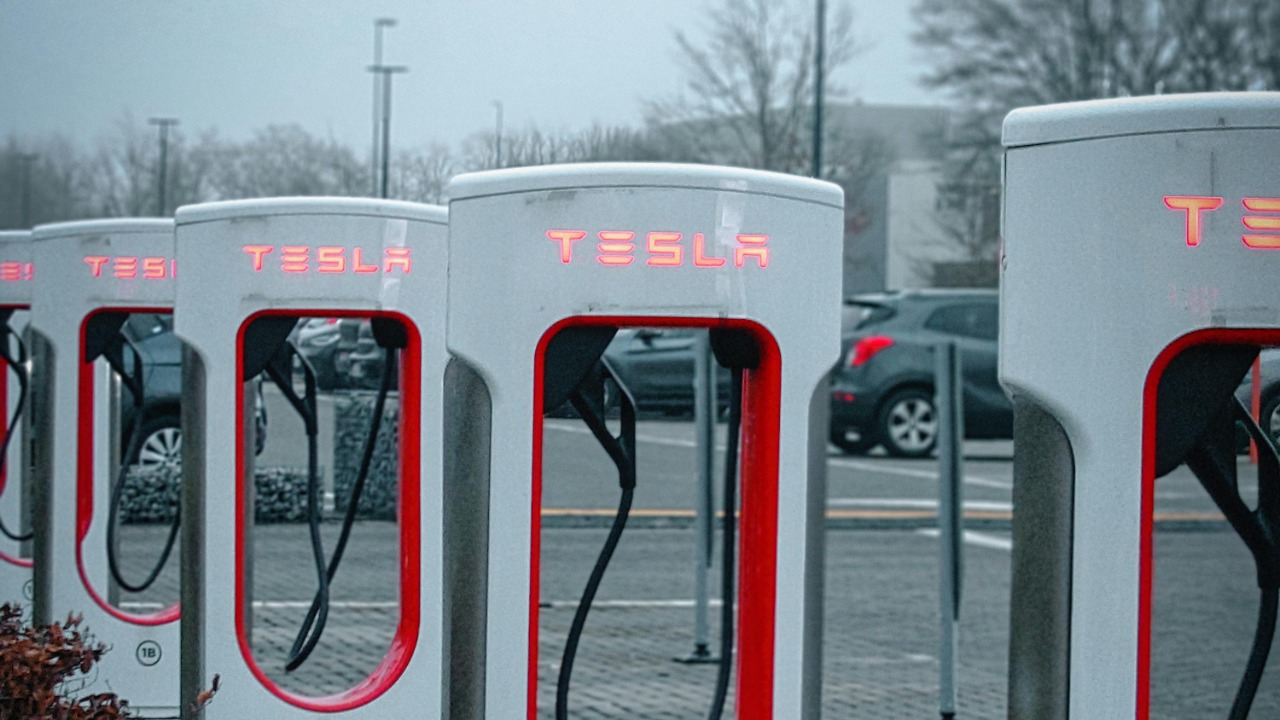
Cost of Replacement
The financial implications of battery replacement are a significant concern for both consumers and manufacturers. Replacing an EV battery can be costly, often reaching several thousand dollars. This high cost can deter potential buyers and affect the resale value of electric vehicles.
Environmental Impact
The environmental cost of EV batteries is another critical issue. The mining of raw materials, such as lithium and cobalt, necessary for battery production, has significant environmental and social impacts. Moreover, the manufacturing and recycling of batteries contribute to carbon emissions. Premature battery failure exacerbates these issues by increasing the demand for replacements, as discussed in this analysis.
Second-Life Applications
Despite their challenges, EV batteries have potential for second-life applications once they are no longer viable in vehicles. Retired batteries can be repurposed for energy storage solutions, providing backup power for homes or stabilizing the grid. This secondary use can extend the usefulness of batteries and mitigate some environmental concerns.
Market Perceptions and Consumer Concerns
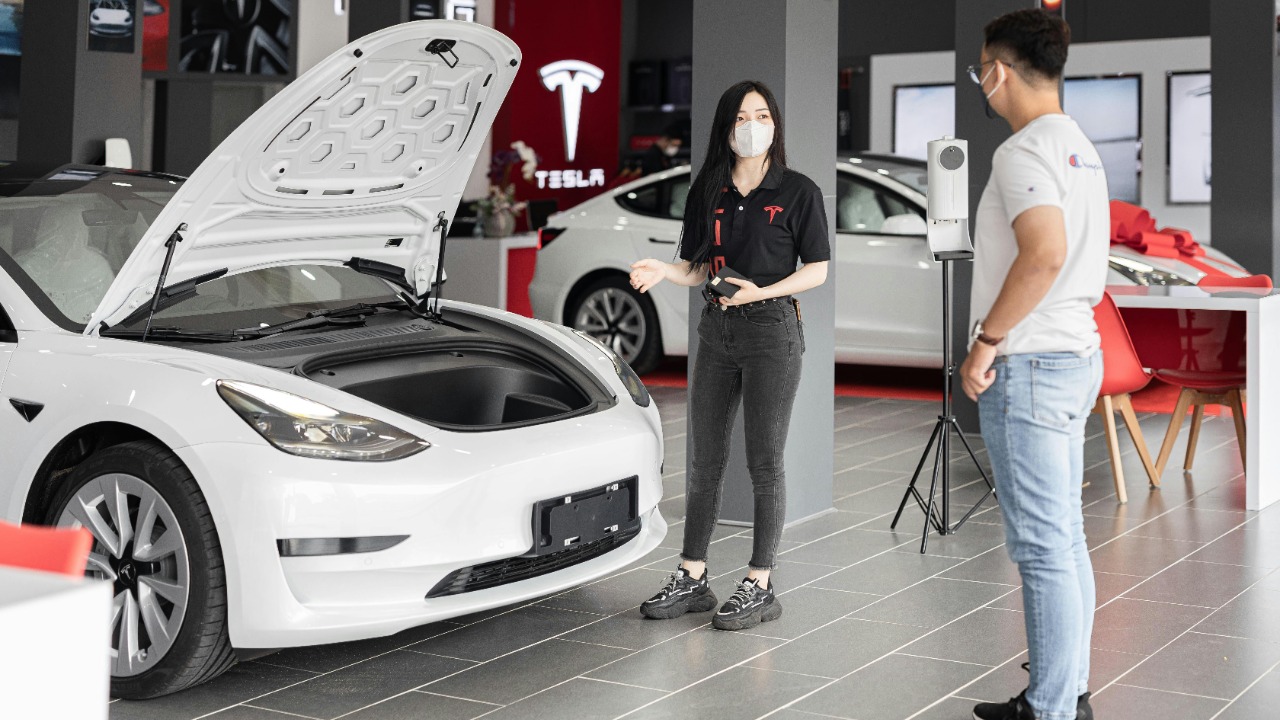
Public Misconceptions
There are several misconceptions about EV battery life and performance that can influence consumer expectations. Many believe that EV batteries will fail completely after a few years, when in reality, they often degrade gradually over time. A study shows that with proper care, EV batteries can last longer than commonly perceived.
Influence of Media and Marketing
Media coverage and marketing strategies play a significant role in shaping public perception of EV battery reliability. While marketing often highlights the benefits and advancements in EV technology, it may not always address the potential drawbacks, leading to unrealistic expectations. This skewed narrative can lead to consumer dissatisfaction when the reality doesn’t meet the hype.
Consumer Education
Educating consumers about realistic expectations and proper battery care is crucial to maximizing EV battery lifespan. Understanding the factors that affect battery health, such as environmental conditions and usage patterns, can empower consumers to make informed decisions and adopt practices that prolong battery life.
