China’s Tiangong space station, operational since 2021, has exceeded many expectations regarding its capabilities and contributions to space research. Despite its achievements, Western analysts have consistently underestimated its potential. The station, located in low Earth orbit, accommodates three astronauts and supports various scientific experiments, challenging the dominance of the International Space Station (ISS) (Source).
Western Underestimation of Tiangong
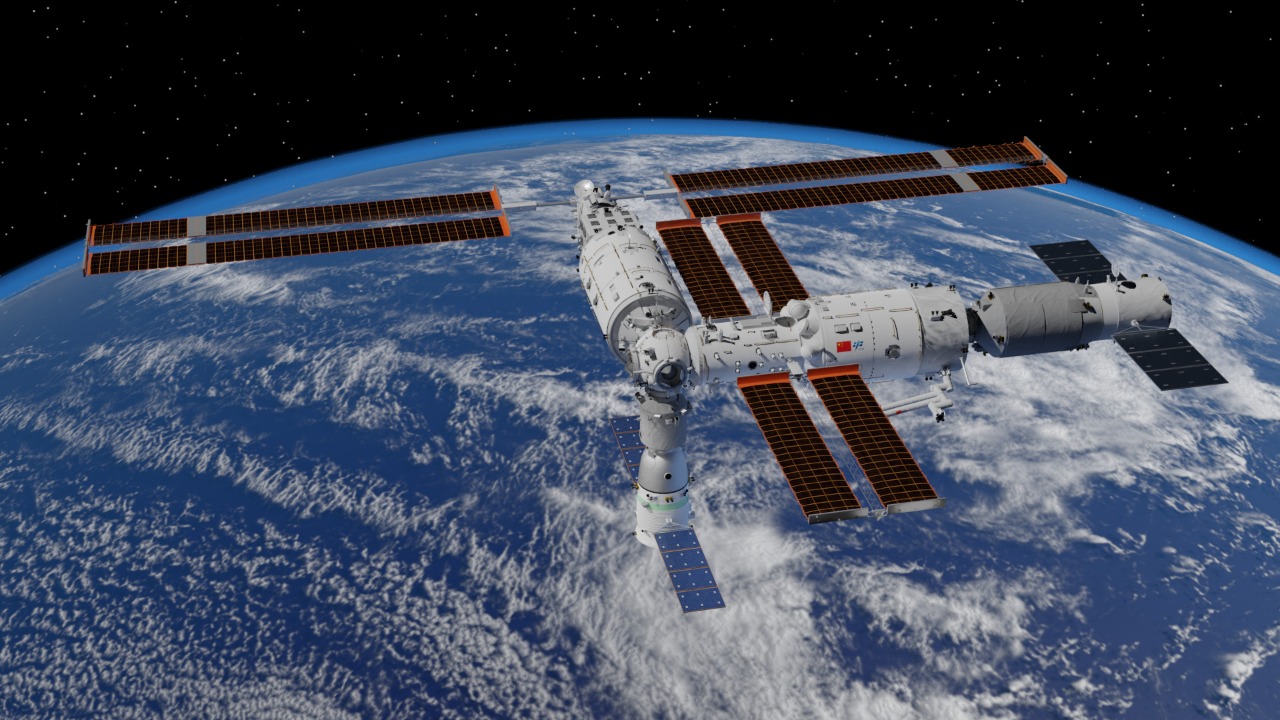
Initially, many Western analysts dismissed Tiangong as an inferior counterpart to the ISS, largely due to its smaller size and China’s relatively recent entry into manned space flight. This perception was rooted in the assumption that China’s space program lacked the sophistication and experience of its Western counterparts (Source). However, this view failed to account for China’s rapid technological advancements and strategic planning, which have been evident in Tiangong’s development.
Forecasts underestimated the speed and efficiency of China’s advancements in space technology. The Tiangong space station’s rapid assembly and operational readiness surprised many observers who did not anticipate such swift progress. This oversight highlights a broader trend of underestimating China’s capabilities in high-tech sectors, including space exploration (Source).
Tiangong’s Technological Advancements
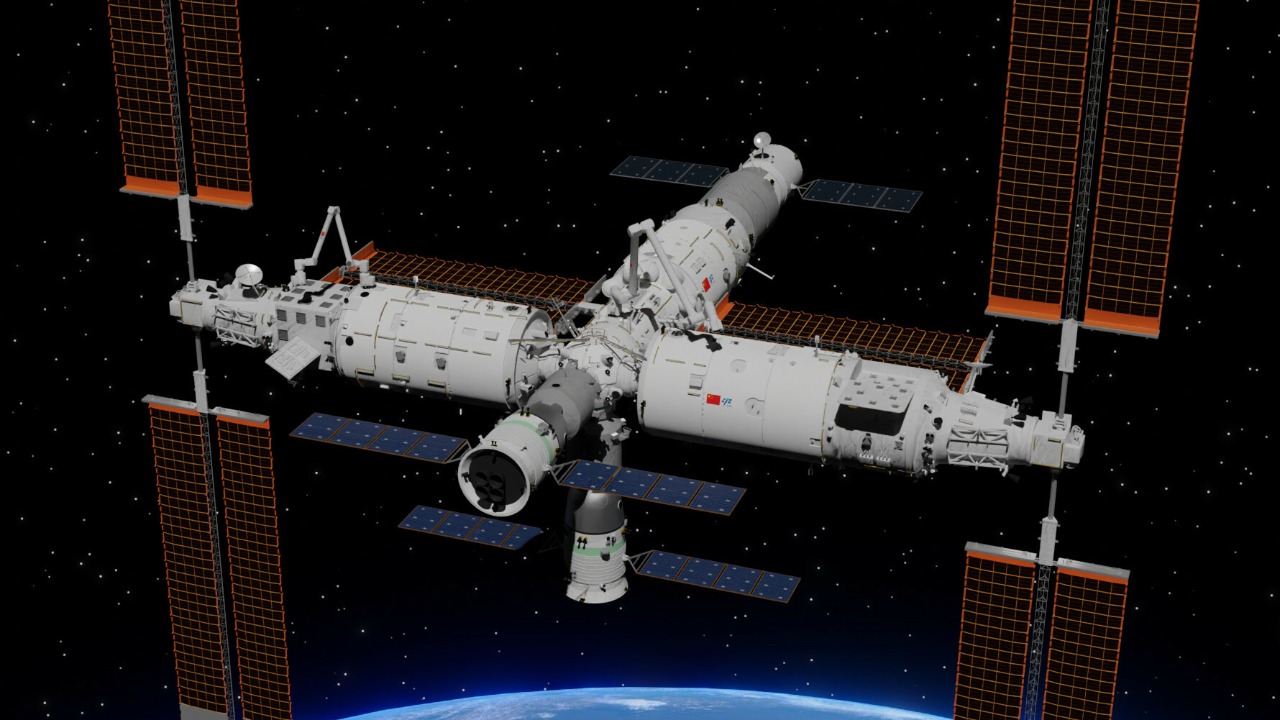
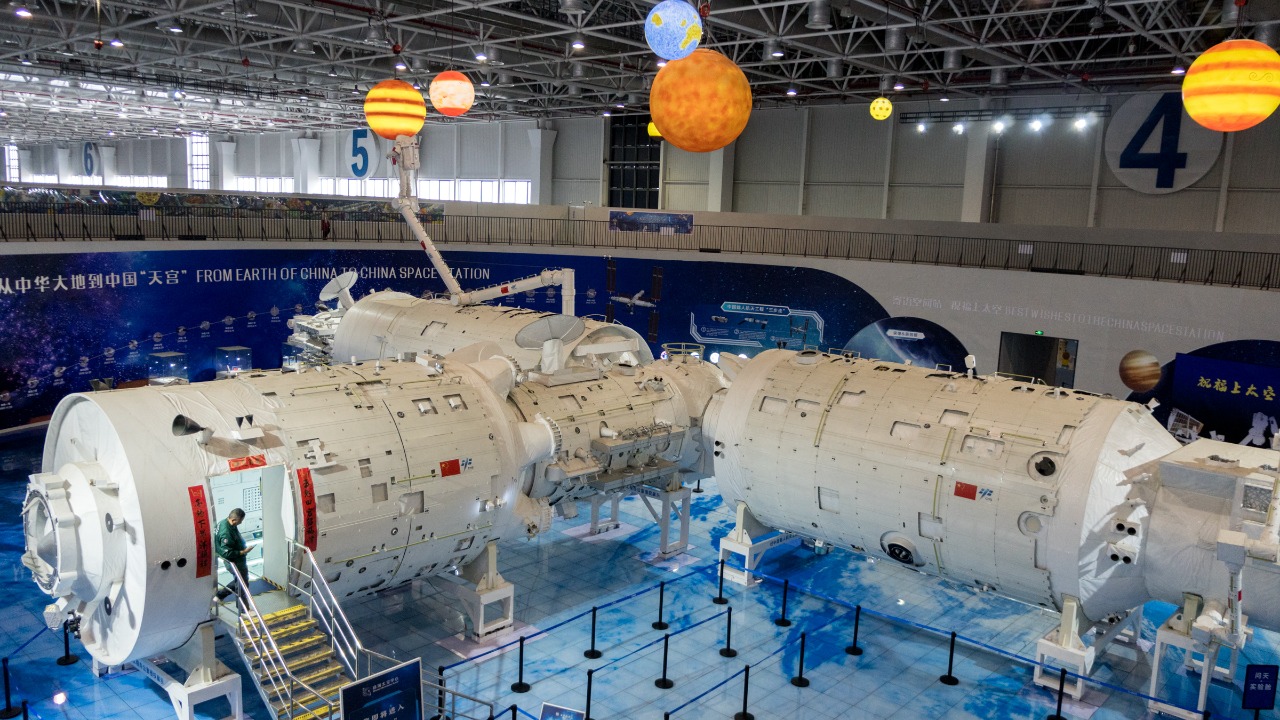
One of the key features of the Tiangong space station is its modular design, which allows for future expansion and integration of additional modules. This design not only enhances the station’s long-term viability but also positions it as a flexible platform for various scientific and technological missions (Source). The ability to expand and adapt is a significant advantage that was not fully appreciated by initial Western assessments.
Moreover, Tiangong is equipped with advanced life support and environmental control systems that ensure sustainability for extended missions. These systems are crucial for maintaining a stable and habitable environment for astronauts, enabling longer stays and more complex experiments. This technological sophistication underscores the station’s role as a cutting-edge research facility (Source).
Scientific Contributions and Collaborations
Tiangong has facilitated numerous experiments in microgravity, contributing valuable data to the global scientific community. These experiments cover a wide range of disciplines, from materials science to biology, and have the potential to advance our understanding of fundamental processes in space (Source). The station’s contributions are increasingly recognized as significant in the context of international space research.
China has actively sought international partnerships, inviting countries to conduct research aboard Tiangong. This openness to collaboration has increased China’s global influence in space exploration and fostered a more inclusive approach to scientific research. By engaging with international partners, China is positioning Tiangong as a hub for global scientific cooperation (Source).
In addition to its scientific endeavors, Tiangong has become a platform for testing new technologies that could be pivotal for future space missions. For instance, experiments related to space-based manufacturing and 3D printing are being conducted, which could revolutionize how equipment and structures are produced in space. These innovations have the potential to reduce the dependency on Earth-based resources, making long-term space missions more feasible (Source).
Furthermore, Tiangong’s role in fostering international collaboration extends beyond scientific research. By hosting astronauts from various countries, China is promoting cultural exchange and mutual understanding in space exploration. This initiative not only enhances diplomatic relations but also enriches the scientific output by incorporating diverse perspectives and expertise. Such collaborations are crucial for addressing complex challenges in space that require a concerted global effort (Source).
Strategic Implications for Global Space Efforts

The success of Tiangong underscores China’s growing influence in space, prompting other countries to reassess their strategies and partnerships. As China continues to expand its capabilities, the global balance of power in space exploration is shifting, challenging the previously unchallenged dominance of the U.S. and its allies (Source). This shift has significant implications for future international collaborations and competition in space.
The presence of Tiangong emphasizes the need for a reevaluation of existing space policies and alliances. Countries that have traditionally relied on the ISS for research and collaboration may need to consider new partnerships and strategies to remain competitive in the evolving space landscape. This strategic realignment is essential to address the challenges and opportunities presented by China’s advancements (Source).
Lessons for Future Space Endeavors
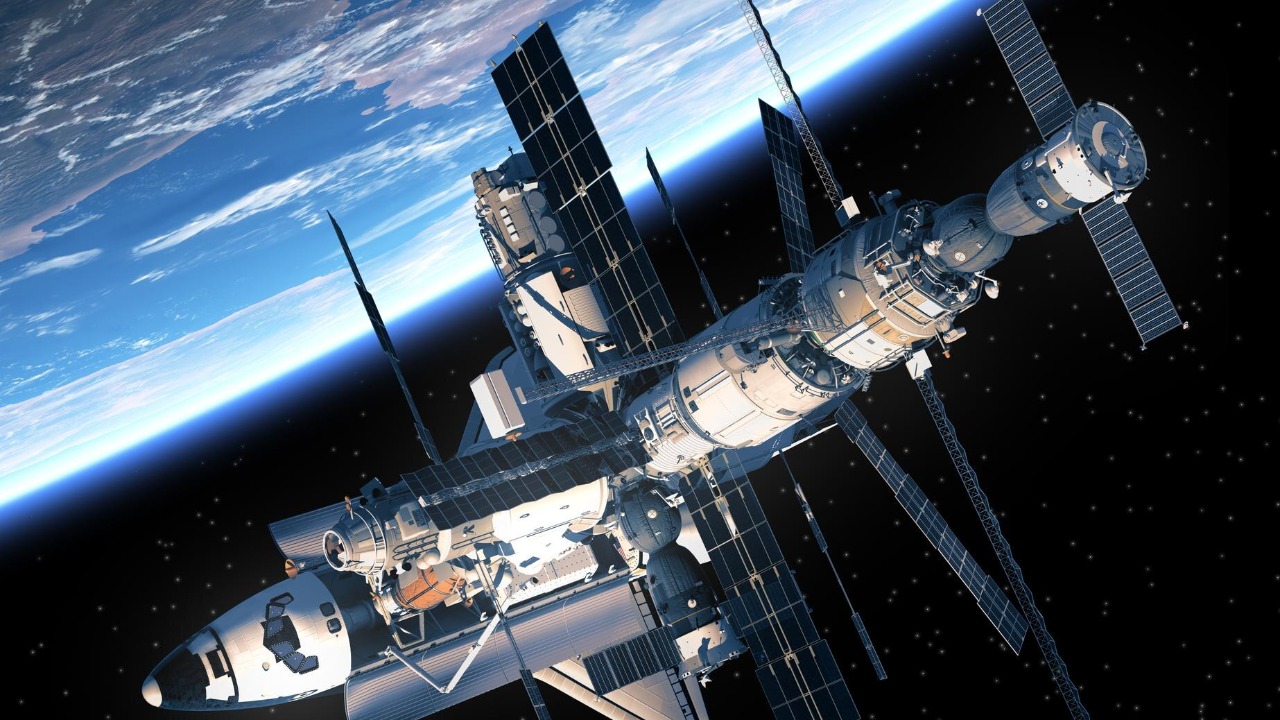
The international community must recognize and adapt to the rapid pace of Chinese advancements in space technology to avoid future underestimations. This recognition involves acknowledging China’s capabilities and contributions and integrating them into a broader framework of global space exploration (Source). By doing so, countries can better prepare for the challenges and opportunities that lie ahead.
Collaborative efforts and open dialogue are essential to foster a balanced and cooperative approach to space exploration. By engaging in constructive partnerships and sharing knowledge, the global community can ensure that space remains a domain of peaceful exploration and scientific discovery. This approach will help mitigate the risks of competition and conflict, paving the way for a more inclusive and collaborative future in space (Source).
