China’s rapid infrastructure development has commanded worldwide notice. In contrast, America’s more gradual pace has spurred curiosity. This exploration seeks to illuminate the key elements influencing this difference, such as varying regulatory procedures, contrasting labor markets, and differing uses of technology.
1. Centralized versus Decentralized Decision Making
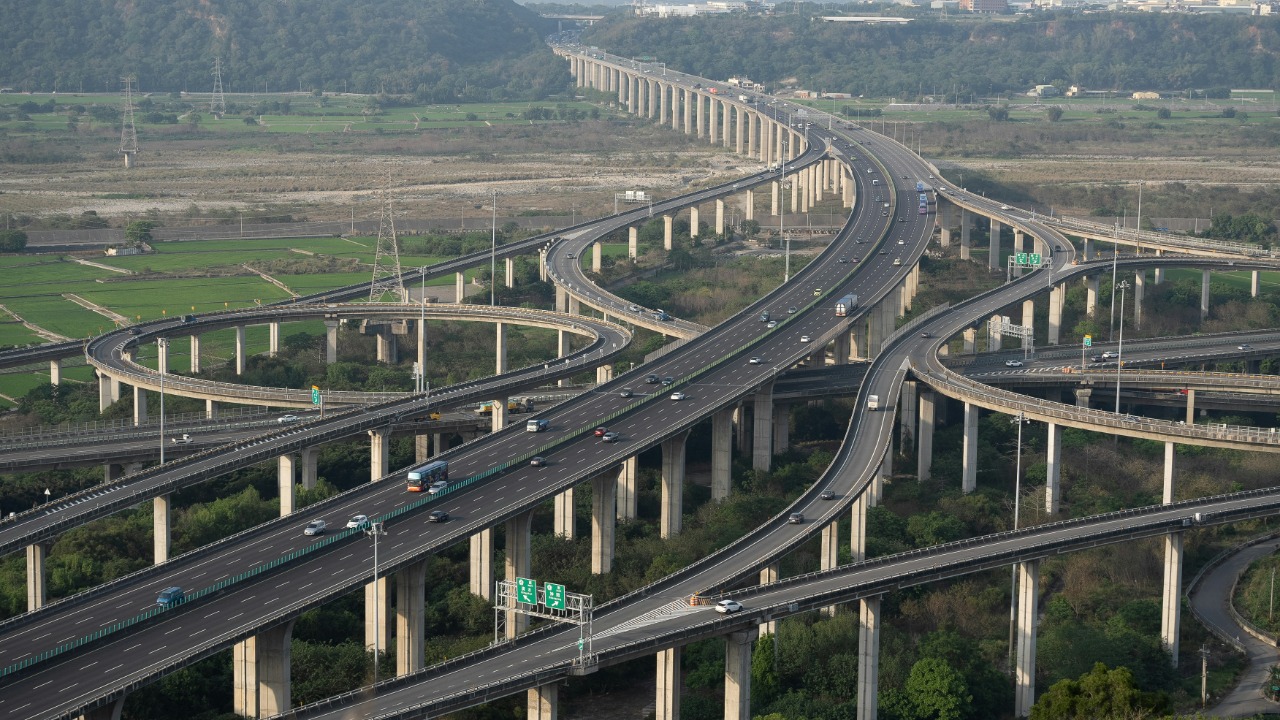
Central planning plays a crucial role in China’s swift infrastructure development. The government can make and execute decisions quickly, and state-owned enterprises dominate many sectors, including construction and infrastructure. This centralized decision-making system enables the Chinese government to effectively and efficiently execute large-scale projects.
In contrast, the U.S. operates on a decentralized decision-making process with multiple layers of government involved in infrastructure projects. This often results in slower decision-making and implementation, as projects must go through various stages of approval, public consultations, and environmental reviews.
2. Regulatory Processes and Speed of Implementation

The regulatory environments in China and the U.S. differ significantly. In China, the government’s control over land, resources, and the approval process allows for a swifter implementation of construction projects. Once a project is approved, construction can commence almost immediately.
On the other hand, the U.S. has a more complex regulatory environment. Projects must adhere to numerous federal, state, and local regulations and undergo various approval stages, which can significantly slow down project timelines. Studies have shown that it can take years to secure all necessary permits for a major infrastructure project in the U.S.
3. The Impact of Labor Markets

Differences in labor markets between China and the U.S. considerably affect construction speed. China’s large population provides a vast pool of labor at relatively low cost. This combination of high labor availability and low wages contributes to the speed of China’s construction projects.
Contrastingly, the U.S. has a higher labor cost and often faces shortages in skilled construction workers. This labor market condition can contribute to slower construction timelines and higher project costs.
4. Technological Advancements and Application
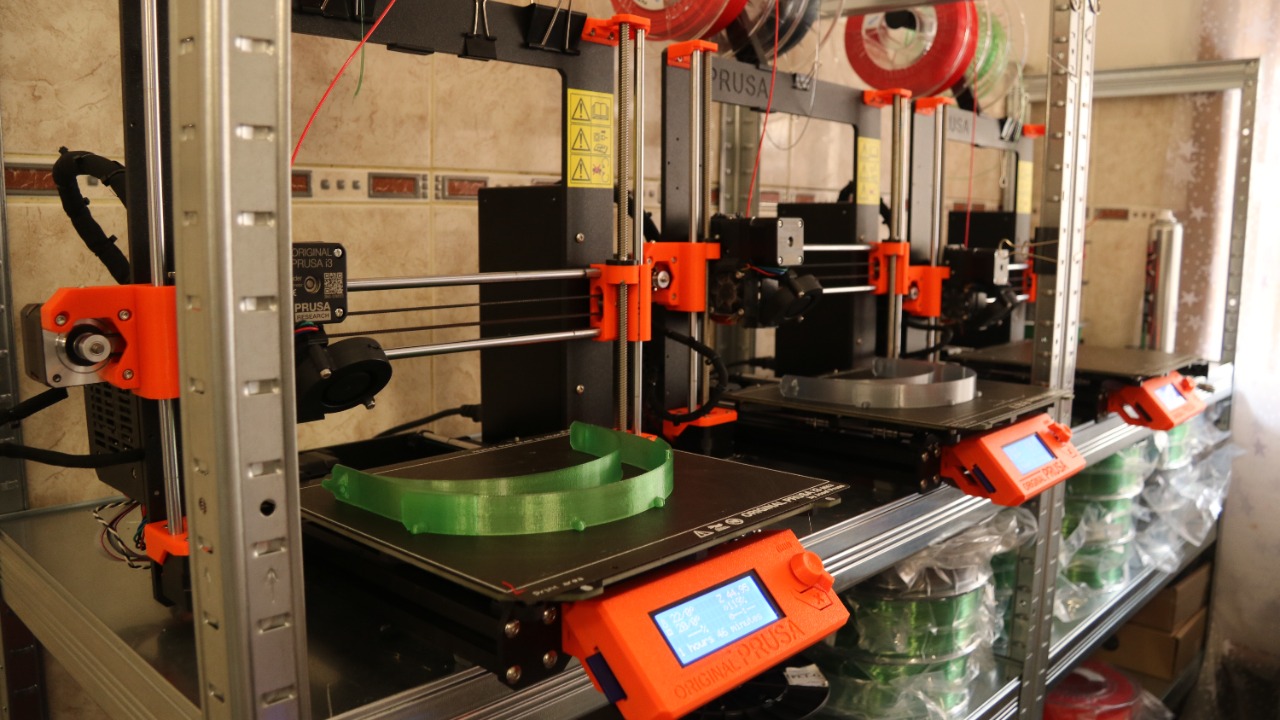
Technology is a significant factor in China’s fast-paced construction. The country has embraced advancements such as prefabricated construction and 3D printing, which significantly reduce construction time.
While the U.S. is also adopting these technologies, the application is not as widespread. Moreover, the U.S. construction industry has been slower to digitalize compared to other sectors, which can impact project speed. Conversations with industry leaders suggest that adopting tech innovations could significantly enhance efficiency and speed up projects.
5. Funding and Financing Models

China’s state-driven funding model significantly contributes to their rapid infrastructure development. The government can allocate vast amounts of funds to key projects at short notice, enabling faster implementation.
In contrast, America’s financing model is primarily private sector-led. This model can lead to delays as project developers must secure financing before breaking ground. Furthermore, public infrastructure projects often rely on government funding, which can be a lengthy process due to budget approvals and political debates.
6. Political Will and National Priorities

In China, political will and national development goals are key drivers of rapid construction. Infrastructure development is often tied to a region’s economic growth targets, leading to strong government support.
While the U.S. also recognizes the importance of infrastructure, the political will to rapidly execute large-scale projects often varies by region and political party. Policy debates and changing national priorities can slow the pace of infrastructure development.
7. Quality of Construction and Long-Term Sustainability
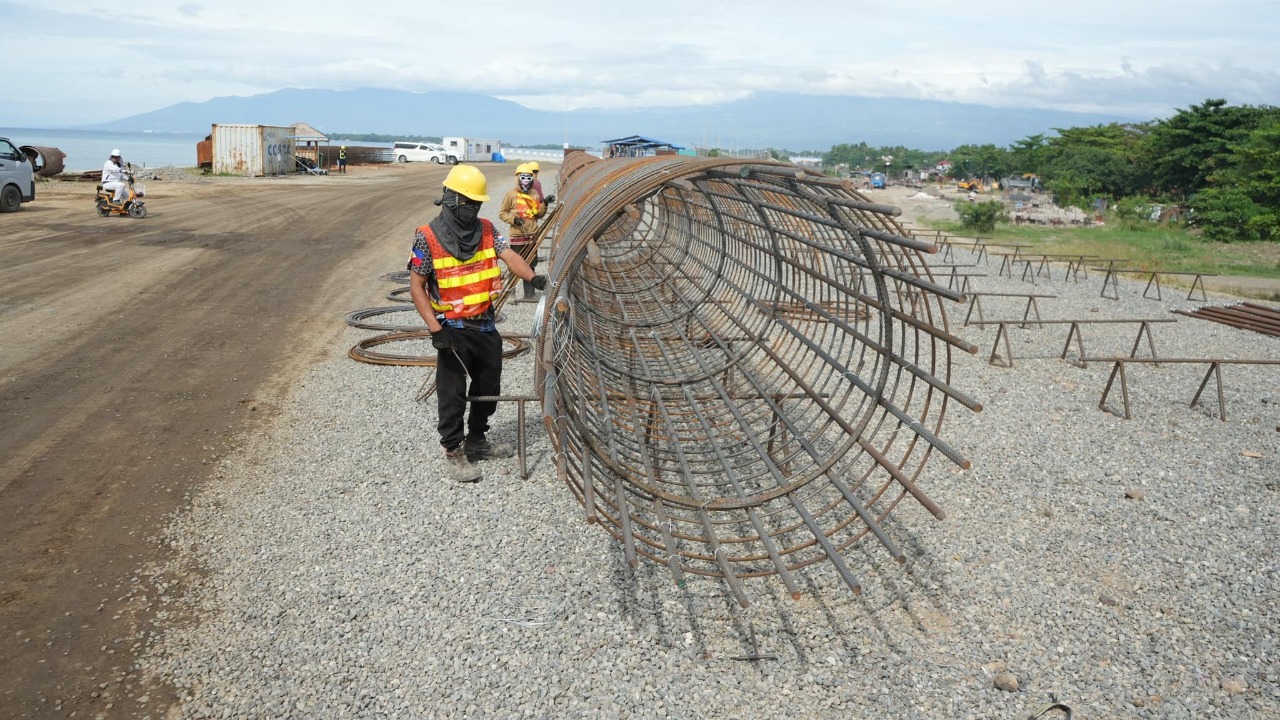
The quality and sustainability of construction projects in China and America are subjects of ongoing debate. In China, the emphasis on speed has raised questions about the long-term sustainability and safety of some projects.
In the U.S., there is a stronger emphasis on quality and sustainability, which can result in longer construction times. However, these considerations can lead to more durable and sustainable infrastructure in the long run. Research suggests that this trade-off between speed and quality is a critical factor in construction projects.
8. Case Study: Infrastructure Development in the Tech Industry

China’s rapid construction of data centers provides a clear example of their quick infrastructure development. The government has prioritized the tech industry, leading to a surge in the construction of data centers to support growing tech companies.
In comparison, U.S. tech infrastructure development is slower and more fragmented. However, companies like Google and Amazon have made significant investments in building data centers across the country. Reports suggest that regulatory hurdles and the need for significant capital investment are key challenges in the U.S.
9. Lessons and Implications for the Future
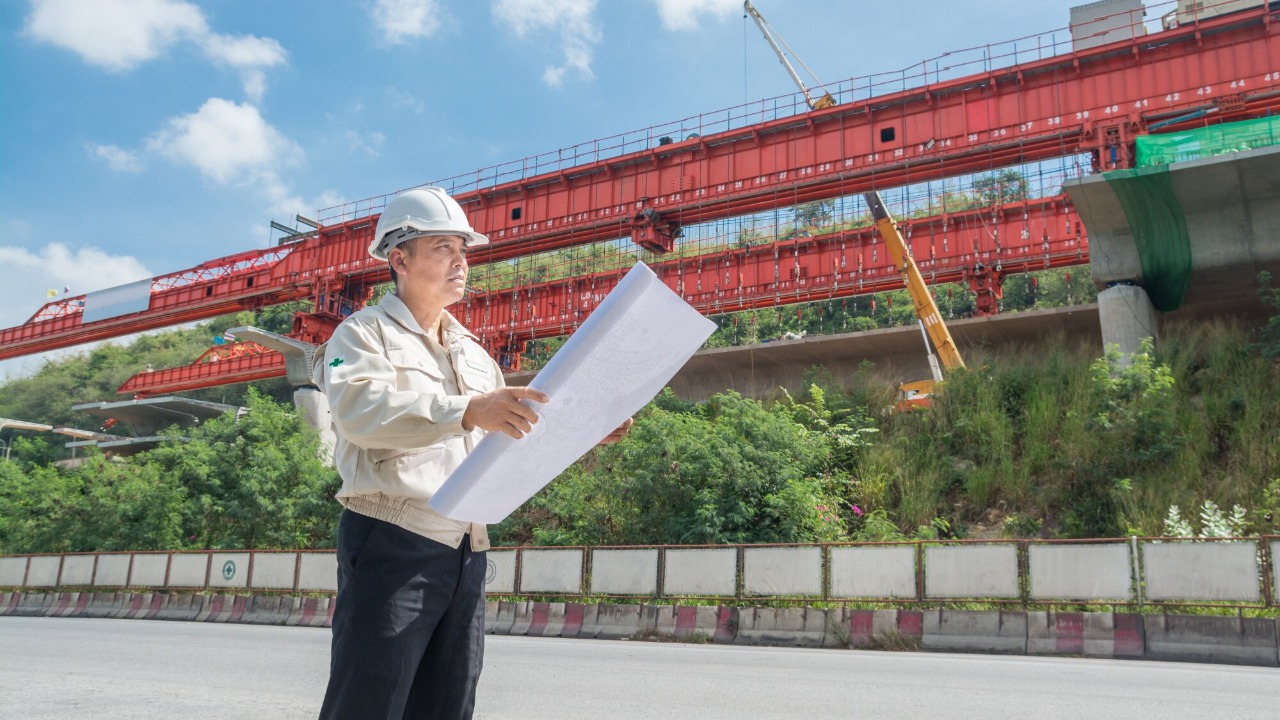
There are valuable lessons America can learn from China’s rapid construction model, such as the benefits of centralized decision-making and the use of advanced technologies. However, it’s essential to adapt these lessons to the U.S. context, considering factors like regulatory processes, labor market conditions, and quality standards.
The implications for future U.S. infrastructure development and policy-making are significant. By examining China’s approach, the U.S. can explore new ways to improve efficiency and speed up project timelines, while ensuring quality and sustainability.
