

Car manufacturers have long grappled with the challenge of securing wheels to vehicles in a way that is both safe and efficient. While lug nuts have traditionally been the fastener of choice, there are increasing discussions around the potential benefits of lug bolts. This article will delve into the historical evolution of wheel fasteners, the safety concerns that have prompted a reevaluation of traditional systems, the engineering advantages of lug bolts, and the impact of these changes on manufacturing costs and aftermarket practices.
Historical Evolution of Wheel Fasteners
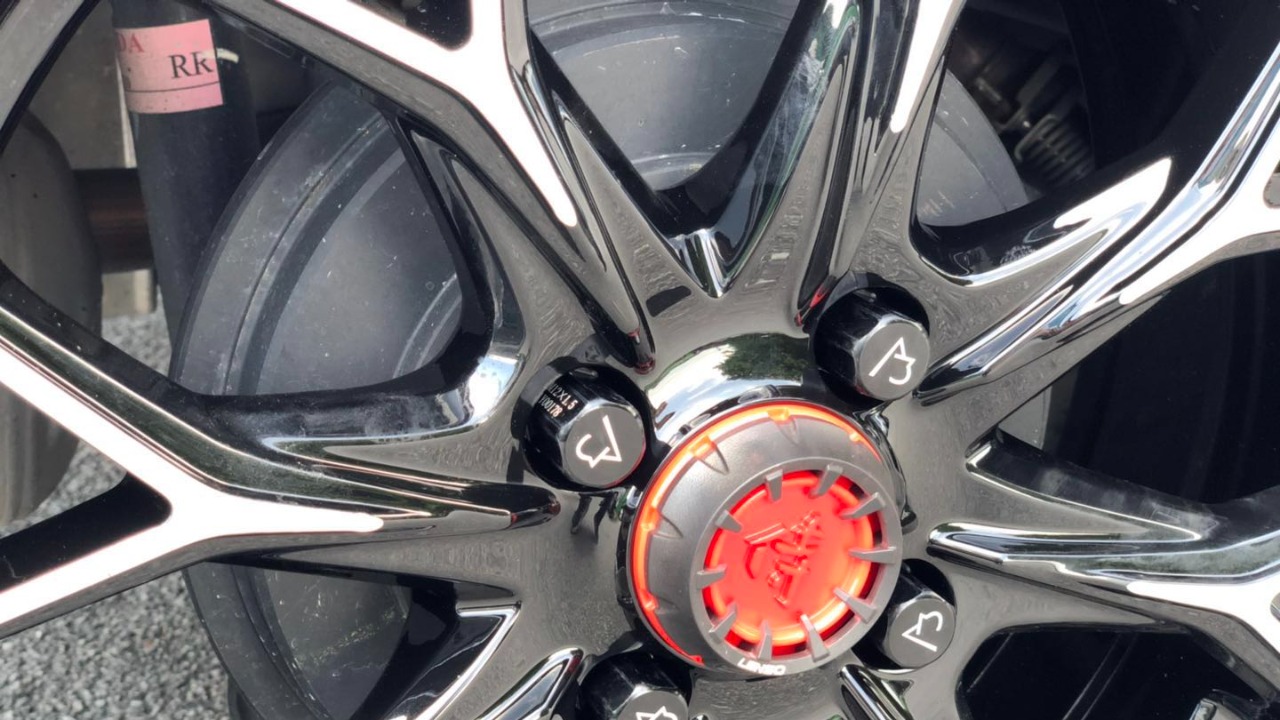
The use of lug nuts in automobiles dates back to the early 20th century. These threaded fasteners required manual tightening and were prone to loosening due to vibrations during driving. The post-World War II era saw the introduction of lug bolts, which offered a more stable retention system due to their integrated stud-and-thread design. This was a significant departure from the separate lug nuts used previously. In the 1970s and 1980s, manufacturers like Ford and GM began experimenting with lug bolts on performance models to improve torque distribution, marking a transitional period in the industry.
As the automotive industry evolved, so did the technology of wheel fasteners. The 1990s saw the introduction of wheel bolts with a floating seat design, which allowed for a more precise fit and reduced the risk of wheel damage due to over-tightening. This was a significant improvement over the fixed seat design of traditional lug nuts. The 2000s brought further advancements with the development of wheel bolts with a conical seat, providing even better wheel alignment and stability. These developments reflect the industry’s ongoing commitment to improving safety and performance.
Safety Concerns Driving the Switch

There have been documented incidents of lug nut failures leading to wheel detachment, prompting regulatory scrutiny from the National Highway Traffic Safety Administration (NHTSA). Lug bolts reduce the risk of cross-threading and over-tightening, which were common issues with lug nuts, particularly on the aluminum wheels introduced in the 1980s. In response to these safety concerns, there are ongoing developments in wheel fastener technology. According to a report by Motor Authority, vehicles will soon be able to detect loose lug nuts, addressing a key vulnerability in traditional lug nut systems.
As the automotive industry continues to prioritize safety, the switch to lug bolts is being driven by more than just the prevention of wheel detachment. Lug bolts also offer improved wheel alignment, reducing the risk of uneven tire wear and improving vehicle handling. This is particularly important in high-performance vehicles, where precise wheel alignment is critical for optimal performance. The ability of lug bolts to maintain consistent torque also reduces the risk of wheel hub damage, a common issue with lug nuts that can lead to costly repairs. These safety benefits are driving the industry’s shift towards lug bolts.
Engineering Advantages of Lug Bolts

Lug bolts offer several mechanical benefits over lug nuts. Their one-piece construction eliminates the need for separate washers, reducing potential points of failure. In terms of torque specifications, lug nuts typically require 80–100 ft-lbs, while lug bolts often handle 90–120 ft-lbs with less shear stress due to their direct integration with the hub. Additionally, lug bolts are often made of high-strength steel, which offers improved durability in corrosive environments compared to the softer alloys used in lug nuts.
Their integrated design reduces the risk of misalignment during installation, which can lead to uneven wear and tear on the wheel and hub. Lug bolts also offer improved heat dissipation, reducing the risk of overheating and subsequent wheel damage during high-speed driving. Furthermore, the use of high-strength steel in lug bolts provides superior resistance to stripping and cross-threading, common issues with lug nuts that can lead to wheel detachment. These engineering advantages make lug bolts a superior choice for wheel fastening.
Manufacturing and Cost Implications

The switch to lug bolts has the potential to streamline assembly lines by reducing component counts, which could lower production costs by up to 15% for wheel installations. This shift has also prompted supplier adaptations, with companies like Dura Automotive shifting focus from lug nut production to bolt systems. Furthermore, lug bolts could lead to long-term maintenance savings, as they facilitate quicker wheel changes without the need for specialized tools for nut removal.
Additionally, the use of high-strength steel in lug bolts can extend the lifespan of the wheel hub, reducing the need for costly replacements. These cost and manufacturing benefits are driving the industry’s shift towards lug bolts.
Impact on Aftermarket and Repair Practices
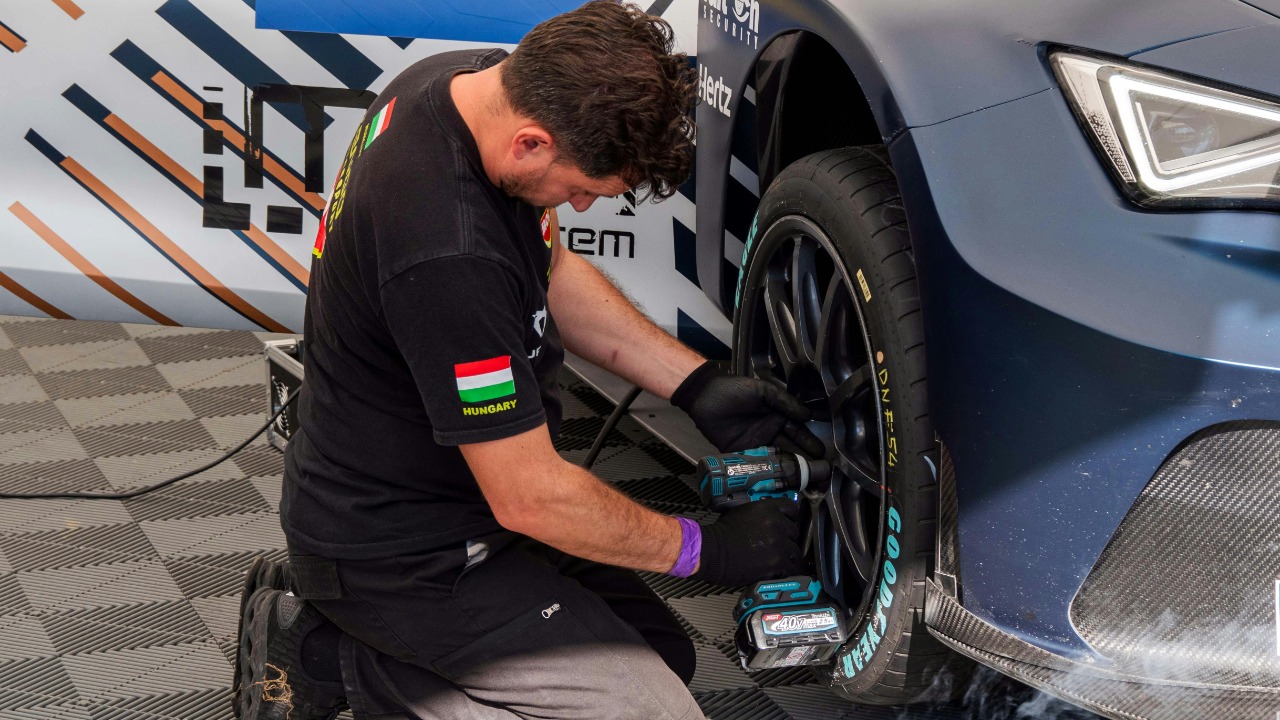
The transition from lug nuts to lug bolts presents challenges for DIY mechanics, including the need for torque wrenches calibrated specifically for bolt patterns. Despite advancements in fastener technology, large lug nuts and rusty bolts continue to pose problems, but cordless impact wrenches have emerged as effective tools for their removal, as reported by Popular Mechanics. The aftermarket industry has also seen innovations such as locking lug bolts, which offer the security of traditional lug nuts while leveraging the advantages of bolt systems.
While the need for specialized tools and training can pose challenges, it also presents opportunities for mechanics to expand their skill sets and service offerings. For example, the use of high-strength steel in lug bolts requires the use of impact wrenches capable of delivering higher torque, as highlighted by Popular Mechanics. This can lead to increased demand for these tools and related training, providing a boost to the aftermarket industry. Furthermore, the improved durability and lifespan of lug bolts can reduce the frequency of wheel hub replacements, leading to cost savings for vehicle owners.
Future Trends in Wheel Fastener Technology

As the automotive industry continues to evolve, so too will wheel fastener technology. The integration of smart sensors in lug bolt hubs, as reported by Motor Authority, is just the beginning. Future developments may include the use of advanced materials for lug bolts, such as titanium or ceramics, to further reduce weight and improve performance.
There is also potential for the development of self-tightening lug bolts, which could eliminate the risk of wheel detachment due to loose fasteners. These future trends highlight the ongoing innovation in wheel fastener technology. Regulatory pushes may also influence future trends, with potential EU mandates by 2030 requiring detectable fasteners to prevent roadside failures.