Fighter jets face inherent design limitations that prevent them from firing weapons backwards, as explored in recent analysis questioning why this capability is absent in modern aircraft. In a striking example of aerial tensions, Russian fighter jets have harassed US forces in Syria nearly 100 times in 2 months, underscoring the risks of close-quarters maneuvering without rear-firing options. Meanwhile, claims by Iran that it shot down Israeli F-35 fighter jets lack definite proof, highlighting vulnerabilities in stealth aircraft during defensive scenarios (France24).
Aerodynamic and Engineering Constraints
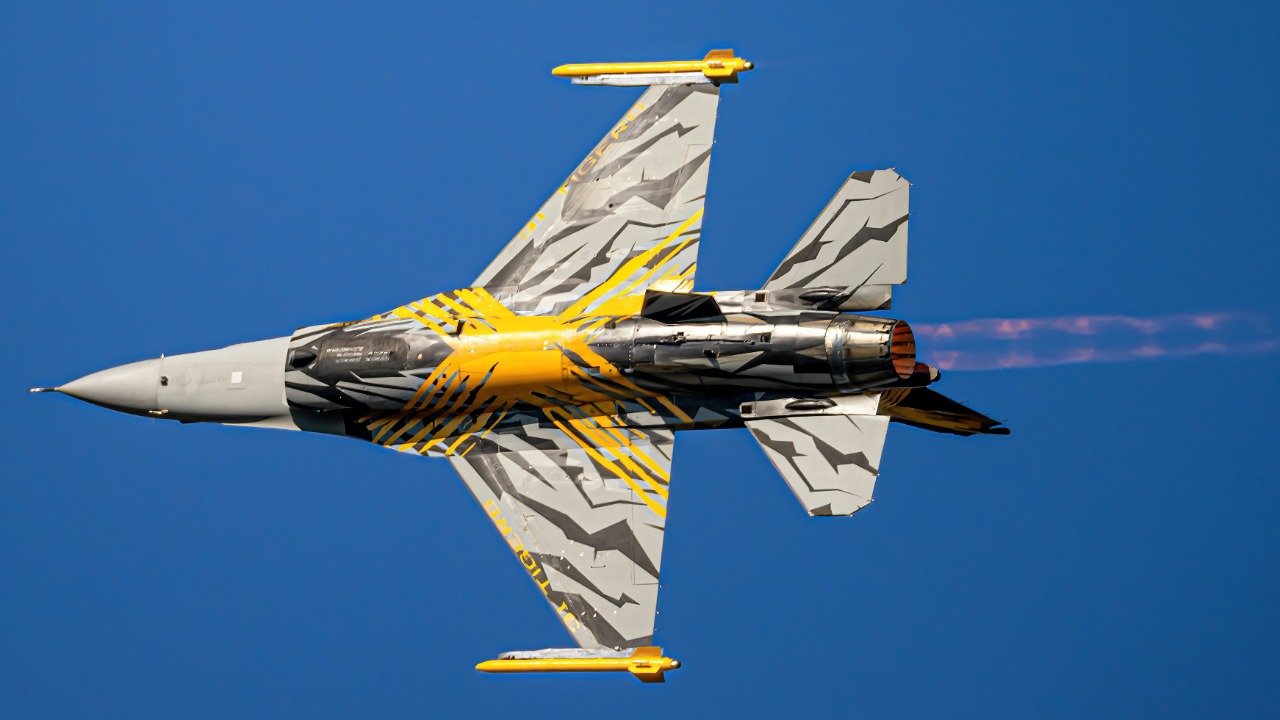
The design of fighter jets inherently limits the possibility of firing missiles backwards due to the complex dynamics of airflow. When a missile is launched, it must travel through the airflow generated by the jet’s forward motion. Attempting to fire a missile backwards would disrupt this airflow, potentially causing instability and control issues for both the missile and the aircraft. This instability could lead to missile failure or even endanger the aircraft itself, making backward missile launches impractical (WION News).
Structural limitations also play a significant role. The placement of engines and tail assemblies on fighter jets would interfere with any rearward propulsion systems. These components are designed to optimize forward thrust and stability, and integrating backward-firing mechanisms could compromise the aircraft’s aerodynamic efficiency. Additionally, the weight distribution of a fighter jet is finely tuned to maintain balance and speed. Adding backward-firing capabilities would alter this balance, potentially degrading performance and maneuverability.
Tactical and Operational Reasons
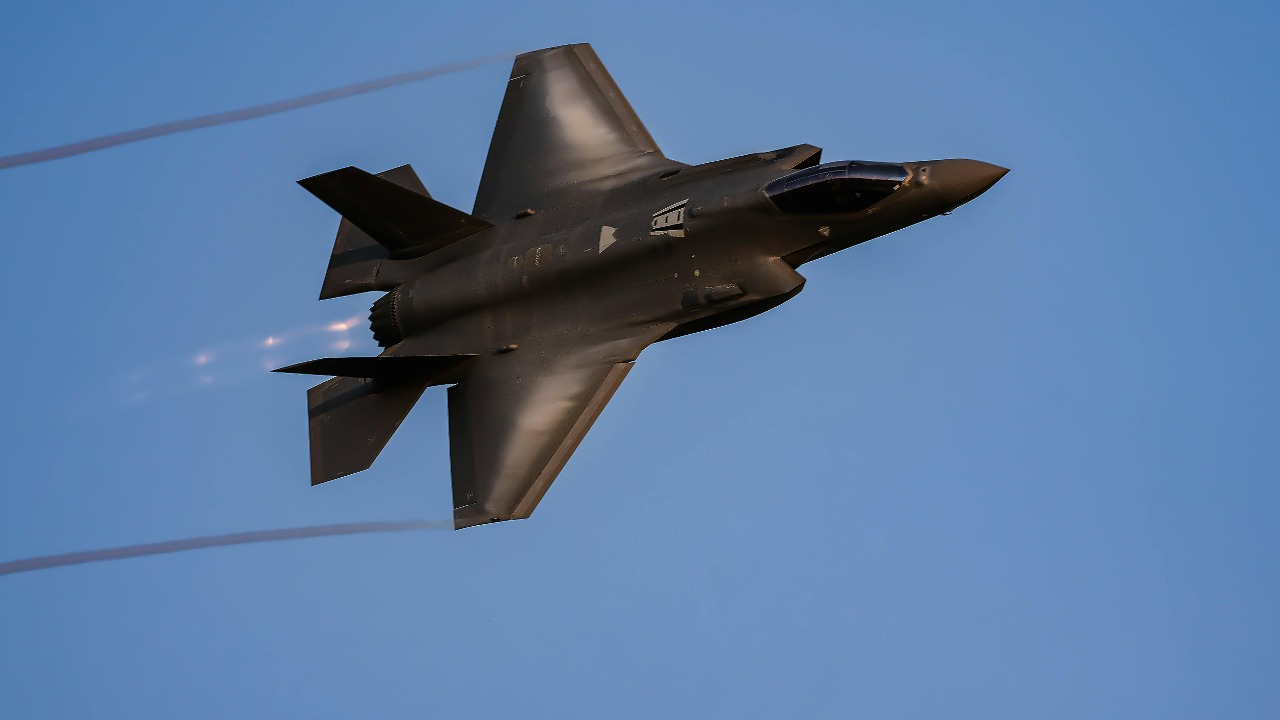
Fighter jet tactics have traditionally emphasized forward engagement and evasion, making backward firing largely redundant. In dogfight scenarios, pilots rely on speed, agility, and strategic maneuvers to outmaneuver opponents rather than direct rearward attacks. The doctrine of air combat prioritizes these forward-facing strategies, as they are more effective in achieving air superiority.
Speed and altitude are crucial factors in air combat, allowing pilots to handle rear threats through evasive maneuvers rather than direct fire. For instance, the frequent aerial harassment by Russian fighter jets in Syria, which occurred nearly 100 times in two months, relies on proximity tactics that do not necessitate reverse weaponry (Task & Purpose).
Moreover, the tactical doctrine of air combat has evolved to emphasize the importance of situational awareness and the use of advanced radar and sensor systems to detect threats from all directions. This approach allows pilots to anticipate and respond to potential dangers without the need for rearward weaponry. The integration of networked communication systems also enables real-time data sharing among allied aircraft, enhancing cooperative strategies that can neutralize threats more effectively than individual backward-firing capabilities.
Additionally, the cost and complexity of developing backward-firing systems are significant deterrents. The resources required to redesign aircraft for such capabilities could be better allocated to improving existing technologies that enhance forward engagement and defense. The focus remains on refining electronic warfare and stealth technologies, which provide a more comprehensive and cost-effective solution to modern aerial threats.
Historical Evolution of Fighter Jet Armament
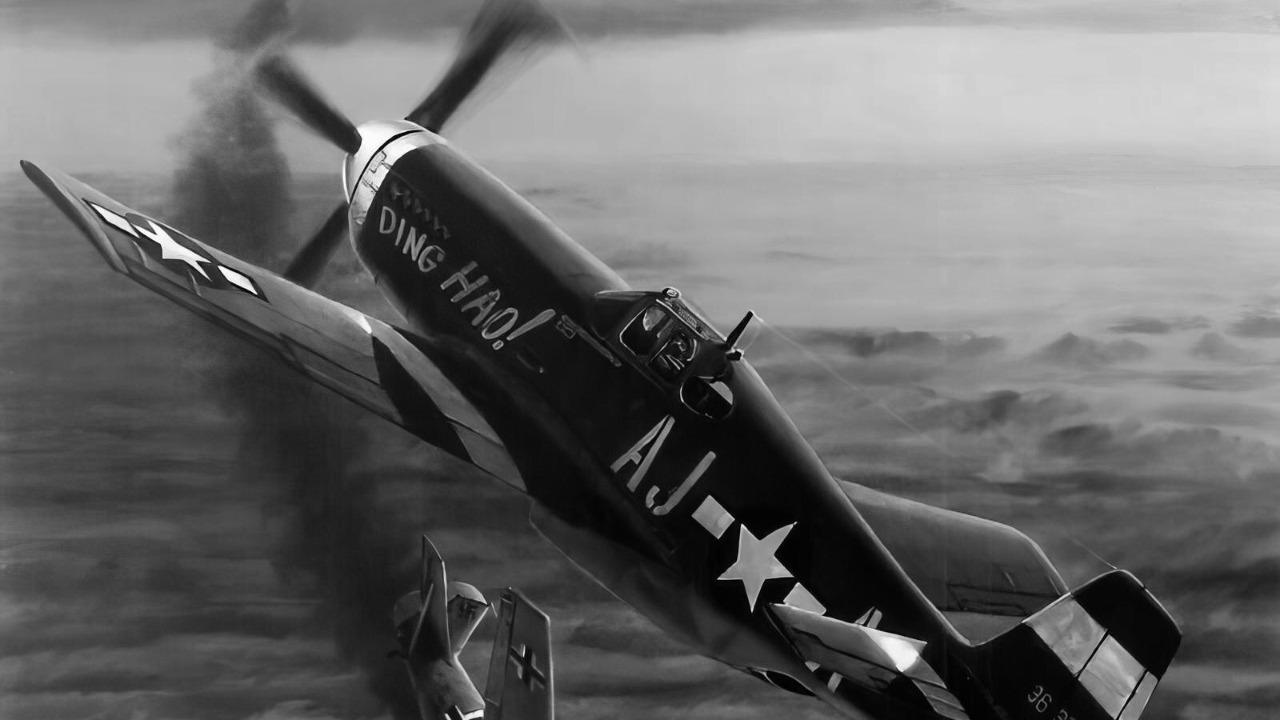
The evolution of fighter jet armament from World War II to the present day has consistently favored forward-facing weapons. During the era of propeller-driven fighters, guns were mounted to fire in the direction of flight, a design that has persisted into the jet age. The Cold War further cemented this approach, as innovations focused on achieving supersonic speeds and advanced missile technology rather than omnidirectional firing capabilities.
Modern stealth designs, such as the F-35, incorporate internal weapon bays that limit external modifications, including backward launch systems. These designs prioritize stealth and forward engagement, as evidenced by the lack of definite proof for Iran’s claims of shooting down Israeli F-35s, which underscores the reliance on forward defenses and stealth capabilities (France24).
Modern Alternatives and Future Possibilities
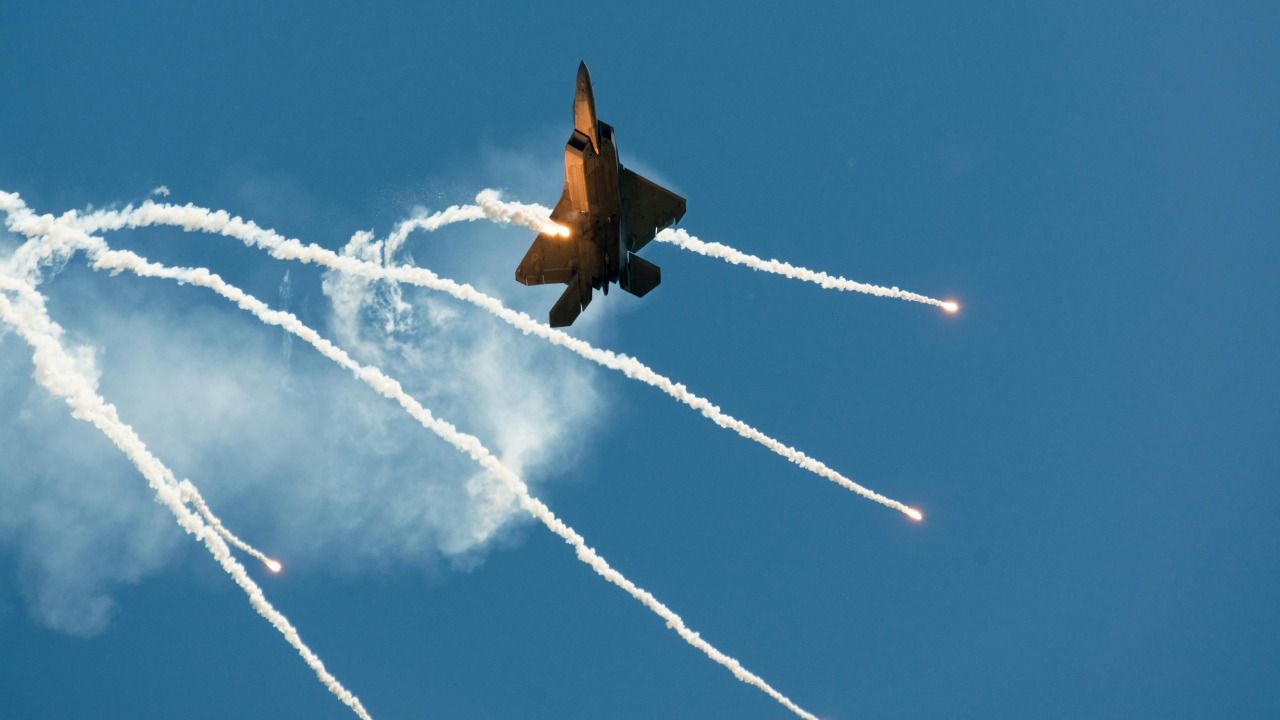
Current countermeasures offer alternatives to backward-firing missiles. Electronic warfare systems, chaff dispensers, and flares are commonly used to deter pursuing aircraft. These technologies provide effective defense without the need for rearward weaponry, allowing pilots to focus on evasive maneuvers and strategic positioning.
Experimental technologies, such as drone escorts and 360-degree sensor suites, are being explored as potential substitutes for direct rear firing. These innovations aim to enhance situational awareness and provide comprehensive defense coverage. The unverified claims by Iran regarding the downing of Israeli F-35s illustrate the ongoing reliance on ground-based or forward defenses, highlighting the importance of integrated defense systems in modern air combat (France24).
In addition to current technologies, future advancements in artificial intelligence and autonomous systems hold promise for enhancing aircraft defense capabilities. AI-driven systems could potentially predict and counteract threats with greater precision, reducing the reliance on traditional weaponry. These systems could manage multiple threats simultaneously, providing a level of defense that backward-firing weapons cannot achieve. The development of AI in military applications is rapidly progressing, with potential to revolutionize air combat strategies.
Furthermore, the concept of swarm drones is being explored as a means to augment fighter jet capabilities. These drones could act as both offensive and defensive assets, engaging threats from multiple angles and providing a dynamic layer of protection. The integration of such technologies could redefine air combat, shifting the focus from individual aircraft capabilities to a more holistic, networked approach that leverages the strengths of multiple systems working in concert.
Real-World Implications in Conflicts
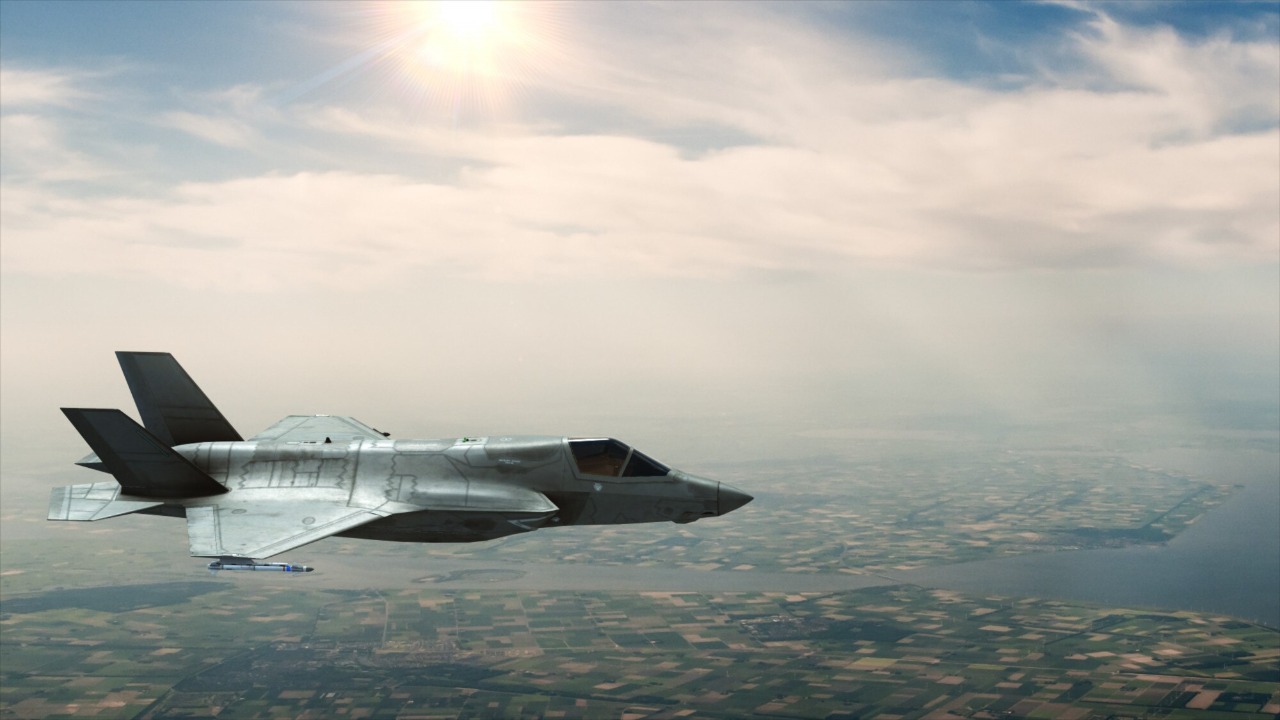
The absence of backward-firing capabilities in fighter jets presents vulnerabilities in contested airspace. In scenarios where jets are pursued, the ability to fire backwards could theoretically aid in escape. However, the strategic focus remains on alliances and rules of engagement that mitigate the need for reverse armament in international incidents.
Ongoing regional flashpoints, such as the operations in Syria involving US and Russian forces, emphasize the frequency of aggressive intercepts. These situations highlight the importance of strategic alliances and adherence to engagement protocols, which help manage aerial tensions without the need for backward-firing weapons (Task & Purpose).
Furthermore, the rules of engagement in international airspace are designed to prevent escalation and ensure that encounters do not lead to unintended conflicts. These protocols emphasize communication and de-escalation, underscoring the importance of strategic planning and international cooperation in managing airspace tensions. The focus remains on maintaining stability through diplomatic channels and technological advancements, rather than expanding individual aircraft armament capabilities.
